
Introduction
Every year on April 11, the world comes together to observe World Parkinson’s Day—a day dedicated to raising awareness about Parkinson’s disease and supporting millions of people living with this condition. Despite being one of the most common neurological disorders, Parkinson’s is still widely misunderstood.
World Parkinson’s Day is not just about awareness—it’s about empathy, early detection, better treatment, and hope for a cure. Whether you’re a caregiver, a patient, or simply someone looking to understand more, this guide will help you explore the importance, symptoms, causes, and ways to support this global health initiative.
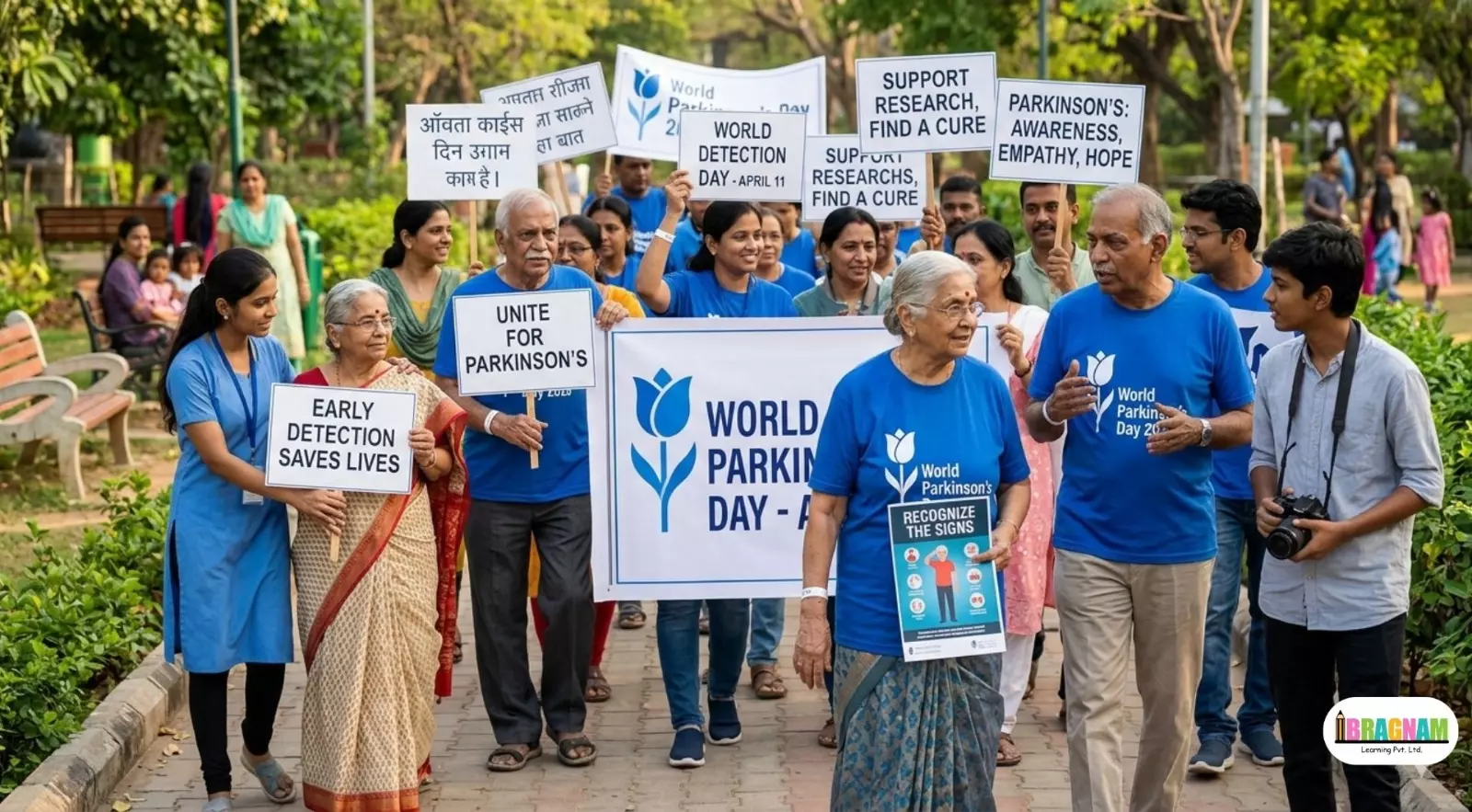
What is World Parkinson’s Day?
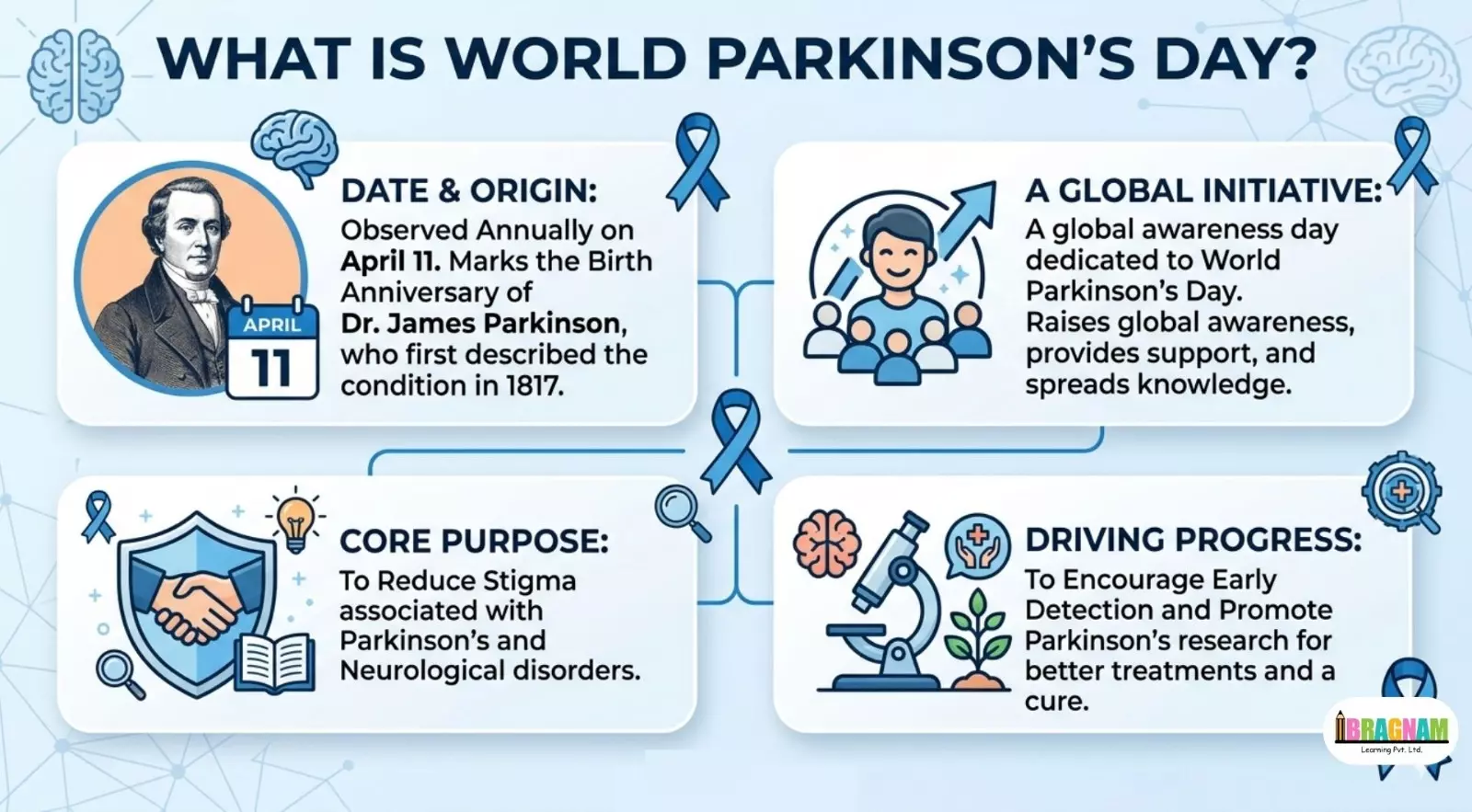
World Parkinson’s Day is observed annually on April 11 to mark the birth anniversary of James Parkinson, the doctor who first described Parkinson’s disease in 1817.
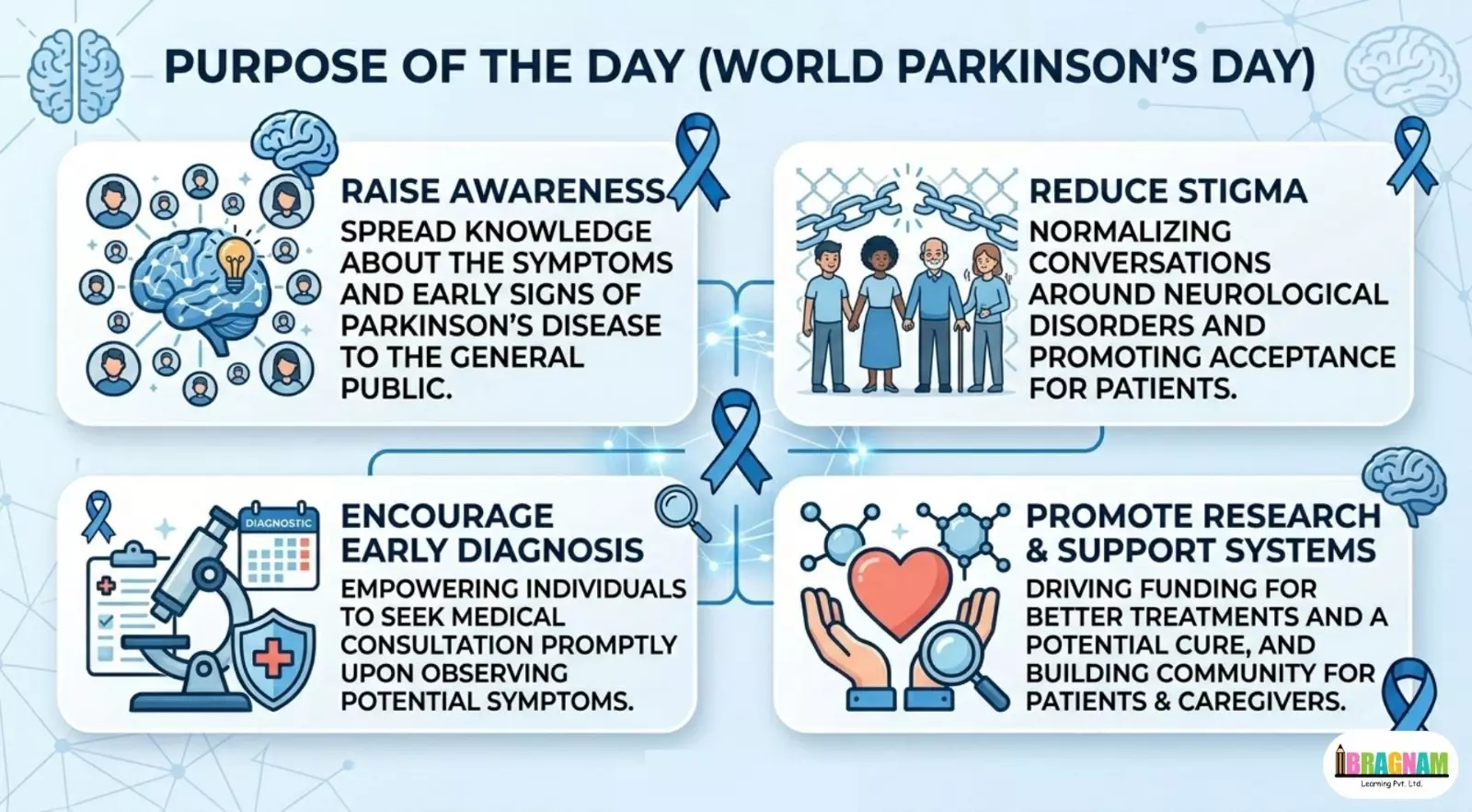
Purpose of the Day
- Raise awareness about Parkinson’s disease
- Reduce stigma associated with neurological disorders
- Encourage early diagnosis and treatment
- Promote research and support systems
Organizations like the World Health Organization and global health communities actively participate in spreading awareness on this day.
Understanding Parkinson’s Disease
Parkinson’s disease is a progressive neurological disorder that affects movement. It occurs when nerve cells in the brain that produce dopamine become damaged or die.
Key Facts About Parkinson’s
- It mainly affects people over the age of 60, but younger individuals can also develop it
- Symptoms worsen over time
- There is currently no cure, but treatments can help manage symptoms
Common Symptoms of Parkinson’s Disease
Recognizing symptoms early can make a significant difference in managing the condition.
1. Motor Symptoms
- Tremors (shaking), usually starting in the hands
- Slowness of movement (bradykinesia)
- Muscle stiffness
- Difficulty with balance and coordination
2. Non-Motor Symptoms
- Depression and anxiety
- Sleep disorders
- Loss of smell
- Fatigue
- Cognitive changes
Causes and Risk Factors
While the exact cause of Parkinson’s disease is still unknown, several factors are believed to contribute.
Possible Causes
- Genetic mutations
- Environmental triggers (toxins, pollution)
- Age-related degeneration
Risk Factors
- Age (higher risk after 60)
- Family history
- Gender (men are slightly more affected than women)
Why World Parkinson’s Day Matters
World Parkinson’s Day plays a crucial role in bringing attention to a condition that often goes unnoticed in its early stages.
Key Importance
- Spreads Awareness: Educates people about symptoms and early signs
- Encourages Support: Builds a community for patients and caregivers
- Promotes Research: Drives funding for better treatments and a potential cure
- Breaks Stigma: Helps normalize conversations around neurological disorders
How to Observe World Parkinson’s Day
You don’t need to be a healthcare professional to make a difference. Everyone can contribute in simple yet meaningful ways.
Ways to Participate
- Wear blue (symbolic color for Parkinson’s awareness)
- Share informative posts on social media
- Attend awareness campaigns or webinars
- Support organizations working for Parkinson’s patients
- Volunteer or donate
Living with Parkinson’s Disease
While Parkinson’s disease is chronic, many people lead fulfilling lives with proper care and support.
Management Tips
- Regular exercise (yoga, walking, physiotherapy)
- Healthy diet
- Medication adherence
- Emotional and psychological support
Support Systems
- Family and friends
- Support groups
- Medical professionals
Prevention and Early Detection
There is no guaranteed way to prevent Parkinson’s disease, but early detection can significantly improve quality of life.
Tips for Early Awareness
- Monitor unusual tremors or stiffness
- Consult a doctor if symptoms persist
- Maintain a healthy lifestyle
Conclusion
World Parkinson’s Day is more than just a date on the calendar—it’s a powerful reminder that awareness can change lives. By understanding Parkinson’s disease, recognizing its symptoms, and supporting those affected, we can create a more compassionate and informed society.
Let’s use this World Parkinson’s Day to spread knowledge, offer support, and stand united in the fight against Parkinson’s disease.

Leave A Comment