My Favourite Book: Why Children Love Writing About Their Favourite Stories
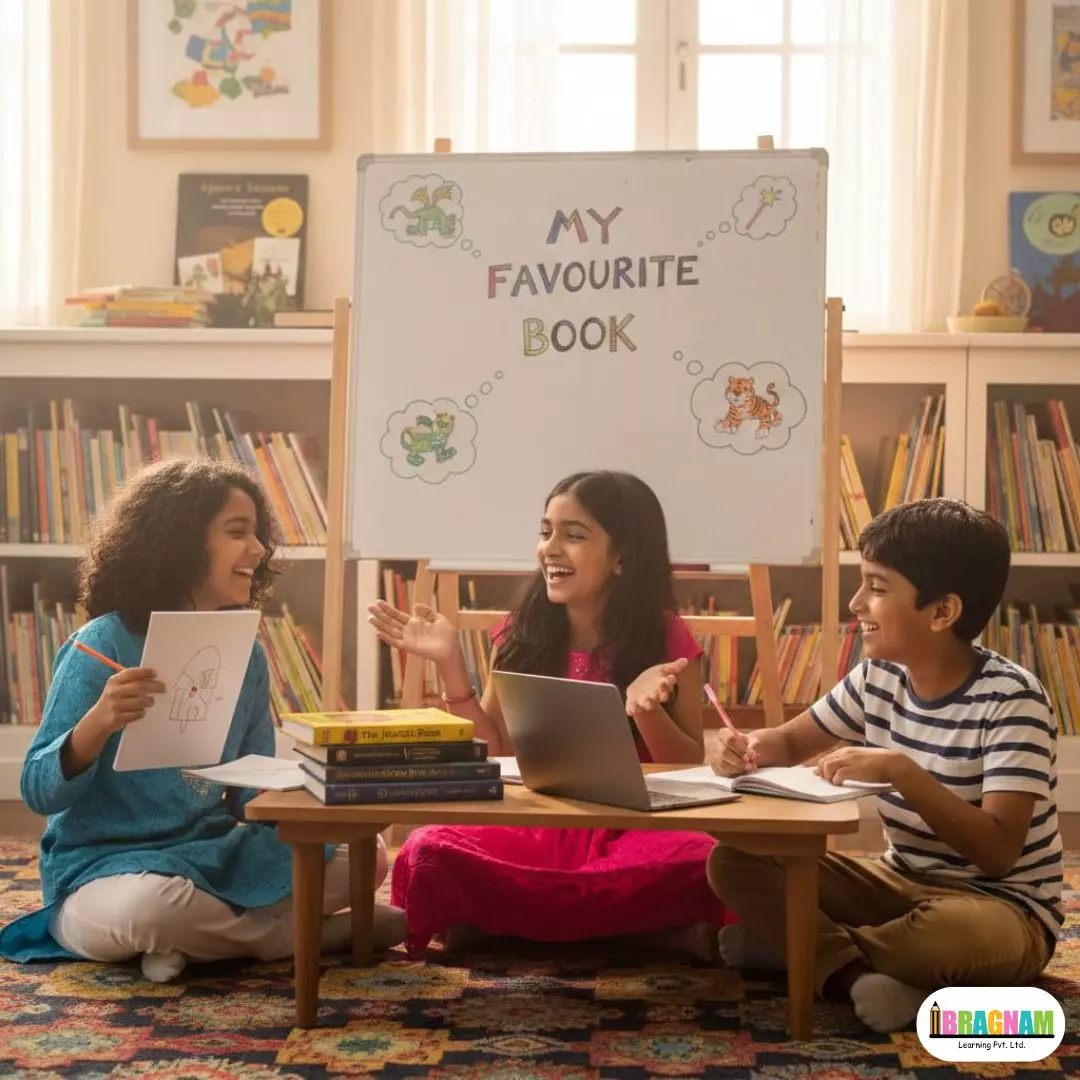
my favourite book

Writing about “my favourite book” is a joyful exercise for children, helping them reflect on what they read, describe plot and characters, and express why a story stayed with them. Not only does this promote reading comprehension and clear expression, but it also lays the foundation for a lifelong love of books and stories.

Why Writing About a Favourite Book Matters

Encouraging children to write about their favourite book fosters multiple skills:

  • Reading comprehension improves as children recall and retell a story.
  • Critical thinking gets a boost while identifying the most memorable characters and events.
  • Language development is enhanced as children use new words and phrases picked up from their books.
  • Expression of feelings grows as kids share personal views about what they loved.

Children who can write about what they’ve read are more likely to enjoy reading and continue it as a habit.

How to Write About Your Favourite Book

1. Choose Your Book

Ask yourself:

  • Which book made you laugh, think, or feel inspired?
  • Did you have a favourite character you still remember?

2. Write a Brief Introduction

Begin your essay or article by introducing the title and author, and why you picked this particular book.

Example:
“My favourite book is ‘The Jungle Book’ by Rudyard Kipling. This magical story of a boy in the wild taught me about courage, friendship, and adventure.”

3. Describe the Plot (Without Spoilers!)

  • Summarize what the story is about.
  • Focus on the main conflict and how the plot develops.
  • Avoid revealing the ending, as others might want to read the book too!

4. Talk About the Characters

  • Who are the heroes and villains?
  • What makes your favourite character special?
  • Did you learn anything from them?

5. Share Why You Love It

This is where you get personal:

  • Did you relate to the main character?
  • Did the story teach you an important lesson?
  • Is there a scene or chapter you always remember?

6. Conclude With a Recommendation

Encourage others to read the book, and mention for whom it might be a good fit (e.g., adventure lovers, animal fans, mystery seekers).

Sample: A Child’s Essay on Their Favourite Book

“My favourite book is ‘Harry Potter and the Sorcerer’s Stone’ by J.K. Rowling. I love this book because it takes me to a magical world of adventure, bravery, and lasting friendship. The main character, Harry, is brave and kind, and together with his friends Ron and Hermione, he faces many challenges. I enjoy the book because every page is full of surprises and the importance of being honest and caring. This story inspires me to believe in magic and always stand by my friends.”

Benefits of Writing About a Favourite Book

Children gain:

  • Better writing skills by practicing description and sequencing.
  • Vocabulary growth as they use words from books and try new expressions.
  • Confidence in sharing personal opinions and reflections.

Tips for Parents and Teachers

  • Encourage kids to read varied genres – fairy tales, adventures, mysteries, and biographies.
  • Use prompts or printable templates to help kids organize their thoughts.
  • Discuss stories together to further deepen understanding.
  • Praise original ideas and personal reflections, not just ‘bookish’ answers.

List: Prompts to Get Children Started

  • What is the title and who is the author?
  • Who is your favourite character and why?
  • Which part of the story did you like the most?
  • Would you like to meet any character? Why?
  • Would you recommend this book to your friends?

Imagination Beyond the Page

A good book doesn’t end when the last chapter is read. Children are inspired to imagine, create, and even write their own stories, bringing characters to life in new adventures or even inventing brand-new worlds. Encouraging book reviews and essays can be the beginning of a creative writing journey.

Frequently Asked Questions

1. Why should children write about their favourite books?

Writing improves reading comprehension, encourages creative thinking, and makes reading more meaningful for children.

2. How does writing about a favourite book help with language development?

It exposes children to new vocabulary, sentence structures, and ways of expressing thoughts, enriching their language skills.

3. What should be included in a “my favourite book” essay for kids?

Include the book’s title, author, a brief story summary, details about the favourite characters, and reasons for loving the book.

4. How can parents help children with this activity?

Parents can discuss books with their children, provide writing prompts, and praise efforts to build confidence.

Books like “Harry Potter,” “The Jungle Book,” and fairy tales such as “Cinderella” and “The Lion King” are perennial favourites.

Conclusion

Having children write about “my favourite book” is a powerful way to blend reading, writing, and self-expression. This activity not only unlocks creativity but improves vital skills, builds confidence, and grows a love of reading that can last a lifetime. So encourage your child to pick their favourite book today, put pen to paper, and start a wonderful journey of imagination and discovery. Share your own favourite book in the comments or try one of our creative writing exercises now!
By |2025-11-22T12:15:13+05:3022 November 2025|Blog|

My Family: A Special Writing Journey for Preschoolers

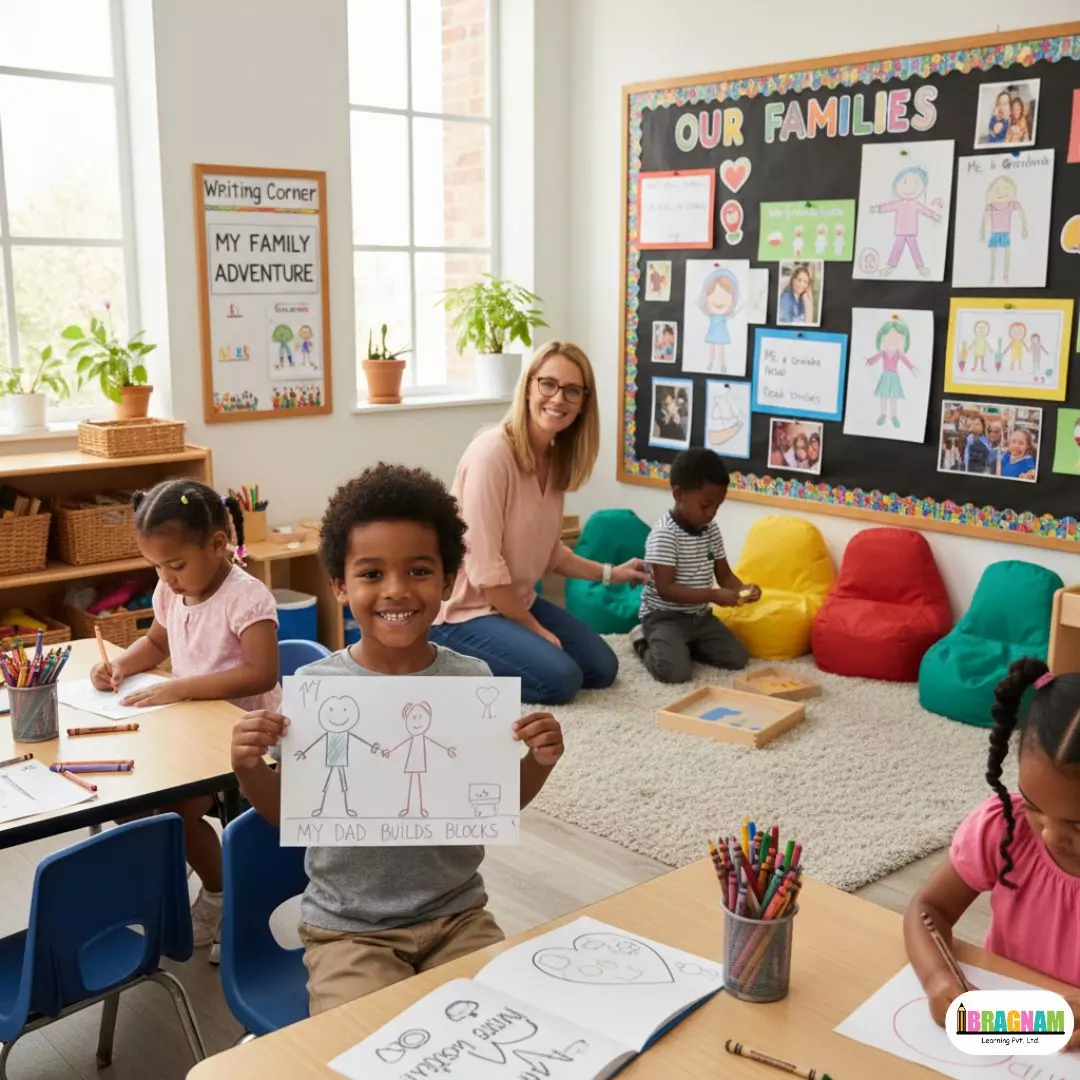
My Family

Introduction: Celebrating “My Family” in Preschool Writing

In every child’s life, family plays an irreplaceable role in shaping their early experiences, values, and sense of belonging. For preschoolers, talking about and writing on the topic of “My Family” not only helps express emotions but also nurtures early writing abilities and gratitude for loved ones. This article explores ways to encourage children to write about family members, participate in fun activities, and develop communication and appreciation skills—all rooted in meaningful family connection.

​Why Family Is a Perfect Writing Theme for Early Learners

Introducing “My Family” as a writing theme invites children to:

  • Identify family members and their roles
  • Recall shared activities and happy moments
  • Communicate love and appreciation for their unique family setup

This foundation not only enhances writing skills but also boosts self-esteem and social-emotional awareness.

How Writing About Family Benefits Preschoolers

Encouraging children to share stories about their family offers unique developmental advantages:

  • Builds vocabulary: Learning names and relationships adds rich words to a child’s vocabulary.
  • Promotes fine motor skills: Writing and drawing about family helps strengthen hand muscles and coordination.
  • Fosters gratitude: Children recognize the special ways their family supports and loves them.
  • Sparks conversation: Sharing family writing in class nurtures speaking and listening skills.

Engaging “My Family” Activities for the Classroom

Here are simple and effective ways to help preschoolers express their feelings about family:

1. Family Member Draw-and-Describe

  • Children draw each family member, then dictate or write a short line about what makes that person special.
  • Example: “My dad helps me build blocks. My sister reads me stories.”

2. Family Roles Story Cards

  • Make cards for “mother,” “father,” “grandparent,” “sibling,” etc.
  • Children select a card, share a memory, and try to write a few words or a sentence with help.

3. Letters to Family

  • Encourage children to write simple letters to parents, siblings, or even pets, expressing love or sharing news.
  • Letters can be posted on a classroom “family wall”.

4. Family Photo Collage Writing

  • Ask children to bring family photos (or draw family scenes).
  • Each child composes a sentence about a favorite family activity—like picnics, festivals, or cooking together.

5. My Family Book

  • Guide children to create a “My Family” booklet:
    • Front page: Family name and picture
    • Inside pages: A family member per page, with space for drawing and writing

Easy Pre-Writing Activities That Support “My Family” Writing

To make writing feel fun and achievable, teachers and parents can use playful techniques:

  • Doodling and Scribbling: Encourage freehand family sketches to relax children before writing.
  • Tracing words: Use sand trays, finger paints, or play dough to trace family member names or the word “family”.
  • Cosy Writing Corners: Set up a bright space in class with crayons, markers, and letter cards, all themed around “My Family”.
  • Role Play: Act out family activities and encourage children to narrate or write about the experience immediately afterwards.

Involving Families to Enrich Children’s Writing

Preschool writing grows stronger when family members participate:

  • Invite parents to share stories about their family traditions during circle time.
  • Encourage families to send written notes or messages that children can read and respond to in class.
  • Celebrate “Family Day” where children display their “My Family” writings and drawings for classmates and parents.

Tips for Teachers and Parents: Fostering Appreciation and Writing Confidence

  • Celebrate every child’s unique family arrangement—single parents, grandparents, blended families, adopted siblings, and pets all count.
  • Always praise effort over perfection. Simple drawings or a few words convey great meaning at this age.
  • Use repetitive sentence starters for easy writing, like “My family likes to…”, “I love my family because…”, or “We go to… together.”

Teaching Moment: Family Appreciation

A well-designed “My Family” writing activity helps foster appreciation and respect for every child’s background. When children feel seen and valued, their enthusiasm for writing grows—and so does their bond with family.

Frequently Asked Questions (FAQs)

1. Why is “My Family” a good writing topic for preschoolers?

It is meaningful, familiar, and encourages children to use names, roles, and actions, supporting early literacy and emotional growth.

2. What kind of writing can preschoolers do at this age?

They can draw, dictate their stories to an adult for recording, trace letters, or write a few simple words or sentences about family, using creative pre-writing activities.

3. How can families support writing at home?

Read and write family stories together, send notes to school, and talk about daily routines using names and descriptions—this builds vocabulary and writing familiarity.

4. How do teachers make “My Family” writing inclusive?

Acknowledge all family types, invite open sharing without judgment, and let children choose whom to include in their “family” stories.

5. What should a “My Family” classroom display include?

Student drawings, simple written descriptions, family photos, and letters—plus a space for parents to contribute messages or family traditions.

Conclusion: “My Family” Writing Builds Skills and Gratitude

Encouraging preschoolers to write about “My Family” creates a warm bridge between the classroom and home, helps children build emerging writing skills, and inspires appreciation for loved ones. Celebrate every story, every effort, and every unique family—because every family deserves to be appreciated.

Ready to inspire your child’s creativity and strengthen family bonds? Try a “My Family” writing activity today and share your child’s story with their school community!

By |2025-11-20T13:01:06+05:3020 November 2025|Blog|

Understanding Good Touch and Bad Touch for Kindergarten

good touch and bad touch

Teaching young children about good touch and bad touch is essential for their safety, well-being, and personal boundaries. Kindergarten is an ideal time to introduce this concept in a simple, clear, and sensitive way that empowers children and builds their confidence. This guide explains how to talk about good and bad touches with kindergarteners, why it matters, and practical tips for parents and teachers.

What Are Good Touch and Bad Touch?

At its core, the difference between Good touch and Bad touch is how a touch makes a child feel:

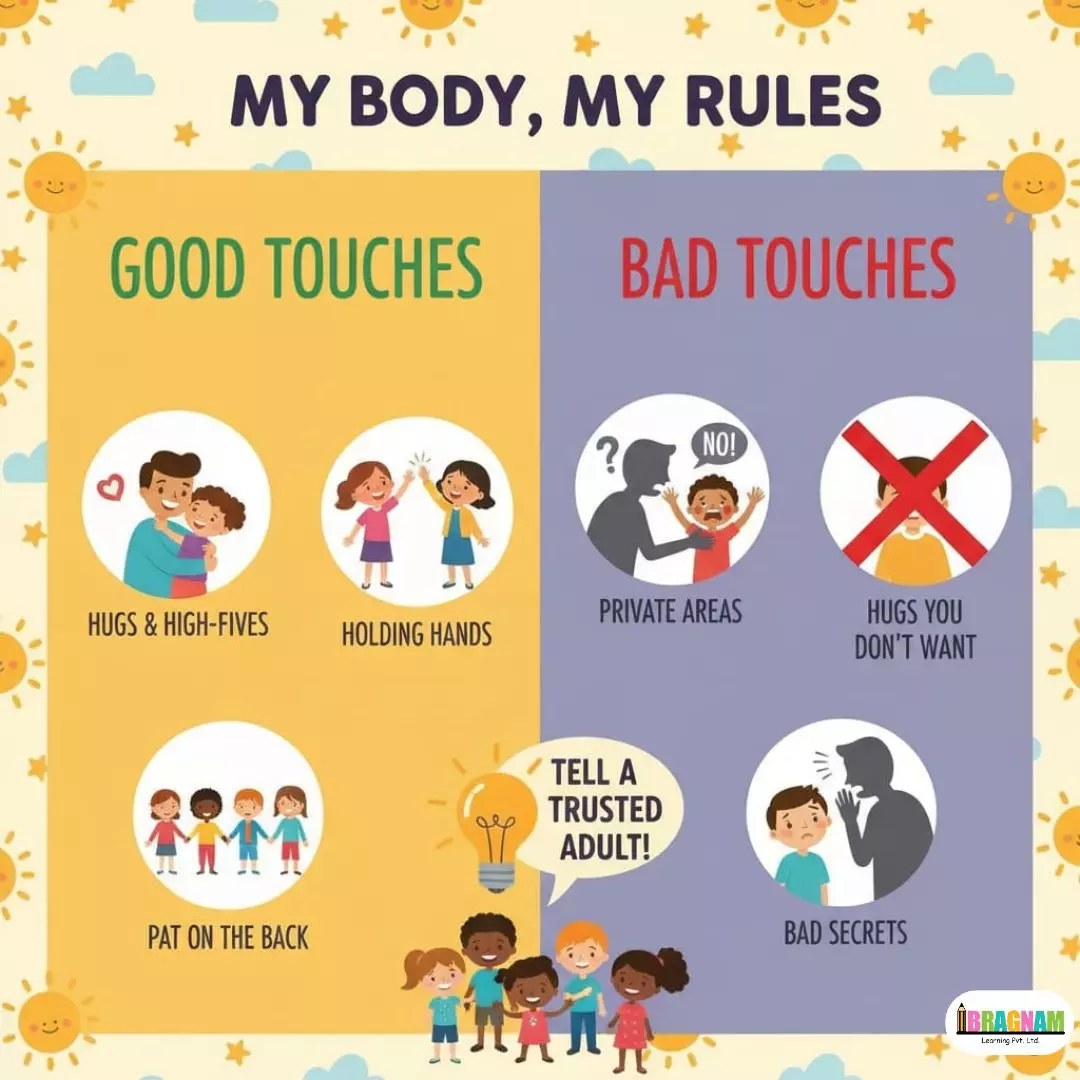
  • Good Touch: Touch that make the child feel safe, happy, cared for, and comfortable. Examples include hugs from parents, high-fives, handshakes, or a pat on the back. Good touches show love, care, and protection.
  • Bad Touch: Touch that make the child feel scared, uncomfortable, anxious, or unsafe. These might be touches to private parts, unwanted hugs or kisses, or any touch that causes hurt physically or emotionally.

Teaching children to recognize these helps them understand their personal boundaries and know when to say “No” or seek help from a trusted adult.

Why Is This Important in Kindergarten?

Kindergarteners are at an early but critical stage of developing body awareness and social skills. Introducing the concept early:

  • Builds awareness of body autonomy and privacy
  • Prevents abuse by empowering children to speak up
  • Encourages safe, respectful interactions with peers and adults
  • Helps children understand consent in simple, age-appropriate terms

How to Teach Good Touch and Bad Touch to Kindergarteners

Use Simple, Clear Language

Avoid complex words and be direct. For example:

  • “Good touches are ones that make you feel happy and safe.”
  • “Bad touches are touches that make you feel scared, wrong, or uncomfortable.”

Use Everyday Opportunities

Integrate learning in daily routines:

  • When helping with hygiene, explain why certain touches (like washing hands) are good touches.
  • Use storybooks and role-plays about personal space and body safety.

Role-Playing and Scenarios

Practice real-life situations:

  • Ask the child what they would do if an unwanted touch happens.
  • Teach phrases like “No,” “Stop,” or “I don’t like that.”

Encourage Open Communication

Let children know:

  • They can always talk to you about anything uncomfortable.
  • There are no bad secrets; trusted adults are there to help.

Explain Private Parts and Body Rules

Help children learn the names of body parts and that private parts are not to be touched by anyone except for health or safety reasons (like a doctor or parent helping with bathing).

Reinforce Saying No and Reporting

Make children confident that they can say “No” and tell a trusted adult without fear or shame.

Examples of Good Touch and Bad Touch

Good TouchBad Touch
Hugs from parents or teachersTouching private body parts
High-fives and handshakesAny touch that hurts or scares
Pat on the back or shoulderForcing a kiss or hug
Help from a doctor or parentTouches that are secrets or threats

Signs a Child May Receive Bad Touch

  • Avoids certain people or places
  • Exhibits fear or anxiety around certain adults
  • Regression in behavior (bedwetting, clinginess)
  • Reluctance to be touched or hugged

FAQs About Good Touch and Bad Touch for Kindergarten

Q1: How early should I talk to my child about good touch and bad touch?
A1: Start as early as preschool or kindergarten age using simple and age-appropriate language to build awareness.

Q2: What if my child is scared or confused talking about bad touches?
A2: Use a gentle and positive approach, reassure them, and emphasize safety and trust so they feel supported.

Q3: How can teachers help with this topic?
A3: Teachers can create a safe environment, use stories, role-plays, and open discussions to teach kids about boundaries and personal space.

Q4: How do I explain private body parts to my child?
A4: Use correct names in simple terms and explain that private parts are special and shouldn’t be touched except for health or safety.

Q5: What should I do if my child tells me about a bad touch experience?
A5: Stay calm, listen carefully, reassure them, and seek professional help or authorities if needed.

Conclusion

Understanding good touch and bad touch is a vital life skill for kindergarten children. Teaching them early with age-appropriate language and methods protects their body safety, builds confidence, and empowers them to speak out. Through open communication, practical examples, and repeated reinforcement, parents and teachers can help children maintain healthy personal boundaries and stay safe.

By |2025-11-19T13:37:26+05:3019 November 2025|Blog|

Parent Engagement: How to Build a Strong Playschool Community

parent engagement

Introduction

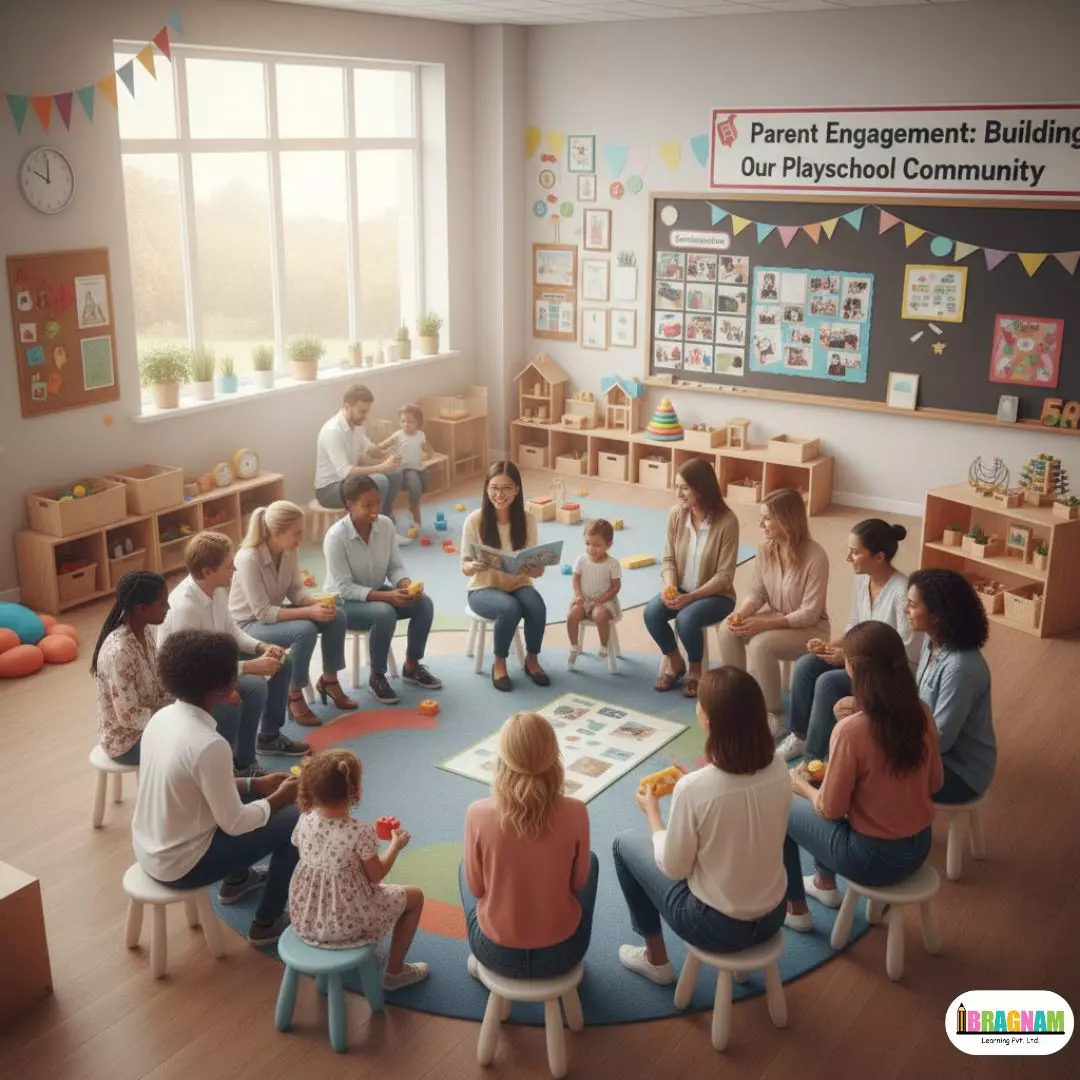
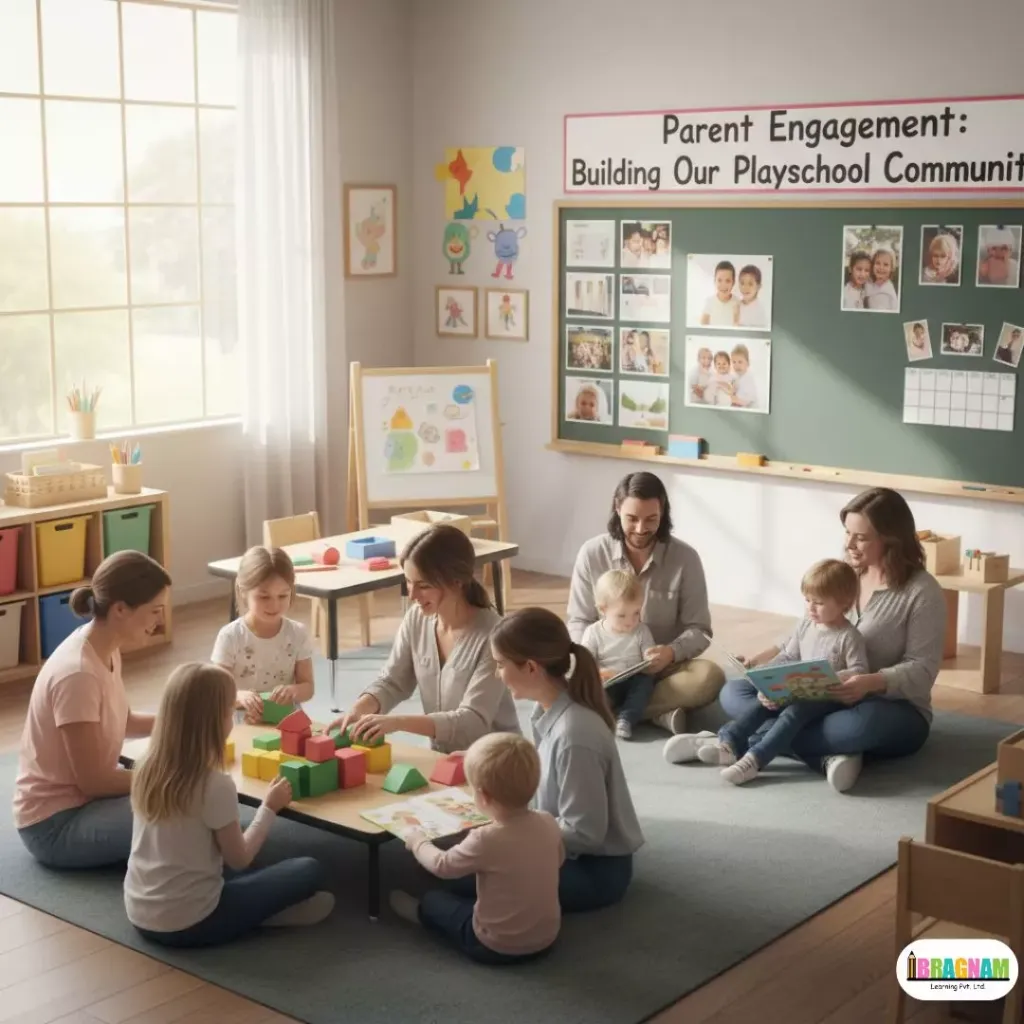
Parent engagement is the foundation of a thriving playschool community. It fosters trust between families and educators, boosts enrollment, and creates a nurturing environment where children flourish. In today’s digital era, parent engagement doesn’t just enhance classroom interactions—it’s a powerful factor in your playschool’s visibility and reputation online. Building strong connections with parents is key to elevating community spirit and school success, both offline and on search engines.

Why Parent Engagement Matters

Effective parent engagement is proven to:

  • Increase children’s sense of belonging and readiness to learn.
  • Create supportive relationships that encourage positive behavior.
  • Boost trust and communication between educators and families.
  • Drive more inquiries and enrollments through word-of-mouth and online reviews.

When parents feel valued, they become ambassadors for your playschool, sharing positive experiences within their networks.

Strategies to Build a Strong Playschool Community

Communication Is Key

Regular, clear communication nurtures parent-school relationships. Consider these methods:

  • Weekly newsletters sharing classroom updates and upcoming events.
  • Messaging apps for quick reminders and daily feedback.
  • Video messages to personalize communications for franchise partners.

Encourage Parental Participation

Inviting parents to participate strengthens community bonds. Try:

  • Hosting parent-teacher meetings and workshops.
  • Organizing volunteering opportunities for activities or events.
  • Scheduling family days, open houses, or celebration events.

Foster a Welcoming Environment

A welcoming playschool atmosphere encourages engagement. Principles include:

  • Culturally inclusive practices that celebrate diversity.
  • Physically safe and emotionally supportive spaces.
  • Consistent venue access and resource availability.

Leverage Digital Platforms

  • Maintain an active and informative website with engaging content.
  • Share photographs, testimonials, and videos of school activities on social media platforms.
  • Encourage parents to leave reviews on Google My Business and school directories.

Build Trust with Transparency

Transparency in policies, curriculum, and child progress reports builds trust:

  • Openly discuss safety protocols, curriculum details, and teacher qualifications.
  • Provide regular feedback about children’s development.

Practical Ideas for Boosting Parent Engagement

  • Form a Parent Advisory Committee to involve parents in school decision-making.
  • Offer parent resource guides with tips about early childhood development.
  • Include parents in classroom celebrations, field trips, or learning activities.
  • Use interactive online content—printable activities, quizzes, or guides—to keep parents engaged even outside school hours.
  • Celebrate parent contributions through acknowledgment in school communications.

The Role of Local SEO in Parent Engagement

Optimizing your playschool’s online presence elevates your visibility to local parents:

  • Create a Google My Business profile with up-to-date contact details and images.
  • Incorporate location-based keywords such as “playschool in [city].”
  • Encourage parents to post online reviews.
  • Ensure your website loads quickly on mobile devices for parent convenience.
parent engagement

Conclusion

Building a strong playschool community begins and thrives with meaningful parent engagement. By prioritizing open communication, welcoming environments, shared activities, and digital connectivity, your playschool can nurture lifelong partnerships with families. Effective parent engagement not only supports children’s early development but also enhances your playschool’s visibility and success in the broader community. Start today—invite parents to become active participants and watch your playschool community grow.

Frequently Asked Questions (FAQs)

1. Why is parent engagement important in playschools?

Parent engagement boosts trust, improves children’s learning outcomes, and increases community spirit and school enrollments.

2. How can parents become more involved in their child’s playschool?

Parents can attend meetings, volunteer for activities, participate in events, and communicate regularly with teachers.

3. What digital tools can help facilitate parent engagement?

Websites, messaging apps, social media pages, and video messages are effective digital tools.

4. How does parent engagement benefit playschool marketing?

Engaged parents share positive experiences and reviews, boosting word-of-mouth referrals and online reputation.

5. What are some ways to create a culturally inclusive community?

Inclusive curriculum, celebrating cultural events, and respecting diverse backgrounds help build a welcoming environment for all families.

By |2025-11-18T10:22:10+05:3018 November 2025|Blog|

5 Ways to Boost Playschool Enrollment: Proven Strategies for 2026

playschool enrollment

Unlocking growth for your playschool franchise doesn’t have to be guesswork. In today’s competitive market, a strategic approach not only fills your seats but also builds lasting trust with families. This guide shares proven, actionable methods (using the keyword “boost playschool enrollment”) to help your center shine, win parents’ confidence, and see steady enrollment growth from season to season.

Why Playschool Enrollment Growth Matters

A thriving enrollment means secure revenue and a vibrant learning community. It’s also a sign that your playschool’s reputation is strong, parent satisfaction is high, and your brand stands out locally. Boosting playschool enrollment allows you to:

  • Expand learning opportunities for children.
  • Attract and retain talented educators.
  • Innovate teaching methods and curriculum features.
  • Secure resources for your school’s long-term growth.

Let’s dive right into the best strategies to achieve these enrollment boosts.

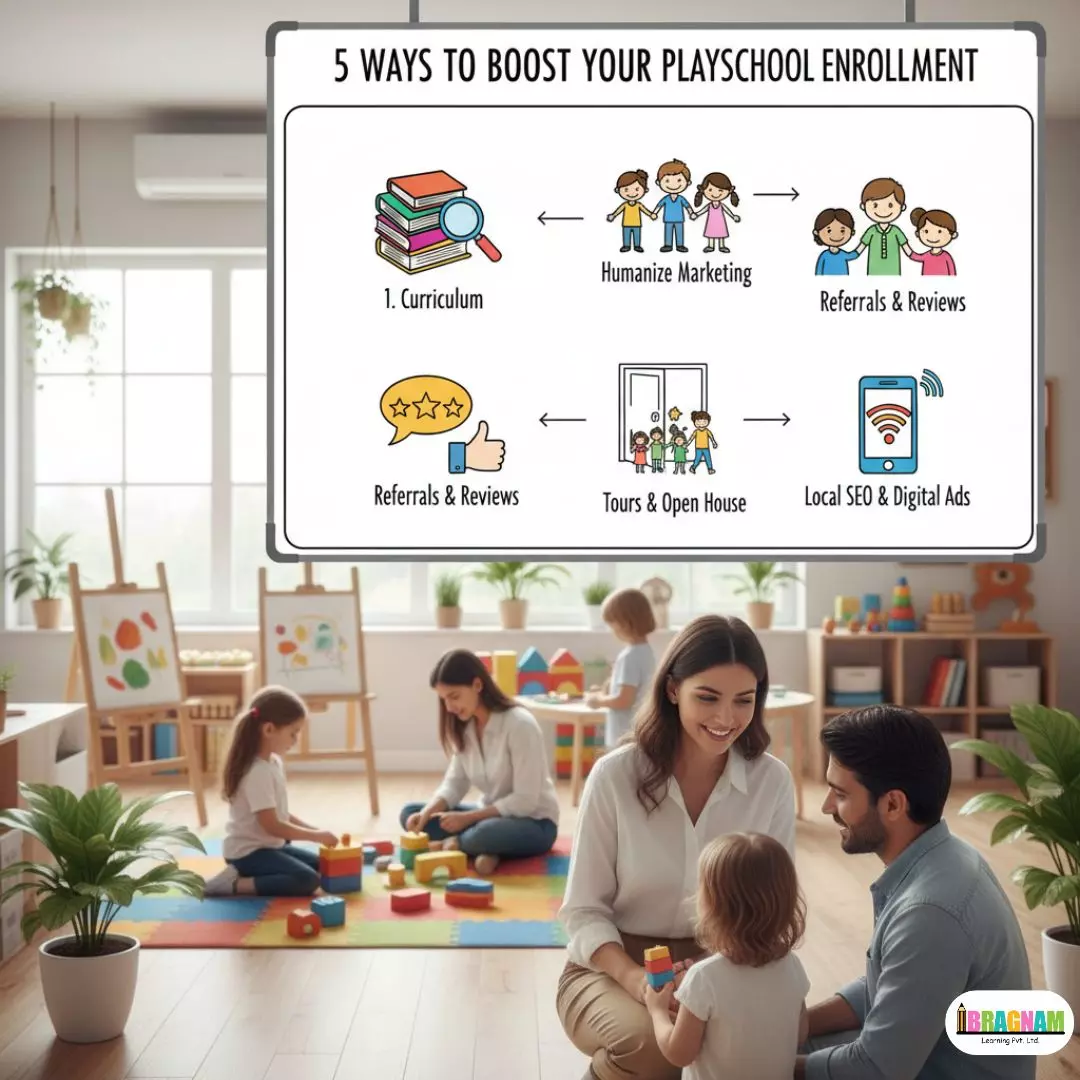
1. Showcase a Strong, Distinctive Curriculum

The curriculum is at the heart of your value proposition. Parents want to see that their child will grow—academically, emotionally, and socially—at your center.

Tips for Highlighting Your Curriculum

  • Make learning visible: Create displays and share stories of classroom projects.
  • Use social media to post real examples of daily activities, hands-on learning, and the joy of discovery.
  • Explain your educational philosophy clearly—Montessori, play-based, STEAM, or a blended approach—and how it benefits children.
  • Include testimonials from current parents to add credibility and warmth.

2. Humanize Your Marketing & Build Local Relationships

Parents enroll in people, not just schools. When your marketing feels human and approachable, families feel safer entrusting their children to you.

Practical Steps

  • Share behind-the-scenes classroom moments, teacher profiles, and celebrations on your website and social channels.
  • Host family events like messy art days, science exhibitions, and cultural festivals to create positive memories and connections.
  • Collaborate with neighborhood businesses, libraries, or kid-friendly events to boost your word-of-mouth and local presence.

3. Leverage Parent Referrals and Online Reviews

Word-of-mouth is a powerful driver for playschool enrollment. Happy parents are your best ambassadors.

How to Activate Parent Referrals

  • Launch a referral program: Offer small rewards or discounts when enrolled families refer new ones.
  • Encourage online reviews: Ask satisfied parents to leave glowing testimonials on popular platforms (Google, Facebook, Justdial) and feature these on your website.
  • Publicly thank families who help grow your community—recognition builds loyalty.

4. Organize Regular Tours, Open House Events, & Virtual Visits

Seeing is believing, especially for young parents. Tours and open houses allow them to connect with your staff, view facilities, and witness your learning environment first-hand.

Event Ideas That Work

  • Schedule open houses at least every quarter—morning and afternoon slots allow for flexibility.
  • Offer virtual tours for parents who cannot visit physically.
  • Use event days to showcase children’s work, talk about key learning goals, and demonstrate your unique approach.
  • Collect parent enquiries on the spot with easy registration or contact forms.

5. Invest in Local SEO and Targeted Outreach

Digital visibility is as important as great teaching. Make it easy for local families to find (and contact) you online.

Boost Your Online Presence

  • Optimize your website and Google Business Profile with accurate address, timing, photos, and clear calls to action.
  • Use the keyword “boost playschool enrollment” naturally in your website’s headings, blog posts, and FAQs for better search rankings.​
  • Run targeted ads for parents in your locality and participate in community WhatsApp or Facebook groups.
  • Post regular updates on activities, achievements, and upcoming events to keep your profile active and appealing.

Conclusion: Take the Leap and Watch Your Playschool Grow!

Start implementing these five strategies today and watch your playschool enrollment soar. Focus on building relationships, making your unique value visible, and leveraging both digital and community channels for outreach. Consistency yields results—and every new family joins because they trust in what you offer.

Ready to boost playschool enrollment? Schedule a call with our team, visit us for a campus tour, or reach out for free marketing resources to get started!

FAQs: 5 Ways to Boost Your Playschool Enrollment

Q1. What is the most effective way to boost playschool enrollment quickly?
A: Personalized outreach—combining open house events, prompt follow-ups, and parent referrals—often brings the fastest boost in seats filled.

Q2. How important are parent testimonials in marketing?
A: Extremely! Positive testimonials and reviews establish social proof and trust, making families more likely to choose your playschool.

Q3. Should we invest in paid digital ads or focus on local SEO?
A: Both have value. Local SEO improves organic reach, while digital ads provide instant visibility—combine both for the best results.

Q4. How can staff training help enrollment?
A: Well-trained, nurturing staff are a major selling point. Highlight your team’s expertise on tours and in your marketing to inspire parent trust.

Q5. What incentives work best for parent referrals?
A: Small fee discounts, gift cards, or free enrollment for a friend’s child are popular—choose something meaningful but sustainable.

By |2025-12-01T14:16:14+05:3017 November 2025|Blog|

Building a Love for Reading: Tips for Playschools

Building a love for reading

Building a Love for Reading: Tips for Playschools

Fostering a passion for stories is one of the most meaningful gifts a playschool can give to young children. Building a love for reading not only jumpstarts language development but also sparks creativity, strengthens cognitive skills, and plants the roots for lifelong learning. With engaging teaching strategies and a nurturing environment, playschools can help children grow into confident readers—eager to explore the infinite world of books.

Why Building a Love for Reading Matters

Reading for pleasure at an early age is closely linked with future educational success and emotional growth. Children who enjoy reading are more likely to become critical thinkers, excellent communicators, and active learners. Playschools set the stage for these outcomes by prioritizing reading as both a purposeful and joyful activity.

Creating a Reading-Friendly Environment

Children thrive in spaces that invite curiosity. Playschools can inspire young readers by:

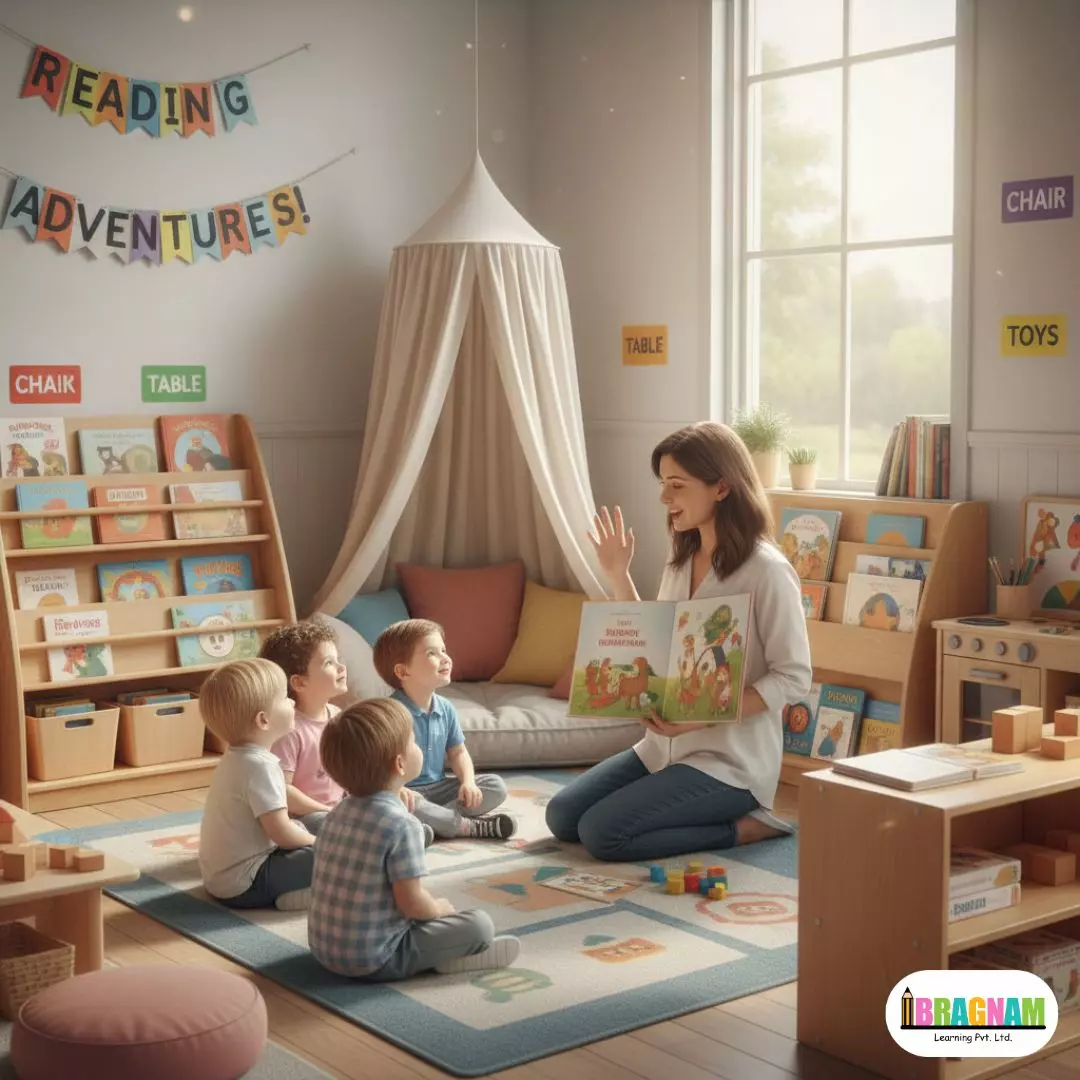
  • Designing cozy reading nooks with cushions, soft lighting, and shelves at child-height.
  • Rotating a diverse range of storybooks, board books, and picture books to maintain fresh appeal.
  • Displaying books in multiple corners to integrate reading into different play zones.

A classroom filled with engaging books fuels exploration and positive associations with reading.

Making Reading a Daily Habit

Consistency is key to building a love for reading. Playschools should:

  • Schedule dedicated storytime every day, beyond just routine lessons.
  • Encourage reading during free play and quiet time, nurturing an association between relaxation and books.
  • Reinforce the message that reading can happen anytime, anywhere—before nap, after snack, or at circle time.

Choosing Engaging and Interactive Books

Not all books intrigue every child, so variety matters. Key points include:

  • Selecting vibrant, age-appropriate books with captivating illustrations.
  • Offering interactive options like lift-the-flap, touch-and-feel, or sound books.
  • Inviting children to choose books based on their own interests—animals, fairy tales, trucks, or adventure stories—boosting motivation and autonomy.

Making Storytime Fun and Participatory

Active involvement turns routine reading into memorable adventures. Playschools can:

  • Use dynamic expressions, gestures, and voices to bring characters to life.
  • Ask questions before, during, and after reading—“Who do you think will help the duckling?” or “What would you do if this happened?”—to stimulate imagination and verbal skills.
  • Act out scenes or encourage drawing and retelling, making storytime multi-sensory.

Integrating Reading into Everyday Activities

The world is full of words waiting to be discovered. Playschools should:

  • Label classroom objects, toys, and cubbies to blend sight words with daily routines.
  • Incorporate books into role-play spaces, like kitchen corners with “recipe” books, or construction zones with picture manuals.
  • Encourage emergent reading—children “reading” familiar books or environmental print (signs, logos)—to build confidence and print awareness.

Being a Reading Role Model

Children emulate the adults around them. Playschool educators and caregivers can:

  • Demonstrate their own love for reading by sharing what they’re enjoying (e.g., “I’m reading a new fairy tale!”).
  • Participate in storytime themselves, not just as teachers but as fellow readers.
  • Celebrate “reading days,” author birthdays, or book sharing events to create community excitement around books.

Limiting Screen Time and Prioritizing Books

In today’s digital age, it’s easy for screens to overshadow books. Playschools can:

  • Create tech-free zones and encourage families to set screen limits at home.
  • Introduce digital books judiciously, using them as occasional supplements—not replacements—for physical book experiences.

Nurturing a Love for Reading Beyond the Classroom

Building a love for reading extends beyond school hours. Playschools can support parents by:

  • Communicating reading tips for home—like sharing bedtime stories, regular library visits, and letting children see their parents read.
  • Sharing book lists, storytelling videos, or simple craft ideas related to favorite stories.
  • Hosting take-home book bags or parent-child reading sessions to bridge classroom and home literacy experiences.

Conclusion

Building a love for reading in playschools is a joyful, shared journey that shapes children’s futures. By creating inviting spaces, choosing engaging stories, modeling positive attitudes, and making reading part of daily life, playschools empower children to see books as lifelong friends. Start building a culture of reading today—and watch every child’s imagination soar.

Frequently Asked Questions (FAQs)

1. Why is it important to build a love for reading in playschools?
Early enjoyment of reading lays the groundwork for academic success, imagination, and lifelong curiosity. Playschools make reading appealing and accessible during children’s formative years.

2. How can teachers make storytime more engaging?
Teachers can use expressive voices, facial expressions, props, and invite children to act out scenes or predict what happens next, making reading a dynamic experience.

3. What types of books work best for young children?
Interactive books—board books, lift-the-flap, touch-and-feel, rhyming stories, and those with colorful illustrations—are ideal for engaging young readers.

4. How can reading be included in everyday activities?
Label classroom items, encourage “reading” environmental print, and involve books in role-play to weave literacy naturally into the day.

5. How should playschools address screen time?
Playschools should set boundaries on device use, advocate tech-free reading zones, and reinforce the value of physical books for comprehension and engagement.

By |2025-12-01T14:16:23+05:3015 November 2025|Blog|

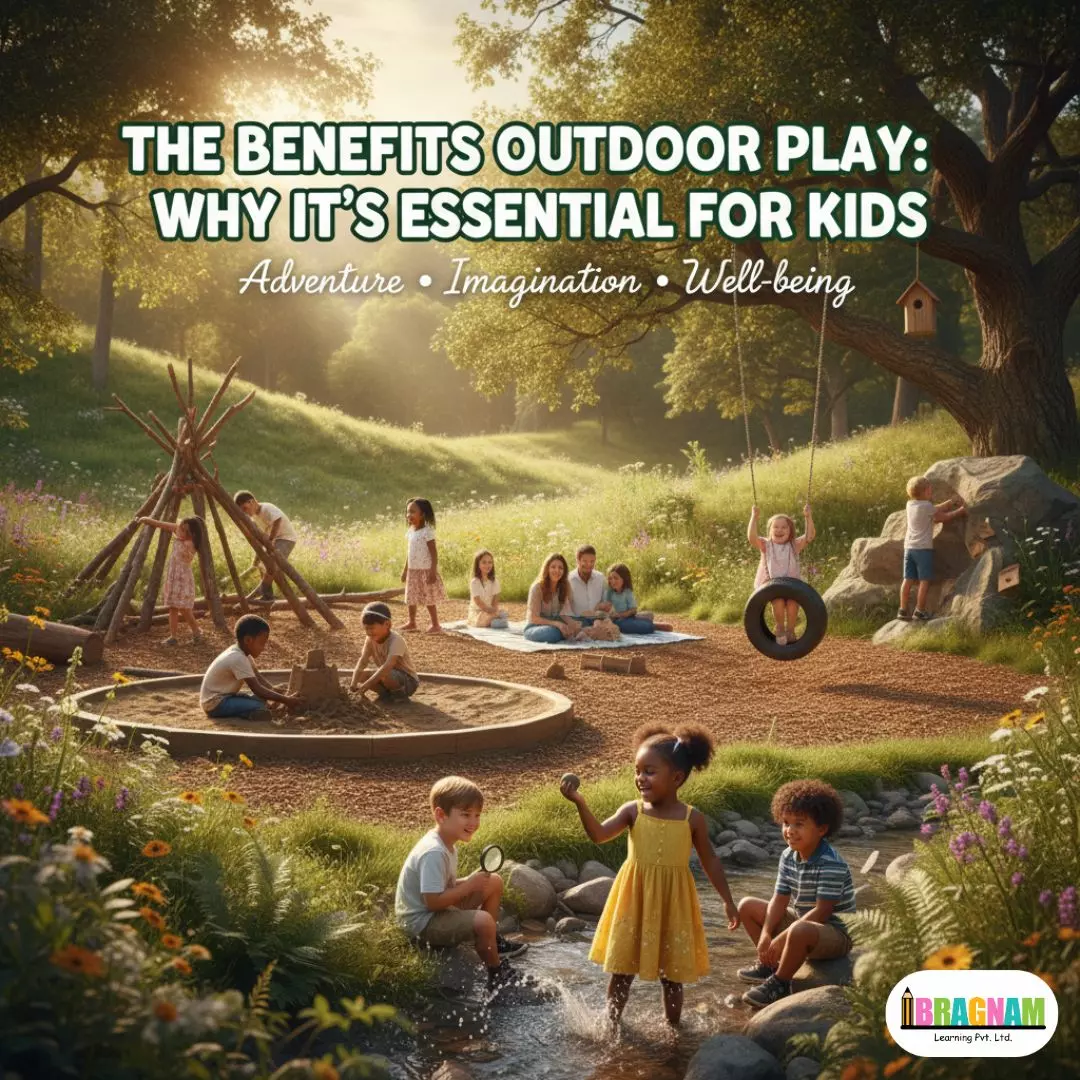
The Benefits of Outdoor Play: why it’s essential for kids

Benefits of outdoor play

Introduction

The benefits of outdoor play for kids go far beyond simple fun—they are essential for healthy development, creativity, and confidence. In today’s digital world, outdoor play offers children unique opportunities to grow physically, emotionally, and socially. This article explores why outdoor play is essential for kids and provides actionable tips to make it a regular part of every child’s life.

Why Outdoor Play Matters

Time spent outside impacts children at every level—from strong bones and muscles to creative problem-solving and social independence. Here’s why it should be a non-negotiable part of every child’s day:

Physical Health Benefits of outdoor play

  • Develops advanced motor skills such as balance, coordination, and agility through activities like running, jumping, and cycling.
  • Strengthens muscles and bones, supporting healthy growth.
  • Reduces childhood obesity risk by encouraging regular physical activity.
  • Improves immune function thanks to fresh air and sunlight, which also helps with Vitamin D production.
  • Promotes better sleep routines through increased physical exertion.

Emotional and Mental Health Benefits of outdoor play

  • Boosts mood and reduces stress, with sunshine and nature having proven calming effects.
  • Supports emotional regulation and resilience, as kids learn to cope with wins and minor falls in a safe setting.
  • Lowers risks of developing mental health issues later in life.
  • Increases self-confidence as children master physical skills at their own pace.

Social and Communication Skills

  • Fosters teamwork, negotiation, and communication through group games and unstructured play.
  • Teaches conflict resolution and sharing in a natural environment.
  • Builds empathy and understanding as kids interact with peers of different ages and backgrounds.

Intellectual and Cognitive Development

  • Boosts curiosity, creativity, and critical thinking as children solve problems and invent games outside.
  • Encourages appreciation for the environment, inspiring questions about nature, seasons, and wildlife.
  • Enhances sensory skills as kids observe, touch, and explore the world around them.

The Importance of Balance: Outdoor vs. Indoor Play

While indoor activities offer their own benefits, outdoor play provides unique opportunities:

AspectIndoor PlayOutdoor Play
Physical HealthLimited movementWhole-body activity, coordination, and strength
Social SkillsFamily or small groupPeer interaction and broader teamwork
Emotional GrowthComfort zone, less riskResilience-building, risk assessment, problem-solving
ImaginationToys, screensNatural elements, creative DIY play

Encouraging Outdoor Play: Practical Tips

Getting kids outside daily is easier than you might think! Consider these strategies:

  • Create a routine: Schedule outdoor playtime just like mealtimes or homework.
  • Lead by example: Take walks, explore parks, or garden together as a family.
  • Offer simple equipment: Balls, jump ropes, or bikes spark creative play but aren’t essential—nature itself is a playground.
  • Invite friends: Group activities can motivate even hesitant kids.
  • Keep it safe: Provide supervision, teach basic safety rules, and ensure age-appropriate challenges.

Conclusion

Outdoor play isn’t just a fun way for children to pass time—it’s a crucial element for their growth, happiness, and well-being. By prioritizing outdoor activities, parents and educators can help nurture resilient, healthy, and well-adjusted kids ready to tackle whatever comes their way. Encourage your child to step outside every day and witness the remarkable benefits unfold.

(FAQ)Frequently Asked Questions about the benefits of outdoor play

Why is outdoor play essential for kids?

Outdoor play supports physical health, emotional well-being, social skills, and creativity, giving kids a foundation for lifelong success.

How much outdoor time do children need each day?

Aim for at least 1–2 hours of outdoor play daily. Even short bursts throughout the day add up and contribute to overall health.

What are some safe outdoor activities for young children?

Simple activities like nature walks, bike rides, ball games, and exploring the backyard or park are safe and beneficial.

How does outdoor play affect academic success?

Active play boosts concentration, memory, and problem-solving skills, which translate into better classroom performance.

What if my child prefers indoor activities?

Gradually introduce outdoor play through family outings, games, or inviting friends along, making sure the experience is fun and pressure-free.

By |2025-11-15T11:54:50+05:3014 November 2025|Blog|

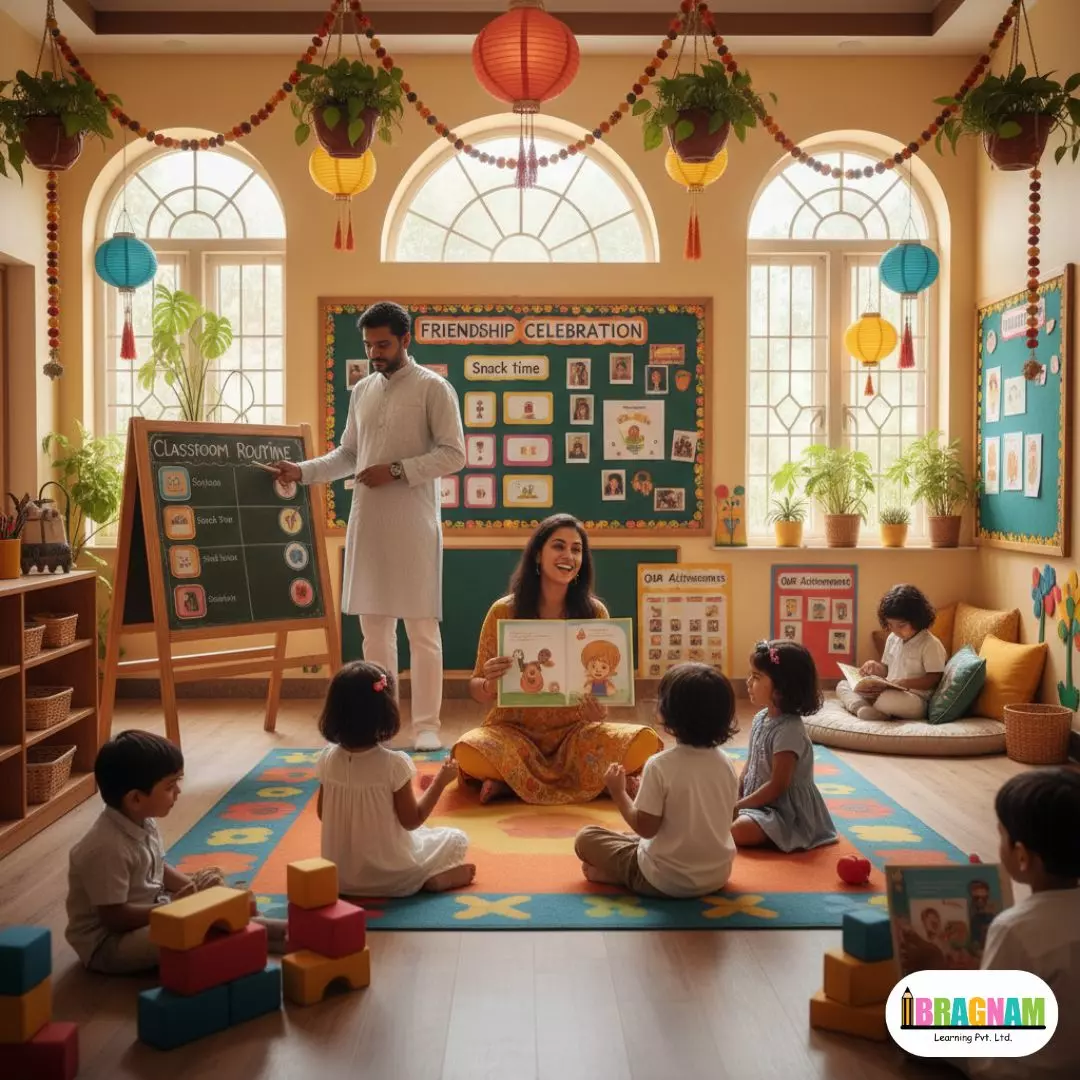
Creating a Positive Classroom Climate: Actionable Tips for Teachers — Bragnam Playschool Franchises

Creating a Positive Classroom Climate: Tips for Teachers

Positive Classroom Climate

Introduction: The Foundation of Happy Learning

Ensuring a positive classroom climate is essential for nurturing young minds in playschools and kindergartens. A positive classroom climate is the cornerstone for academic success, social development, and long-lasting well-being among preschoolers. When teachers foster trust, empathy, and engagement, children feel secure and excited to learn. At Bragnam, our mission is to empower every franchise teacher with easy, actionable strategies to create vibrant, supportive classrooms. This article explores proven tips for teachers so every playgroup child thrives from their very first day.​

Why Classroom Climate Matters

A positive classroom climate influences children’s emotional state, behavior, and learning outcomes. In preschool, the classroom itself acts as a “third teacher”—shaping how children interact, discover, and express themselves. When the climate is welcoming and supportive:

  • Children feel safe and eager to participate.​

  • Relationships flourish among peers and with teachers.​

  • Learning becomes joyful, collaborative, and meaningful.​

Core Principles of a Positive Preschool Environment

Build Trust and Understanding

  • Greet students warmly each day—with a smile, a high-five, or a friendly conversation. This builds a sense of belonging from the moment they enter the classroom.​

  • Share something personal about yourself to help children relate and create bonds.​

  • Listen actively to children—acknowledge their ideas, concerns, and emotions.​

Establish Clear Expectations and Routines

  • Use colorful posters and visual schedules to outline classroom rules and daily routines.​

  • Engage students in the process by letting them help set safety rules and classroom norms—this promotes ownership and cooperation.​

  • Keep routines consistent to help children feel secure, especially during transitions.​

Positive Reinforcement and Encouragement

  • Recognize efforts and good behavior consistently—stickers, praise, or small rewards reinforce positive actions.​

  • Celebrate achievements together, big and small, to boost confidence.​

  • Use positive affirmations to kickstart each day, creating an encouraging culture.​

Facilitate Empathy and Cooperation

  • Model and encourage kindness, sharing, and teamwork through stories, role-play, and group activities.​

  • Organize cooperative games and projects to promote problem-solving and friendship.​

Design an Engaging, Safe Physical Space

  • Organize the classroom with defined learning centers—areas for art, reading, pretend play, and quiet reflection.​

  • Ensure easy access to materials so children can make independent choices.​

  • Display children’s work and celebrations to create a sense of pride and belonging.​

Foster Strong Family Partnerships

  • Maintain clear, friendly communication with families—through daily reports, newsletters, and regular meetings.​

  • Involve families in classroom activities and child progress to create a team approach.​

Actionable Strategies for Teachers

  1. Morning Greetings: Start the day with a personalized hello for every child.

  2. Circle Time Check-Ins: Invite children to share their feelings or thoughts at the start and end of each day.

  3. Behavior Charts and Visual Aids: Use sticker charts and pictures to make rules and routines clear.​

  4. Routine Songs: Play transition songs (e.g. clean-up music) to make routine changes smooth and fun.​

  5. Peer Recognition: Allow children to compliment peers for kindness or helpfulness.

  6. Friendship Wall: Celebrate birthdays, milestones, or kind actions with children’s photos or drawings on display.​

  7. Family Newsletters: Share weekly updates and invite home participation in classroom themes.​

  8. Interactive Learning Centers: Rotate activities tailored to children’s interests to sustain excitement and engagement.

Conclusion: Empower Every Classroom with Bragnam

A positive classroom climate transforms ordinary preschool experiences into extraordinary lifelong learning journeys. Every Bragnam franchise teacher has the power to create a vibrant, engaging, and nurturing space for every child. By building trust, communicating openly, and modeling kindness, together we shape empowered learners ready for the future. Let’s continue making every classroom a joyous, safe haven for curiosity and growth!

Frequently Asked Questions (FAQs)

Q1: Why is a positive classroom climate so important in playschools?
A positive climate helps children build confidence, feel safe, and develop social skills—laying the foundation for lifelong learning and success.​

Q2: How can teachers handle disruptive behavior positively?
Focus on encouraging good behavior through positive reinforcement, gentle redirection, and establishing clear routines rather than punitive measures.​

Q3: What role do families play in classroom climate?
Families who are engaged and informed contribute to a sense of community and consistency for children, enhancing the classroom environment.​

Q4: How can teachers encourage cooperation among young children?
Organize team activities, role-play scenarios for sharing, and model empathy. Recognize and celebrate cooperation.​

Q5: What are quick ways to brighten classroom atmosphere daily?
Greet every child individually, celebrate small achievements, use friendly language, and integrate fun transitions like music or games.​

By |2025-11-13T15:45:16+05:3013 November 2025|Blog|

The Role of Play in Cognitive Development | Bragnam Learning

The Role of Play in Cognitive Development

cognitive development


Introduction

Play is more than just fun and games for young children; it is a critical engine driving their cognitive development. At Bragnam Learning, we understand the powerful role that play holds in shaping children’s thinking, problem-solving, attention, creativity, and learning abilities. This blog explores how play nurtures cognitive growth and why it should be an essential part of every playschool’s curriculum.

Why Play Matters for Cognitive Development

Cognitive development refers to the growth of a child’s ability to think, understand, communicate, remember, and solve problems. Play offers the perfect environment for these skills to flourish naturally and joyfully.

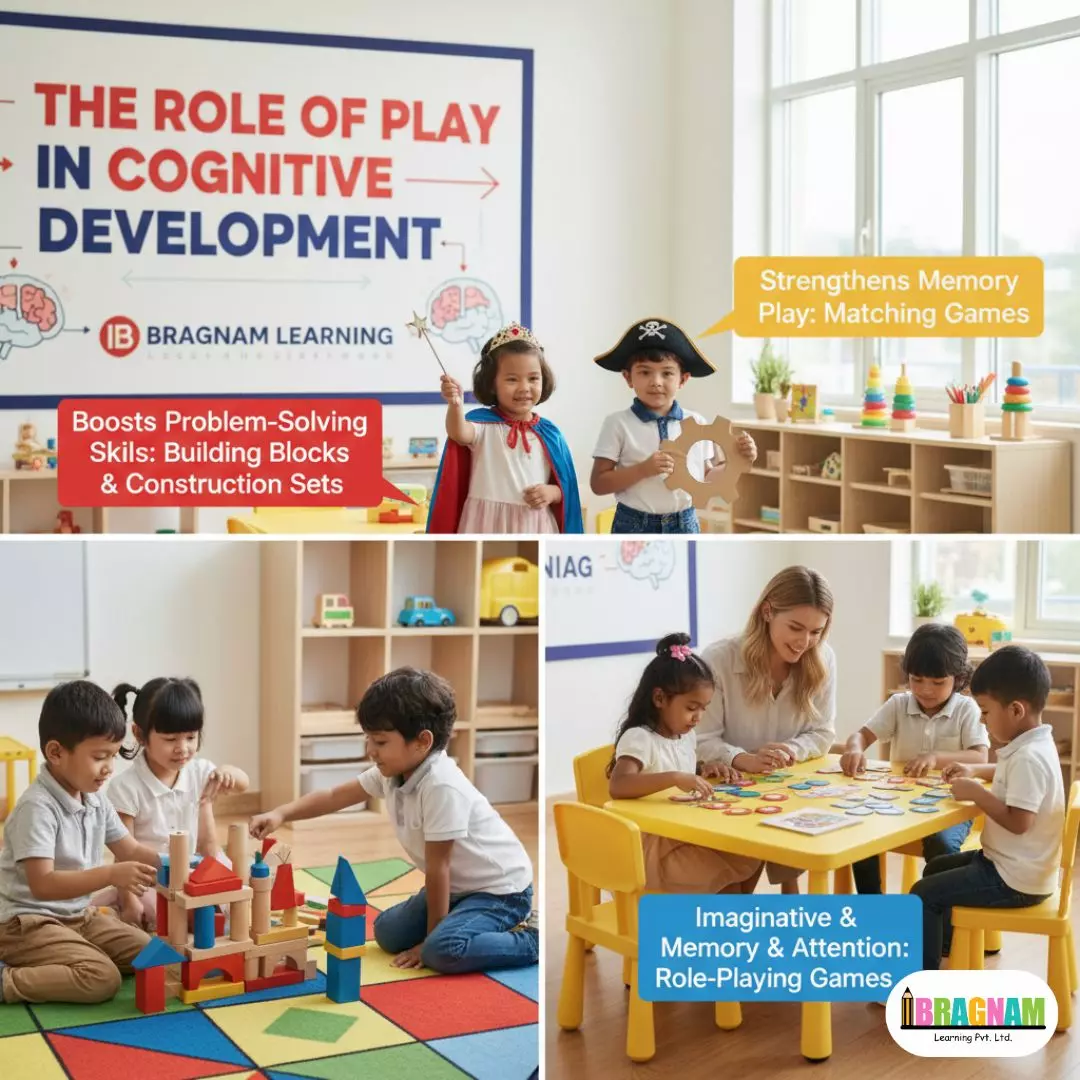
  • Enhances Critical Thinking: Through play, children face challenges that require mental flexibility and decision-making.

  • Boosts Problem-Solving Skills: Puzzles, building blocks, and imaginative scenarios teach children to formulate strategies and experiment with solutions.

  • Fosters Creativity: Imaginative play encourages children to think beyond the obvious and invent new ideas.

  • Strengthens Memory and Attention: Games that require focus and recall help develop working memory and sustained attention span.

  • Develops Executive Functions: Activities like role-playing and strategic games help develop planning, organizing, and self-regulation abilities.

How Play Promotes Cognitive Growth

Imaginative and Pretend Play

Pretend play allows children to use their imagination to explore social roles, experiment with different perspectives, and solve complex problems within a safe, flexible framework. This type of play enhances critical thinking and creativity.

Problem-Solving and Exploration

Whether building with blocks or navigating obstacle courses, play encourages active exploration and experimentation. Children learn cause-and-effect relationships and develop spatial awareness, all while having fun.

Social Interaction During Play

Collaborative games and group play foster communication skills, cooperation, and perspective-taking, which are crucial components of cognitive and emotional development.

Physical Play and Brain Development

Outdoor and physical play positively impact brain regions like the hippocampus, improving memory and attention capabilities. Fine and gross motor skills developed through play also support cognitive processes.

Practical Play Activities for Cognitive Development

Here are some play activities that promote cognitive growth:

  1. Building Blocks and Construction Sets: Encourage spatial thinking and problem-solving.

  2. Role-Playing Games: Boost creativity, language, and social understanding.

  3. Memory and Matching Games: Enhance focus and working memory.

  4. Puzzle Solving: Develop reasoning and critical thinking.

  5. Outdoor Exploration: Stimulate curiosity and observational skills.

Conclusion

Play is essential for nurturing cognitive skills in early childhood. It provides children with the freedom to explore, imagine, and solve problems, equipping them with critical thinking and lifelong learning abilities. At Bragnam Learning, we are committed to integrating meaningful play experiences into our playschool curriculum, ensuring every child thrives cognitively while having fun.

FAQ

Q1: How does play improve a child’s brain function?
Play stimulates various brain areas by encouraging problem-solving, creativity, and memory, resulting in stronger neural connections and better cognitive abilities.

Q2: What types of play are best for cognitive development?
Imaginative play, problem-solving games, physical play, and social interactive play all contribute uniquely to developing different cognitive skills.

Q3: How often should children engage in play for optimal cognitive benefits?
Daily playtime, both structured and unstructured, is ideal to support continuous cognitive growth.

Q4: Can digital play support cognitive development?
When used appropriately, educational games and apps can complement traditional play but should not replace physical and social play experiences.

Q5: How can teachers and parents encourage play that supports learning?
By providing diverse, age-appropriate materials, encouraging exploration, and participating in play, adults can create enriching environments that foster cognitive development.

By |2025-11-13T14:48:42+05:3013 November 2025|Blog|

Children’s Day: Meaning, Activities, and Celebration Tips for Playschools

Children’s Day: Honoring Young Hearts and Bright Futures

Children’s Day

Introduction: Celebrating the Joy of Childhood

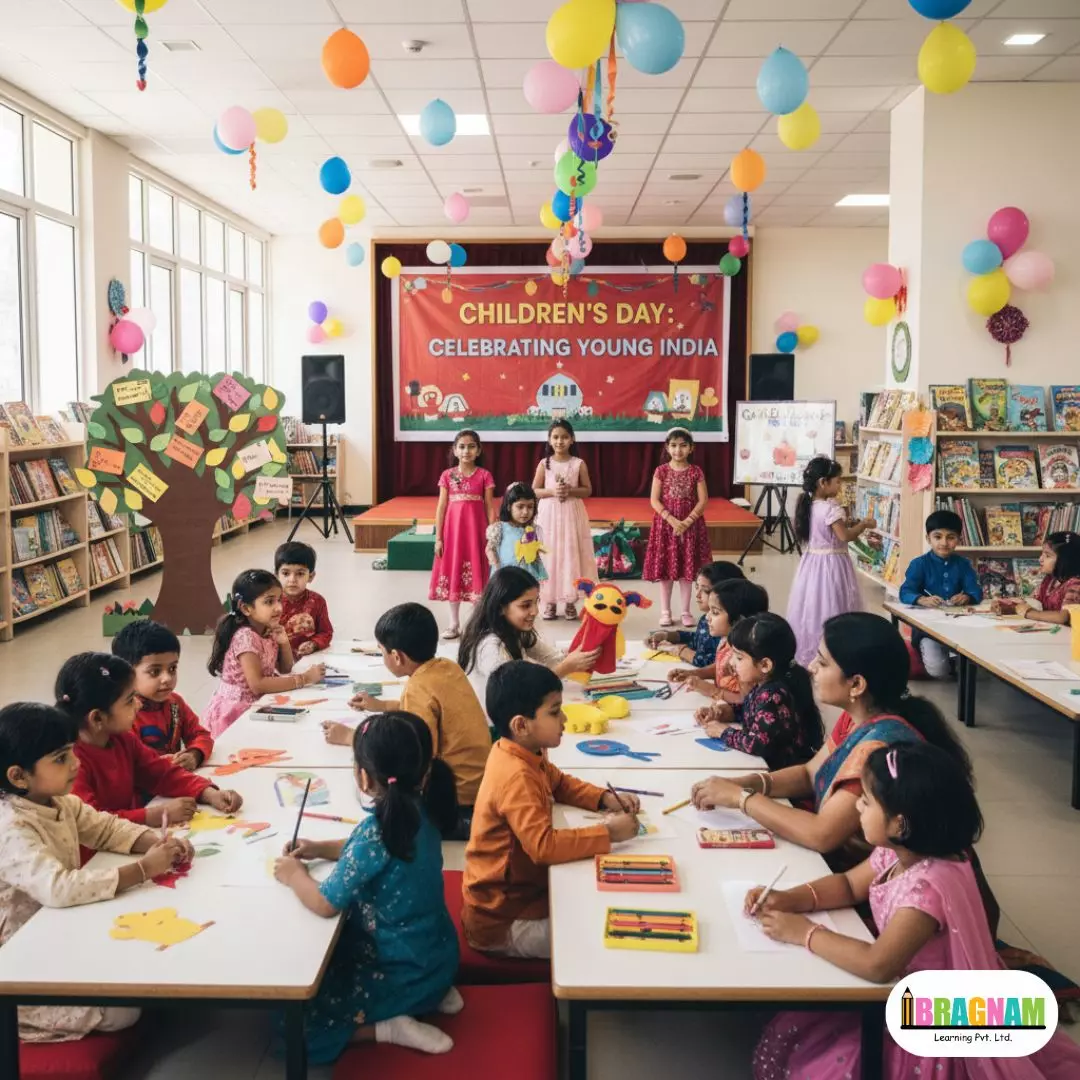
Children’s Day, observed every year on November 14 in India, is more than a celebration—it’s a heartfelt tribute to the energy, innocence, and potential of young minds. Rooted in the birth anniversary of Pandit Jawaharlal Nehru, our first Prime Minister, Children’s Day reminds us that the way we nurture children today shapes the future we want to see. Schools, parents, and communities come together to craft memorable experiences that not only bring joy but also foster values, education, and creativity.

Why Do We Celebrate Children’s Day?

The Legacy of “Chacha Nehru”

Pandit Jawaharlal Nehru was fondly known as “Chacha Nehru” due to his deep affection for children. He believed that children represented hope for a brighter tomorrow, famously saying, “Today’s children will make the India of tomorrow.” Commemorating his birthday on November 14 serves as a gentle reminder of the importance of nurturing young minds through love, learning, and play.

Promoting Education and Well-being

Children’s Day is dedicated to raising awareness about children’s rights, welfare, and education. On this day, schools organize events that not only entertain but also impart important lessons about kindness, respect, safety, and the value of every child’s unique abilities.

Fun Ideas to Celebrate Children’s Day in Playschools and Homes

Indoor Activities

  • Storytelling Sessions: Share fairy tales, folk stories, or inspirational childhood anecdotes. Use puppets, costumes, or role-play to make the experience interactive.​

  • Art and Craft Workshops: Set up creative corners for making greeting cards, paper flowers, animal masks, or drawing their “dream world.” Display their artwork in an exhibition for parents to admire.​

  • Movie Time: Organize movie screenings of child-friendly films to create a mini-cinema experience—complete with popcorn and cushions.​

  • Theme-Based Costume Parties: Let kids dress up as superheroes, favorite animals, or future professionals, fostering imagination and confidence.​

Outdoor Activities

  • Games and Sports: Enjoy sack races, relay races, musical chairs, and treasure hunts to promote teamwork and healthy competition.​

  • Music and Dance Party: Play lively and age-appropriate music for a memorable dance session or a freeze-dance contest.​

  • Talent Show: Let children shine by singing, dancing, reciting poems, or performing magic tricks and jokes.​

Social Awareness and Kindness

  • Kindness Tree: Each child writes a good deed they did or plan to do and hangs it on a “kindness tree,” promoting empathy and positive behavior.​

  • Community Service Drive: Older children can participate in donation campaigns, distributing sweets or books to underprivileged peers, teaching social responsibility.​

Creative Classroom and Home Decorations

  • Use balloons, handmade posters, and banners to make the environment festive.​

  • Arrange special snacks or potlucks featuring children’s favorite treats.​

  • Decorate reading corners and set up book fairs with colorful comics and activity books to encourage reading.​

The Significance of Play and Creativity

Celebrating Children’s Day with arts, sports, and imaginative play boosts cognitive and emotional development. Participation in creative activities equips children with vital skills: problem-solving, communication, teamwork, and resilience. It’s equally important to balance fun with learning to create experiences that shape their personalities and build enduring memories.​

How Playschools Can Make the Most of Children’s Day

  • Organize a parent-and-child workshop on a chosen theme for collaborative learning.

  • Set up talent showcases to celebrate every child’s unique strengths.

  • Encourage self-expression through themed art exhibitions or music sessions.

  • Display children’s work in newsletters or social media to boost their confidence.

Conclusion: A Brighter Tomorrow Starts Today

Children’s Day is more than festivities—it’s about building the foundation for healthy, creative, and compassionate individuals who will shape our future. By celebrating their curiosity, creativity, and spirit, we empower children to dream big and thrive. This November 14th, let’s make every child feel special and valued, inside and outside the classroom.

Frequently Asked Questions (FAQ) – Children’s Day

1. Why is Children’s Day celebrated on November 14 in India?

Children’s Day marks the birth anniversary of Pandit Jawaharlal Nehru, India’s first Prime Minister, honoring his love and vision for children.​

2. What are the best activities for Children’s Day in playschools?

Activities such as storytelling, art and craft, costume competitions, outdoor games, and talent shows create fun-filled learning experiences.​

3. How does Children’s Day benefit child development?

Children’s Day helps foster creativity, teamwork, empathy, and confidence while strengthening the bond between educators, parents, and children.​

4. Can Children’s Day celebrations be educational?

Absolutely! Integrating values through stories, mock parliaments, book fairs, and kindness activities ensures that the celebration is both enjoyable and enriching.​

5. What should be included in a Children’s Day event plan for schools?

Include a mix of indoor/outdoor games, creative workshops, music/dance, talent showcases, and community service for a well-rounded experience.

By |2025-11-11T13:48:58+05:3011 November 2025|Blog|
Go to Top