Bhai Dooj 2025 Celebration: A Festival of Love, Bond, and Togetherness at Bragnam
By |2025-10-22T17:05:17+05:3022 October 2025|Blog|

Celebrating Bhai Dooj: A Festival of Love, Bond, and Togetherness at Bragnam

Bhai Dooj

The vibrant festival season in India concludes beautifully with Bhai Dooj, a celebration that highlights one of the purest bonds in human relationships — the bond between brothers and sisters. As we at Bragnam Learning Pvt. Ltd. extend our heartfelt greetings to all our playschool franchise partners, we take this opportunity to reflect on the deeper message that Bhai Dooj brings: love, protection, and lifelong companionship.

At Bragnam, where nurturing young minds is our mission, we find immense relevance in celebrating such festivals that teach values of affection, empathy, and family unity — the very qualities that help children become compassionate individuals.

The Essence of Bhai Dooj

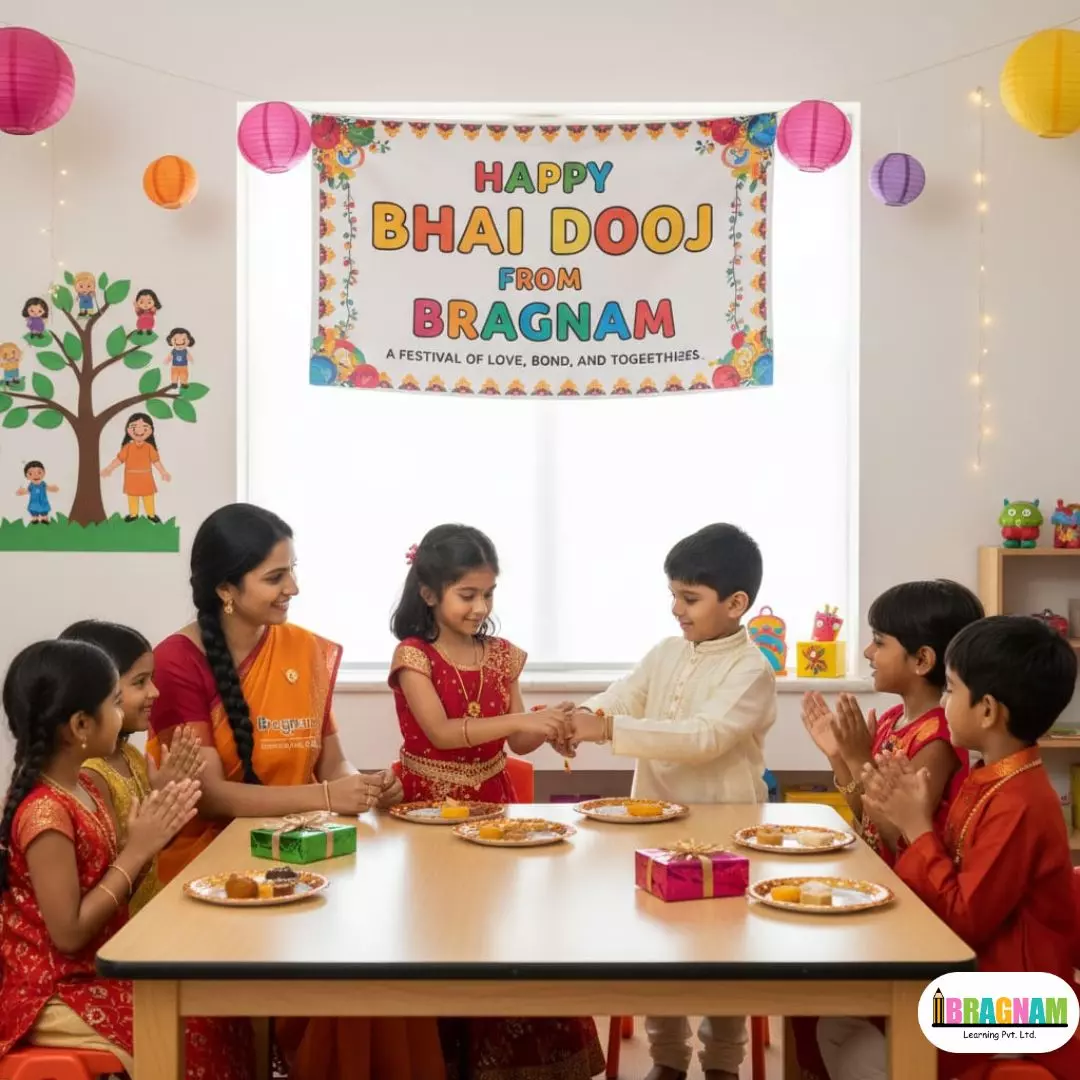
Bhai Dooj, also known as Bhau Beej or Bhai Tika in different parts of India, follows just after Diwali. On this day, sisters pray for the long life, happiness, and prosperity of their brothers by applying a ceremonial tilak on their foreheads. In return, brothers pledge to protect their sisters and share tokens of love.

The spirit of Bhai Dooj goes beyond rituals — it teaches kindness, care, and the importance of cherishing relationships. These emotional values directly connect with early childhood education, as children begin to form their understanding of love, trust, and belonging through such traditions.

Why Bhai Dooj Matters in Preschool Education

Festivals offer wonderful learning moments for preschoolers. They engage not just the creative side of a child but also strengthen social and moral development. Bhai Dooj, in particular, provides opportunities to:

  • Teach family bonding: Through simple stories or classroom conversations, teachers can help children understand the protective and loving bond between siblings.

  • Encourage sharing and caring: Small classroom activities like handmade cards, drawing pictures of siblings, or singing songs about family togetherness promote emotional expression.

  • Build cultural awareness: Celebrating Indian festivals helps children appreciate our diverse traditions and instills respect for cultural values from a young age.

Franchise educators can use Bhai Dooj to create memorable classroom experiences — perhaps a “Siblings Day” theme or “Family Portrait” art activity — to engage parents and children alike.

Bragnam’s Vision: Learning with Love

At Bragnam Learning Pvt. Ltd., our educational philosophy goes beyond academics. We believe values like empathy, unity, and kindness form the foundation of holistic growth. The festive season, especially Bhai Dooj, reminds us that education is not just about numbers and letters but also about nurturing hearts and relationships.

Each of our partner preschools plays a vital role in translating this philosophy into meaningful experiences for children. The warm and caring environments you create help strengthen the emotional well-being of every child, much like the love shared between siblings on Bhai Dooj.

A Heartfelt Message to Our Franchises

As we celebrate this joyous occasion, we thank our entire Bragnam family — our franchise partners, teachers, staff members, and parents — for being a part of this journey of growth and learning. Your continued trust and dedication make our network stronger, just like the bond Bhai Dooj celebrates.

May this Bhai Dooj bring happiness, harmony, and prosperity to every Bragnam center across India. Let’s keep spreading love and learning in the most joyful ways possible.

Happy Bhai Dooj from Bragnam Learning Pvt. Ltd.!
May the sacred bond of affection continue to inspire nurturing relationships and compassionate education in all our classrooms.
Which is Better Montessori or Regular School? Expert Guide for Parents (2025)

By |2025-10-22T10:56:07+05:3022 October 2025|Blog|

Montessori or Regular School? Which is Better

Montessori or regular school 2

When parents begin searching for the best early education system for their child, one clear question arises—which is better Montessori or regular school? This question is more than just a comparison between two schooling methods; it’s about understanding how each approach impacts your child’s foundational learning, social development, and lifelong attitude toward education.

Choosing between Montessori and a regular school can feel overwhelming. Both have their unique advantages, approaches, and philosophies. To make an informed decision, let’s explore how each system works and what makes one better suited for your child than the other.

Understanding the Montessori Method

Before you decide which is better Montessori or regular school, it’s important to know what the Montessori system stands for. Established by Dr. Maria Montessori over a century ago, this approach emphasizes child-led learning. In Montessori classrooms, children learn at their own pace through hands-on activities using specially designed materials.

There is minimal traditional instruction or rote memorization. Instead, children explore concepts through real-life experiences, fostering independence and curiosity. Activities are self-corrective—allowing kids to learn from their mistakes without constant adult intervention. Teachers act as guides rather than lecturers, ensuring that every child’s learning style is respected.

Key features of Montessori education:

  • Child-centric and curiosity-driven learning environment

  • Mixed-age classrooms to promote peer learning

  • Hands-on materials that enhance sensory development

  • Focus on independence and self-discipline

  • No competitive grading system

This method is scientifically proven to help children develop concentration, coordination, creativity, and confidence—qualities essential for lifelong success.

How a Regular School Works

To fairly answer which is better Montessori or regular school, we must understand the conventional or regular school model. Regular schools follow a structured syllabus where children of the same age learn similar subjects at the same pace. The teacher is the central figure who instructs the class, assigns homework, and evaluates students through tests and grades.

Regular schools are highly standardized, focusing on literacy, numeracy, and discipline from an early age. The emphasis is on academic achievements and social conformity, preparing students for higher education and competitive exams.

Highlights of regular schooling:

  • Fixed curriculum and uniform teaching methods

  • Teacher-led instruction

  • Standardized grading and examinations

  • Focus on academic knowledge and discipline

  • Group learning with same-age peers

While regular schools promote consistency and measurable progress, they may sometimes overlook individual learning speeds or creativity.

Comparing Montessori vs Regular School

Now let’s address the core question: which is better Montessori or regular school? The answer often depends on your child’s personality, learning style, and your long-term goals for their development.

AspectMontessoriRegular School
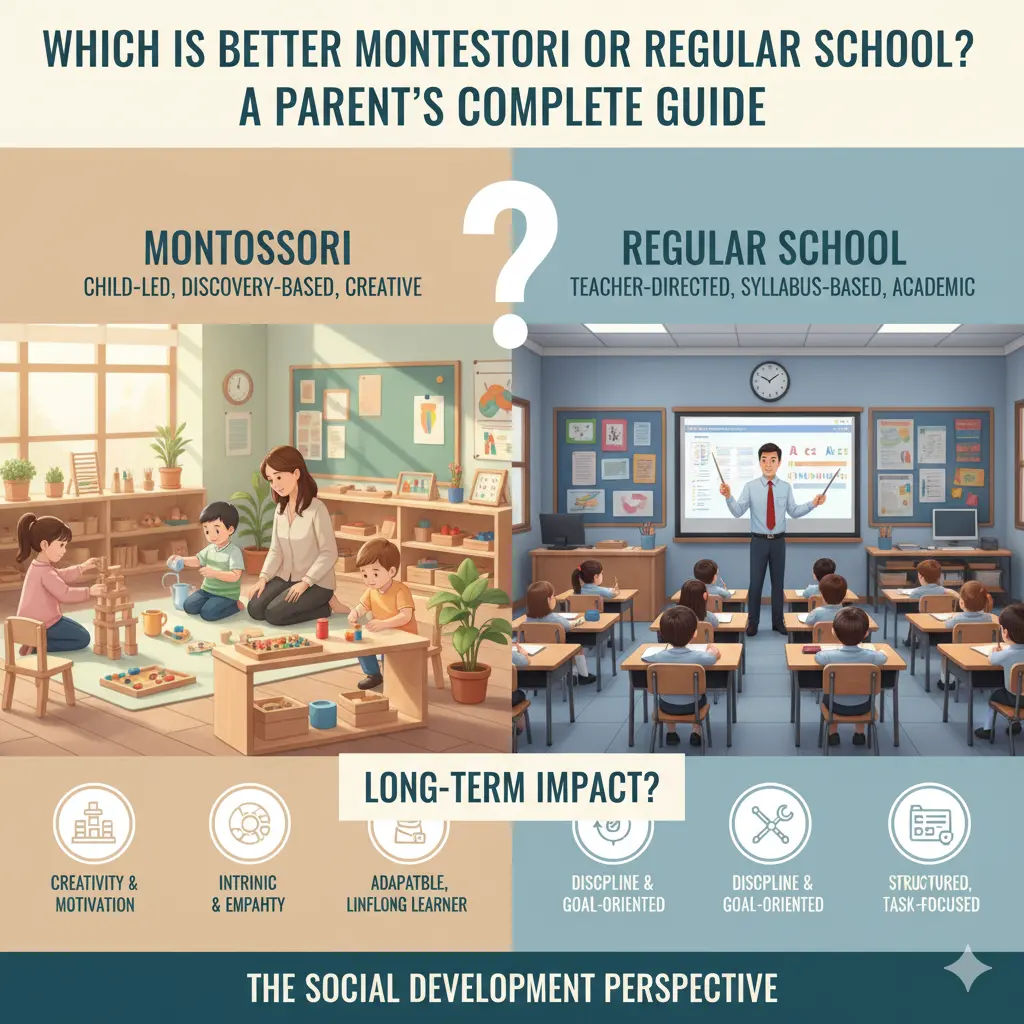
Learning styleSelf-paced, discovery-basedTeacher-directed, syllabus-based
FocusIndependence and curiosityKnowledge and discipline
AssessmentContinuous observationTests and grades
PaceIndividualizedSame for all students
CreativityEncouraged naturallySometimes limited by structure
Teacher’s roleGuide or facilitatorInstructor
Classroom environmentMixed-age, collaborativeAge-segregated, competitive

Each system has its merits. Montessori methods foster independence, creativity, and emotional maturity, while regular schools emphasize order, deadlines, and academic rigor—essential traits for later stages of education.

Which System Suits Your Child Best?

Parents often ask which is better Montessori or regular school for their child’s personality and future success. The truth is that the right choice depends on what kind of learner your child is.

If your child is naturally curious, enjoys exploring, and loves learning through real-world experiences, Montessori might be the ideal start. Children who thrive with freedom, creativity, and movement flourish in an environment where they can choose their activities and learn through discovery.

However, if your child prefers structure, guidance, and consistent patterns in learning, a regular school might be more suitable. Traditional schooling builds a strong academic foundation, introduces children to competition, and prepares them for standardized educational pathways.

Parents should also consider long-term compatibility. Montessori preschoolers often transition smoothly into primary education due to their strong sense of responsibility and problem-solving skills, even though the shift to a more structured environment may take some time.

The Social Development Perspective

When deciding which is better Montessori or regular school, social interaction plays a vital role. Montessori promotes multi-age learning, helping younger students learn from older ones and enabling older students to develop leadership skills. This nurtures empathy, cooperation, and mutual respect.

In regular schools, children learn with same-age peers, which fosters direct friendship bonds and age-appropriate competition. They experience teamwork in structured settings such as sports and group projects. Both models contribute to social development, but in distinct ways—Montessori focuses on collaboration, while regular schools build competitiveness and endurance.

The Long-Term Impact

Parents choose early education not just for short-term progress but for lifelong benefits. While analyzing which is better Montessori or regular school, we must look at how learning habits evolve over time.

Montessori-educated children often retain curiosity and intrinsic motivation for learning. They are self-disciplined, creative thinkers who adapt easily to new environments. Regular school students, on the other hand, become skilled at following rules, completing tasks under deadlines, and performing well under structured expectations—all necessary traits for formal academics.

Both systems ultimately aim for the same goal: preparing children to be capable, confident, and compassionate individuals. It’s just that Montessori focuses on developing the process of learning, while regular schools emphasize results and outcomes.

Final Thoughts

As we reach the end of our discussion on which is better Montessori or regular school, it’s evident that there is no one-size-fits-all answer. Both systems offer valuable experiences that shape a child’s growth differently. Montessori nurtures curiosity, independence, and creativity from the ground up, making learning a joyful experience. Regular schools provide a structured, performance-oriented path that prepares children for formal education and the competitive world ahead.

Ultimately, parents should base their choice on their child’s temperament and the values they want to instill early on. Observing your child’s natural preferences and discussing them with teachers can help you make a confident decision.

The real question isn’t simply which is better Montessori or regular school, but which environment will help your child love learning and become the best version of themselves.

Why Activities Matter in Early Childhood | Bragnam Playschools

By |2025-10-16T12:01:49+05:3016 October 2025|Blog|

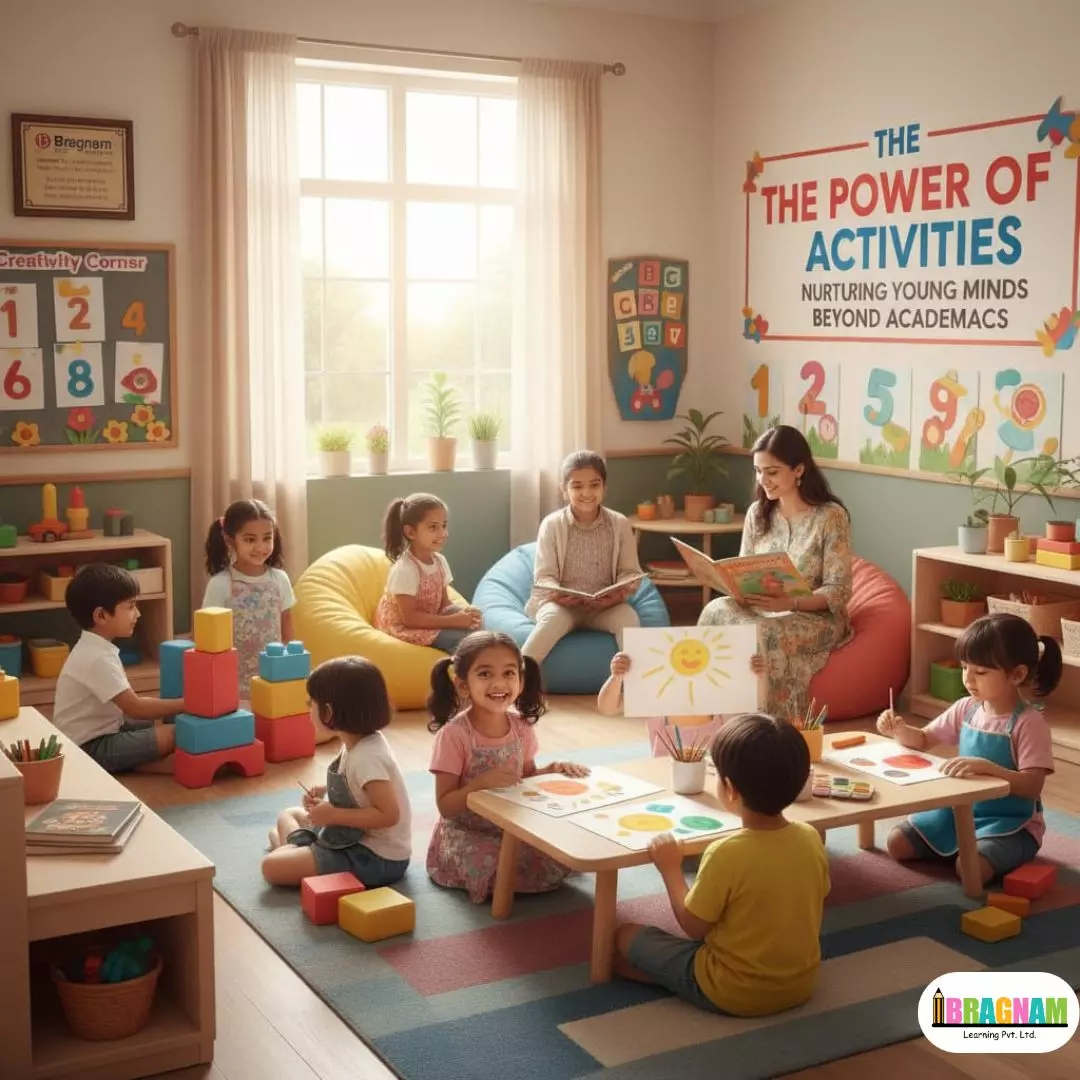
The Power of Activities: Nurturing Young Minds Beyond Academics

Activities

At Bragnam Learning Pvt Ltd, we believe that the true essence of education goes beyond books and classrooms. For playschool children, every day is a new opportunity to explore, create, and discover the joy of learning through activities. Just as education lays the foundation of knowledge, purposeful activities build the pillars of creativity, confidence, and character.

In our network of Bragnam Playschools across India, we have always emphasized the perfect blend of structured learning and playful engagement. Activities are not just fun breaks—they are powerful tools that help shape young learners into holistic individuals.

Why Activities Are as Important as Education

The early years of a child’s life are filled with curiosity and boundless energy. When this energy is channelized through well-planned activities, children not only grasp concepts faster but also develop essential life skills. Activities make learning tangible and meaningful.

Through group tasks, games, and hands-on experiences, children learn teamwork, patience, and empathy. Their fine motor and cognitive skills grow beautifully when they draw, build, dance, sing, or engage in story sessions. Academic concepts like numbers, shapes, and language are better understood when they are woven into playful exercises.

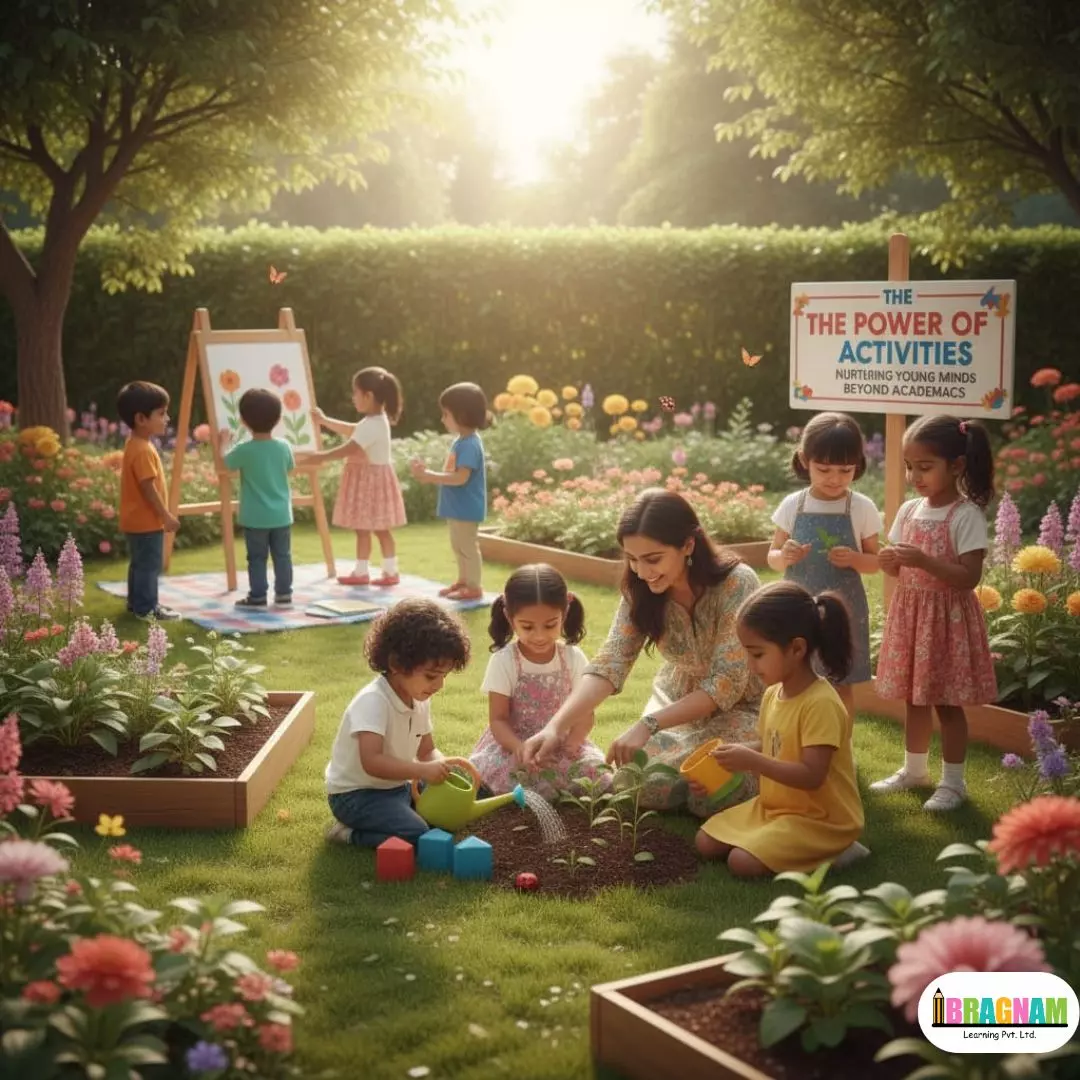
At Bragnam, our curriculum ensures that learning is not confined within four walls. Activities like gardening, craft making, and theme-based celebrations make education exciting and relatable. They open young minds to new ways of expressing ideas and emotions.

Physical and Emotional Growth Through Activities

Play and movement are crucial in early childhood. Physical activities such as yoga, free play, or outdoor games not only improve body coordination but also boost brain development. They encourage a sense of discipline and confidence.

Similarly, art and music sessions nurture emotional growth. They give children safe spaces to express feelings, deal with challenges, and build self-esteem. These experiences lay the groundwork for emotional intelligence—an essential skill for lifelong success.

Our franchise playschools have witnessed that children who participate actively in daily classroom activities tend to adapt better socially and perform well academically. This balance ensures they grow into well-rounded learners, not just high scorers.

Building a Culture of Activity-Based Learning

Every Bragnam franchise partner plays a vital role in keeping activity-based learning alive. By organizing creative corners, activity days, and child-led projects, our centers bring joy into each child’s day. Teachers act as guides who observe, inspire, and encourage children to explore freely.

At Bragnam, we provide our partners with continuous curriculum support, activity planners, and celebration ideas that align with our educational philosophy. Our goal is to create environments where every child learns by doing — whether it’s through storytelling, science experiments, or seasonal festivities like Diwali and Christmas craft sessions.

A Message to Our Franchise Partners

Dear Bragnam Family,
Let us continue prioritizing activities with the same importance as academics. Remember, a child who paints today learns to imagine; a child who builds blocks today learns to plan; and a child who plays in groups learns to cooperate. Each playful moment contributes to their overall personality development.

As we move ahead, let’s strengthen our commitment to creating vibrant classrooms that celebrate learning in all forms. At Bragnam, our shared vision is to nurture confident, curious, and compassionate learners. With every activity we organize and every smile we nurture, we move one step closer to shaping India’s bright tomorrow.

Together, let us keep learning joyful—because for every young mind, activity is not a break from education; it is education in its most natural form.

Activities

History of Dhanteras, Diwali and Govardhan Puja | Bragnam Preschool Celebrations

By |2025-10-15T11:00:02+05:3015 October 2025|Blog|

Illuminating Traditions: The History of Dhanteras, Diwali, and Govardhan Puja

Dhanteras

India’s festive season arrives each autumn with a symphony of lights, prayers, and family bonds. Among its most cherished festivals are Dhanteras, Diwali, and Govardhan Puja — celebrations that embody prosperity, devotion, and gratitude. At Bragnam Preschools, we believe festivals are beautiful stories that teach our children cultural roots and moral values. Let’s explore the historical significance and timeless lessons behind these radiant Indian festivals.

The Golden Beginning: History of Dhanteras

The festive week begins with Dhanteras, the day dedicated to wealth and wellness. “Dhan” translates to wealth, and “Teras” means the thirteenth day of the lunar fortnight. This day holds a special connection with Lord Dhanvantari, the divine physician known as the father of Ayurveda. According to ancient scriptures, Lord Dhanvantari emerged from the ocean during the cosmic event of Samudra Manthan, carrying a pot of Amrita (nectar) — symbolizing health and longevity.

On Dhanteras, families clean and decorate their homes, purchase gold, silver, or utensils as tokens of prosperity, and light lamps to welcome divine blessings. Beyond material wealth, this day reminds us to uphold physical well-being and inner abundance. At Bragnam, we often encourage children to make small “health charts” or drawings inspired by Dhanteras, teaching them that true wealth begins with a healthy body and mind.

The Festival of Lights: Diwali’s Historical Roots

Diwali, or Deepavali, meaning “a row of lights,” is celebrated over five days with immense joy across India. The festival marks the victorious return of Lord Rama to Ayodhya after 14 years of exile and his triumph over Ravana. The citizens of Ayodhya lit oil lamps throughout the city to welcome their beloved king, symbolizing the triumph of good over evil and light over darkness.

But Diwali is not limited to one legend. In different parts of India, this festival carries unique significance:

  • In Gujarat, it commemorates Goddess Lakshmi, the deity of wealth.

  • In Bengal, people worship Goddess Kali, representing power and destruction of ignorance.

  • In northern regions, families honor Lord Rama’s victory, while southern traditions relate Diwali to Lord Krishna’s triumph over Narakasura.

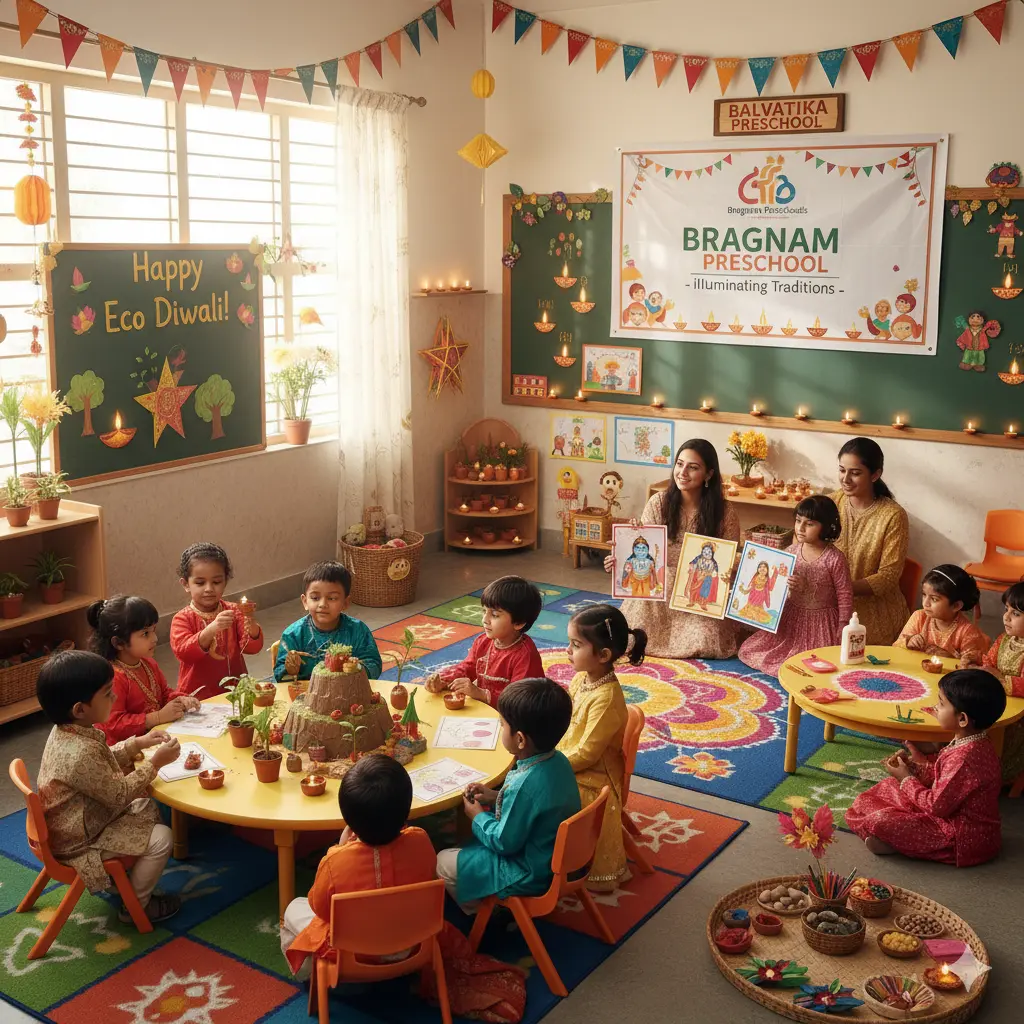
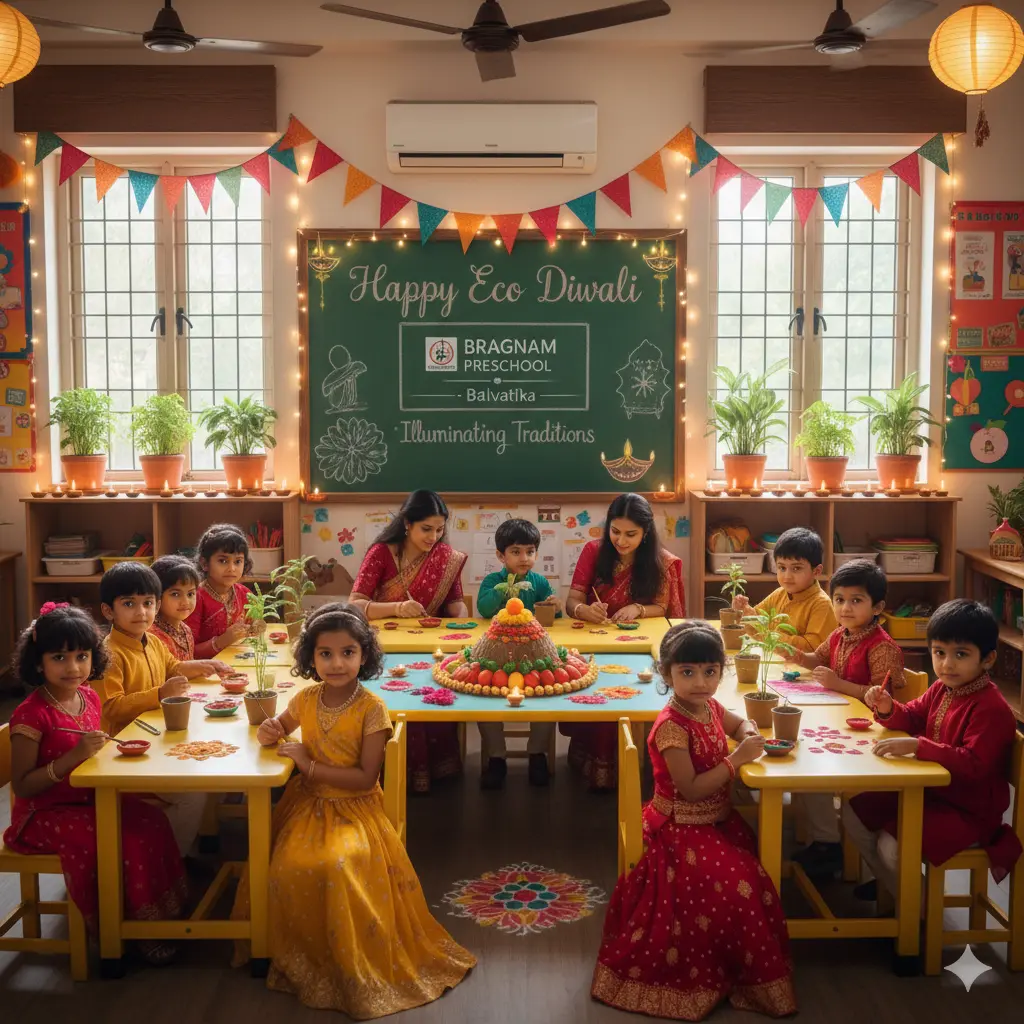
At Bragnam Playschools, Diwali celebrations begin with storytelling sessions where teachers narrate the epic tales of courage and virtue. Children craft colorful diyas, paper lanterns, and rangolis, learning the essence of faith, happiness, and family unity. Through these creative activities, little learners experience how Diwali’s glow is not just about lamps but also about lighting hearts with kindness.

The Day of Gratitude: Govardhan Puja

Immediately after Diwali comes Govardhan Puja, also known as Annakoot, celebrated to honor Lord Krishna’s act of protecting the residents of Vrindavan from a torrential storm. The story unfolds when the people began worshipping Lord Indra, the god of rain. Krishna gently advised them to worship Govardhan Hill, which nourished them through its natural bounty. Angered, Indra unleashed a storm, and Krishna lifted the entire Govardhan Hill on his little finger, sheltering his devotees beneath it until the storm ceased.

Govardhan Puja thus teaches gratitude and humility — reminding everyone to respect nature and remain thankful for nourishment and protection. In many temples, devotees create a symbolic hill using food grains, sweets, and vegetables, offering it to Krishna. The day also marks the bond between humans, nature, and divine grace.

In Bragnam centers, this festival becomes an opportunity to teach eco-consciousness. Children engage in “Nature Appreciation” activities — coloring pictures of hills and forests or planting a small seed to understand the importance of caring for the environment that sustains us.

Festivals that Teach Life Values

Together, Dhanteras, Diwali, and Govardhan Puja form a continuum of human virtues — health, joy, and gratitude. These aren’t just days of ritual but milestones of moral education. For preschoolers, these celebrations nurture emotional intelligence and moral understanding from a tender age. The rhythmic sound of bells, the glow of diyas, and the laughter in classrooms echo lessons in harmony, sharing, and hope.

At Bragnam, festivals are woven into our curriculum not merely as holidays but as cultural experiences. Activities such as diya painting, storytelling, and music sessions encourage children to value tradition while fostering creativity. When they understand why their families light lamps or share sweets, they inherit more than customs – they inherit India’s timeless spirit of togetherness.

Celebrating with Bragnam Across India

Every Bragnam Preschool celebrates these festivals with unique regional flair. Teachers narrate mythological tales in language children can understand, helping them connect history with real-life kindness. Parents often participate in festive decorations and share local stories. The shared laughter and learning make every Bragnam center shine with Diwali’s joy, Dhanteras’ prosperity, and Govardhan’s gratitude.

As lights illuminate homes across India, let us remind our children that the brightest light is the one that glows within — nurtured by goodness, culture, and love. Diwali

Why Are They Called Kindergarten? | Meaning, Origin & Importance – Bragnam Learning Pvt Ltd

By |2025-10-14T10:34:26+05:3014 October 2025|Blog|

Why Are They Called Kindergarten? The Fascinating Story Behind the Word

Why Are They Called Kindergarten

Have you ever wondered why we call the early years of schooling Kindergarten and not something like “child school” or “early learners’ class”?
The term sounds unique—almost musical—and it has a deep, meaningful origin that connects beautifully with how young children grow and learn.

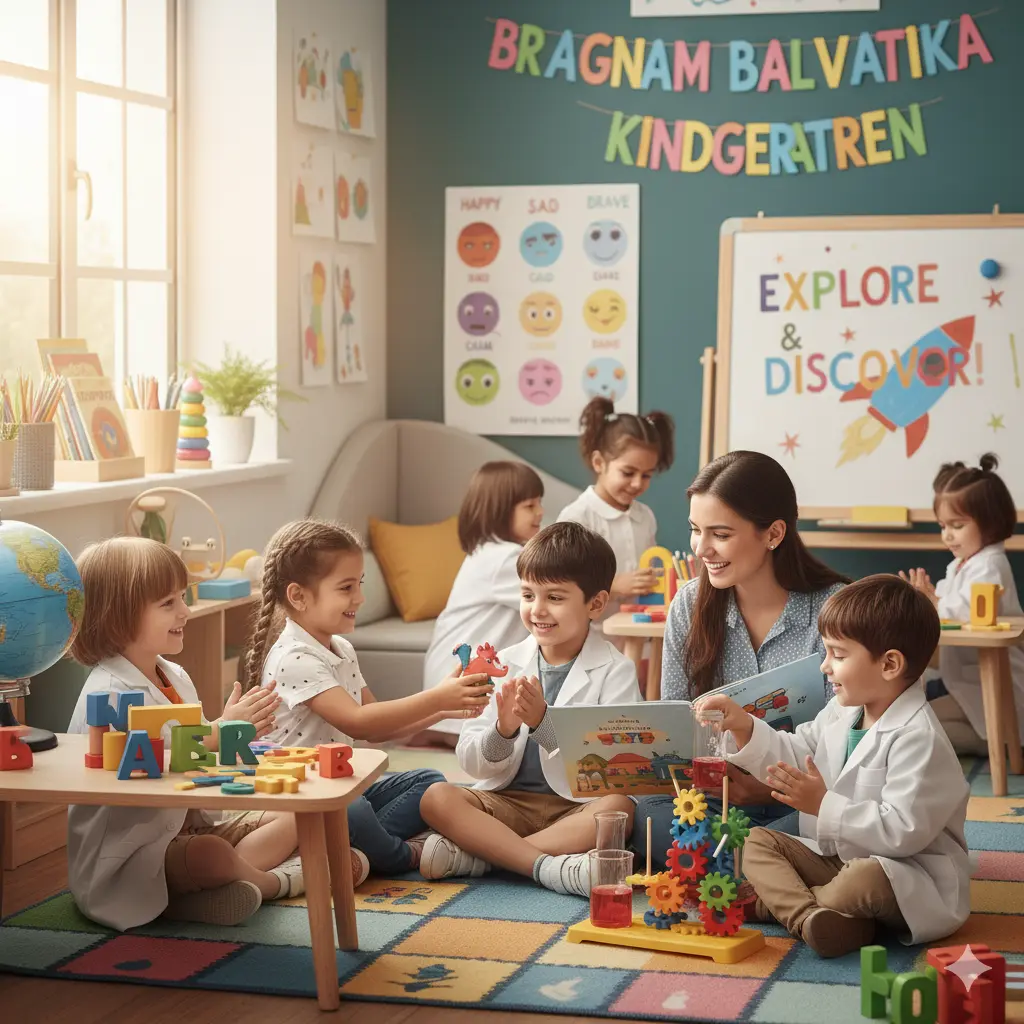
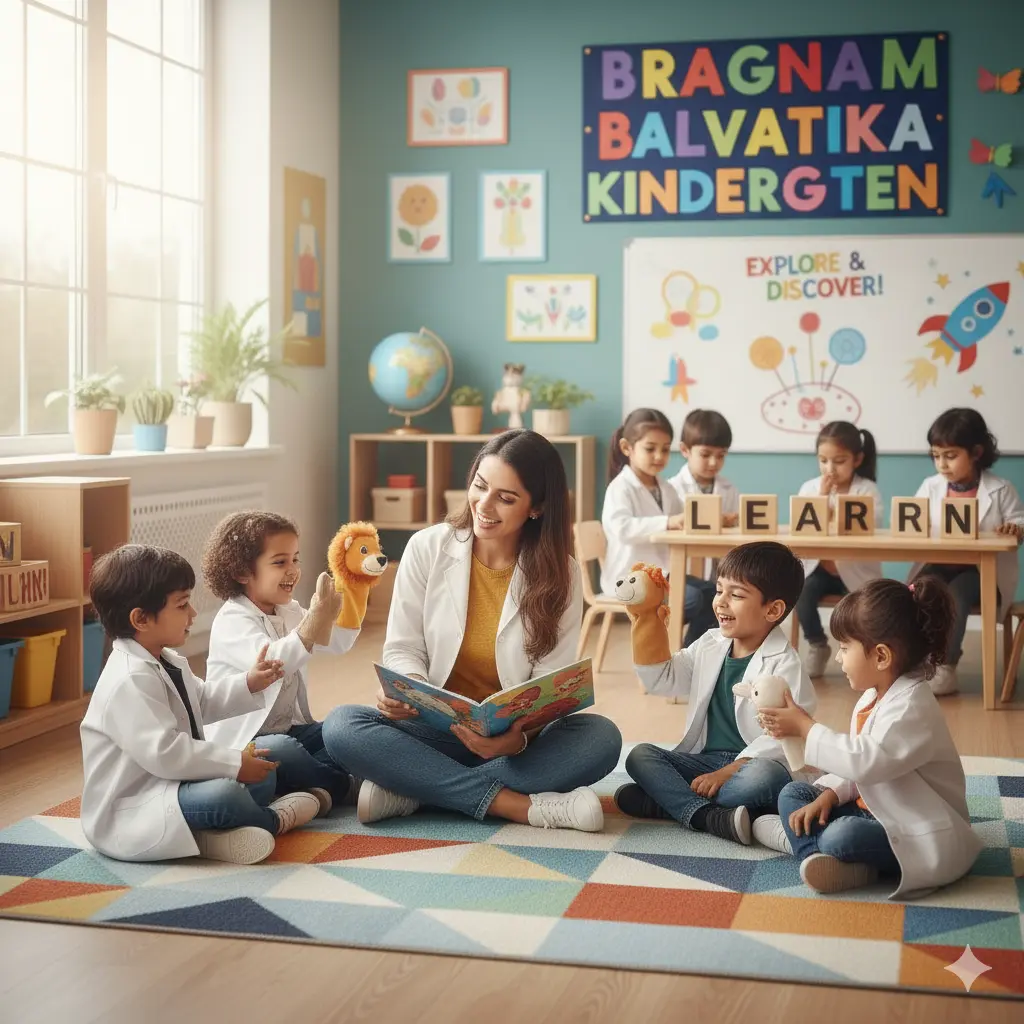
Let’s dive into the history, meaning, and importance of the word Kindergarten, and also understand why enrolling your child in a trusted preschool like Bragnam/Balvatika Kindergarten can make a world of difference in their early education journey.


🌱 The Origin of the Word “Kindergarten”

The term “Kindergarten” comes from German—it’s a combination of two words:

  • “Kinder” means children

  • “Garten” means garden

So, Kindergarten literally translates to “Children’s Garden.”

The concept was introduced by a German educator named Friedrich Fröbel in the 19th century. Fröbel believed that children are like young plants that need to be nurtured, cared for, and allowed to grow naturally in a loving environment.
He envisioned a place where children could learn through play, creativity, and social interaction—not through strict academic instruction.

Thus, in 1837, he founded the first Kindergarten in Blankenburg, Germany, where children were encouraged to explore, sing, dance, garden, and engage in hands-on learning.


🌼 The Philosophy Behind Kindergarten

Fröbel’s philosophy was simple yet revolutionary:

“Play is the highest expression of human development in childhood.”

He believed that children learn best through play—by observing, experimenting, and interacting with their surroundings.
In Kindergarten, learning happens naturally as children engage in activities that stimulate their imagination, coordination, and curiosity.

Fröbel also introduced the idea of “gifts” and “occupations”—special learning tools and hands-on tasks designed to help children explore shapes, patterns, and relationships. These ideas later inspired the development of modern preschool learning materials used in Montessori and other play-based learning systems.


🎨 Kindergarten Today – More Than Just Play

Over time, the Kindergarten model spread across the world, evolving into what we now call preschool or early learning centers.
But the essence remains the same—helping children grow like flowers in a garden, where each child is unique and needs care and attention to bloom.

Modern Kindergartens, like Balvatika – An Initiative of Bragnam Learning Pvt Ltd, continue this philosophy by focusing on:

  • Holistic development – nurturing emotional, social, physical, and intellectual growth.

  • Activity-based learning – through storytelling, art, music, and outdoor play.

  • Practical life skills – encouraging independence, sharing, and teamwork.

  • Safe and stimulating environments – where children feel loved and motivated to learn.

Balvatika’s teaching approach celebrates the true spirit of Kindergarten by ensuring that learning is fun, joyful, and developmentally appropriate.


🌻 Why Is Kindergarten So Important?

Kindergarten is the foundation of lifelong learning.
This is the stage when a child develops essential skills like:

  • Communication and vocabulary

  • Early math and literacy understanding

  • Emotional confidence

  • Problem-solving and creativity

  • Social cooperation and empathy

It’s also when children learn the joy of discovery—something that stays with them forever.

Enrolling your child in a well-structured Kindergarten like Bragnam/Balvatika ensures they experience this magical stage of growth in a balanced and nurturing environment.


🏫 Bragnam/Balvatika Kindergarten – Nurturing Little Minds

At Bragnam Learning Pvt Ltd, we understand that every child learns differently.
Our Balvatika Kindergarten programs are designed with child-centric activities inspired by international early childhood frameworks while staying rooted in Indian cultural values.

We create a vibrant learning space where children:

  • Explore concepts through hands-on activities

  • Develop fine and gross motor skills through play

  • Build early literacy and numeracy readiness

  • Participate in creative storytelling, art, and music

  • Learn self-discipline, empathy, and responsibility

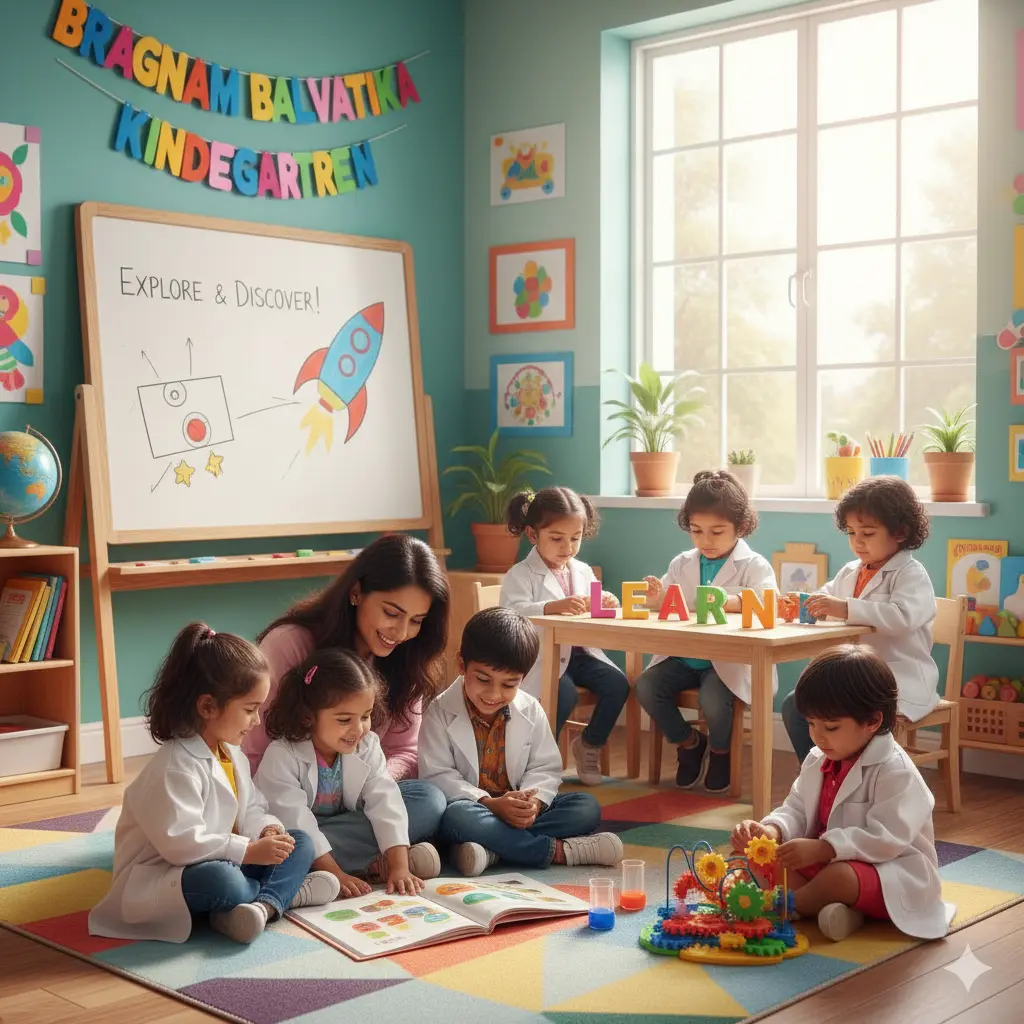
Every classroom feels like a garden of learning, where teachers act as gardeners—nurturing young minds to grow confidently and beautifully.


🌟 Fun Fact: The First Kindergarten in India

Did you know the first Kindergarten in India was established in Madras (now Chennai) in the early 20th century?
The concept quickly spread as educators recognized its value in shaping children’s learning habits and emotional intelligence from an early age.

Today, preschools and kindergartens across India—like Balvatika—continue to uphold these values, combining traditional learning with modern methodologies.


🌸 Final Thoughts

The name “Kindergarten” isn’t just a fancy word—it represents an entire philosophy of nurturing, growing, and caring for young minds.
It reminds us that children, like plants, need sunlight (love), water (care), and soil (guidance) to flourish.

So, the next time you drop your child at their Kindergarten, remember—you’re not just sending them to school. You’re letting them step into their own little garden of learning.

At Bragnam/Balvatika, we’re proud to continue Fröbel’s legacy by creating joyful spaces where every child blossoms with curiosity, creativity, and confidence.

Ahoi Ashtami 2025: Importance, Rituals & Celebration Ideas for Playschools | Bragnam

By |2025-10-13T12:08:09+05:3013 October 2025|Blog|

ahoi ashtami

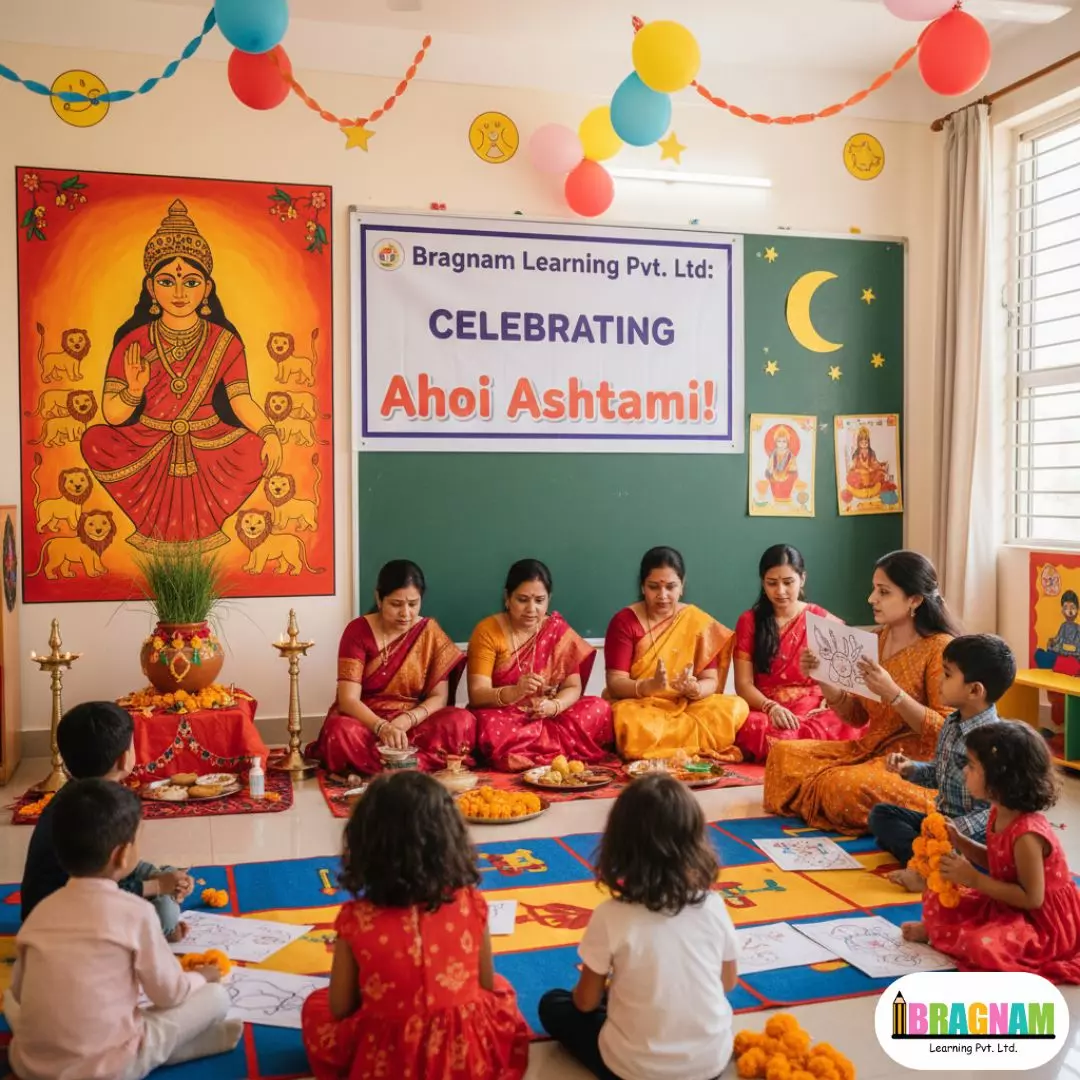
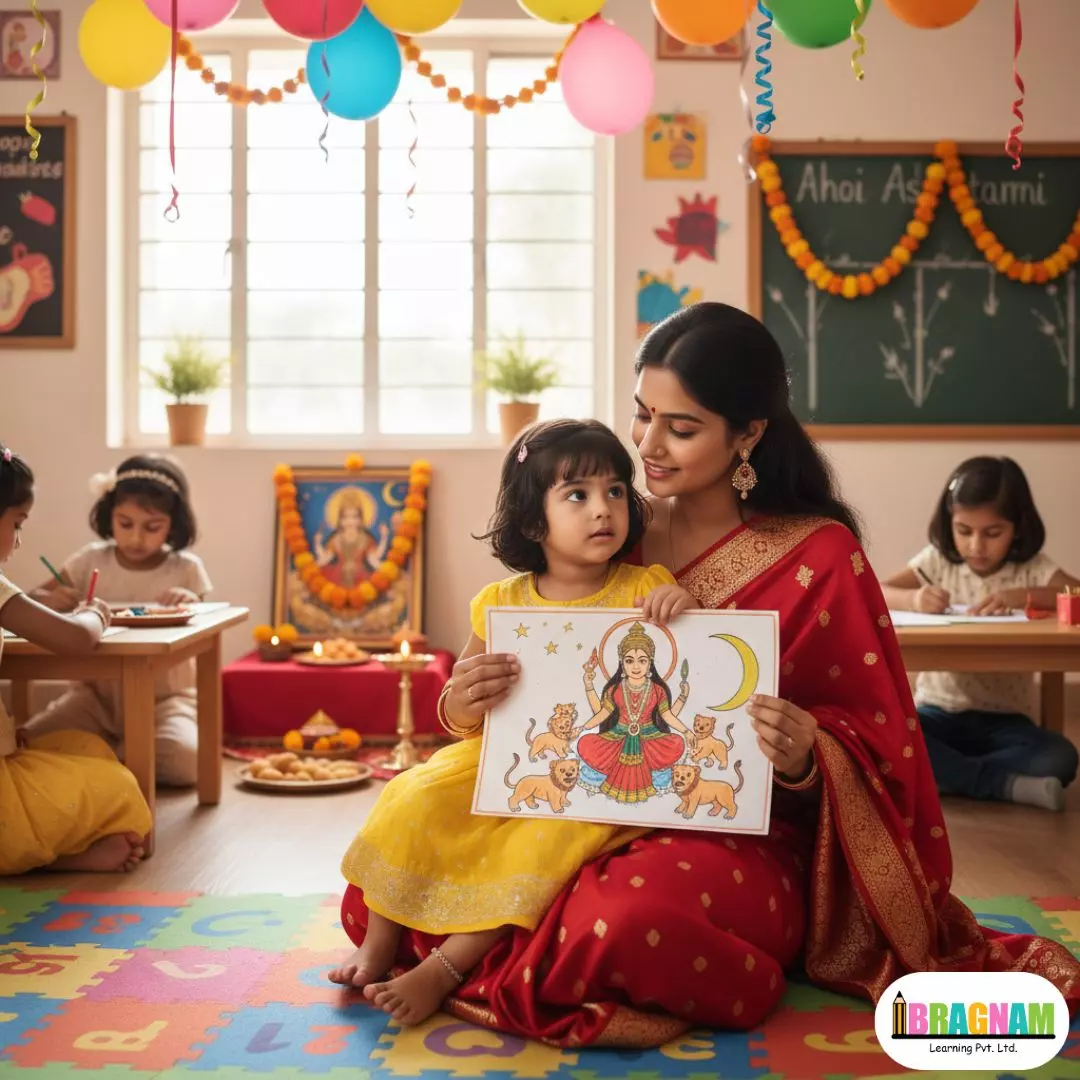
Ahoi Ashtami is a cherished festival that highlights the boundless love, devotion, and blessings that mothers offer for the well-being and longevity of their children. At Bragnam, we honor this beautiful tradition and encourage all our playschool franchise partners to embrace its timeless values within their learning communities.

What is Ahoi Ashtami?

Celebrated across North India, Ahoi Ashtami falls on the eighth day of the waning moon (Krishna Paksha) in the Kartik month, approximately eight days before Diwali. On this auspicious day, mothers observe a fast from sunrise until the first sighting of the evening stars, offering prayers to Mata Ahoi for their children’s health, happiness, and success.

The Significance Behind the Festival

The legend of Ahoi Ashtami traces back to a devoted mother who, after accidentally harming a young animal, lost her seven sons but regained them after praying sincerely to Mata Ahoi. Since then, this festival symbolizes repentance, forgiveness, and the unshakable bond of love between mothers and their children.

Rituals and Traditions

  • On Ahoi Ashtami, mothers clean the puja area and draw an image of Goddess Ahoi, often adorned with red clay, representing the festival’s traditions.

  • The main puja involves offering rice, roli, milk, and various sweets, followed by reciting the vrat katha (story) of Ahoi Mata.

  • The fast is broken after sighting the stars; water, fruits, and sweets are first offered as prasad.

  • An interesting ritual seen in many homes is the worship and tying of the “Syahu Mala,” a silver locket worn for five days, believed to bestow longevity on children.

How Bragnam Playschools Can Celebrate

At Bragnam, we believe in blending cultural heritage with early childhood education. Celebrating Ahoi Ashtami offers a unique way to familiarize young children with the warmth of Indian traditions. Here are some enriching ideas for franchise centers:

  • Facilitate story-telling sessions about the festival’s origin and the significance of honoring mothers.

  • Encourage children to create art projects like drawing stars, moons, or simple Ahoi Mata pictures.

  • Organize group prayers or bhajan/singing sessions with teachers and children.

  • Share simple sweets or fruits as prasad to make the experience memorable for little ones—always keeping allergies and dietary needs in mind.

Wishing Our Bragnam Family

Bragnam extends heartfelt wishes to all our franchise partners, teachers, parents, and children on Ahoi Ashtami. May this festival inspire devotion, nurture family bonds, and bless every child with good health and happiness.

Let us continue to cherish our diverse traditions while imparting values of empathy, gratitude, and cultural awareness to the next generation. Happy Ahoi Ashtami from everyone at Bragnam!

ahoi ashtami

Why Kindergarten Is Important in Education — and Why Bragnam Balvatika Is the Perfect Start for Your Child

By |2025-10-13T10:55:42+05:3013 October 2025|Blog|

Why Kindergarten Is Important in Education

Why kindergarten is important in education

Kindergarten is not just the first step of school — it’s the foundation of a child’s entire educational journey. In today’s competitive world, where early development shapes future success, kindergarten acts as the bridge between home learning and formal schooling. It’s where children begin to understand routines, friendships, emotions, and the joy of learning.

At Bragnam Learning Pvt. Ltd., we believe that kindergarten is where curiosity blossoms. Our Balvatika Kindergarten program is thoughtfully designed to build a strong academic, emotional, and social base for children aged 3 to 6 years. Here’s why kindergarten plays a vital role in education — and how enrolling your child in Bragnam Balvatika can make all the difference.

1. Kindergarten Builds the Foundation of Learning

The early years are a golden period for brain development. According to education experts, 90% of a child’s brain develops before the age of six. Kindergarten lays the groundwork for reading, writing, numeracy, and critical thinking.

At Bragnam Balvatika, our curriculum combines Montessori and play-based learning. This approach encourages children to explore, ask questions, and make discoveries — essential habits for lifelong learners. We focus on phonics, number sense, and language development through activities that feel like play but teach powerful concepts.

2. Social and Emotional Development Takes Root Here

One of the biggest reasons why kindergarten is important in education is its role in shaping emotional intelligence. Children learn how to share, take turns, cooperate, and express their feelings appropriately.

At Bragnam Balvatika, we nurture emotional well-being through storytelling, group activities, and mindfulness practices. Our teachers ensure that each child feels heard, safe, and valued. This early emotional stability helps children face future challenges with confidence and empathy.

3. Encourages Independence and Confidence

The transition from home to school life can be a big leap for young learners. Kindergarten teaches children how to take care of themselves — whether it’s organizing their bag, eating lunch independently, or cleaning up after playtime.

At Bragnam Balvatika Kindergarten, we gently guide children to become more self-reliant through structured routines and self-help activities. When children achieve small milestones on their own, they develop a lasting sense of confidence and pride.

4. Enhances Communication and Language Skills

A child’s ability to express thoughts clearly is built early. Kindergarten provides a language-rich environment where children learn through songs, rhymes, phonics, and conversation.

In our Bragnam Balvatika classrooms, language learning is not limited to reading and writing — it’s about communication, listening, and comprehension. Teachers encourage storytelling, group discussions, and role-play to help every child become an effective communicator.

5. Lays the Foundation for Academic Success

Children who attend quality kindergarten programs perform significantly better in later grades. They enter primary school with stronger vocabulary, better concentration, and improved problem-solving skills.

At Bragnam Balvatika, we prepare children academically through hands-on learning, STEM-based activities, and concept-driven lessons. Our goal is to make learning exciting, not stressful — ensuring your child develops a genuine love for learning.

6. Promotes Creativity and Curiosity

Kindergarten is where creativity flourishes. Whether it’s art, music, dance, or pretend play, children express themselves freely. This creativity translates into innovation and adaptability later in life.

Bragnam Balvatika emphasizes creative exploration through play, art, and sensory activities. Each classroom is designed to inspire imagination, ensuring every child feels free to dream big and think differently.

7. Builds a Lifelong Love for Learning

Children who enjoy their early learning experiences are more likely to stay engaged in school throughout their lives. Kindergarten instills curiosity and the habit of asking “why,” which fuels intellectual growth.

At Bragnam Balvatika, our teachers focus on making learning joyful, interactive, and rewarding. We don’t just teach — we inspire. Our curriculum helps children connect classroom learning with real-world experiences.

8. Why Choose Bragnam Balvatika Kindergarten for Your Child

Choosing the right kindergarten is one of the most important decisions you’ll ever make for your child. Here’s why Bragnam Balvatika Kindergarten stands out:

  • Holistic Curriculum: A balanced blend of academics, creativity, and life skills.

  • Experienced Educators: Compassionate teachers trained in early childhood education.

  • Safe & Stimulating Environment: Bright, secure classrooms that promote exploration.

  • Parent Involvement: Regular feedback sessions and parent-teacher interactions.

  • Nationwide Presence: Backed by Bragnam Learning Pvt. Ltd., a trusted name in educational innovation.

By enrolling your child at Bragnam Balvatika, you’re giving them more than just a head start — you’re giving them the foundation for lifelong success.

Conclusion

The importance of kindergarten in education goes far beyond ABCs and numbers. It’s the stage where children develop socially, emotionally, and intellectually — shaping who they will become tomorrow.

At Bragnam Balvatika Kindergarten, we believe in nurturing young minds through love, learning, and laughter. Our goal is to help every child discover their unique potential in a warm and stimulating environment.

So, when you think about why kindergarten is important in education, remember — it’s the first step toward building a confident, curious, and capable learner. Give your child the perfect beginning with Bragnam Balvatika Kindergarten — where learning begins with joy.

Why kindergarten is important in education

Kindergarten Emotional Development: Building Confidence & Kindness at Bragnam Learning Pvt Ltd

By |2025-10-13T10:39:44+05:3013 October 2025|Blog|

Kindergarten emotional development

Kindergarten Emotional Development: How Bragnam Builds Confident Learners

Kindergarten, man, that’s when all the magic starts. Kids are sponges at that age—soaking up every little thing, whether it’s learning to tie their shoes or figuring out why sharing actually matters. Over at Bragnam Learning Pvt Ltd, they’re pretty obsessed (in a good way) with making sure every kid gets the shot they deserve. It’s not just about shuffling kids from one activity to the next—nah, it’s about sparking curiosity, helping them build some guts (confidence, if you wanna be fancy), teaching them to actually care about others, and letting them try stuff on their own. That’s the real deal if you want them to love learning for, like, ever.

Building Trust and Emotional Safety

Honestly, kids just do better when they know someone’s got their back. If your home feels chill and loving, that’s half the battle won right there. You don’t need to go wild—just basic stuff like a hug now and then, saying good job, or actually listening when they’re rambling about Minecraft or whatever. That’s what really sticks. When parents actually pay attention to how their kid feels (instead of brushing it off or rushing to fix things), those kids learn how to handle their own emotions. And yeah, all that patient listening and showing you care? It preps them for all the junk life throws at them, whether it’s school drama or just dealing with people in general.

Consistency Through Routine

Kids are basically little chaos magnets, right? So, some structure—like, actual routines—can work wonders. When they know what’s coming next (breakfast, play, homework, whatever), it’s like their brains breathe a sigh of relief. There’s comfort in predictability. Plus, they start figuring out time management and, you know, not turning into tiny tornadoes of disorder. Honestly, routines aren’t just about control—they’re about giving kids a sense of security so they’re not on edge all day. Even small things, like a goofy wake-up song or a quick bedtime story, can turn the daily grind into something they actually look forward to. It’s wild how much that helps them handle their feelings—and, let’s be real, makes life way less stressful for everyone.

Positive Modeling: Leading by Example

Little kids in kindergarten? Man, they’re like tiny sponges. They watch everything—the words, the side-eye, the way you roll your eyes when you think they’re not looking. If you want them to grow up decent, you gotta walk the walk. Like, actually be patient, show some backbone, and don’t freak out every time something goes sideways. When parents chill out and handle arguments without turning it into a soap opera, or actually show respect to people (even the annoying ones), kids notice. Celebrate the tiny wins, say thanks out loud, and suddenly, these little humans start picking up on gratitude and empathy without even realizing it. It’s wild how much they soak up just from watching you do your thing.

Communication Matters: Using Positive Language

Setting Limits with Care

Honestly, kids totally thrive when they know where the lines are—boundaries make things feel way less chaotic for them. It’s not just about barking orders, though. If you lay out the rules and actually explain why (like, “Hey, we share toys because nobody likes feeling left out”), they get it. Fair’s fair, right? When you stick to your word and treat everyone the same, it teaches them to own up and be decent humans. Plus, if you keep things steady and loving—not all harsh and unpredictable—they’re way more likely to chill out and respect you back. Family life just runs smoother that way.

Fostering Independence and Confidence

Chess Mat vs Board – The Ultimate Guide | Bragnam Learning

By |2025-10-09T12:23:57+05:309 October 2025|Blog|

Chess mat vs chess board

Let’s be real—chess is one of those games that’s older than your grandma’s grandma, and yet it’s still cool as hell. But, honestly, even if you’ve got the brainpower of Magnus Carlsen, playing on a janky board can kill the vibe fast. So, the big question: go for a pro chess mat or stick with that classic wooden board? People argue about this more than they argue about pineapple on pizza.

What is a Professional Chess Mat?

First off, let’s talk mats. These things are usually made out of vinyl or silicone—nothfing fancy, but super practical. They’re like the yoga pants of chess equipment: flexible, roll up in a second, and you can toss them in a backpack without worrying. Tournament standards? Yeah, most of these mats got you covered, with those regulation-size squares and everything. No one’s going to call you out for bringing an illegal mat to a game, unless they’re just jealous.

Here’s the lowdown on mats:

  • You can roll them up and shove them anywhere—perfect for the person whose life is basically one long commute.
  • They’re tough as nails. Spill your coffee? No biggie. Try that with a fancy board and see how fast you cry.
  • The surface is smooth, so your pieces glide like they’re in a Fast & Furious movie.
  • Oh, and they’re usually cheap. Like, “I’ll take two” cheap.

What is a Chess Board?

Now, the wooden boards. Ah, the classics. These babies are all about the look and feel. There’s just something about the click-clack of solid wood that makes you feel like a genius, even if you’re about to get checkmated in six moves. They can be simple and sturdy or straight-up works of art—it all depends how much cash you’re willing to drop.

Here’s what you get with a traditional board:

  • Pure eye candy. Seriously, a nice board can make your living room look like a Bond villain’s lair.
  • Pieces don’t slide around or tip over unless you’re playing during an earthquake.
  • Downside? They’re chunky. You need a decent table, and lugging one to the park is… not fun.
  • Price? All over the place. Cheap ones exist, but the sexy ones will make your wallet weep.

Comparing Professional Chess Mats and Boards

When deciding between a chess mat and a board, several practical considerations come into play:

FeatureProfessional Chess MatTraditional Chess Board
PortabilityHighly portable, rolls or folds for easy storageRigid, less portable, requires careful handling
MaterialVinyl, silicone or rubber with flexibilityWood, plastic, or composite, rigid
DurabilityWashable, tear-resistant but may wear over timeDurable and stable but susceptible to moisture and scratches
Surface TextureSmooth, reduces piece noiseSolid, provides classic feel and visual appeal
Storage SpaceCompact, minimal space neededRequires larger, dedicated space
Suitability for PlayIdeal for tournament and club play, especially traveling playersSuited for home, club, or formal settings
Price RangeGenerally affordableWide price range from budget to premium

Why Choose a Professional Chess Mat?chess mat vs chess board 2

So, who wins? Well, if you’re bouncing from one tournament to the next, or you just want to whip out a game at the coffee shop, get a mat. They’re tough, don’t care about rain or spilled soda, and you can play basically anywhere. Plus, most meet those official FIDE standards, so you’ll look legit.

Why Choose a Traditional Chess Board?

chess boardBut if you’re more about the classic chess vibes—maybe you want your board to be a conversation starter at home or the club—a wooden board is the way to go. It’s about tradition, it’s about style, and yeah, it feels pretty awesome to move pieces on real wood.

A few things to chew on before you whip out your credit card:

  • Where are you playing? If you’re always on the move, mats win. If your board stays put, go wood.
  • Money matters. Mats are budget-friendly, boards can be crazy expensive, but also kinda become family heirlooms.
  • How picky are you about the way pieces feel? Try both before you decide. Trust me.
  • Storage. Mats can live in a drawer. Boards, not so much.
  • Cleaning up. Mats? Just wipe ‘em. Wood? Needs a little TLC.

Conclusion

There’s no “right” answer here—it’s all about what works for you. Mats give you freedom and toughness for life on the go. Wooden boards bring tradition and a bit of swagger. Either way, as long as you’re playing, you’re winning. Just don’t lose all your pieces under the couch, okay? At the end of the day, it’s not about the surface, it’s about the game. Choose the setup that makes you want to play more. Because, let’s be honest, nobody ever became a chess master by just staring at a board, no matter how pretty it is.

The Power of Chess: Unlocking Minds at Bragnam Learning Pvt Ltd

By |2025-10-08T18:10:22+05:308 October 2025|Blog|

Power of Chess

The Power of Chess for Kids

Chess is more than just a game—it is a mind sport that builds concentration, sharpens problem-solving skills, and nurtures patience in learners of all ages. At Bragnam Learning Pvt Ltd, we recognise chess as a powerful educational tool that goes beyond the classroom, helping children develop essential life skills that foster both academic and personal growth.

Chess has been celebrated for centuries as a game of intelligence and strategy. What makes it remarkable is that it engages both sides of the brain, enhancing creativity while strengthening logical thinking. For preschoolers and school-age learners, chess stimulates memory, improves focus, and encourages decision-making skills. These qualities prepare children not only for academic success but also for challenges they will face in real life.

Chess in Bragnam Learning’s Curriculum

We have integrated chess into our learning programs because it aligns perfectly with our mission of holistic child development. Our certified chess trainers work with students to introduce the game step-by-step, ensuring that even beginners feel comfortable and confident. The sessions are interactive, combining fun learning moments with structured skill-building exercises.

Chess teaches children how to plan ahead and think critically about the possible consequences of their actions. In a world where quick decisions are common, chess instils the habit of slowing down, evaluating options, and making thoughtful choices. It is this discipline that helps children perform better not only in academics but also in personal interactions and team activities.

Benefits of Chess for Young Minds

  • Enhanced Concentration and Focus – Each move in chess requires attention to detail, helping children stay engaged for longer periods.

  • Improved Problem-Solving Skills – Children learn to evaluate situations, identify challenges, and develop strategies to overcome them.

  • Boosted Memory and Recall – Chess helps strengthen both short-term and long-term memory through constant practice and pattern recognition.

  • Better Academic Performance – Studies show that children who play chess often excel in mathematics and reading comprehension.

  • Social and Emotional Growth – Playing with peers encourages sportsmanship, patience, and respect for others’ ideas.

Chess Tournaments and Activities at Bragnam

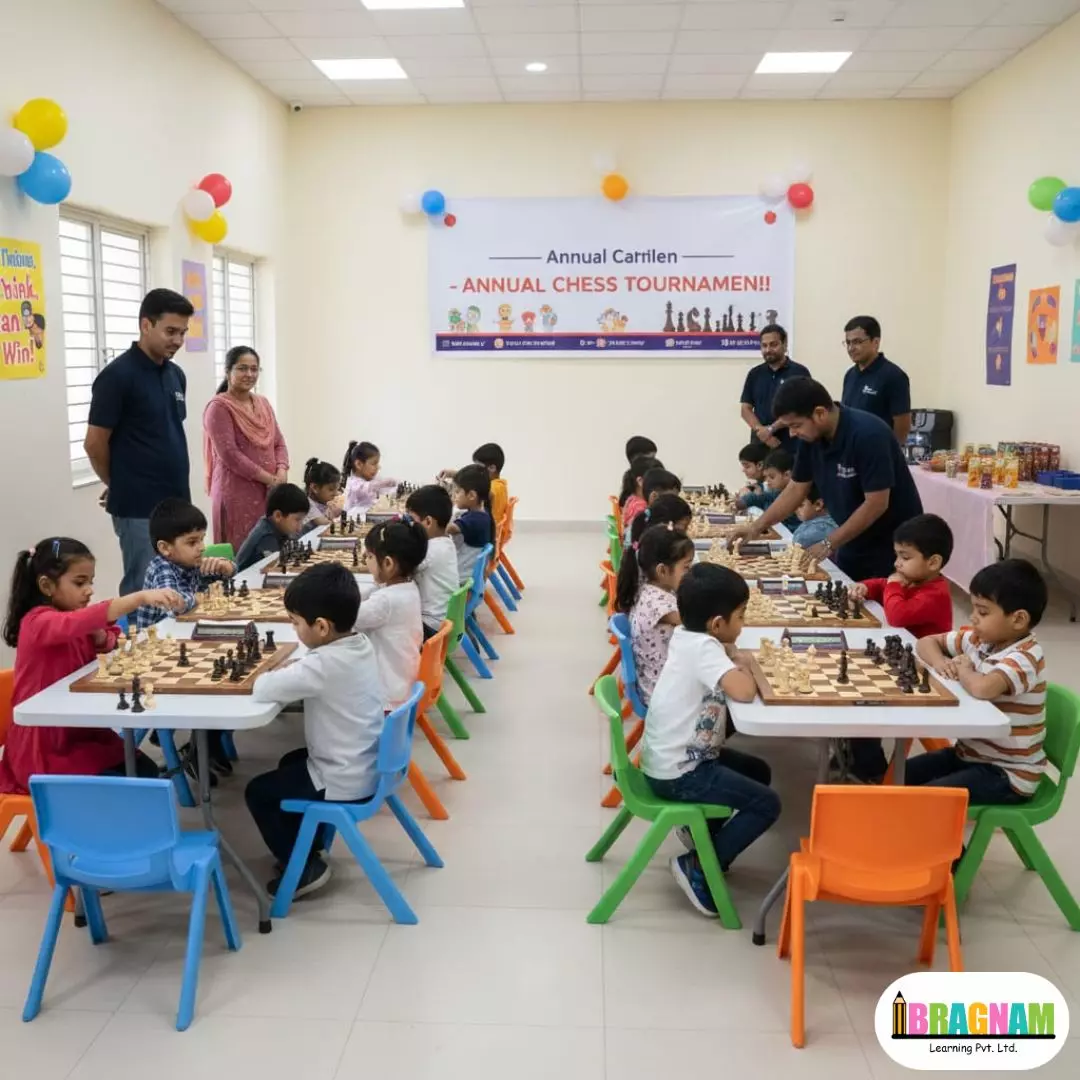
To make learning chess exciting, Bragnam Learning regularly hosts friendly tournaments, puzzle challenges, and skill demonstration events for our students. These activities not only encourage participation but also build confidence and a sense of achievement. Parents often share how their children have grown more focused, expressive, and self-disciplined after joining our chess program.

In our franchise network, chess has also become a popular extracurricular activity that strengthens school culture. Many branch franchises have adopted chess sessions as part of weekend enrichment programs, attracting students who wish to learn in a fun, community-based environment.

Our Vision for the Future

Bragnam Learning Pvt Ltd aims to make chess accessible to every child, regardless of background. By blending our expertise in education with the timeless value of chess, we hope to inspire a generation of thinkers and leaders who can navigate life’s complexities with intelligence, patience, and creativity.

For us, chess is not just a board game—it is a pathway to cognitive growth, critical reasoning, and lifelong learning. Through the minds we nurture today, we are sowing seeds for a smarter, more thoughtful future.

Go to Top