Ramadan for All Our Playschool Franchises
Ramadan is a beautiful and meaningful time of the year for millions of families around the world. For playschools, it presents a wonderful opportunity to nurture values like kindness, gratitude, patience, and sharing among young learners. As a growing network of playschool centers, celebrating Ramadan for all our playschool franchises helps create an inclusive environment while strengthening bonds with families and communities.
In this blog, we’ll explore how each branch can thoughtfully observe Ramadan in age-appropriate, engaging, and joyful ways. From simple classroom activities to community engagement ideas, this guide will help every playschool franchise make the month special for children and parents alike.
Why Ramadan Matters in Early Childhood Education
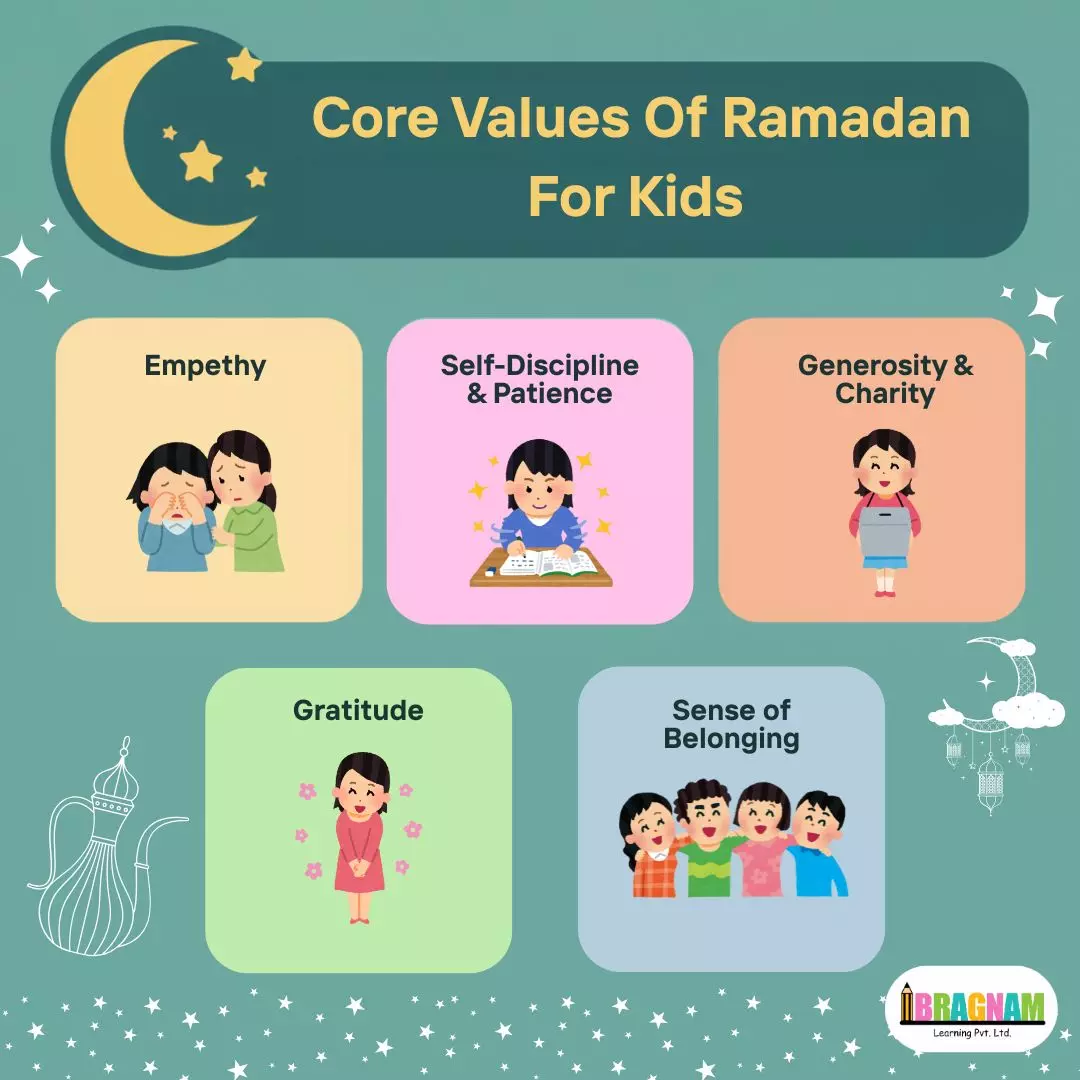
Ramadan is the ninth month of the Islamic calendar and is observed by Muslims worldwide as a time of fasting, prayer, reflection, and community. However, in a playschool setting, the focus is not on fasting but on teaching universal values such as:
- Kindness and empathy
- Sharing and charity
- Gratitude and patience
- Respect for different cultures
When we celebrate Ramadan for all our playschool franchises, we are not only honoring families who observe it but also teaching diversity and inclusion in a simple, child-friendly way.
How to Celebrate Ramadan in Playschool (Age-Appropriate Ideas)
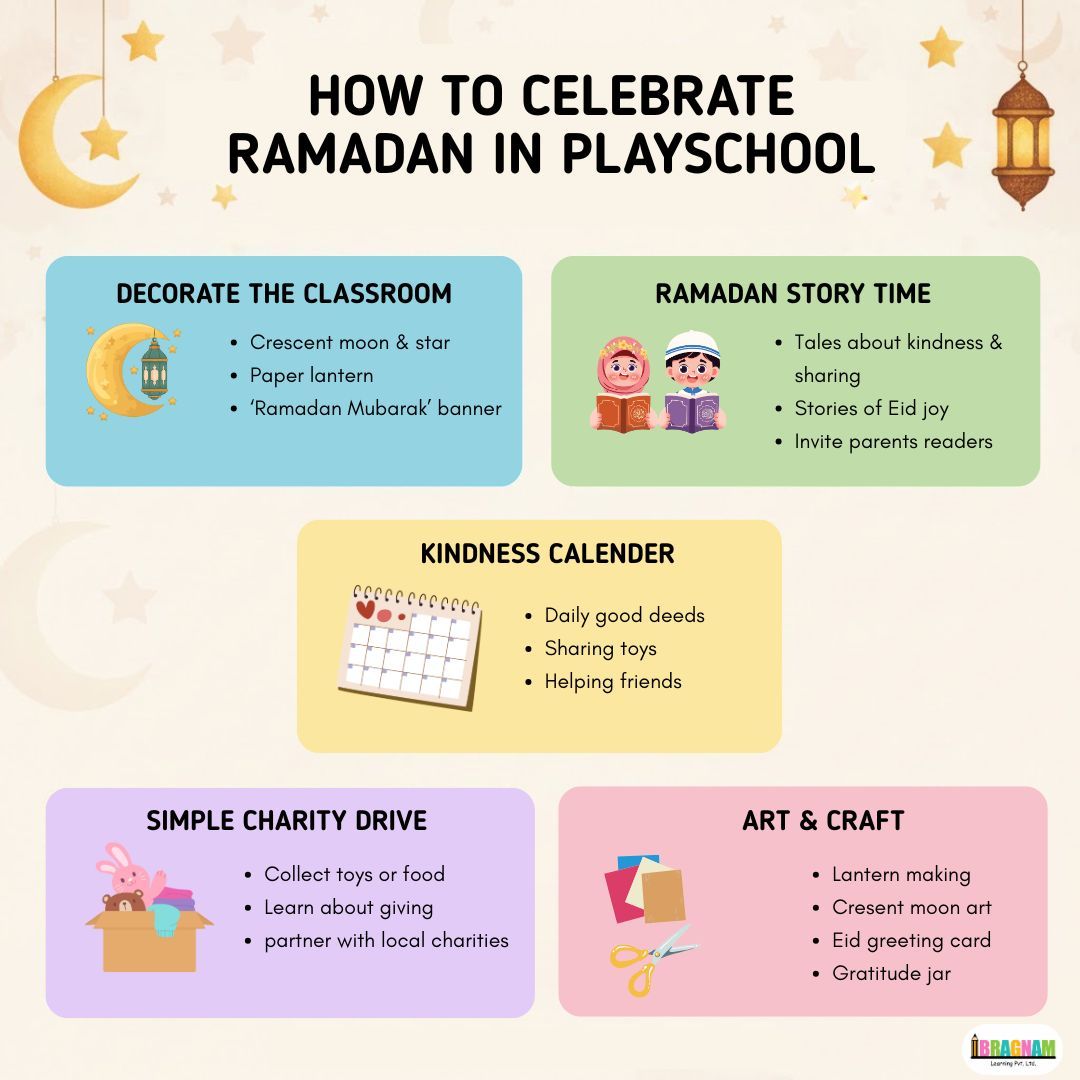
Young children do not fast, and that’s perfectly fine. Instead, we introduce them to the spirit of Ramadan through stories, art, and acts of kindness.
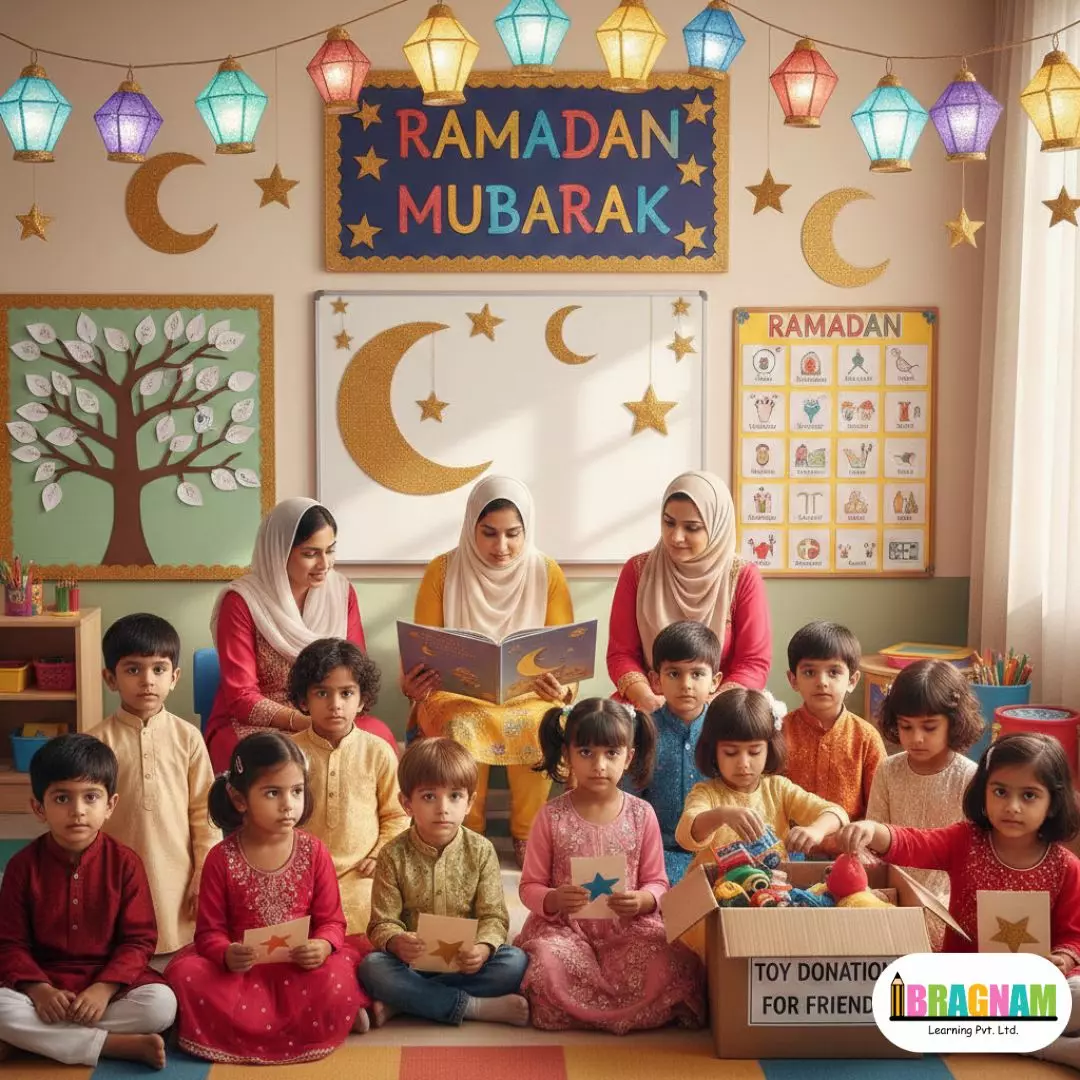
1. Ramadan-Themed Classroom Decor
Transform your playschool environment with warm and welcoming decorations.
Ideas include:
- Crescent moon and star cut-outs
- “Ramadan Mubarak” banners
- Paper lanterns (fanous)
- Gratitude trees
These decorations make the celebration visible across all our playschool franchises and create excitement among children.
2. Storytelling Sessions About Ramadan
Storytelling is one of the best ways to introduce cultural awareness.
Choose simple, age-appropriate books that explain:
- Why people fast
- The importance of kindness
- The joy of Eid
You can also invite parents to share short stories about how their family celebrates Ramadan. This builds community and inclusion.
3. Kindness Calendar Activity
Create a 30-day Ramadan Kindness Calendar for children.
Each day, assign a small act of kindness such as:
- Sharing toys
- Helping a friend
- Saying “thank you”
- Cleaning up without being asked
- Donating a small item
This is a powerful way to implement the values of Ramadan for all our playschool franchises in a practical and meaningful way.
4. Simple Charity Drive
Ramadan emphasizes giving to those in need.
Your playschool franchise can organize:
- A food donation drive
- Toy collection campaign
- Clothes donation week
Make sure to:
- Clearly communicate with parents
- Keep it voluntary
- Explain to children why helping others is important
Partnering with reputable organizations such as UNICEF (https://www.unicef.org) or local charities can enhance credibility.
5. Arts & Crafts Activities
Creative activities help children understand concepts visually.
Ramadan craft ideas:
- Crescent moon painting
- Lantern making
- Eid greeting cards
- Gratitude jars
Craft time keeps the celebration fun and developmentally appropriate.
Supporting Families During Ramadan
When we celebrate Ramadan for all our playschool franchises, we must also consider parents’ needs.
Be Flexible With Schedules
Some families may:
- Pick up children earlier
- Adjust meal routines
- Attend evening prayers
Show empathy and flexibility wherever possible.
Communicate Clearly
Send a friendly newsletter explaining:
- What activities will be conducted
- The educational purpose
- Important dates (including Eid celebration day)
Transparency builds trust with parents.
Celebrating Eid in Playschool
Eid marks the end of Ramadan and is a joyful celebration.
Eid Celebration Ideas
- Dress-up day in traditional outfits
- Sharing sweets (check allergy policies)
- Cultural music and dance
- Certificate distribution for “Kindness Stars”
An Eid celebration unites children across backgrounds and gives a festive close to Ramadan for all our playschool franchises.
Inclusivity: Teaching Respect for All Cultures
Even if not all families celebrate Ramadan, learning about it builds cultural awareness.
Explain to children in simple language:
“Some of our friends’ families celebrate Ramadan. It’s a special month where they try to be extra kind and helpful.”
This encourages respect and understanding from an early age.
For further reading on cultural awareness in early childhood, you may refer to resources from NAEYC (https://www.naeyc.org).
Health & Safety Considerations
When observing Ramadan in playschool:
- Do NOT encourage children to fast
- Maintain regular snack and meal times
- Ensure hydration
- Monitor energy levels
Our goal is to celebrate values — not replicate adult practices.
Building Brand Identity Through Cultural Celebrations
Celebrating Ramadan for all our playschool franchises also strengthens your brand image.
It shows that your franchise:
- Respects diversity
- Values inclusion
- Engages with community traditions
- Supports families
Parents appreciate schools that acknowledge important cultural moments.
Social Media Engagement Ideas
Use Ramadan to increase online engagement.
Content Ideas:
- Ramadan craft videos
- Photos of classroom decorations
- Parent testimonials
- “Kindness Challenge” posts
Use hashtags such as:
- #RamadanAtPlayschool
- #RamadanForKids
- #InclusiveEducation
This also boosts SEO visibility for your playschool franchise.
Conclusion: Making Ramadan Meaningful in Every Branch
Celebrating Ramadan for all our playschool franchises is not about rituals — it’s about values. It’s about kindness, empathy, gratitude, and community.
By introducing children to these universal principles through stories, crafts, and small acts of generosity, we create a nurturing environment that respects diversity and builds strong character.
As a franchise network, let’s work together to make Ramadan a time of learning, inclusion, and joyful experiences across every center.