Washy Washy Clean: Making Handwashing Fun For Little Ones

By |2026-01-20T17:22:04+05:3020 January 2026|Blog|

Handwashing

Handwashing keeps little ones healthy by removing germs that cause illnesses like colds and tummy bugs. Turning it into a playful routine makes kids excited to scrub away dirt. This guide shares engaging ways to make handwashing a daily adventure.โ€‹

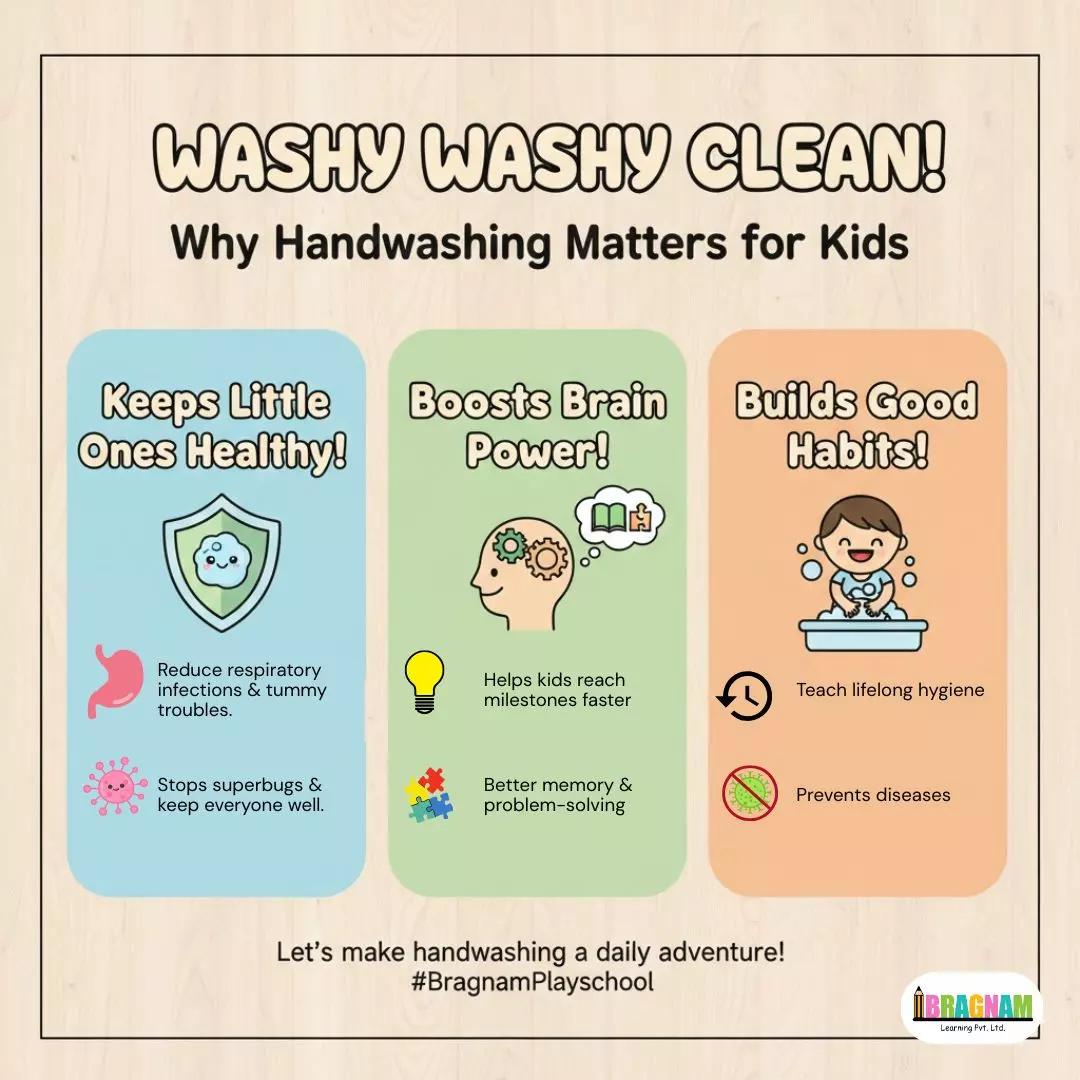
Why Handwashing Matters for Kids

handwash

Proper handwashing cuts diarrhea by half in young children and boosts development in areas like cognition. Germs spread easily through touch, especially in playschools where kids play closely. Teaching it early builds lifelong hygiene habits that prevent diseases.โ€‹

  • Reduces respiratory infections and tummy troubles.โ€‹
  • Stops superbugs and keeps everyone well.
  • Helps kids reach milestones faster, like better memory and problem-solving.โ€‹

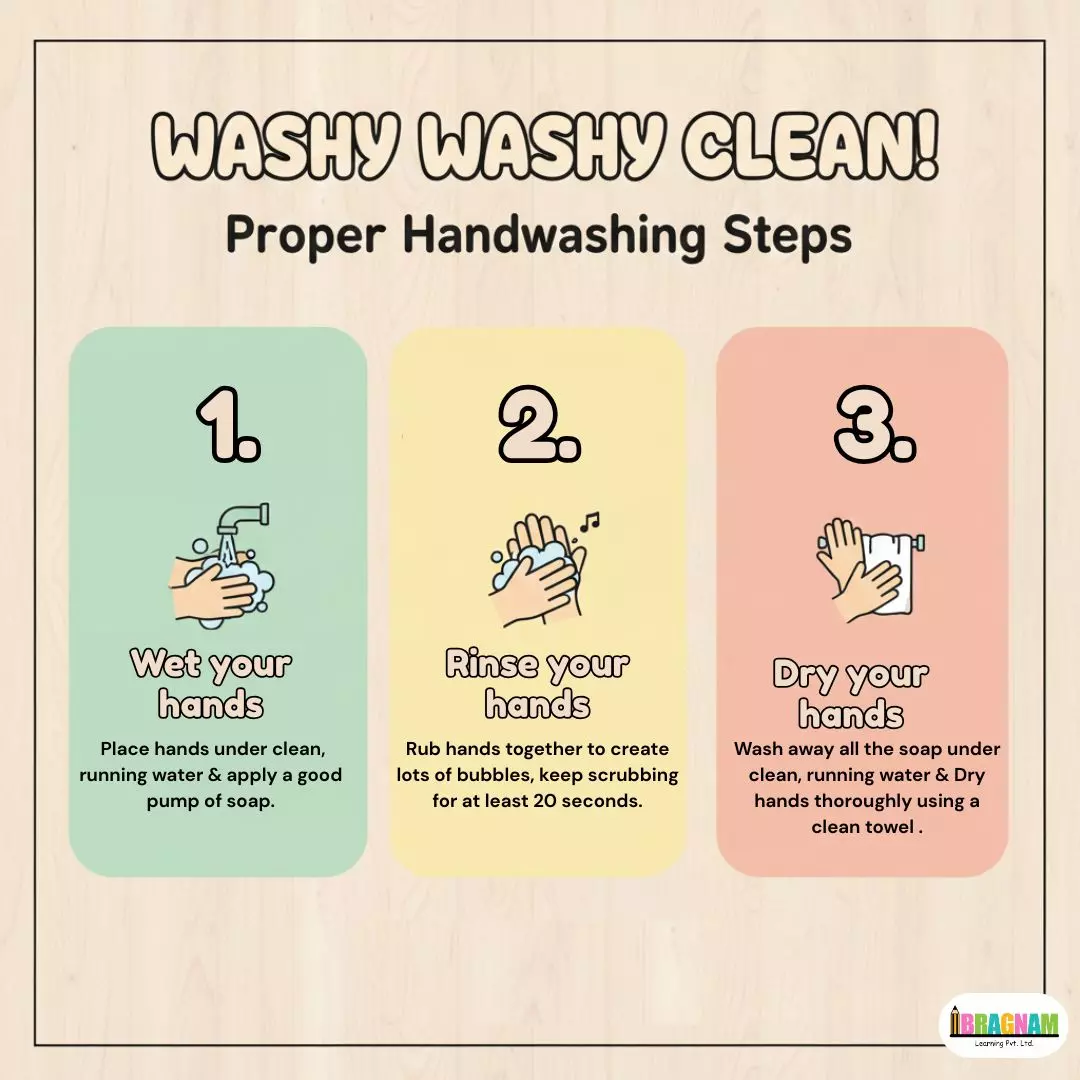
Proper Handwashing Steps

handwash

Follow these CDC-recommended steps to clean hands effectively. Wet hands with clean water, add soap, and lather for 20 secondsโ€”long enough to sing “Happy Birthday” twice. Rinse well and dry with a towel.โ€‹

  1. Wet hands under running water (warm or cold).โ€‹
  2. Apply soap and lather backs, palms, fingers, and nails.
  3. Scrub 20 seconds.
  4. Rinse thoroughly.
  5. Dry with a clean towel; use it to turn off the faucet.

If soap isn’t available, use sanitizer with 60% alcohol.โ€‹

Fun Ways to Make It Exciting

Turn chore into cheer with these preschool-friendly ideas. Use colorful, scented soaps shaped like animals to draw kids in. Games keep them scrubbing longer without reminders.โ€‹

  • Glitter Germs: Rub glitter on hands; challenge kids to wash it all off. Shows how soap repels germs visually.โ€‹
  • Pepper Experiment: Pepper floats on water like germs; soap makes it scatter. Mind-blowing science at home.โ€‹
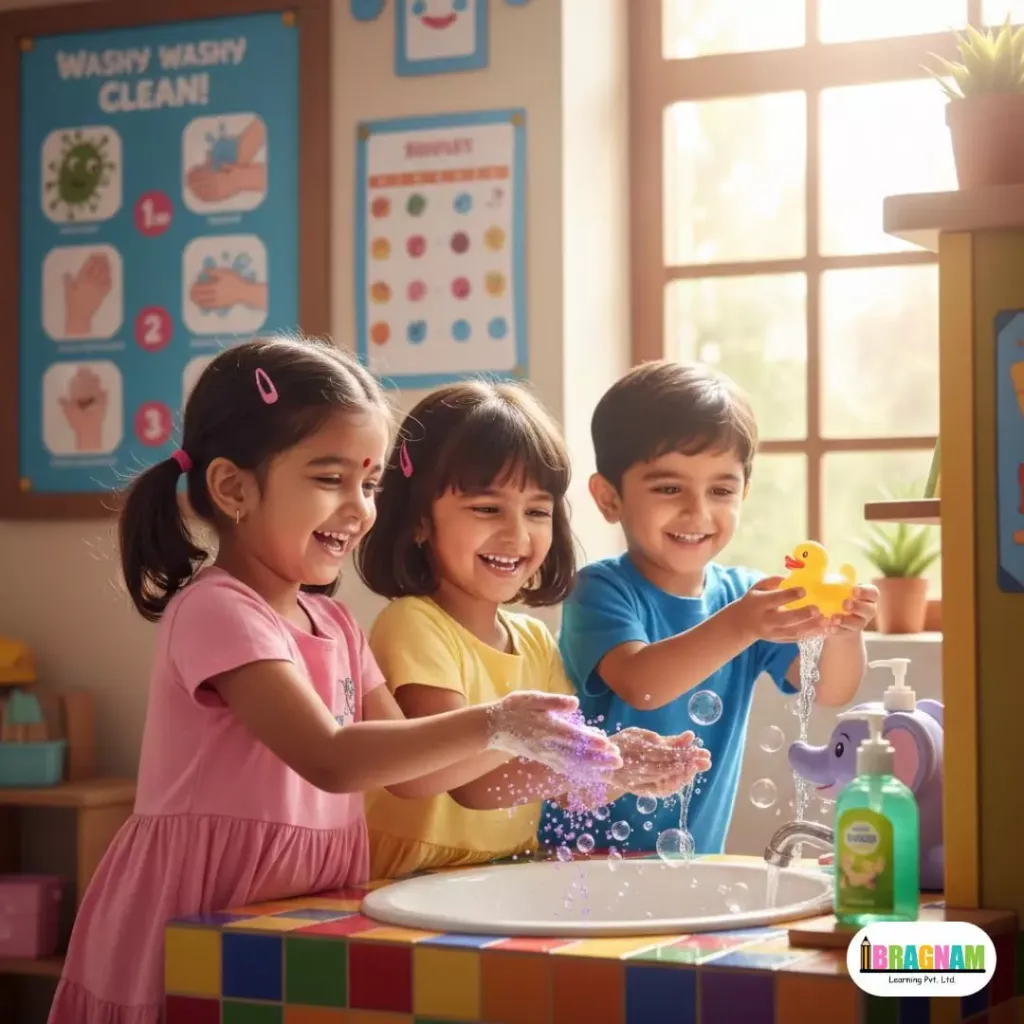
  • Blow Bubbles: Pump extra soap for bubbles while lathering. Turns washing into playtime.โ€‹
  • Toy Wash: Let kids wash a rubber ducky with their hands. Rewards clean habits.โ€‹

Songs and Rhymes for Timing

Songs ensure 20-second scrubs. “Wash Your Hands” by The Singing Walrus teaches steps with catchy chorus. Sing together for routine fun in playschools.

  • Happy Birthday (twice): Classic timer.โ€‹
  • Twinkle Twinkle Little Star: Fun alternative.โ€‹
  • Custom lyrics: Adapt favorites to “Washy washy clean, scrub between!”โ€‹

Play videos like CDC’s “Fight Germs” for visual demos.โ€‹

Montessori-Inspired Activities

Montessori builds independence with hands-on washing stations. Set up a low sink, soap dispenser, and towel for self-care practice. Kids pour water, soap up, rinse, and dry step-by-step.

Incorporate sensory play:

  • Frozen glove with “germs” (markers) to wash off.โ€‹
  • Handwashing chart with stickers for meals and playtime.โ€‹

These match early childhood methods, fostering control and hygiene.โ€‹

When to Wash Hands

Cue handwashing at key times to stop germ spread. Before eating, after potty, and post-outdoor play top the list. Make it a family or classroom habit.โ€‹

  • Before meals or snacks.
  • After using the bathroom or changing diapers.
  • After petting animals or blowing nose.
  • Before and after doctor visits.โ€‹

FAQ

How long should kids wash hands?

At least 20 seconds with soap, covering all surfaces.โ€‹

What if no soap or water?

Use alcohol-based sanitizer (60%+ alcohol) if hands aren’t dirty.โ€‹

Why use soap, not just water?

Soap breaks germ membranes; water alone misses most.โ€‹

Best songs for handwashing?

Happy Birthday, Twinkle Twinkle, or Wash Your Hands by Singing Walrus.โ€‹

How to teach preschoolers?

Use games like glitter germs and visual charts.โ€‹

Conclusion

Handwashing protects health when made fun through games, songs, and experiments. Playschool pros know engaged kids stay cleaner longer. Try these today for healthier little ones.โ€‹

Strong CTA: Share your favorite handwashing hack in comments or tag us on social! Enroll in our playschool for hygiene-focused learningโ€” contact Bragnam


Little Learners Birthday Fun

By |2026-01-19T12:48:21+05:3019 January 2026|Blog|

Birthday

Celebrating birthdays with little learners brings pure joy and excitement to any preschool or playschool setting. At Bragnam Learning, we turn these special days into memorable “little learners birthday fun” experiences that blend play, learning, and laughter.โ€‹

Why Birthday Fun Matters

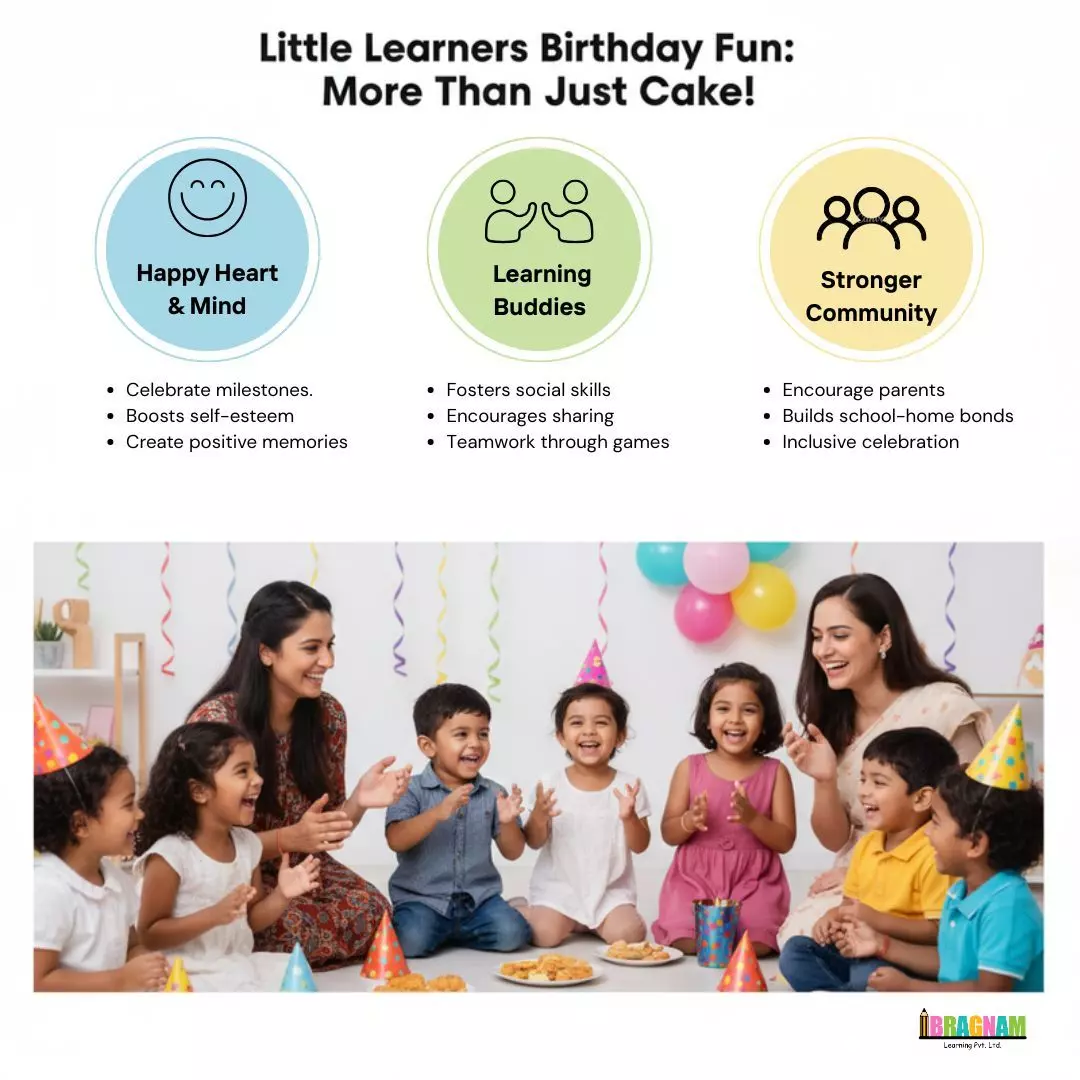
Birthdays mark growth milestones for toddlers and preschoolers. These celebrations boost self-esteem and create lasting memories while fostering social skills through group activities.โ€‹

In playschools like Bragnam and Balvatika, focused little learners birthday fun helps children feel valued and excited about learning.

Such events also strengthen parent-teacher bonds, making families feel part of the community.โ€‹

Planning the Perfect Little Learners Birthday Fun

Start with a simple theme to spark imagination. Popular choices include animals, space adventures, or nature explorers, keeping everything age-appropriate for 2-5 year olds.โ€‹

Gather safe, colorful decorations like streamers in the child’s favorite color and balloons tied to a special birthday chair.โ€‹

Involve parents early by sharing a planning checklist via WhatsApp or email, aligning with franchise communication best practices.

  • Choose a theme based on the child’s interest.
  • Prepare a birthday crown from cardboard and felt.โ€‹
  • Set up stations for easy flow during the party.

Keep the event to 1-2 hours to match short attention spans.

Circle Time Magic

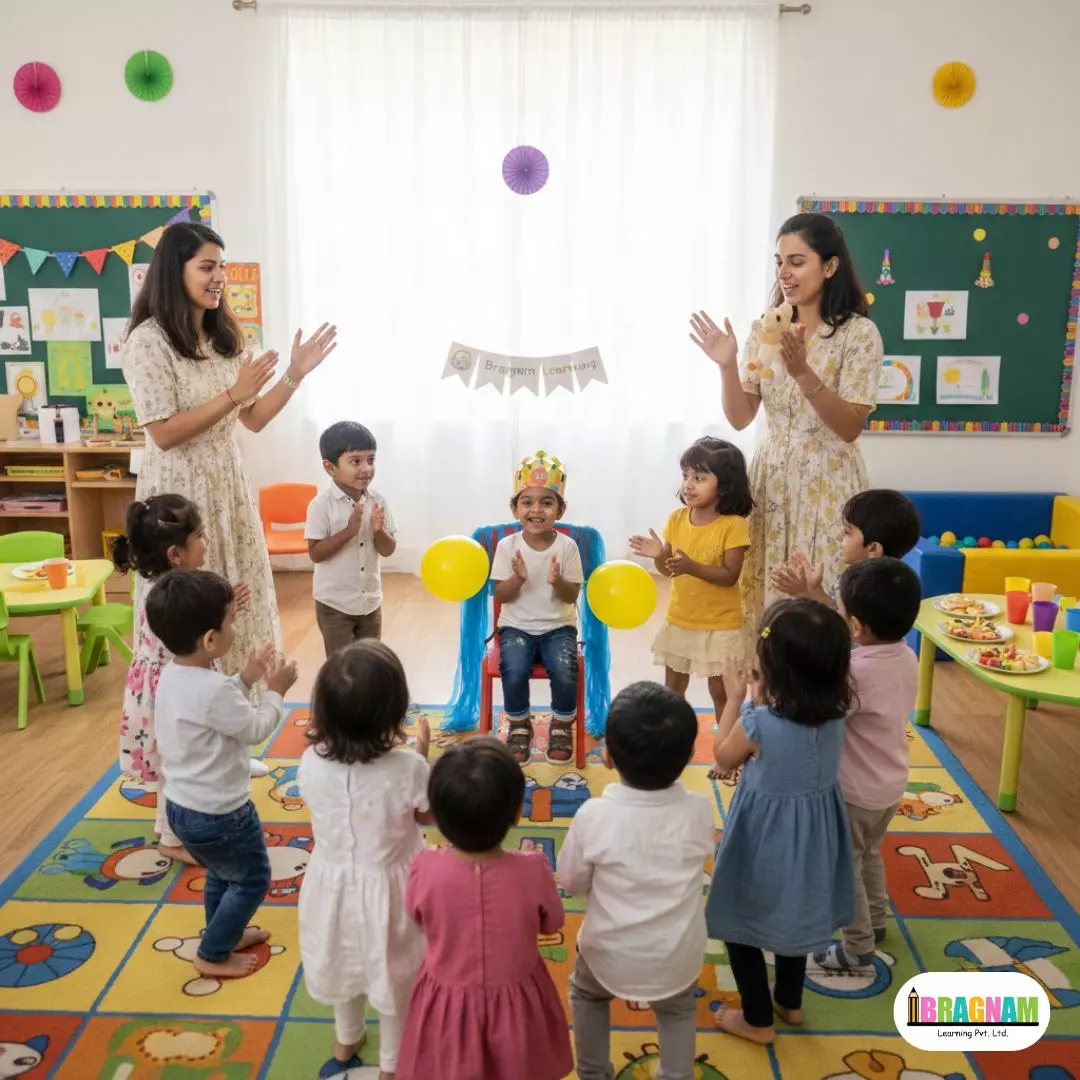
Gather everyone in a circle for singing and sharing. A special birthday chair lets the child sit in the spotlight while friends sing “Happy Birthday.”โ€‹

Add actions like clapping hands or jumping up and down from fun songs like Gracie’s Corner version.โ€‹

This builds language skills and group rhythm. At Bragnam playschools, circle time includes compliments: each child says something nice about the birthday star.โ€‹

Pass a soft toy around for “show and tell” of a gift, encouraging storytelling.

Engaging Games and Activities

Birthday

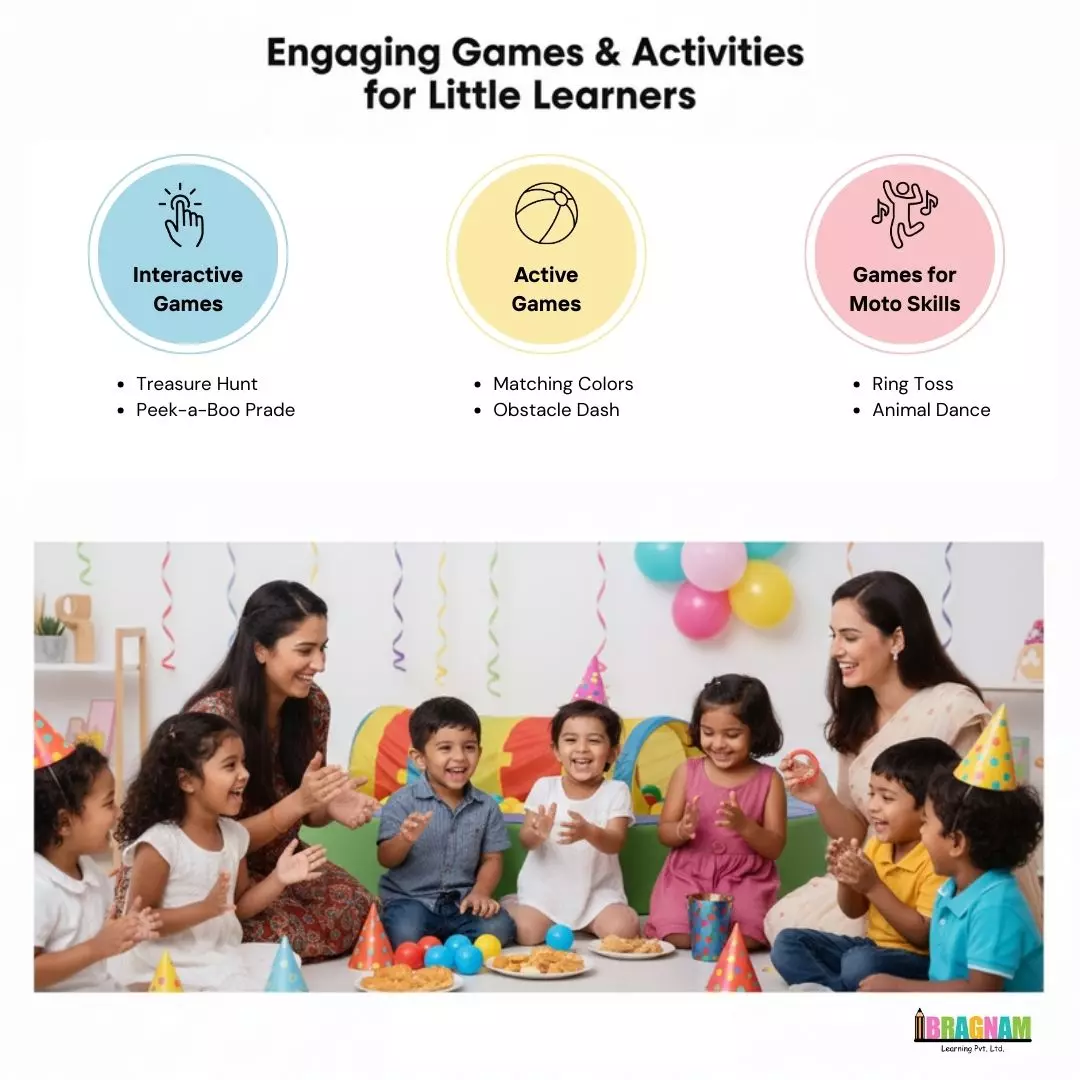
Games keep energy high with safe, simple fun. Try a treasure hunt with clues hidden around the classroom for puzzle pieces.โ€‹

Ball pits or soft play zones let little ones crawl and toss balls endlessly.

Outdoor options like ring toss or animal dances promote motor skills.โ€‹

  • Puzzle Hunt: Hide pieces; team up to assemble.
  • Peek-a-Boo Parade: Use scarves for giggles.
  • Matching Colors: Pair objects by hue.
  • Obstacle Dash: Pillows and tunnels for crawling adventures.โ€‹

These activities teach teamwork and problem-solving naturally.โ€‹

Creative Crafts for Little Hands

Crafts spark creativity with easy materials. Make paper plate animals or masks using construction paper and glue.โ€‹

Children love decorating birthday cards or paper chain garlands with glitter.โ€‹

Tie-dye shirts using rubber bands create personalized keepsakes.โ€‹

Set up stations:

  1. Paper plate crafts for fine motor practice.
  2. Crown making with ribbons.
  3. Balloon decorating (supervised).โ€‹

These double as party favors, extending the fun home.

Healthy Snacks and Treats

Opt for allergy-friendly bites. Yogurt parfaits with fruit and granola delight without sugar overload.

Veggie sticks with hummus or fruit skewers add crunch and nutrition.โ€‹

Pizza slices or mini sandwiches keep it festive yet balanced.

  • Yogurt cups layered with berries.
  • Carrot sticks and dip.
  • Apple slices with nut-free spread.โ€‹

Hydrate with infused water in colorful cups. Always check allergies first.

Themed Party Ideas

Themes transform ordinary days. Circus parties feature balloon animals and face paint.โ€‹

Underwater worlds with “fishing for numbers” teach counting.โ€‹

Space adventures let kids build rocket crafts.โ€‹

In Bragnam franchises, themes tie into Montessori methods for holistic fun.

Making It Inclusive

Celebrate every child, regardless of background. Adapt games for diverse needs, like seated options.โ€‹

Non-cake treats ensure no one misses out. Group planning involves all kids in decorations.

This builds empathy early. โ€‹

Birthday

Wrapping Up the Joy

Little learners birthday fun creates bonds that last beyond the classroom. These moments nurture happy, confident kids ready for lifelong learning at places like Bragnam Learning.

Ready to plan? Share your favorite birthday memory in the comments below!

Frequently Asked Questions (FAQs)

What are safe games for little learners birthday fun?
Simple games like ball pits, peek-a-boo, and treasure hunts work best, focusing on crawling and gentle movement.โ€‹

How to make preschool birthday snacks healthy?
Choose fruit parfaits, veggie sticks with hummus, and allergy-free options like yogurt cups.

What crafts for little learners birthday fun?
Paper plate animals, crowns, and garlands using safe materials boost creativity.โ€‹

Best songs for preschool birthday circle time?
Sing “Happy Birthday” with actions from CoComelon or Gracie’s Corner for engagement.โ€‹

How to plan inclusive birthday celebrations in playschool?
Use themes, involve kids in planning, and adapt for all abilities with educational twists.

Happy Makar Sankranti

By |2026-01-15T10:01:11+05:3014 January 2026|Blog|

Makar Sankranti

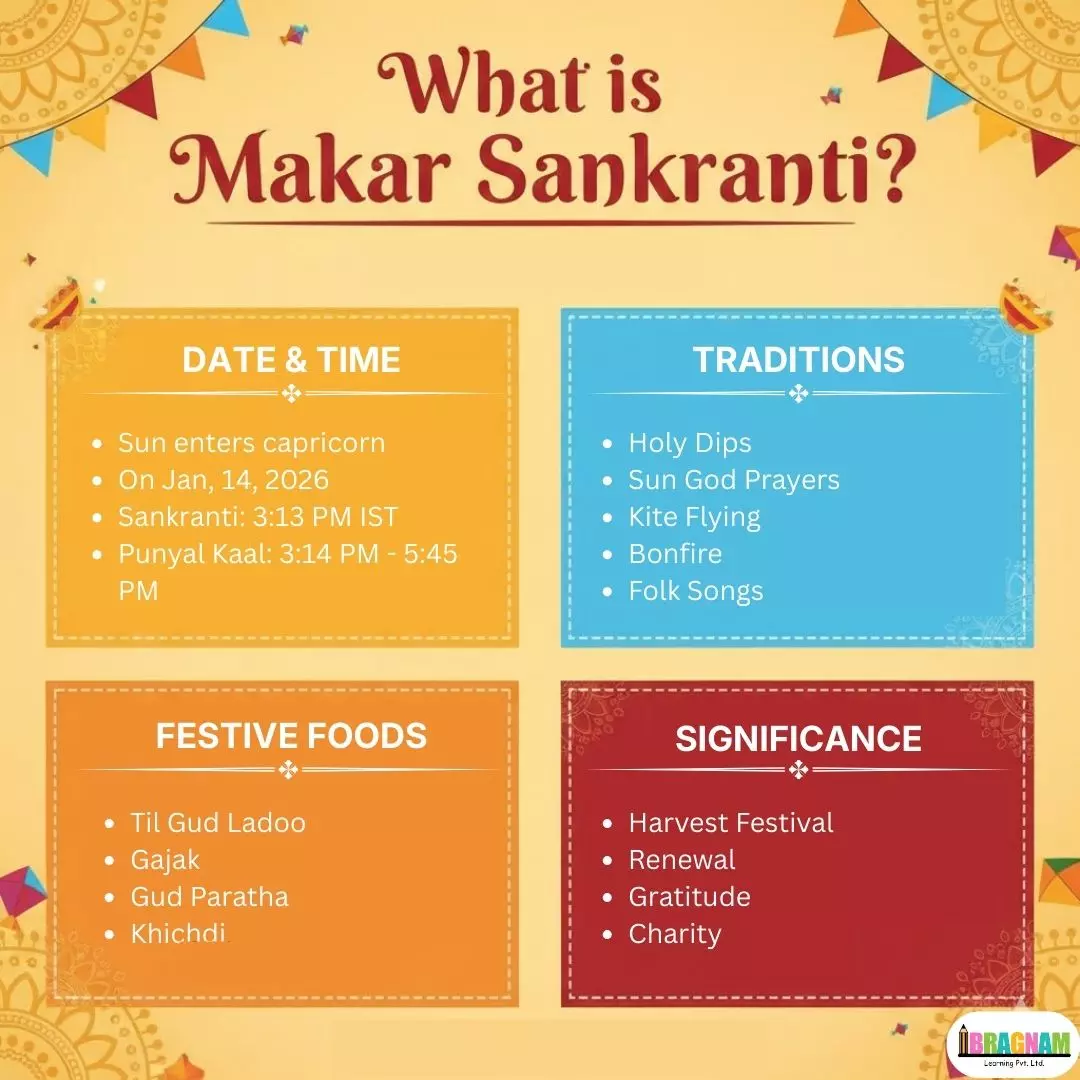
Makar Sankranti brings joy, warmth, and the thrill of kites soaring high as families across India celebrate the sun’s northward journey. This harvest festival on January 14, 2026, marks renewal and gratitude for bountiful crops.

What is Makar Sankranti?

Makar Sankranti

Makar Sankranti falls when the sun enters Capricorn, signaling longer days and the end of winter. In 2026, it occurs on Wednesday, January 14, with the Sankranti moment at 3:13 PM IST and Punya Kaal from 3:13 PM to 5:45 PM.

People take holy dips in rivers, offer prayers to the sun god, and share sweets made from sesame and jaggery. The festival embodies victory of light over darkness, rooted in ancient Vedic traditions.

Historical and Spiritual Significance

Legends from the Mahabharata say Bhishma Pitamah chose Uttarayan, the sun’s northward path, to attain moksha, highlighting its spiritual power. Farmers thank nature for harvests, performing rituals for prosperity.

This day promotes charity, with donations of til (sesame), gud (jaggery), clothes, and food to the needy. Scriptures view it as ideal for purification, meditation, and selfless acts.

Celebrations in Haryana and Sonipat

In Haryana, including Sonipat, families start with early morning baths at sacred spots like Kurukshetra’s Brahma Sarovar and Sannihit Sarovar to cleanse sins. Devotees perform pinda-daan for ancestors.

Kite flying fills the skies, with rooftops buzzing as people shout “Makai utha le!” while cutting rivals’ strings. Bonfires, folk songs, and feasts strengthen community bonds.

Local markets overflow with colorful patangs (kites), manja (glass-coated string), and til-gud sweets, creating festive vibes.

Traditional Foods and Recipes

Sesame and jaggery dominate Makar Sankranti sweets for their warming properties.

  • Til Gud Ladoo: Roast sesame seeds, melt jaggery into syrup, mix, and shape into balls. These chewy delights symbolize sweetness in life.
  • Gajak or Til Chikki: Combine roasted peanuts or sesame with jaggery syrup, spread thin, and break into pieces. Perfect for kite-flying snacks.
  • Til Gud Paratha: Stuff dough with sesame-jaggery mix, cook on tawa with ghee. Enjoy hot with butter.
  • Khichdi: Simmer rice and moong dal with ghee and spices. A sattvic meal post-rituals.

Avoid onion, garlic, alcohol, or harming nature to keep celebrations pure.

Kite Flying Fun

Kite festivals turn cities into colorful skies, especially in Gujarat’s Uttarayan and Haryana rooftops. Prepare patangs of various sizes, apply manja carefully, and fly during golden hours.

Safety tips include wearing gloves, avoiding overhead wires, and cheering fairly. Competitions build excitement, with winners earning bragging rights.

Regional Variations Across India

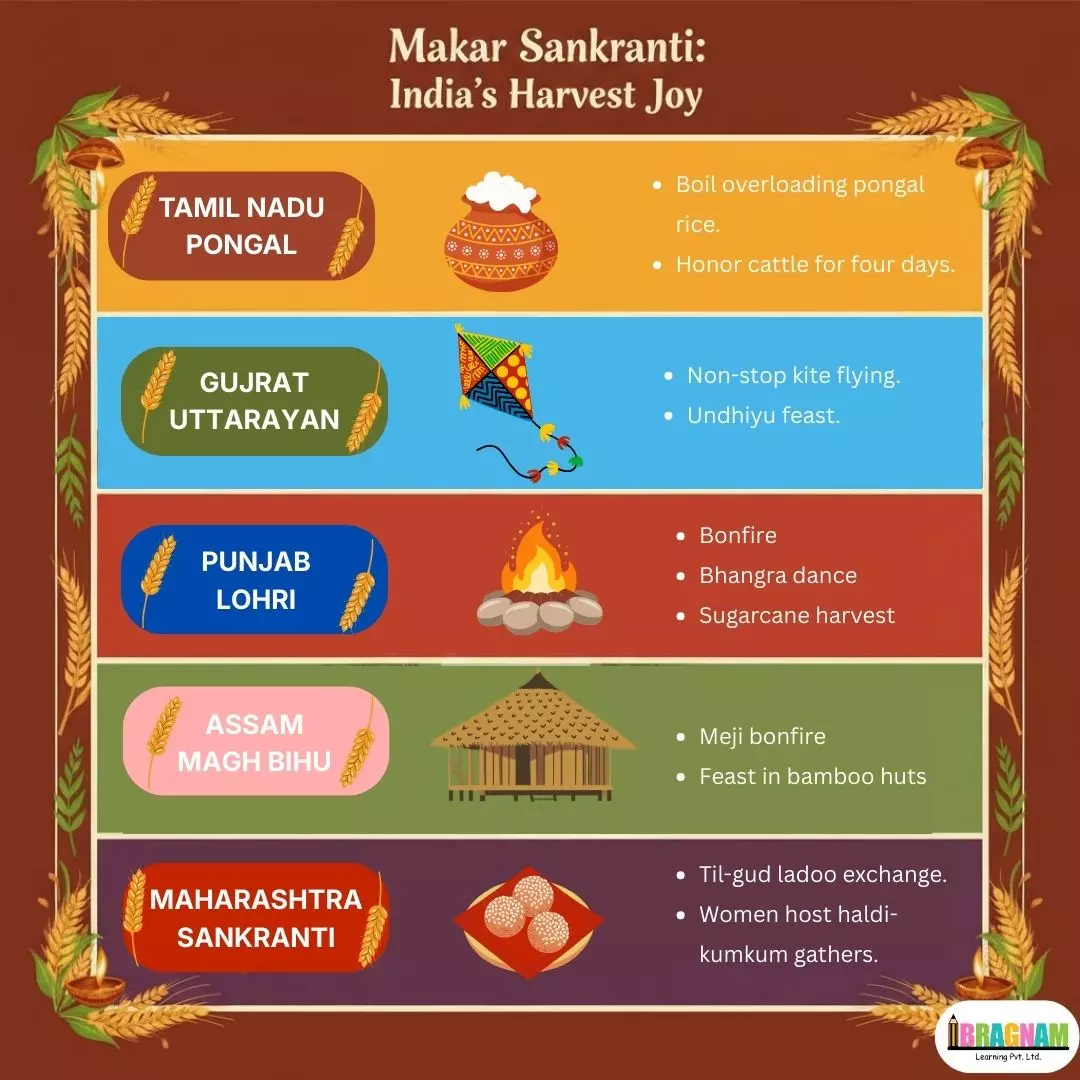
Makar Sankranti adapts uniquely nationwide.

RegionNameKey Traditions
Tamil NaduPongalBoil overflowing pongal rice, honor cattle over four days.
โ€‹
GujaratUttarayanNon-stop kite flying, undhiyu feast.
โ€‹
PunjabLohri/MaghiBonfires, bhangra, sugarcane harvest eve.
โ€‹
AssamMagh BihuMeji bonfires, feasts in bamboo huts.
โ€‹
MaharashtraSankrantiTil-gul exchange, “Til gul ghya, god god bola!”
โ€‹

These variations unite India in harvest joy.

Dos and Don’ts for Auspicious Vibes

Follow these for blessings.

  • Do: Take holy bath in Punya Kaal, donate til-gud, worship sun, eat sattvic food.
  • Don’t: Consume tamasic items like onion/garlic, alcohol, cut trees, ignore the needy.
Makar Sankranti

FAQ

When is Makar Sankranti 2026?
January 14, 2026, with Sankranti at 3:13 PM IST.

Why sesame and jaggery on Makar Sankranti?
They warm the body in winter and symbolize sweetness, prosperity.

What is Punya Kaal for rituals?
3:13 PM to 5:45 PM on January 14, 2026, ideal for puja and charity.

How to celebrate Makar Sankranti in Haryana?
Holy dips at Kurukshetra, kite flying, til-gud sweets, family feasts.

Is kite flying safe on Makar Sankranti?
Yes, with gloves, eye protection, and avoiding power lines.

Share your Makar Sankranti plans in the commentsโ€”did you make til ladoo or win a kite battle? Subscribe for more festive tips and early childhood ideas from Bragnam Learning!

Pongal: A Harvest Festival of Joy and Abundance

By |2026-01-13T12:37:42+05:3013 January 2026|Blog|

Pongal

Pongal celebrates the harvest season in Tamil Nadu, marking gratitude to the sun god, nature, and farmers for abundance. This vibrant four-day festival brings families together with rituals, delicious food, and joyful traditions.

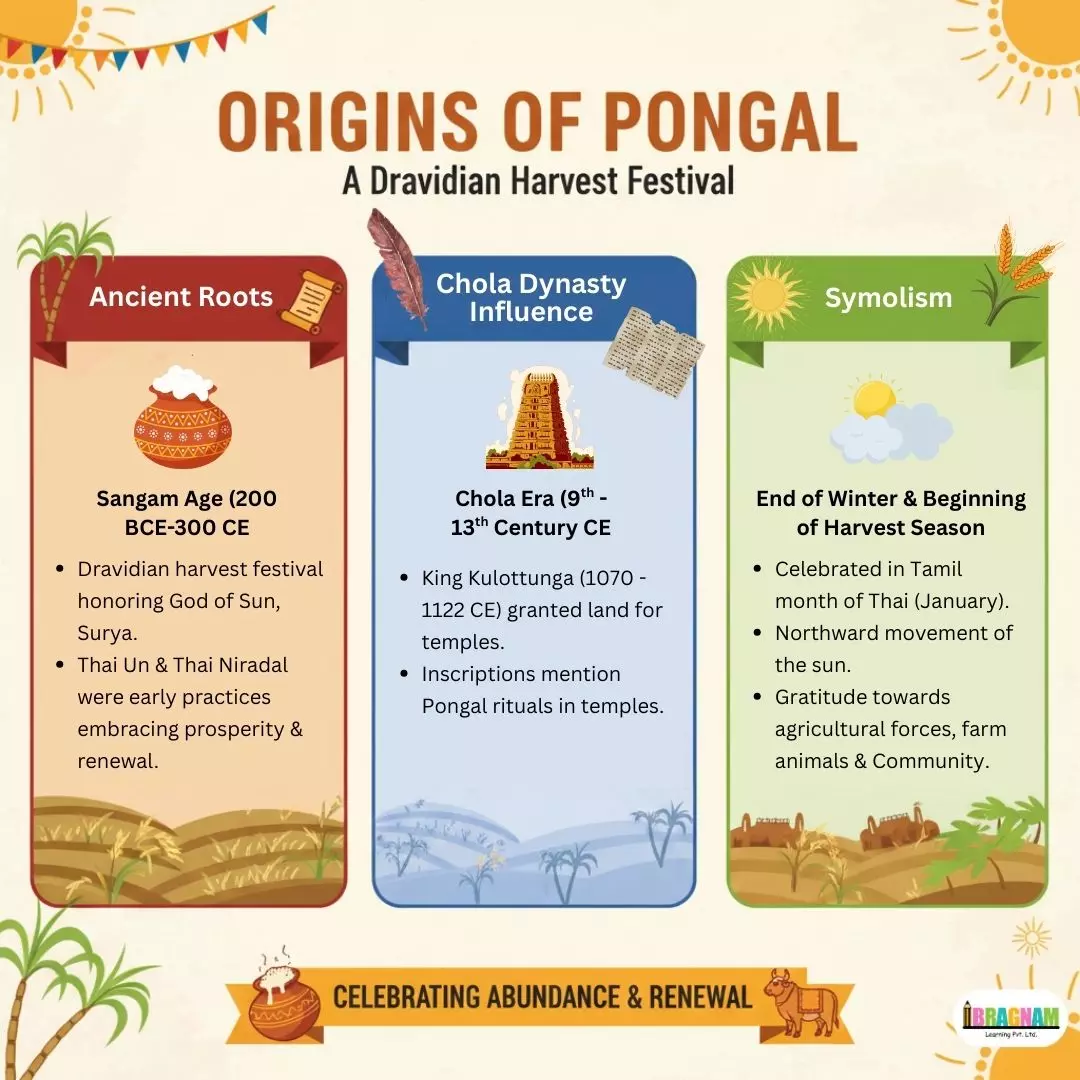
Origins of Pongal

Pongal

Pongal traces its roots to the Sangam Age, around 200 BCE to 300 CE, as a Dravidian harvest festival honoring the sun god Surya. Ancient inscriptions from the Chola era, like those from King Kulottunga I (1070โ€“1122 CE), mention grants for temple celebrations. It symbolizes the end of winter and the start of the harvest, coinciding with the Tamil month of Thai.

The festival thanks agricultural forces, farm animals, and communities that sustain farming. Historians link it to early practices like Thai Un and Thai Niradal, emphasizing prosperity and renewal.

Four Days of Pongal

Pongal spans four days, each with unique rituals that build excitement and gratitude.

  • Bhogi Pongal (Day 1, January 14, 2026): Families clean homes and discard old items in bonfires to welcome positivity. This act clears negativity, making space for new beginnings.
  • Thai Pongal or Surya Pongal (Day 2, January 15, 2026): The core day involves cooking the signature Pongal dishโ€”rice, milk, and jaggeryโ€”in clay pots outdoors until it overflows, chanting “Pongalo Pongal!” for abundance. Offerings go to the sun god at dawn.
  • Mattu Pongal (Day 3, January 16, 2026): Cattle receive baths, paintings, and garlands for their role in farming; bullfights and races add thrill in villages.
  • Kaanum Pongal (Day 4, January 17, 2026): A family reunion day with picnics, swings, and feasts to strengthen bonds.

These days align with the sun’s northward journey, marking Uttarayan.

โ€‹

Traditional Rituals and Customs

Homes buzz with preparations that blend spirituality and festivity.

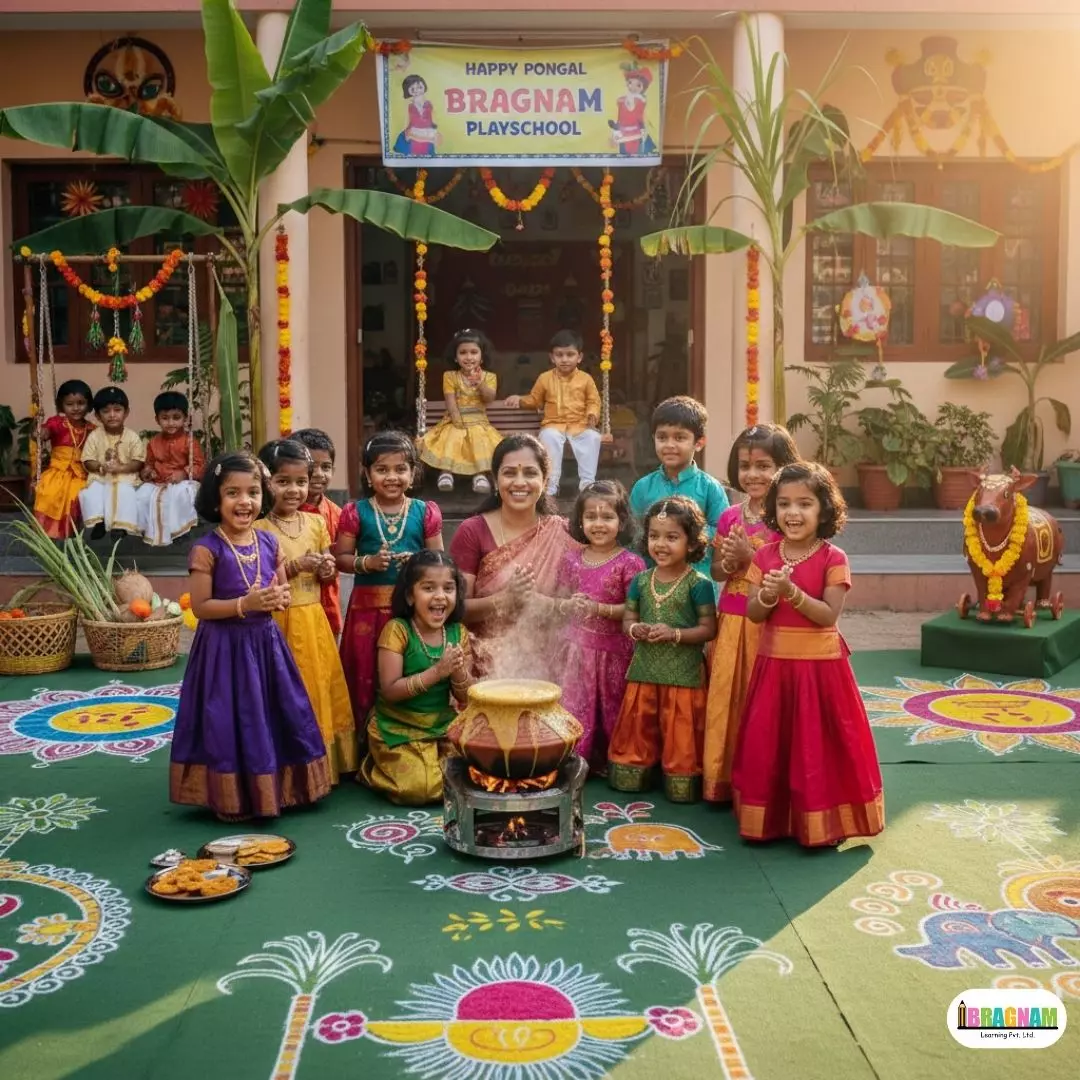
Draw vibrant kolams (rangoli) at entrances using rice flour, rice water, or colorsโ€”designs feature overflowing pots, sugarcane, elephants, or “Happy Pongal” messages to invite prosperity. Women lead this, creating intricate patterns like Sankranti raths (chariots).

Decorate with mango leaves, flowers, and banana plants. Families wear new clothes, visit temples, and exchange sweets. Modern touches include social media shares and virtual gatherings.

Delicious Pongal Recipes

Food is the heart of Pongal, with sweet and savory dishes made fresh.

Sweet Pongal (Sakkarai Pongal)

  • Ingredients: Raw rice (250g), moong dal (75g), jaggery (500g), ghee (100g), milk (100ml), cardamom, cashews, raisins, coconut slices.
  • Method: Cook rice and dal in water and milk; add melted jaggery, ghee, and spices; garnish with fried nuts. Serve hot for divine sweetness.

Savory Pongal (Ven Pongal)

  • Made with rice, moong dal, ghee, pepper, cumin, and curry leavesโ€”ready in 30 minutes. Pair with sambar and chutney.
  • โ€‹Other favorites: Medu Vada (crispy fritters), Jackfruit Pongal. These use new harvest rice, symbolizing plenty.

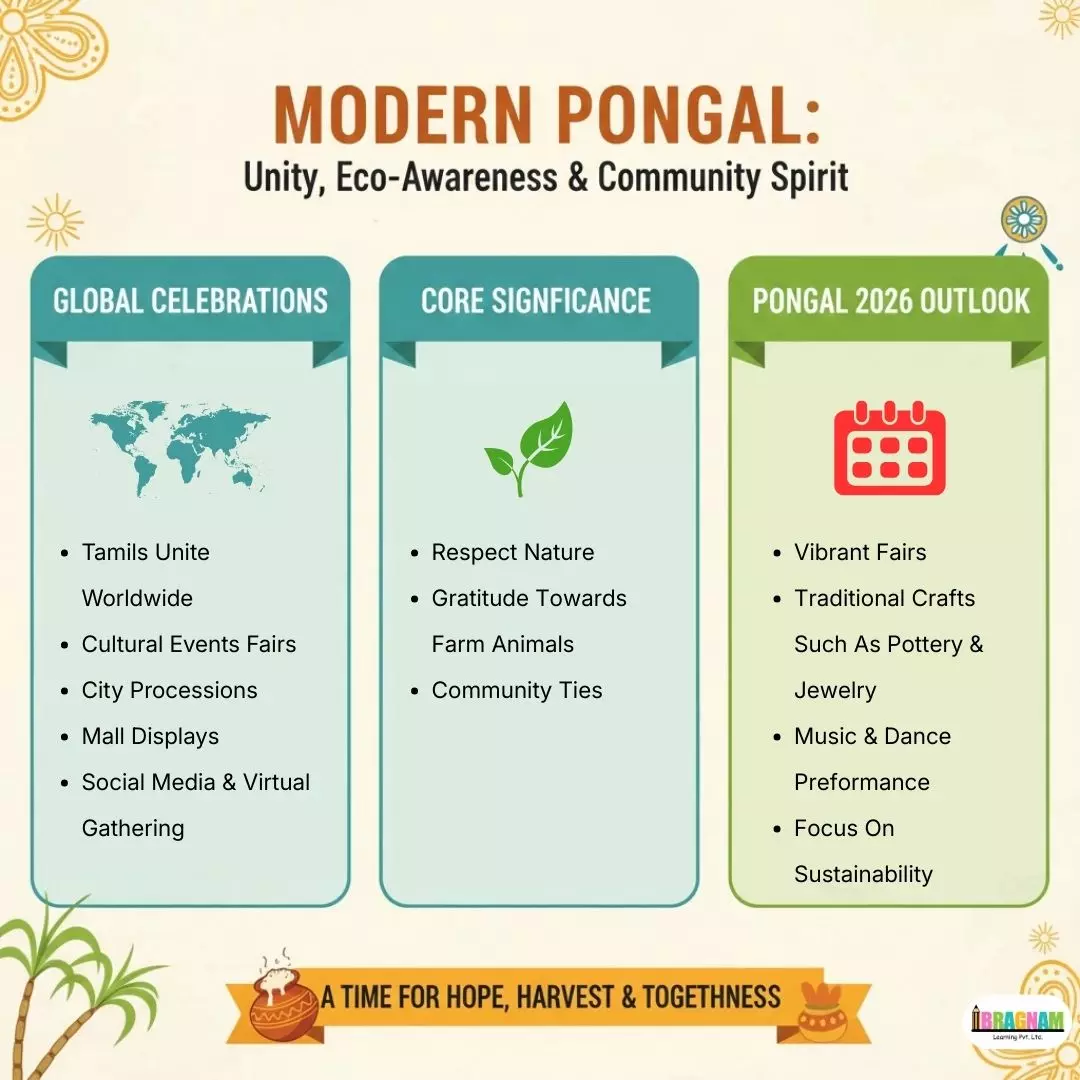
Modern Celebrations and Significance

Pongal

Today, Pongal unites Tamils worldwide, beyond Tamil Nadu, with fairs, crafts, and cultural events. Cities host processions, while malls feature displays.

It promotes eco-awareness, farm animal respect, and community ties. In 2026, expect vibrant melas with pottery and jewelry.

FAQ

What is Pongal festival?
Pongal is a four-day Tamil harvest festival thanking the sun god and nature for bountiful crops.

When is Pongal 2026?
Pongal 2026 falls from January 14 (Bhogi) to January 17 (Kaanum).

How do you celebrate Pongal?
Celebrate by cleaning homes, cooking overflowing Pongal, drawing kolams, honoring cattle, and family feasts.

What is the significance of Pongal?
It marks harvest abundance, sun’s northward path, and gratitude to farming elements.

What are traditional Pongal dishes?
Key dishes include sweet Sakkarai Pongal and savory Ven Pongal, plus vadas and payasam.

Conclusion

Pongal: A Harvest Festival of Joy and Abundance captures the essence of Tamil cultureโ€”gratitude, unity, and prosperity. As pots overflow with sweetness, so does life with hope. Embrace these traditions to feel the warmth of this timeless celebration.

Share your Pongal memories in the commentsโ€”what’s your favorite ritual or recipe? Subscribe for more festive insights and early childhood inspiration at Bragnam!

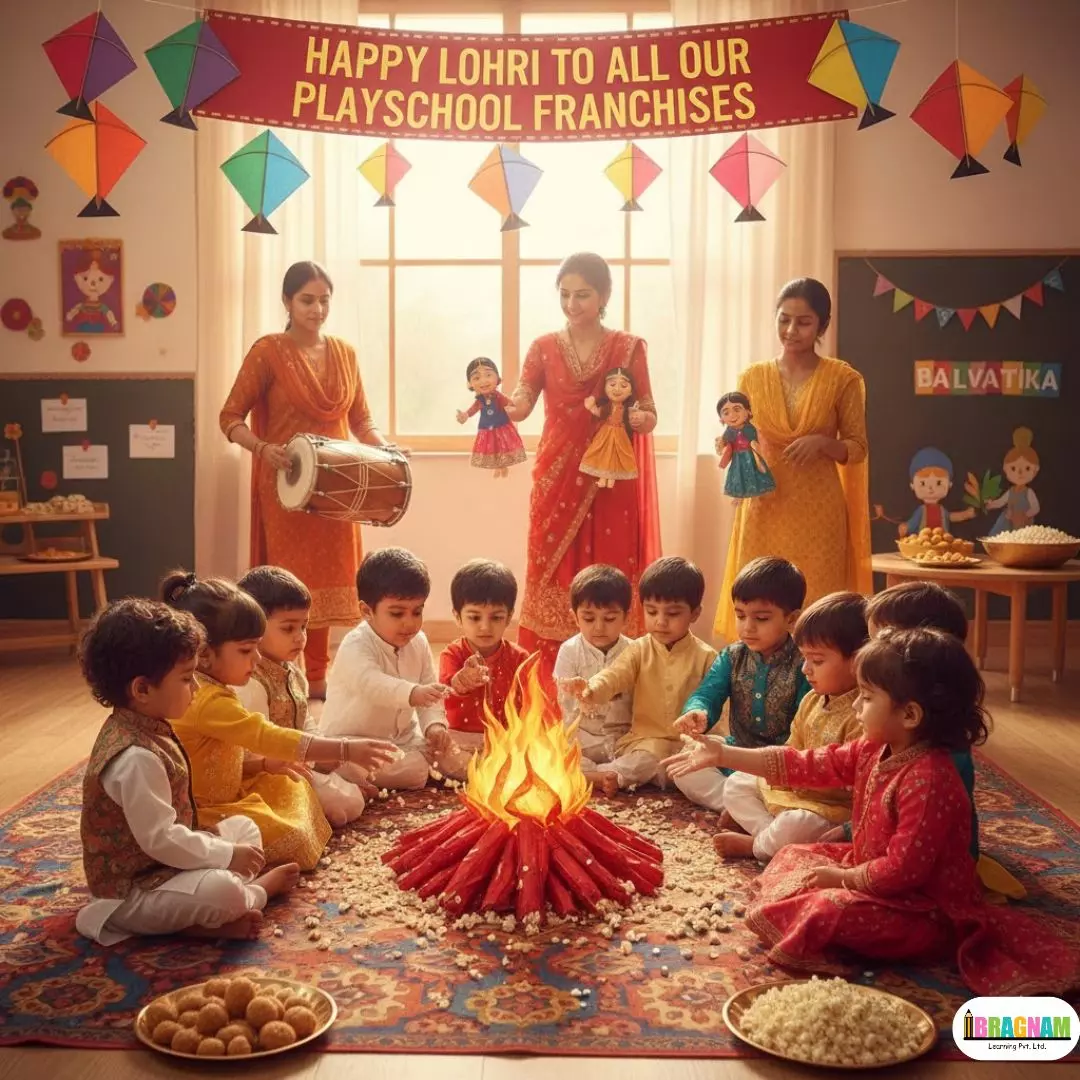
Happy Lohri to All Our Playschool Franchises

By |2026-01-12T12:24:46+05:3012 January 2026|Blog|

happy lohri

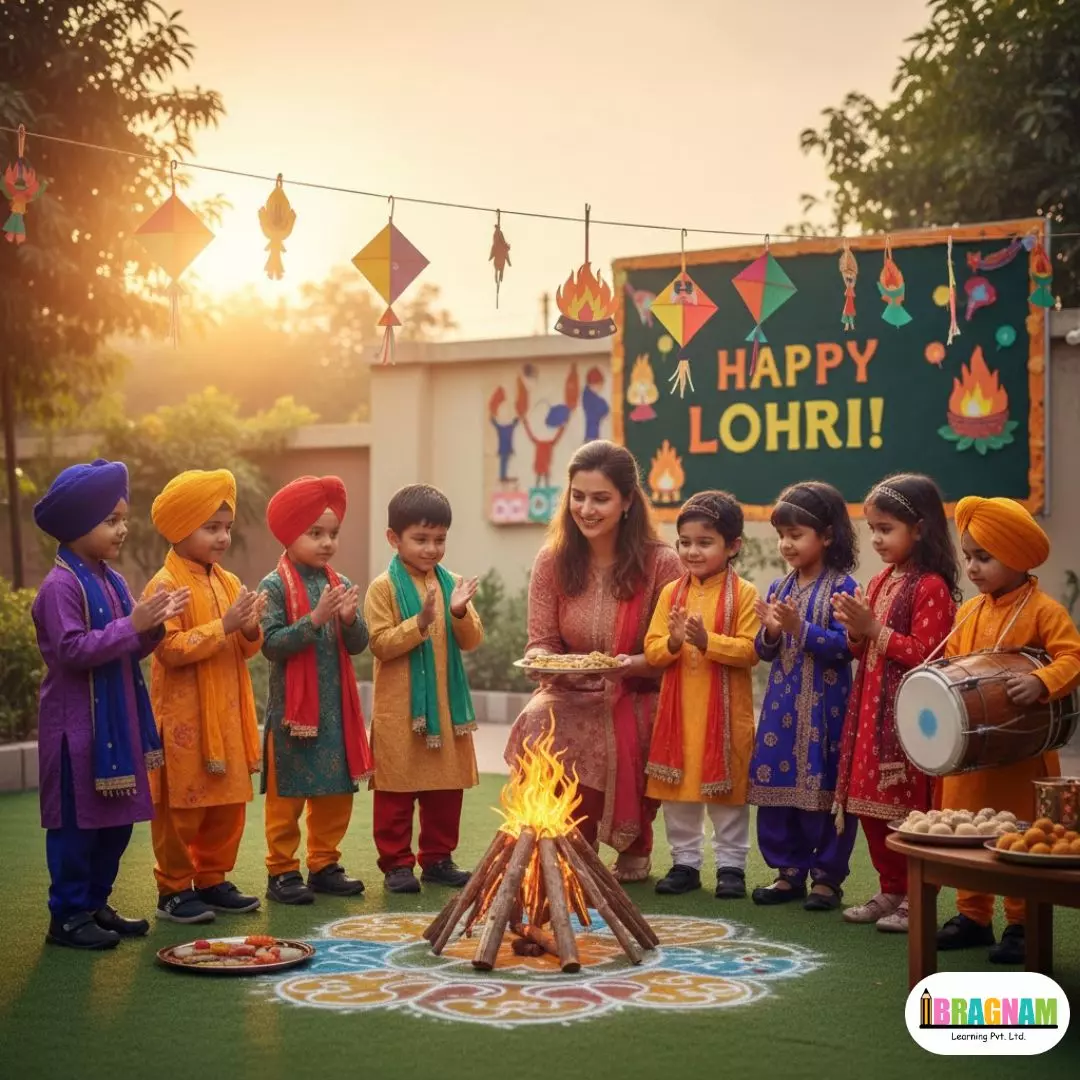
Happy Lohri to all our Bragnam and Balvatika playschool franchises! This joyful harvest festival brings warmth, community spirit, and celebration just when winter chills the air. As we light bonfires and sing folk songs, it’s the perfect time for our franchise family to unite in festivity and growth.

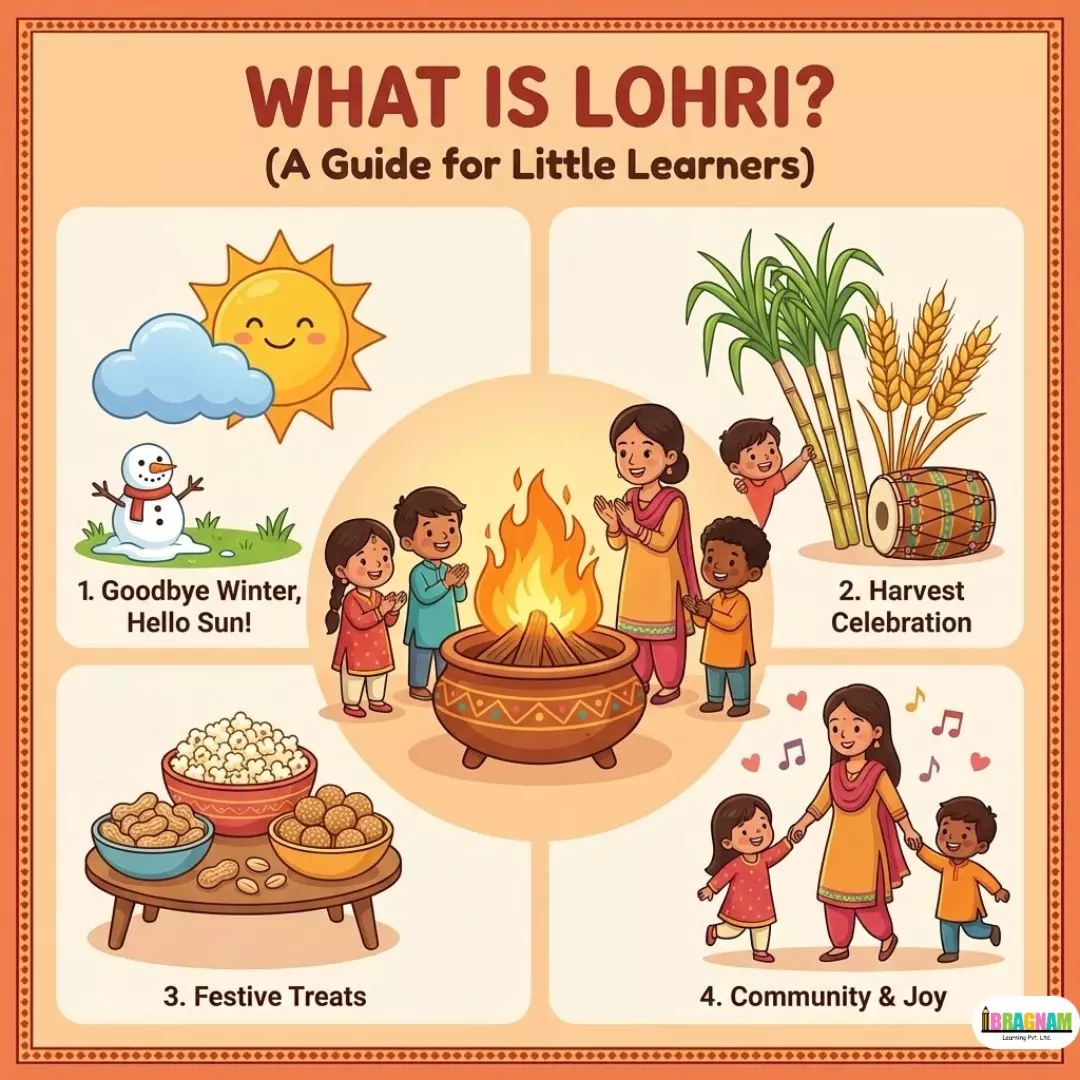
What is Lohri ?

happy lohri

Lohri marks the end of winter solstice and the harvest of rabi crops like wheat and sugarcane in Punjab. Families gather around bonfires to offer sesame seeds, jaggery, and popcorn while singing songs praising the sun’s longer days ahead.

The festival honors nature’s bounty and renewal, with roots in ancient agrarian traditions. In playschool settings, Lohri teaches children about gratitude, seasons, and cultural heritage through simple, fun activities.

The Legend of Dulla Bhatti

Lohri songs revolve around Dulla Bhatti, a Punjabi folk hero from Mughal times who robbed the rich to help the poor. Folklore tells how he saved two girls, Sundri and Mundri, from slavery and arranged their weddings, earning him eternal praise in songs like “Sundar Mundariye.”

This tale inspires bravery, kindness, and community supportโ€”values perfect for our playschool franchises. Share Dulla Bhatti’s story during Lohri events to spark imagination in young learners.

Lohri Traditions and Rituals

Celebrations start with preparing the bonfire in the evening. People circle it, throwing sesame seeds, gur, and twigs while praying for prosperity.

  • Sing traditional folk songs and perform bhangra or giddha dances.
  • Feast on seasonal treats like makki di roti with sarson da saag.
  • Exchange gifts and sweets with neighbors and family.

These rituals foster togetherness, ideal for franchise gatherings.

Lohri Foods to Savor

Lohri feasts warm the body and soul with simple, nutritious delights. Til laddoo made from sesame and jaggery symbolizes prosperity and provides winter energy.

Gajak offers crunch from peanuts and sesame syrup, while rewari candies delight kids. Pair makki di roti with creamy sarson da saag for a hearty harvest meal.

  • Til Laddoo: Roast sesame, mix with melted jaggery, roll into balls.
  • Peanuts Chikki: Combine roasted peanuts with jaggery syrup, cool, and break.
  • Moong Dal Halwa: A rich dessert for special occasions.

Prepare these safely at home or franchise events.

Fun Lohri Activities for Playschool Kids

happy lohri

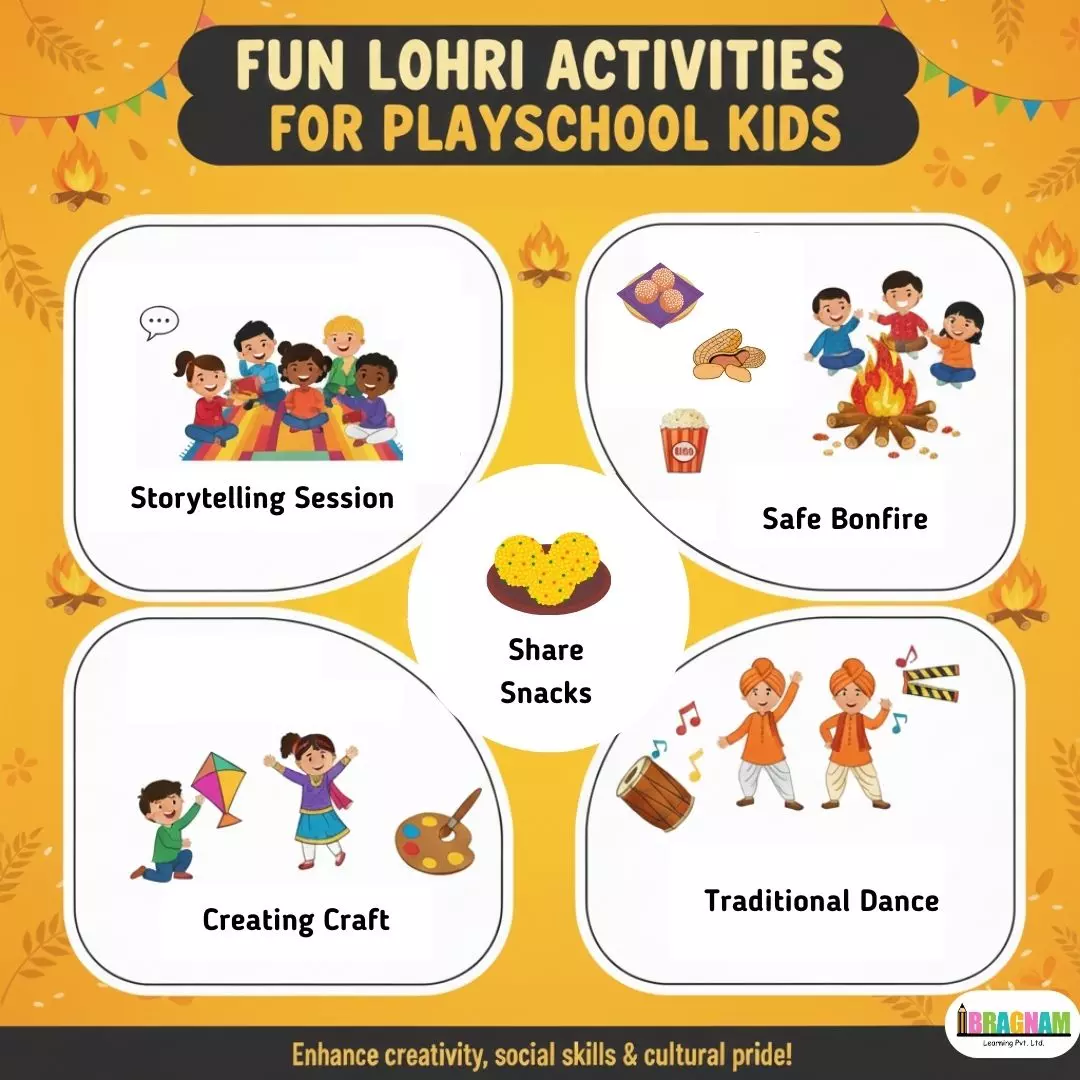
Bring Lohri magic to Bragnam classrooms with age-appropriate fun. Storytelling sessions about Dulla Bhatti captivate toddlers using puppets and visuals.

Create safe paper bonfires with red, orange, and yellow sheetsโ€”add glitter for flames. Kids love sorting rewari, peanuts, and popcorn to build math skills.

  • Traditional Dance: Play “Sundar Mundariye” for clapping and simple moves.
  • Crafts: Make kites, dhols, or coloring sheets of dancers and bonfires.
  • Snack Sharing: Offer popcorn and gur treats while discussing gratitude.

These boost creativity, social skills, and cultural pride.

Lohri for Playschool Franchises

At Bragnam Learning, Lohri strengthens our franchise network across locations. Organize virtual bonfire meets via Google Meet for songs and updates.

Share branded activity kits with uniforms and books for uniform Lohri events. This builds brand loyalty and parent engagement in early childhood education.

Celebrate sales milestones around Lohriโ€”offer festive incentives for business growth. Our playschools embody Lohri’s joy through Montessori-inspired learning.

Tips for Hosting Lohri at Your Franchise

Plan safe, inclusive events for 20-50 kids and parents.

  1. Set up a symbolic bonfire with LED lights.
  2. Schedule 30-minute sessions: story, craft, dance, snacks.
  3. Involve teachers in Punjabi attire for authenticity.

Promote via WhatsApp groups and Facebookโ€”tag Bragnam pages. Track engagement for future festivals.

Why Lohri Matters in Early Education

Lohri introduces seasons, community, and emotions to preschoolers. Activities enhance fine motor skills via crafts and gross motor through dances.

It aligns with Montessori pedagogy by connecting kids to cultural roots. Franchises using Lohri themes see higher parent satisfaction and enrollment.

FAQ

What is the significance of Lohri festival?

Lohri celebrates the winter harvest, longer days, and community bonds in Punjab. It honors the sun and fire while marking agricultural prosperity.

Who is Dulla Bhatti in Lohri legend?

Dulla Bhatti was a heroic figure who helped the poor and saved girls from hardship, inspiring Lohri songs sung around bonfires.

What are traditional Lohri foods for kids?

Kid-friendly options include til laddoo, rewari, gajak, popcorn, and roasted peanutsโ€”sweet, crunchy treats full of warmth.

How to celebrate Lohri in playschool?

Use storytelling, paper bonfire crafts, folk songs, dances, and snack sharing for safe, educational fun.

When is Lohri celebrated?

Lohri falls on January 13 or 14, just before Makar Sankranti, signaling winter’s end.

What crafts for Lohri preschool activities?

Popular crafts: bonfire models from construction paper, kites, dhols, and coloring bonfires or dancers.โ€‹

Happy Lohri! Share your franchise’s Lohri moments in the comments or WhatsApp groupsโ€”tag Bragnam Learning. Let’s make 2026 our most prosperous year yet. Contact us for festive kits and support.

Lohri: The Bonfire Festival of Joy and Togetherness

By |2026-01-12T10:30:44+05:3010 January 2026|Blog|

Lohri

Lohri lights up the winter nights with bonfires, folk songs, and feasts, celebrating harvest bounty and community bonds in Punjab. This vibrant festival, known as the Lohri festival, brings families together in joy and togetherness around crackling fires.

Origins of Lohri

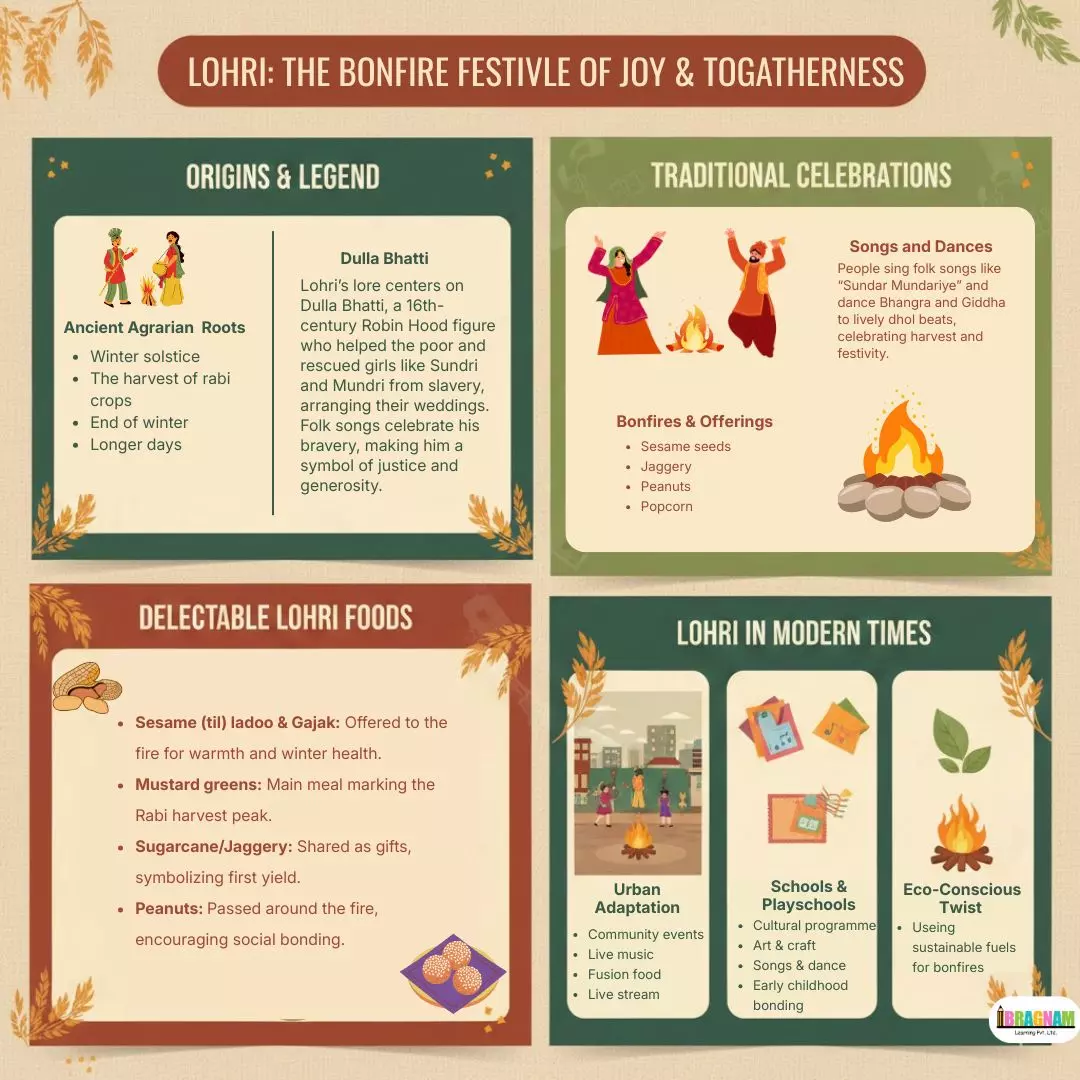
Lohri traces its roots to ancient agrarian traditions in Punjab, marking the end of winter solstice and the harvest of rabi crops like wheat and sugarcane. The festival honors the sun’s northward journey, bringing longer days and warmer weather essential for farming.

Central to Lohri’s lore is Dulla Bhatti, a 16th-century Robin Hood figure who robbed the rich to help the poor, rescuing girls like Sundri and Mundri from slavery and arranging their weddings. Folk songs sung during celebrations recount his bravery, turning him into a beloved hero symbolizing justice and generosity.

Significance Today

Lohri

Lohri embodies joy and togetherness, fostering family reunions and neighborhood gatherings amid Punjab’s chilly January nights. It pays tribute to farmers’ hard work, expressing gratitude for abundant harvests that sustain communities.

In 2026, Lohri falls on January 13, a Tuesday, one day before Makar Sankranti, amplifying its role as a precursor to broader harvest festivities. Beyond Punjab, it spreads to Haryana, Delhi, and Himachal Pradesh, blending cultural pride with modern revelry.

Traditional Celebrations

Communities build massive bonfires in open fields or courtyards, circling them to offer sesame seeds, jaggery, peanuts, and popcorn as prayers to Agni and Surya for prosperity.

  • Songs and Dances: Groups sing classics like “Sundar Mundariye” praising Dulla Bhatti, “Tode Uper Toda” evoking harvest greens, and “Paa De Lohri” for festive cheer; men perform energetic Bhangra while women sway in Giddha to dhol beats.
  • Rituals: Elders bless newborns and newlyweds; children go door-to-door chanting Lohri songs for treats like rewri and gajak.
  • Feasting: Evenings feature Makki di roti with sarson da saag, warming the body against winter cold.

These rituals create an electric atmosphere of laughter, shared stories, and rhythmic claps.

Delectable Lohri Foods

Lohri feasts spotlight seasonal sweets and savories made with jaggery and sesame for their warming qualities.

  • Til Laddoo and Gajak: Crunchy sesame-jaggery balls and brittle symbolize prosperity; easy to share around the fire.
  • Pinni and Rewri: Ghee-laden wheat-jaggery sweets and sugar-coated sesame discs fuel festive energy.
  • Savory Stars: Roasted peanuts, murmure laddoo, and moong dal halwa add nutty indulgence.

Makki di roti paired with creamy sarson da saag remains the hearty main, tying back to harvest roots. Home cooks prepare these in advance, filling homes with sweet aromas that draw everyone together

Lohri in Modern Times

Urban celebrations adapt traditions with community events, live music, and fusion foods while preserving the bonfire core. Families in cities like Mohali host gated society bonfires, blending tech-savvy live streams with classic bhangra.

Schools and playschools incorporate Lohri into cultural programs, teaching kids about Punjab’s heritage through crafts and songsโ€”perfect for early childhood bonding. Eco-conscious twists use sustainable fuels for bonfires, ensuring joy and togetherness endure.

Lohri

FAQ

What is Lohri and why is it celebrated?
Lohri is a Punjabi harvest festival marking winter’s end and longer days, celebrated with bonfires to honor farmers and legends like Dulla Bhatti.

When is Lohri 2026?
Lohri 2026 falls on January 13, Tuesday, ideal for evening bonfires and festivities.

What are traditional Lohri foods?
Favorites include til laddoo, gajak, makki di roti with sarson da saag, rewri, and roasted peanuts for warmth and sweetness.

Who is Dulla Bhatti in Lohri lore?
Dulla Bhatti was a heroic robber who aided the poor, rescued girls from slavery, and inspired Lohri songs sung around bonfires.

How do people celebrate Lohri?
Gather around bonfires for songs like “Sundar Mundariye,” bhangra and giddha dances, offerings to fire, and feasting on seasonal treats.โ€‹

Lohri weaves joy and togetherness through flames that mirror heartfelt connections. Share your Lohri plans in the commentsโ€”did a special song or sweet make your night unforgettable? For more festive vibes, explore our .


The Chess Life: Tournaments, Tactics, and Triumph

By |2026-01-09T12:04:36+05:309 January 2026|Blog|

The Chess Life

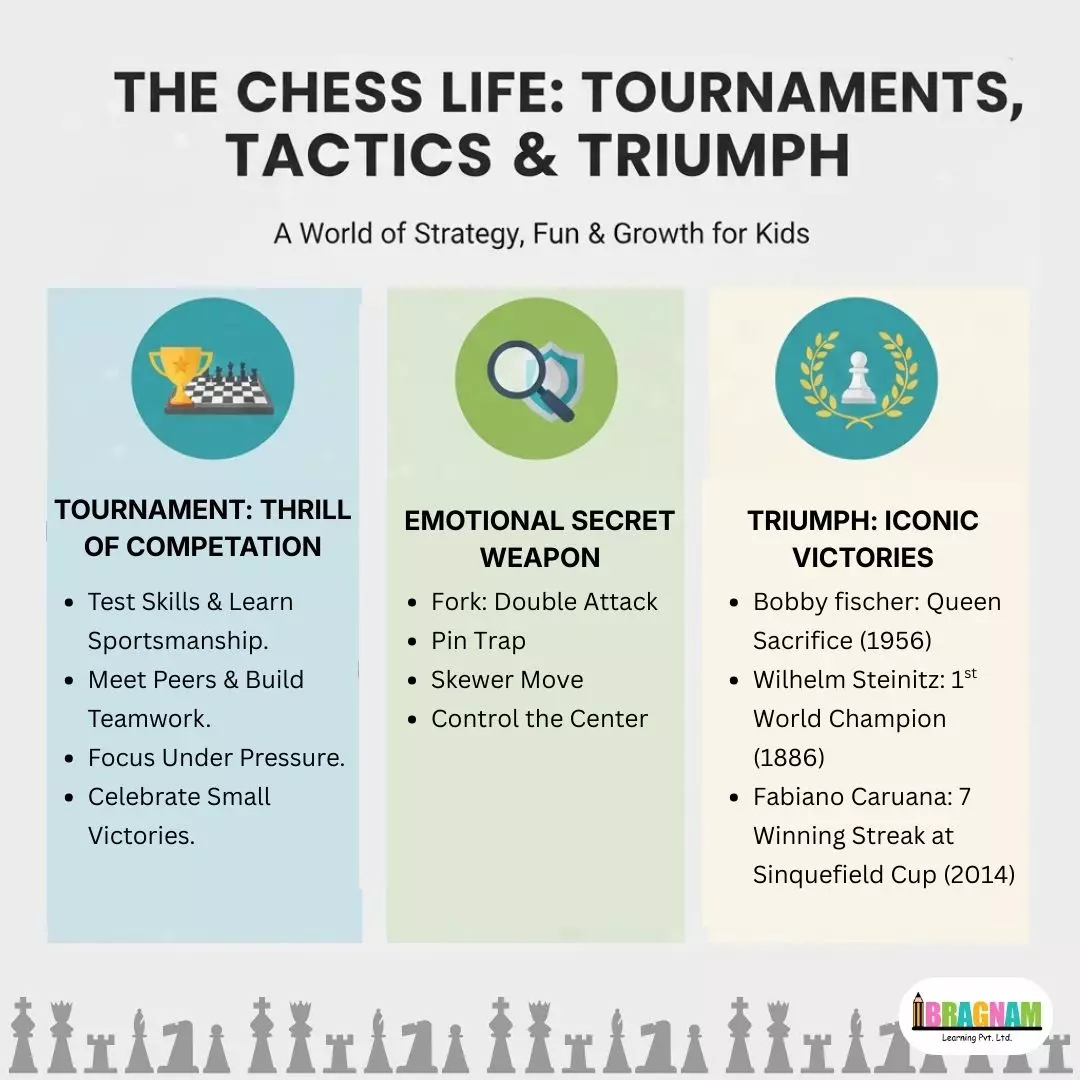
Imagine diving into the captivating world of chess, where every move counts and young minds sharpen like never before. The chess life offers kids endless excitement through tournaments, clever tactics, and sweet triumphs that build lifelong skills.

Why Embrace the Chess Life?

The Chess Life

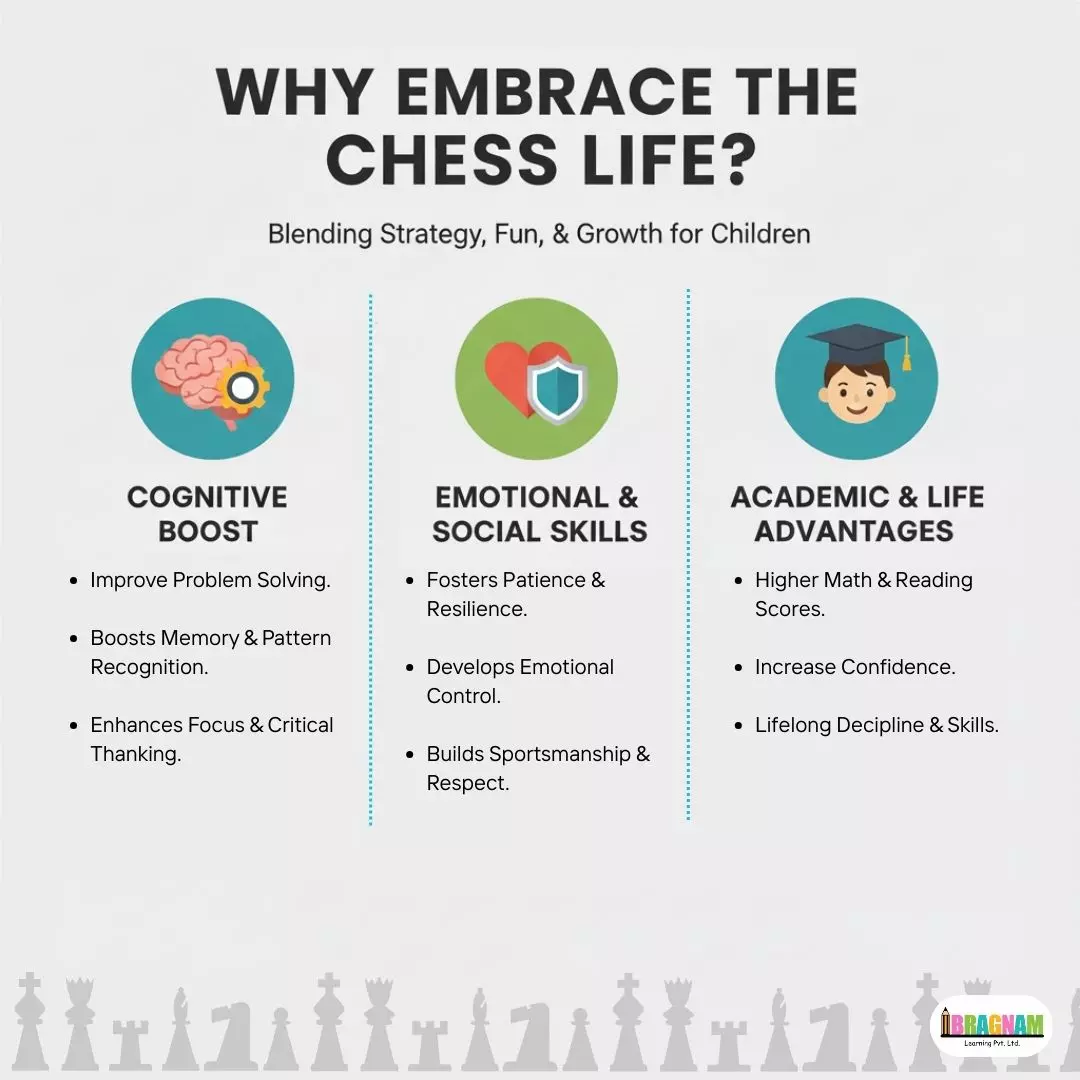
The chess life goes beyond the board, blending strategy, fun, and growth for children. It fosters critical thinking, patience, and resilience, making it perfect for early childhood development. Parents notice kids gaining confidence and better focus, skills that shine in school and beyond.

  • Improves problem-solving by planning moves ahead.
  • Boosts memory and pattern recognition.
  • Enhances emotional control during wins or losses.

Thrill of Chess Tournaments

Chess tournaments turn learning into action, especially for kids. They face real challenges, meet peers, and learn sportsmanship in events like India’s National Under-9 Championships. These gatherings build teamwork vibes even in solo play.

Upcoming kid-friendly tournaments include:

  • 38th National Under-11 Open in Jalgaon, Maharashtra (Aug 2025).
  • National Under-15 in Ghaziabad, UP (Nov 2025).
  • โ€‹Competing hones focus under pressure and celebrates small victories.

Mastering Essential Chess Tactics

Tactics are the secret weapons in the chess life. Beginners start with forks, where one piece attacks two foes at once. Pins trap enemy pieces, blocking their path without escape.

Key beginner tactics:

  • Fork: Double attack for quick wins.
  • Pin: Glue a piece to its protector.
  • Skewer: Force powerful pieces to flee, exposing targets.
  • โ€‹Practice daily puzzles to spot these in tournaments. Control the center early with pawns on e4 or d4 for more options.

Iconic Tales of Triumph

Triumphs inspire the chess life. Bobby Fischer, at 13, sacrificed his queen in the “Game of the Century,” stunning experts. His 20-game win streak led to world champion glory.

Other legends:

  • Wilhelm Steinitz became the first official World Champion in 1886.
  • Fabiano Caruana’s 7 wins at the 2014 Sinquefield Cup.
  • โ€‹These stories show persistence pays off in tournaments and life.

Building Skills for Lasting Success

Living the chess life equips kids with tools for academics and beyond. Studies link weekly chess to better math and reading scores. It aids ADHD kids with focus and self-control.

Benefits include:

  • Stronger social skills from opponent respect.
  • Resilience from handling defeats.
  • Lifelong discipline.

Start young for maximum growth.

The Chess Life

FAQ

What is the chess life?
The chess life means embracing chess as a fun lifestyle that mixes tournaments, tactics practice, and celebrating triumphs to build kids’ skills and confidence.

Why are chess tournaments good for children?
Tournaments teach pressure handling, sportsmanship, and growth through competition, boosting emotional and intellectual development.

What are basic chess tactics for beginners?
Start with forks (double attacks), pins (trapping pieces), and skewers (forcing moves). Practice daily for quick improvement.

How does chess help in early childhood?
Chess sharpens focus, problem-solving, and social skills, improving school performance like math and reading.

What are famous chess triumphs?
Bobby Fischer’s queen sacrifice at 13 and 20-game streak stand out, inspiring young players worldwide.

Ready to spark your child’s chess life? Enroll them in a local tournament or start daily tactics practice todayโ€”share your first win story in the comments!

Chess Openings Decoded: Secrets to a Strong Start

By |2026-01-09T11:32:05+05:308 January 2026|Blog|

Chess Openings Decoded

Chess Openings decoded: secrets to a strong start is all about turning those confusing first moves into a simple, clear plan you can follow in every game. When your opening makes sense, you feel calmer, your pieces develop smoothly, and you avoid the early blunders that lose games in just 10 moves.

This guide breaks down the secrets behind strong chess openings in plain language, so beginners, kids, parents, and casual players can use them right awayโ€”without memorizing long, scary theory.

Why openings matter

A strong start sets the tone for the entire game. Good chess openings help you reach safe, active positions where your pieces work together and your king is protected.

When you understand Chess Openings decoded: secrets to a strong start, you stop guessing moves and start playing with purpose from move one.

What a โ€œstrong startโ€ really means

A strong start in chess is not about fancy traps; it is about simple, repeatable habits:

  • Your pieces come out quickly and actively.
  • Your king becomes safe through early castling.
  • You fight for space and control in the center of the board.
  • You avoid unnecessary pawn moves and repeated moves with the same piece.

These basics give you a solid platform for the middlegame, where tactics and strategy decide the result.

The four golden opening principles

Chess Openings Decoded

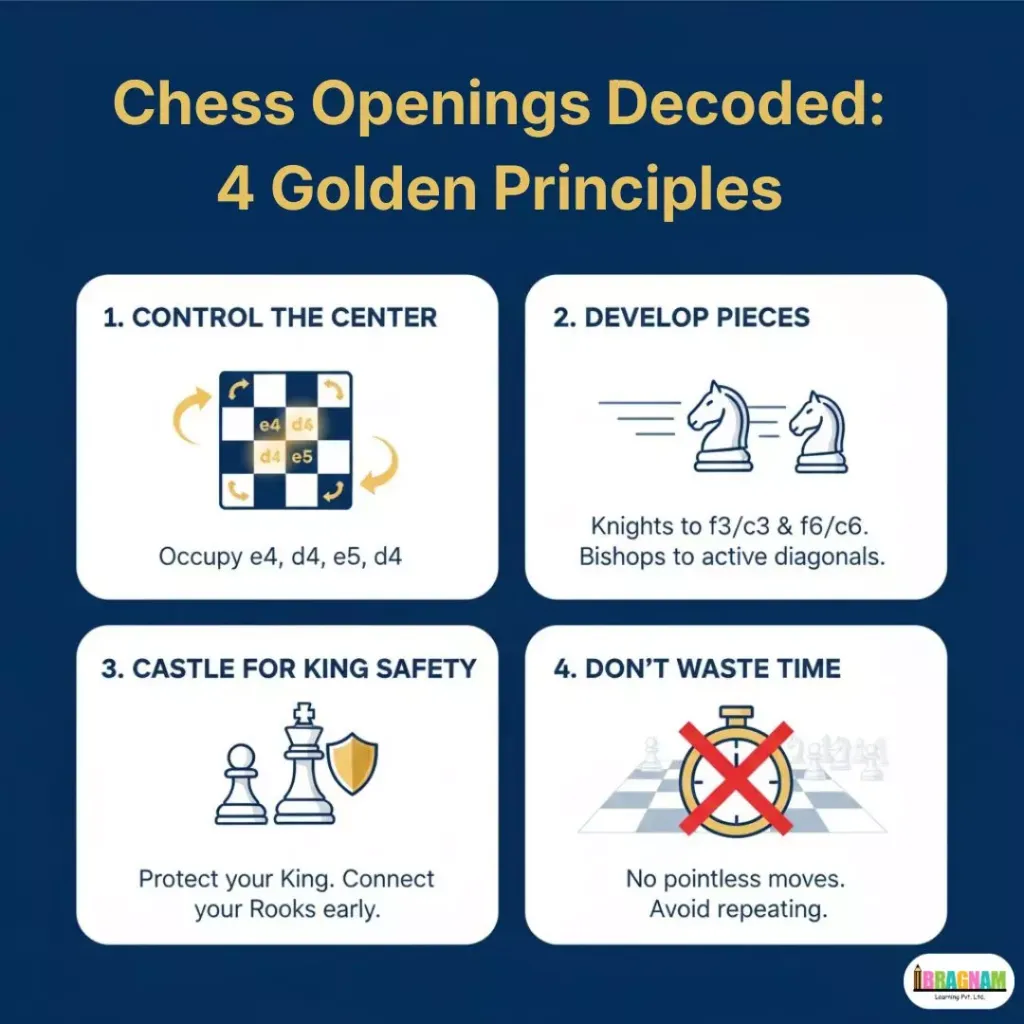
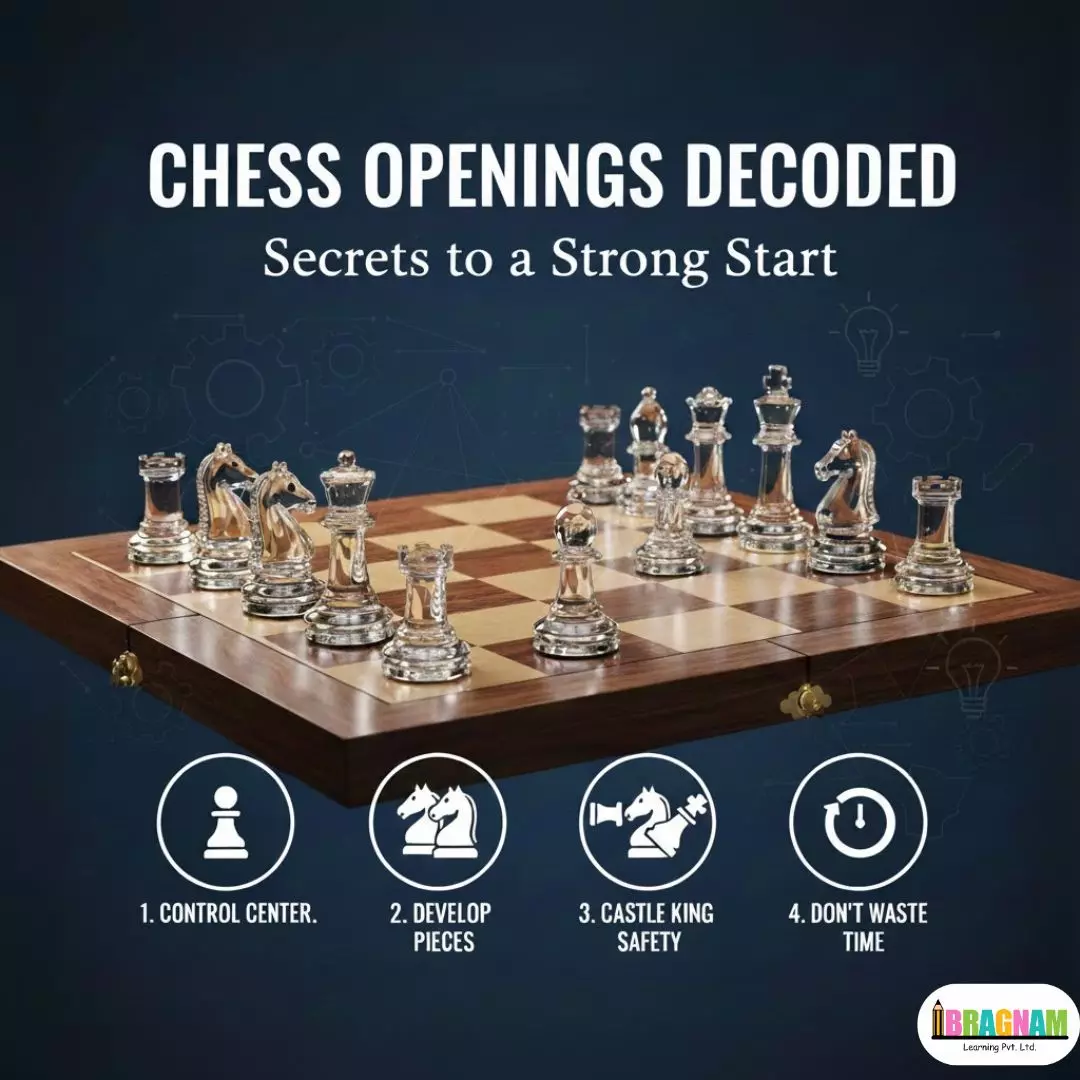
Chess Openings decoded: secrets to a strong start can be summed up in four golden principles that nearly every coach teaches to beginners.

1. Control the center

The center squares e4,d4,e5,d5e4,d4,e5,d5 are the heart of the board. Controlling them makes your pieces more powerful and restricts your opponentโ€™s plans.

  • Good first pawn moves: 1.e4 or 1.d4 for White.
  • Avoid side pawn moves like 1.a4 or 1.h4 that do not help your development.

2. Develop minor pieces early

Your knights and bishops (minor pieces) should come out quickly toward the center, not sit on their starting squares.

  • Bring knights to f3/c3 (for White) or f6/c6 (for Black) as early as possible.
  • Place bishops on active diagonals where they influence the center (for example, c4, g5, b5 for White).

3. Castle for king safety

One of the biggest secrets to a strong start is not leaving your king in the center for too long.

  • Castle kingside early in most games to protect your king and connect your rooks sooner.
  • Avoid moving too many pawns around your king before castling; that can create weak squares.

4. Do not waste time

In the opening, every tempo (move) is valuable. Time wasted often turns into pressure from your opponent.

  • Do not move the same piece multiple times without a clear reason.
  • Do not chase pointless threats like trying to โ€œtrapโ€ a queen too early.
  • Do not make random pawn moves that do not develop pieces or control the center.

Simple openings to start using today

You do not need to know 20 moves deep in any line to benefit from Chess Openings decoded: secrets to a strong start. You only need a few basic setups that follow the principles above.

For White: easy opening choices

  • Kingโ€™s Pawn Opening (1.e4)
  • Controls the center and opens lines for queen and bishop.
  • Often leads to open, tactical positions that are easier to understand for beginners.

Queenโ€™s Pawn Opening (1.d4)

  • Builds a strong central pawn and supports long-term piece activity.
  • Often leads to more strategic, closed positions where plans matter more than calculation.
  • Pick one of these as your main weapon and use it consistently to really feel Chess Openings decoded: secrets to a strong start in your games.

For Black: solid replies you can trust

As Black, your job is to equalize safely and fight back in the center.

  • Against 1.e4:
  • 1โ€ฆe5 (Open Games)
  • Leads to classical openings like the Ruy Lopez and Italian Game, with natural development.
  • Against 1.d4:
  • 1โ€ฆd5, aiming for Queenโ€™s Gambitโ€“type structures, gives simple, solid development.
  • You do not have to memorize all the names; just remember the ideas: fight for the center, develop quickly, and castle.

Famous openings and what they teach you

Recognizing famous openings can help you decode patterns and typical plans, even if you are not a theory expert.

Ruy Lopez (Spanish Opening)

  • Begins with: 1.e4 e5 2.Nf3 Nc6 3.Bb5.

Teaches you:

  • Piece pressure on the knight that defends the central pawn.
  • Long-term maneuvering and control, not just quick tactics.

Italian Game

  • Begins with: 1.e4 e5 2.Nf3 Nc6 3.Bc4.
  • Teaches you:
    • How to target the weak f7/f2 squares near the enemy king.
    • Quick development and open lines for tactics.

Learning just the first 5โ€“8 moves and the main ideas of these openings already helps you live the message of Chess Openings decoded: secrets to a strong start in real games.

Common opening mistakes to avoid

Knowing what not to do is just as important as knowing the right moves.

  • Moving too many pawns and not enough pieces.
  • Delaying castling and leaving the king in the center.
  • Hunting for early checkmates like Scholarโ€™s Mate every game instead of developing normally.
  • Grabbing โ€œfreeโ€ pawns without checking if you fall into a trap.
  • If you simply avoid these mistakes and follow the four golden principles, your opening strength will jump quickly.

How to actually practice openings

Chess Openings decoded: secrets to a strong start becomes real improvement only when you practice in a focused way.

Try this simple routine:

  1. Choose one opening as White (for example, 1.e4) and one reply as Black (for example, 1โ€ฆe5).
  2. Write down the first 6โ€“8 moves you want to play in typical lines.
  3. Play at least 10 online or over-the-board games using only these openings.
  4. After each game, quickly review: Did you control the center, develop pieces, and castle on time?
  5. Adjust your move order slowly as you learn from your mistakes.

This habit trains your memory, builds confidence, and helps your brain recognize patterns from the very start of the game.

Chess Openings Decoded

FAQ: Chess Openings decoded: secrets to a strong start

Q1. What is the best opening for beginners to start with?
For most beginners, the Kingโ€™s Pawn Opening (1.e4) is an excellent choice because it controls the center and opens lines for fast development, matching the core idea of Chess Openings decoded: secrets to a strong start.

Q2. Do I need to memorize long opening lines?
No, you mainly need to understand principles like center control, development, and king safety; deep memorization can come later, while this guide keeps you focused on simple, strong habits.

Q3. How many openings should I learn at first?
Most new players improve faster by sticking to one main opening as White and one or two replies as Black so they can recognize similar positions again and again.

Q4. How do I know if my opening is โ€œgoodโ€?
If your pieces are developed, your king is safe, and you have some control of the center after 10โ€“12 moves without losing material, your opening has done its job.

Q5. What is the ideal way to study openings for kids or students?
Start with mini-plans like โ€œcontrol the center and castle by move 8,โ€ use simple model games, and repeat the same opening structures until they feel natural to young learners.

From Pawan To Powerhouse: Mastering Chess Strategy

By |2026-01-07T11:17:13+05:306 January 2026|Blog|

Introduction: From Pawan To Powerhouse

Pawan To Powerhouse

From Pawan To Powerhouse: Mastering Chess Strategy is all about turning simple pawn moves into powerful, game-winning plans. Chess is not only about knowing how pieces move; it is about using them with purpose. When players learn clear, practical strategy, even an ordinary โ€œpawanโ€ (pawn) can become the hero of the board.

This guide breaks down essential ideas so beginners and casual players can think ahead with confidence, avoid common traps, and slowly transform their play from random moves to purposeful strategy.

Pawan To Powerhouse

H1: What Does Chess Strategy Really Mean?

Chess strategy is the long-term plan behind your moves, not just quick tricks or one-move threats. It focuses on improving piece activity, keeping the king safe, and building a strong pawn structure that supports your ideas over many moves.

Tactics like forks, pins, and skewers help you win material immediately, but strategy decides why you put your pieces on certain squares in the first place. When players combine sound strategy with basic tactics, their overall game improves dramatically.

H2: From Pawn To Power โ€“ Core Strategic Principles

H3: Control the Center Early

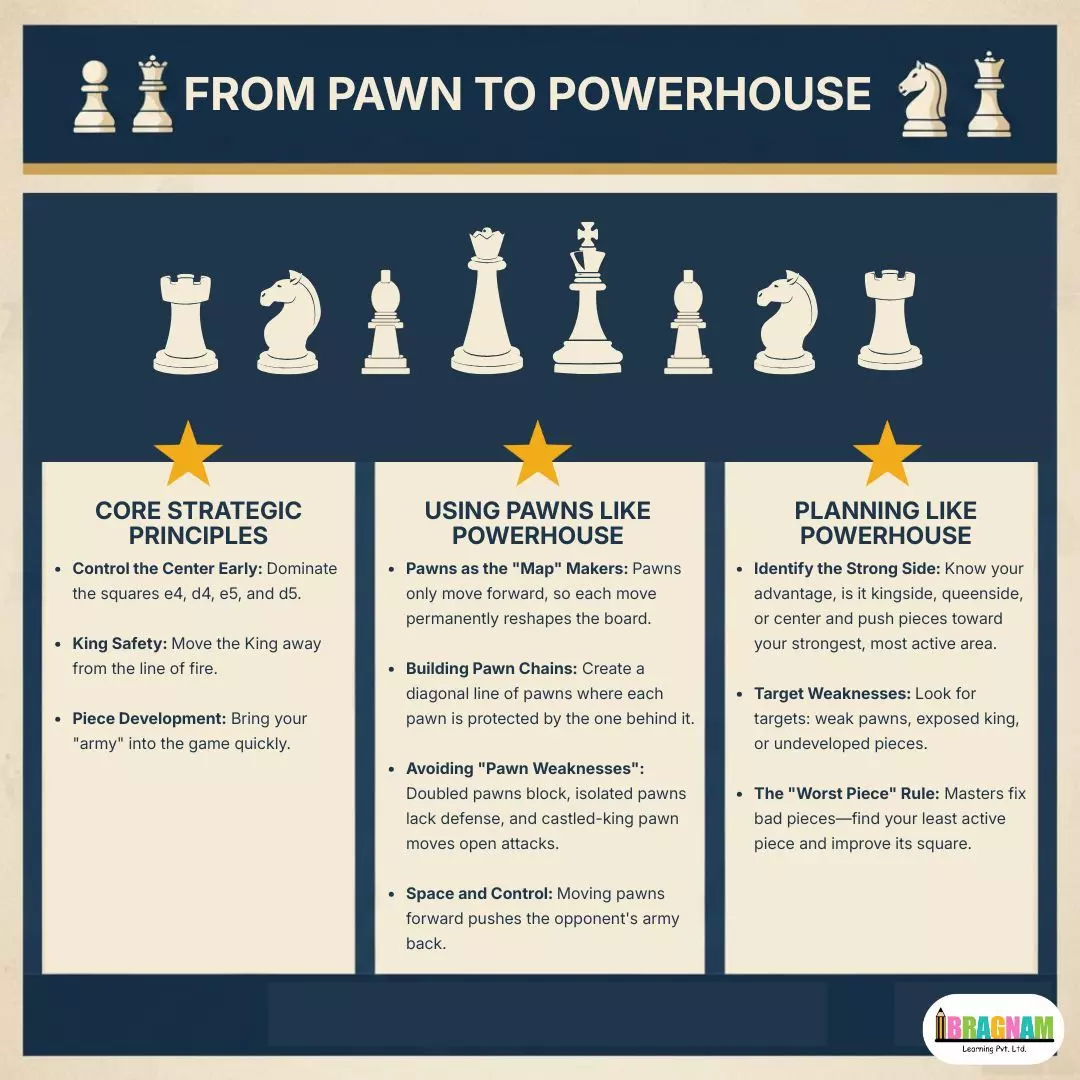
  • The central squares (e4, d4, e5, d5) give your pieces maximum influence and flexibility.
  • Use pawns and knights to fight for the center instead of moving random edge pawns or chasing early attacks.
  • โ€‹Central control makes every piece stronger, giving you more room to attack and defend while restricting your opponentโ€™s options.

H3: Keep Your King Safe

  • Castle early so your king leaves the center and your rook joins the game.
  • Avoid weakening the pawns in front of your castled king unless there is a clear reason.โ€‹
  • โ€‹A safe king means you can focus on building pressure instead of constantly parrying threats and cheap checkmates.

H3: Develop Pieces, Not Just Pawns

  • Bring knights and bishops out quickly; avoid moving the same piece again and again in the opening.
  • Each piece should move toward an active square where it controls important lines or supports a future plan.
  • โ€‹Good development is like assembling a team: once all your pieces are active, they can coordinate for strong attacks or rock-solid defense.

H2: Using Pawns Like a Powerhouse

Pawns shape the โ€œmapโ€ of the game. Their structure decides where you are strong, where you are weak, and which side of the board you should play on.

  • Avoid unnecessary pawn moves, especially near your king, because every pawn move creates new squares to defend.
  • Use pawn chains (connected pawns supporting each other diagonally) to claim space and guide your pieces.
  • โ€‹A healthy pawn structure is often more valuable than a flashy one-move trick because it gives lasting advantages that are hard for your opponent to undo.

H2: Simple Chess Tactics Every โ€œPawanโ€ Should Know

Strategy tells you where to play; tactics show you how to win material or finish an attack. Learning a few basic patterns can instantly turn ordinary positions into winning ones.

H3: Forks

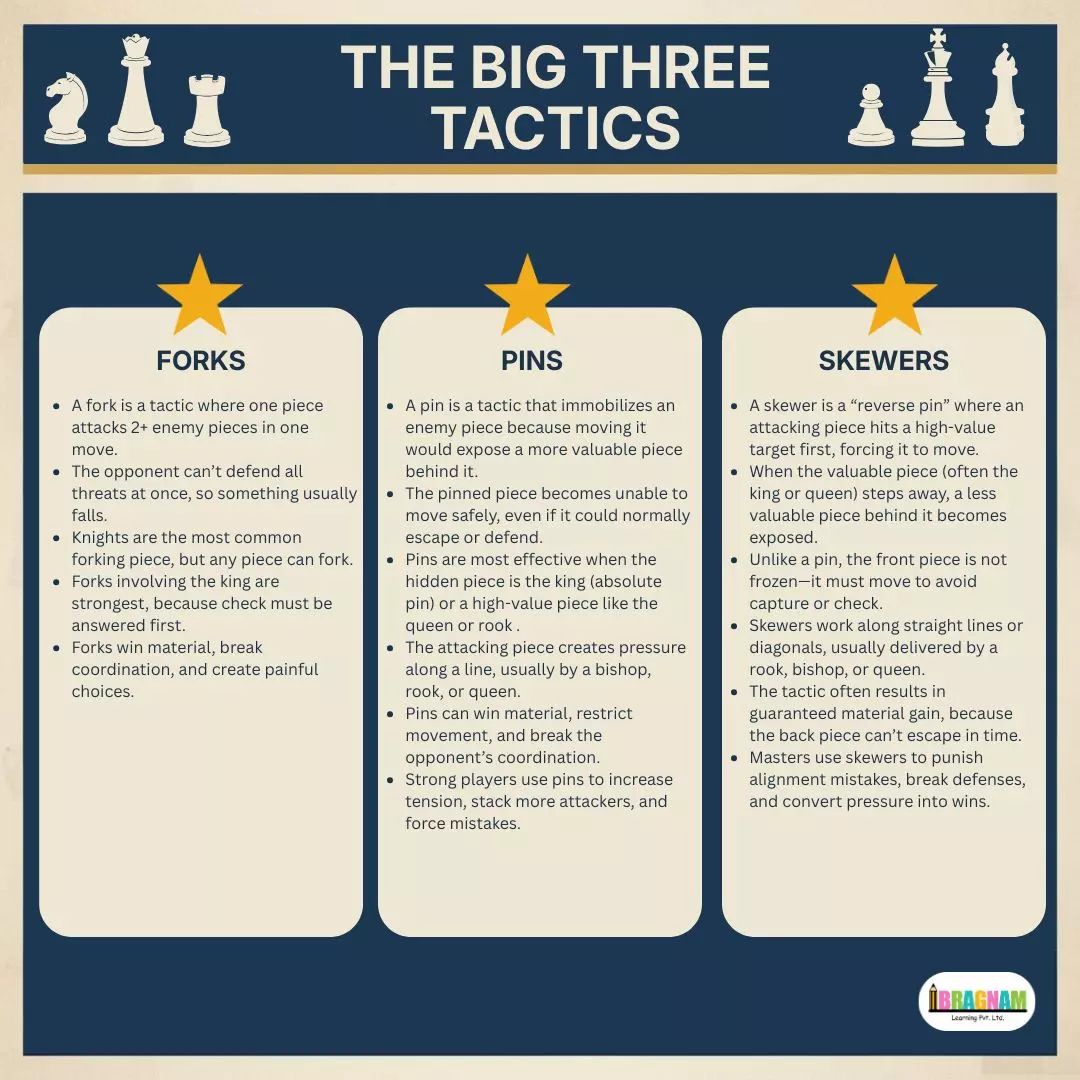
A fork happens when one piece attacks two or more enemy pieces at the same time. Knights, queens, and even pawns can create forks that force your opponent to lose material.โ€‹

H3: Pins

A pin freezes a piece in place because moving it would expose something more valuable, often the king or queen. Bishops, rooks, and queens are excellent at creating pins along files, ranks, and diagonals.

H3: Skewers

In a skewer, a more valuable piece stands in front of a less valuable one on the same line. When the front piece moves away from attack, the back piece is left hanging and can be captured.

By keeping pieces active in the center and on open lines, players naturally create more chances for forks, pins, and skewers.

H2: Planning Like a Powerhouse

Many beginners โ€œjust move somethingโ€ each turn; stronger players always try to play with a plan. After the opening, pause and ask a few simple questions.

  • Which side of the board is stronger for my pieces: kingside, queenside, or center?
  • What are my opponentโ€™s weaknesses (weak pawns, exposed king, undeveloped pieces)?
  • Which piece of mine is the worst placed, and how can I improve it?

Even a โ€œsmallโ€ planโ€”such as doubling rooks on an open file or targeting one weak pawnโ€”can turn a passive position into a powerful one over time.

H2: Practical Ways To Improve Your Strategy

Turning From Pawan To Powerhouse: Mastering Chess Strategy into reality needs consistent, focused practice, not just reading.

  • Play slower time controls (like 15+10) so there is time to think, not just react.
  • Review your games and ask where your plan went wrong or where you missed a better strategic idea.
  • Study one concept at a time (e.g., centralization this week, pawn structure next week) and apply it in your games.

This kind of deliberate practice helps players steadily build real understanding, not just memorized moves.

Pawan To Powerhouse

FAQ: From Pawan To Powerhouse โ€“ Mastering Chess Strategy

Q1. What is the difference between chess strategy and tactics?
Strategy is the long-term plan that guides your moves, focusing on piece activity, king safety, and pawn structure. Tactics are short-term combinations like forks, pins, and skewers that win material or deliver checkmate.

Q2. How can a beginner start mastering chess strategy?
Beginners should first learn to control the center, develop pieces quickly, and castle early. Then they can slowly study pawn structures and basic planning, one concept at a time.

Q3. Are pawns really that important in strategy?
Yes, pawns decide where the battles happen and which squares are weak or strong. Strong pawn formations support attacks and defense, while weak ones become long-term targets.

Q4. How often should players practice tactics like forks, pins, and skewers?
Regular daily practice of even a few puzzles helps players spot tactical patterns more quickly in real games. Consistency is more important than long, rare study sessions.

Q5. What time control is best for learning strategy?
Slower games, such as 15+10 or 30-minute rapid, give enough time to think about plans instead of playing only on instinct. After each game, reviewing critical moments deepens strategic understanding.

Conclusion: Your Journey From Pawan To Powerhouse

From Pawan To Powerhouse: Mastering Chess Strategy is not about memorizing hundreds of openings; it is about understanding a few timeless principles and using them in every game. When you control the center, protect your king, build a solid pawn structure, and combine that with simple tactics, your results and confidence will naturally grow.

Take the next step today: choose one idea from this articleโ€”like central control or king safetyโ€”and apply it in your very next game. Over time, each small, consistent improvement will turn your simple pawns and pieces into a true powerhouse on the chessboard.

Checkmate Your Boredom: Why Chess is the Ultimate Brain Workout

By |2026-01-07T10:20:49+05:305 January 2026|Blog|

Introduction: Chess, Boredom & Your Brain

When boredom strikes, most people reach for a screen, scroll endlessly, and still feel tired, dull, and unfocused afterward. Checkmate Your Boredom: Why Chess is the Ultimate Brain Workout shows a smarter way outโ€”by turning to a timeless board game that actually trains your mind instead of numbing it. Playing chess is like sending your brain to the gym: it sharpens memory, boosts focus, improves problem-solving, and may even support long-term brain health.

In this blog, you will see how chess transforms idle time into powerful mental training, why it is beneficial at every age, and how even a few games a week can rewire the way you think, plan, and make decisions.

What Makes Chess a โ€œBrain Workoutโ€?

More than just a board game

Boredom

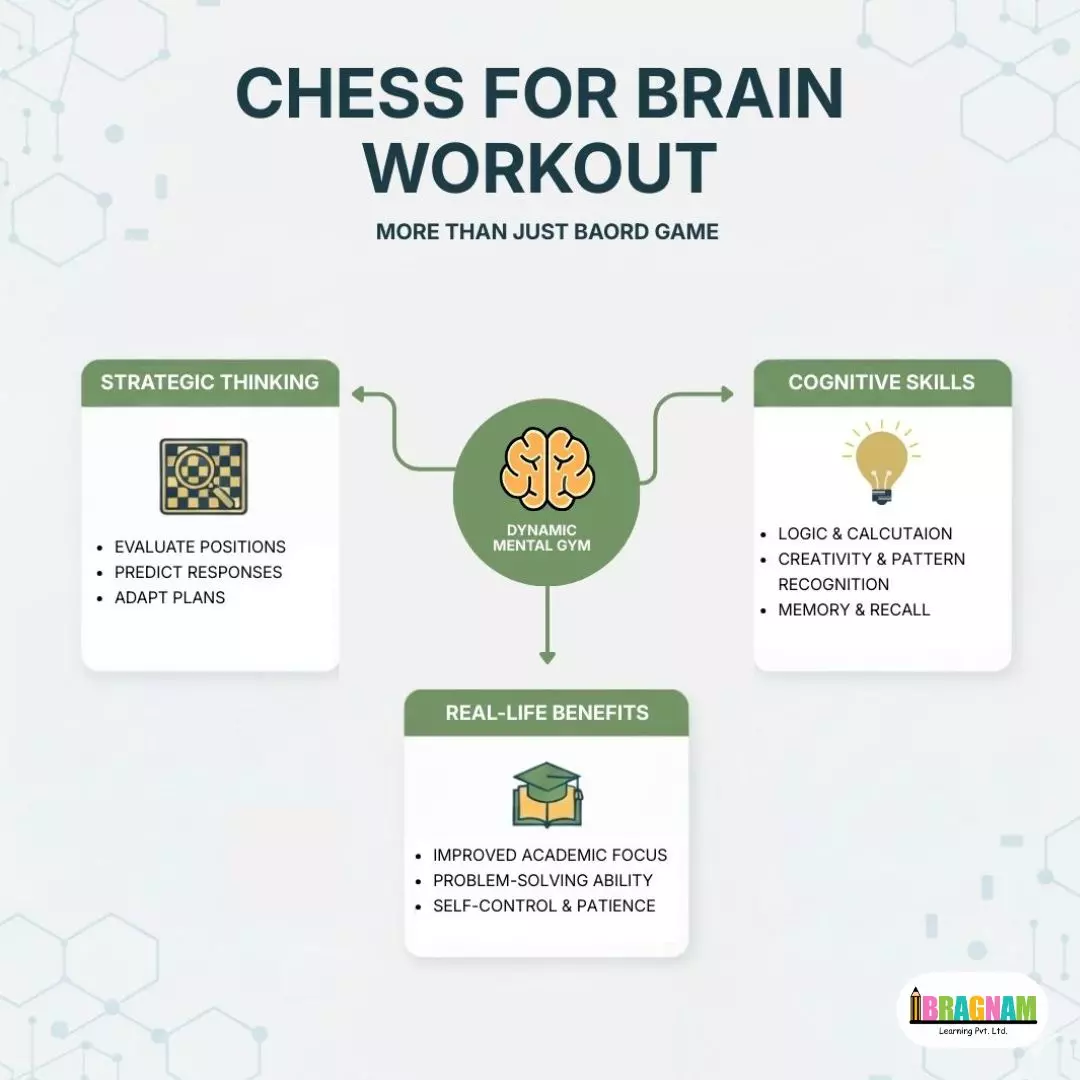
Chess is not about luck; every move is a decision, a calculation, and a mini brain exercise. Players constantly evaluate positions, predict opponent responses, and adapt their plans. This dynamic mix of logic, creativity, and memory is what turns chess into a complete mental workout.

Researchers and educators increasingly treat chess as a tool for cognitive training, especially in schools and academies, because it strengthens core mental skills like attention, strategic thinking, and self-control that transfer to studies and real life.

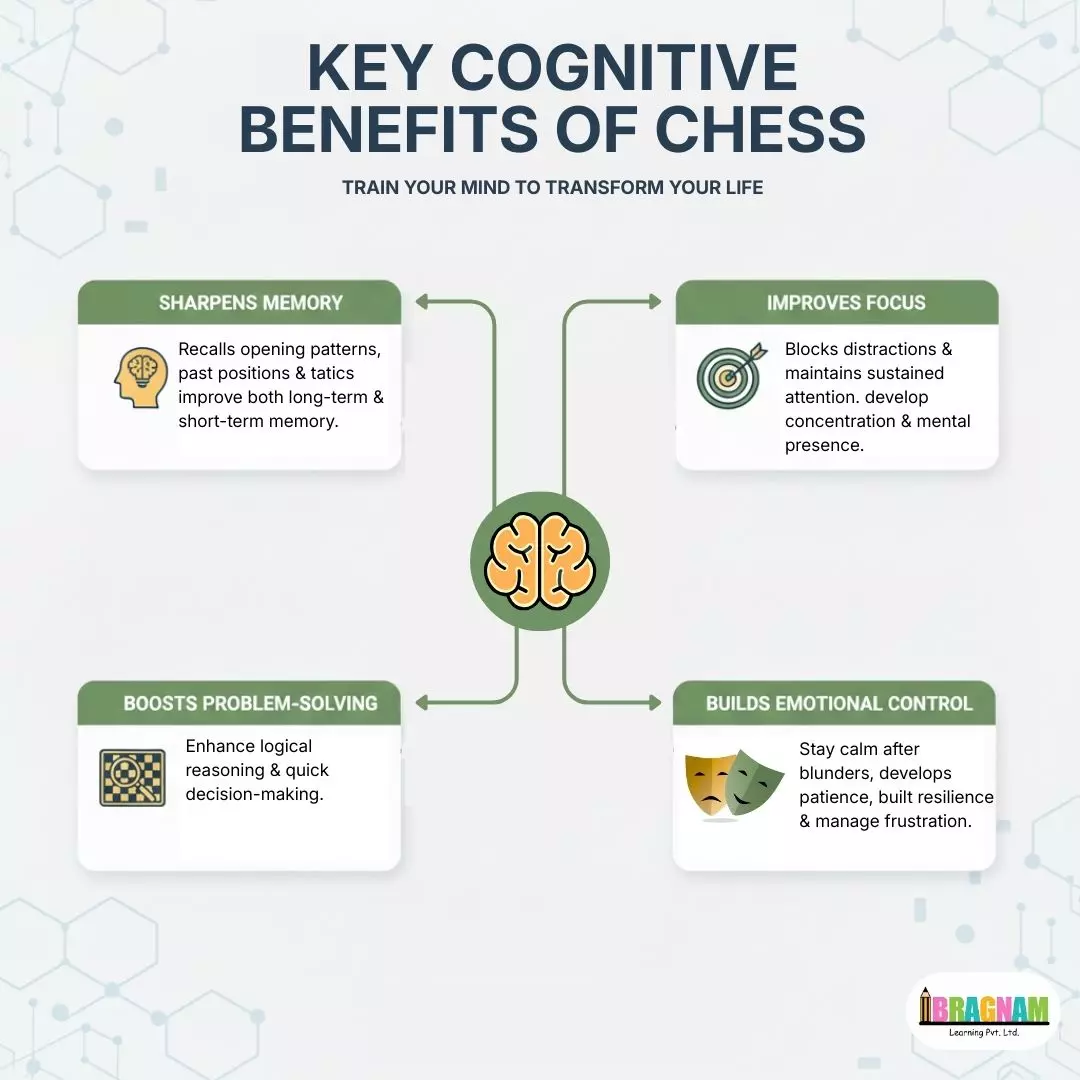
Key Cognitive Benefits of Chess

Boredom

1. Sharpens memory and recall

Every game of chess asks the brain to remember previous positions, opening patterns, tactical motifs, and endgame ideas.

  • Players recall typical checkmating patterns and defensive setups.
  • Regular practice strengthens both short-term and long-term memory, and studies show that chess players often perform better on memory-based tasks.
  • โ€‹Some research suggests that mentally demanding activities like chess help build โ€œcognitive reserve,โ€ which may delay or reduce the impact of age-related memory decline and dementia.

2. Boosts problem-solving and critical thinking

In chess, every position is a problem:

  • What is my opponent threatening?
  • What are my options?
  • What happens if I choose this move?

This constant evaluation trains:

  • Logical reasoning and calculation
  • Comparing alternatives and weighing pros and cons
  • Making decisions under constraints (limited time, complex positions)
  • โ€‹A large meta-analysis of school chess programs found moderate, meaningful improvements in mathematics achievement and overall cognitive ability in students who received chess instruction.

3. Improves focus and concentration

In an age of notifications and endless scrolling, sustained concentration is rare. Chess forces you to:

  • Block out distractions while you calculate variations
  • Maintain attention over many moves
  • Stay mentally present, even when positions become complicated

Studies and academy reports indicate that children who play chess regularly show better academic focus and improved performance, particularly in subjects that demand step-by-step reasoning like math and science.

4. Stimulates creativity and flexible thinking

Chess is not only logic; it is also imagination. Players must invent new ideas, find unexpected tactical shots, and sometimes sacrifice material for long-term advantages.

Research and anecdotal reports note:

  • Increases in creative fluency (number of ideas)
  • Greater flexibility (switching between plans)
  • More originality in problem-solving tasks

This flexibility is exactly what is needed in real life when plans change, deadlines move, or problems appear suddenly.

5. Supports emotional control and patience

Chess also trains the โ€œemotionalโ€ side of the brain:

  • You learn to stay calm after a blunder.
  • You develop patience to think instead of reacting impulsively.
  • You experience wins and losses regularly, building resilience.

Parents and teachers often report that children who engage in structured chess sessions become more disciplined, more patient, and better at handling frustrationโ€”skills that matter well beyond the 64 squares.

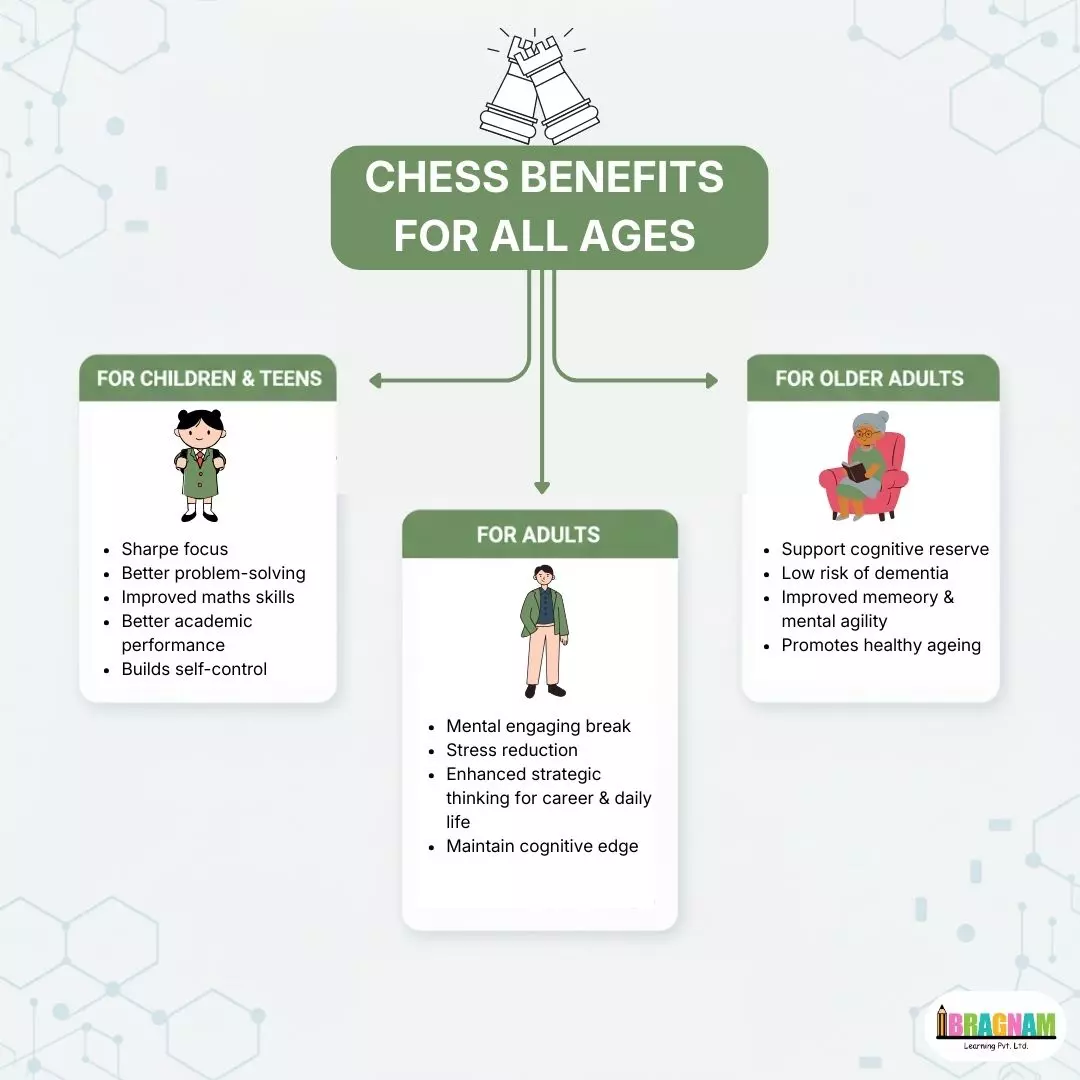
Chess Benefits at Every Age

Boredom

For children and teens

When children play chess, they are unknowingly practicing:

  • Concentration and self-control
  • Planning ahead and organizing thoughts
  • Math-related skills like pattern recognition and logical sequencing

Research on school and after-school chess programs shows:

  • Better problem-solving skills
  • Higher scores in mathematics and improved general cognitive skills
  • Stronger metacognitive abilities (thinking about their own thinking)

For adults

For adults stuck in a routine of work, screens, and stress, Checkmate Your Boredom: Why Chess is the Ultimate Brain Workout is a reminder that chess offers:

  • A mentally engaging break that is truly refreshing, not draining
  • A way to keep cognitive skills sharp through regular โ€œbrain gymโ€ sessions
  • A structured way to practice strategic thinking that is useful in business and daily decision-making

For older adults

Some observational studies link activities such as chess with:

  • Lower risk of dementia
  • Better coping with existing brain changes through stronger cognitive reserve

Experts emphasize that more research is needed, but there is broad agreement that mentally stimulating activities like chess are beneficial for healthy aging and cognitive resilience.

How Chess Beats Boredom Better Than Scrolling

When boredom hits, it is easy to default to social media or random videos. The problem:

  • Passive consumption tires the brain without building any skill.
  • It often leads to more stress, comparison, and mental fatigue.

Playing chess, on the other hand:

  • Converts idle time into meaningful mental training.
  • Gives a clear goal (checkmate) and constant feedback on every move.
  • Provides a satisfying sense of progress as you recognize more patterns, see deeper tactics, and track your rating or puzzle scores over time.

That is why Checkmate Your Boredom: Why Chess is the Ultimate Brain Workout is more than a catchy phrase: it is a practical lifestyle shift from mindless distraction to mindful development.

Simple Ways to Start Your Chess Brain Workout

You do not need to be a grandmaster to enjoy the brain benefits of chess. Consistency matters much more than strength.

Try these easy steps:

  1. Start with basic rules and simple checkmates (king and queen vs king, back-rank mates).
  2. Play short games (10โ€“15 minutes each side) instead of long, exhausting sessions.Solve 5โ€“10 tactical puzzles a dayโ€”this is like doing โ€œbrain push-ups.โ€
  3. Analyze your own games briefly: What went well? Where did you blunder?
  4. Mix fun and learning: play with friends, children, colleagues, or online buddies.

Even 2โ€“3 sessions a week can turn your free time into a long-term investment in your cognitive health.

FAQ: Chess as the Ultimate Brain Workout

1. How often should I play chess to get brain benefits?

Playing chess a few times a week, even in short sessions, is usually enough to start seeing improvements in focus, memory, and pattern recognition. Consistency is more important than marathon sessionsโ€”think of it like regular exercise for your brain rather than a once-a-year workout.

2. Is chess really better than puzzles or video games for the brain?

Crosswords, puzzles, and strategy video games can also be beneficial, but chess uniquely combines memory, logic, creativity, and emotional control in a structured environment. Unlike many fast-paced games designed for quick stimulation, chess encourages deep thinking, planning, and delayed gratification, which are crucial for long-term cognitive growth.

3. Can chess help children improve in school?

Yes, several studies and reviews show that children who receive chess instruction often perform better in mathematics and demonstrate stronger general cognitive skills compared to peers who do not play. Chess supports concentration, problem-solving, and metacognition, which in turn help with academic performance and classroom behavior.

4. Does chess really protect against dementia?

Some research suggests that mentally stimulating activities such as chess are associated with a lower risk of dementia and may help the brain cope better with age-related changes. However, experts caution that chess is not a โ€œcureโ€ or guaranteed prevention; it is best seen as one part of a healthy lifestyle that includes physical activity, social connection, and good nutrition.

5. I feel โ€œtoo oldโ€ or โ€œnot smart enoughโ€ to start chess. Is it still worth it?

Absolutely. People of all ages, from young children to older adults, can learn and enjoy chess, and the benefits are not limited to top-level players. Starting later may mean progress is slower, but the mental stimulation, social interaction, and sense of achievement are valuable no matter when you begin.

Conclusion: Your Next Move Matters

Every time boredom appears, you have a choice: drift into yet another forgettable scroll session, or set up a chessboard and give your brain a real challenge. Checkmate Your Boredom: Why Chess is the Ultimate Brain Workout is an invitation to choose the second optionโ€”to turn empty minutes into focused, meaningful mental training that compounds over time.

Whether you are a student, a working professional, or a retiree, chess offers a simple, low-cost, and endlessly rich way to build memory, focus, creativity, and resilience while genuinely enjoying yourself.

Go to Top