
- Introduction
- What is World Autism Awareness Day?
- Understanding Autism Spectrum Disorder (ASD)
- Why World Autism Awareness Day Matters
- Common Myths About Autism
- How to Support Autism Awareness
- Activities to Celebrate World Autism Awareness Day
- Importance of Inclusion in Society
- Role of Parents and Caregivers
- Conclusion
Introduction
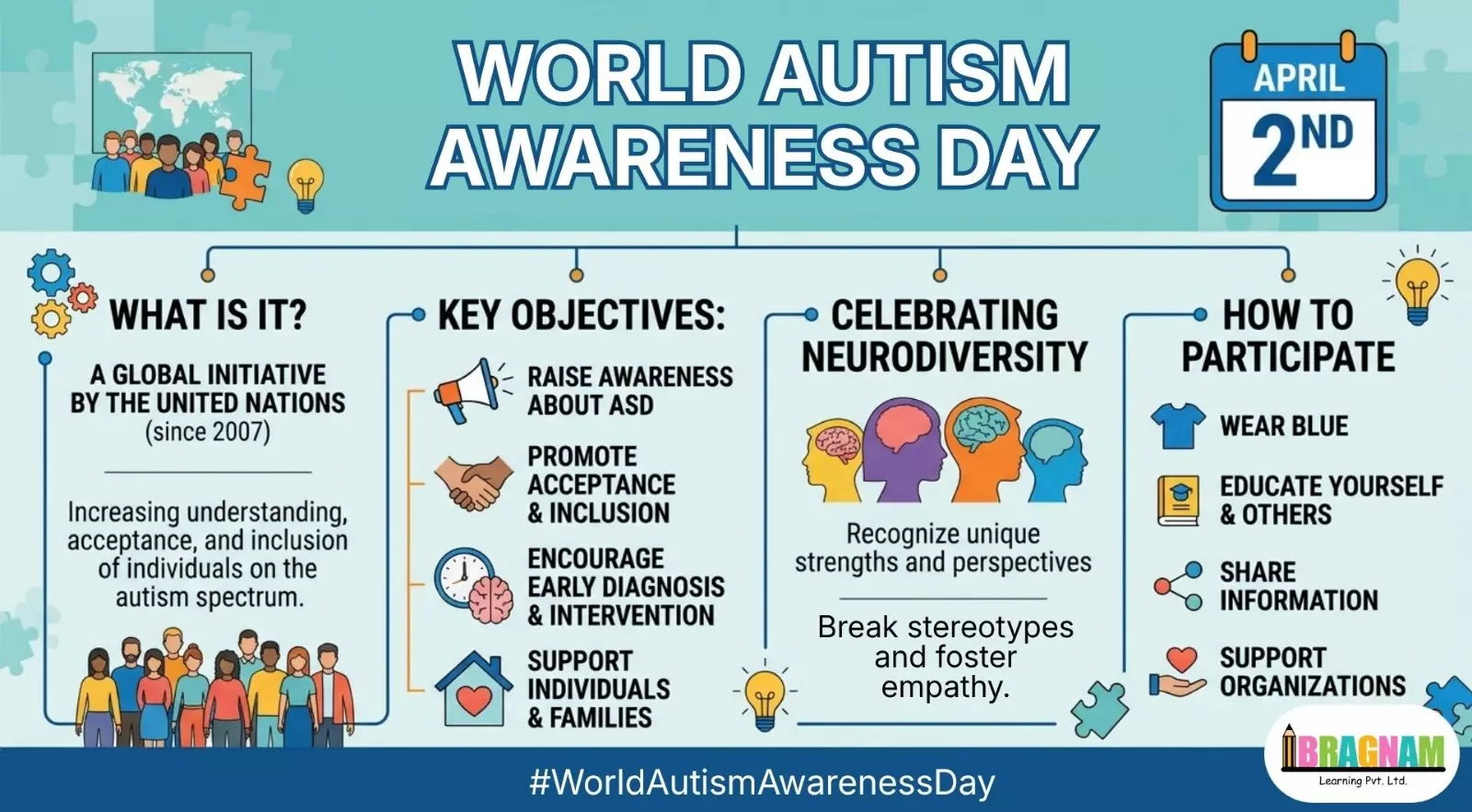
Every year on April 2nd, the world comes together to observe World Autism Awareness Day, a global initiative dedicated to increasing understanding, acceptance, and inclusion of individuals with autism. This day is not just about awareness—it’s about celebrating neurodiversity and recognizing the unique strengths and perspectives of people on the autism spectrum.
In today’s fast-paced world, where inclusivity matters more than ever, World Autism Awareness Day reminds us to foster empathy, break stereotypes, and create opportunities for individuals with autism to thrive. Whether you’re a parent, educator, employer, or simply a compassionate human being, understanding autism can make a meaningful difference.
What is World Autism Awareness Day?
World Autism Awareness Day is observed annually on April 2nd. It was established by the United Nations in 2007 to highlight the need to improve the quality of life for people with autism.
Key Objectives:
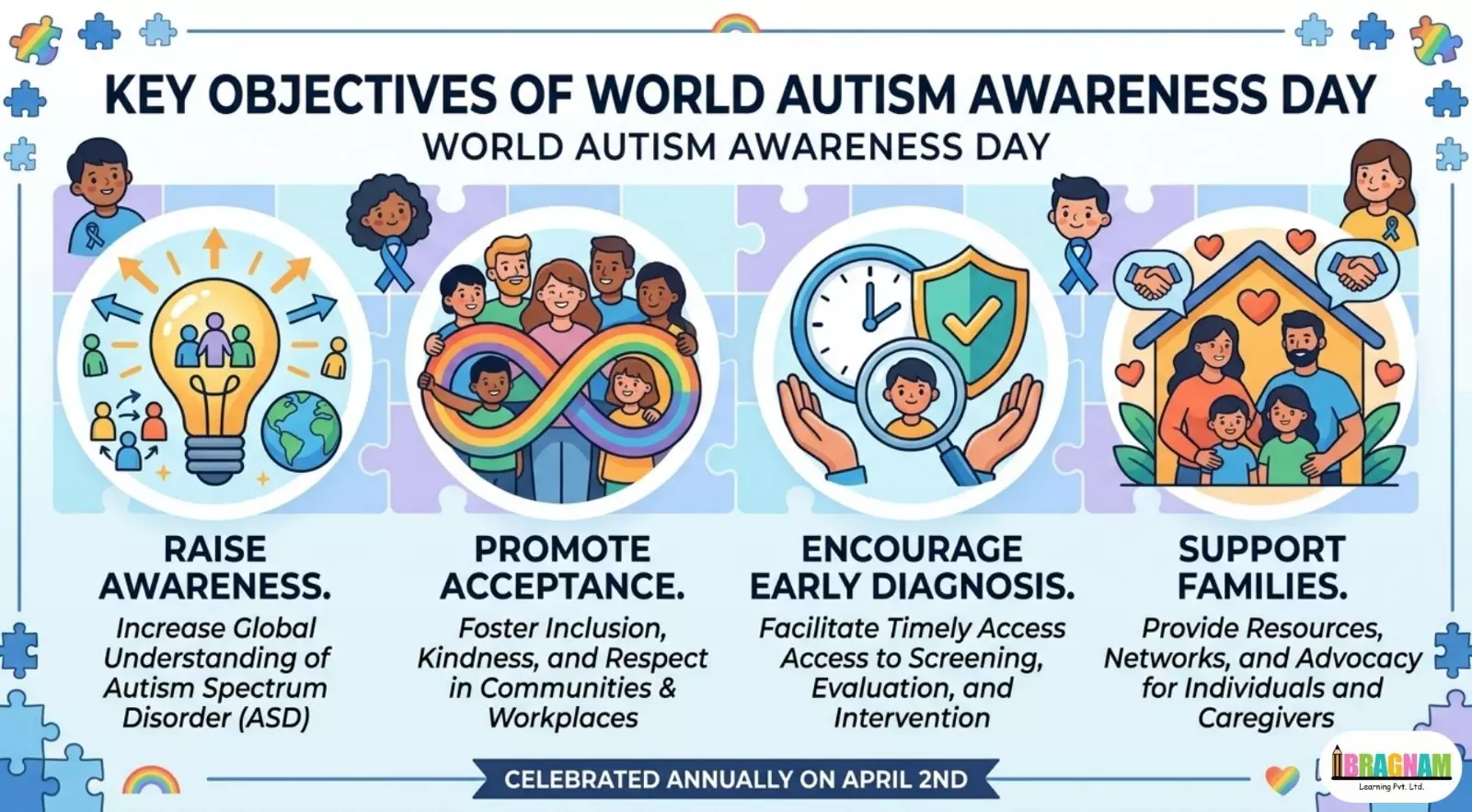
- Raise awareness about autism spectrum disorder (ASD)
- Promote acceptance and inclusion
- Encourage early diagnosis and intervention
- Support individuals and families affected by autism
Understanding Autism Spectrum Disorder (ASD)
Autism Spectrum Disorder (ASD) is a developmental condition that affects how a person communicates, interacts, and experiences the world.
Common Characteristics of Autism:
- Difficulty with social interactions
- Challenges in communication (verbal and non-verbal)
- Repetitive behaviors or routines
- Strong focus on specific interests
- Sensory sensitivities (light, sound, touch)
Important Note:
Autism is a spectrum, meaning each individual experiences it differently. Some may need significant support, while others lead highly independent lives.
Why World Autism Awareness Day Matters
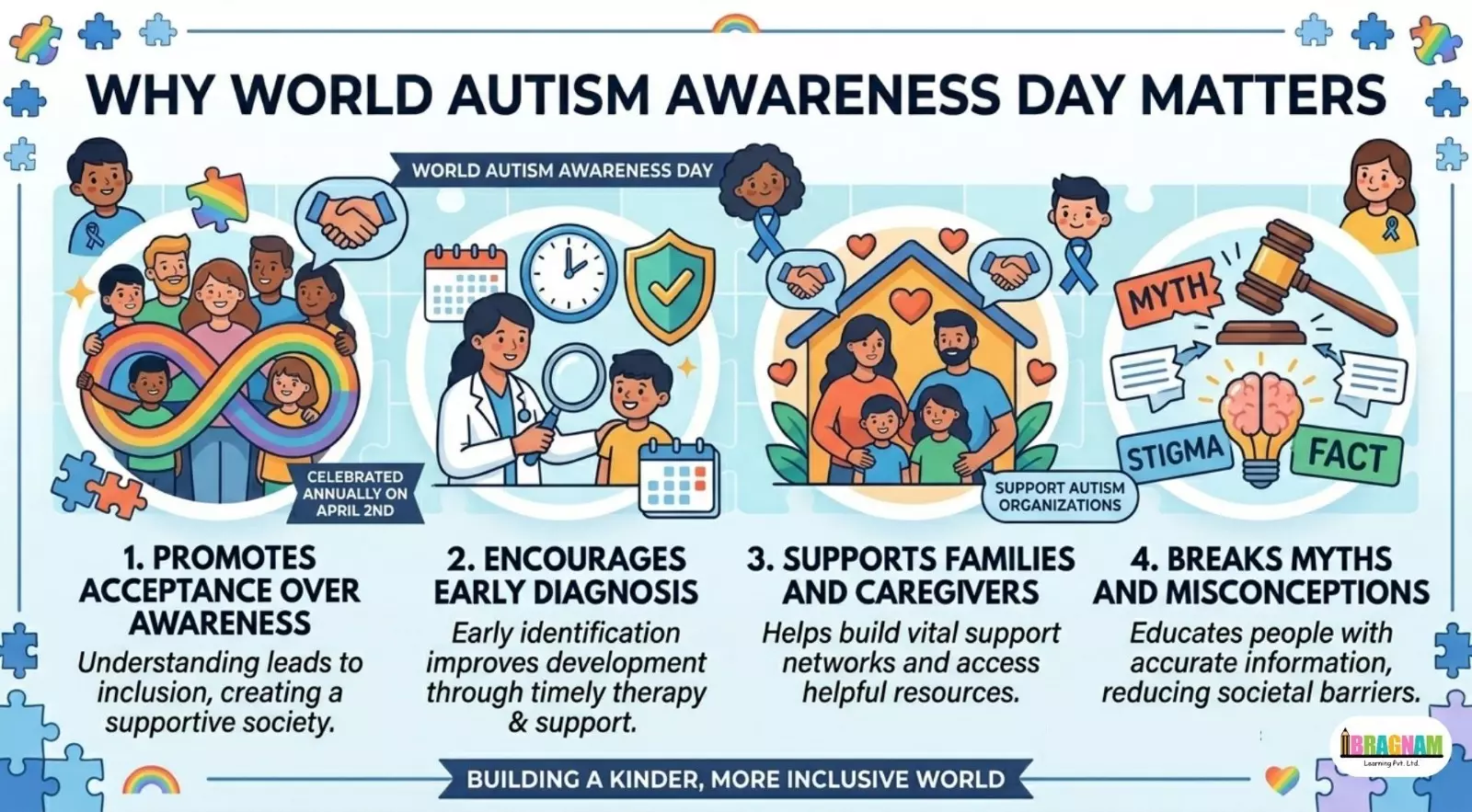
1. Promotes Acceptance Over Awareness
While awareness is important, acceptance is the ultimate goal. Understanding leads to inclusion, which creates a supportive society.
2. Encourages Early Diagnosis
Early identification can significantly improve a child’s development through timely therapy and support.
3. Supports Families and Caregivers
Families often face emotional and financial challenges. Awareness helps build support networks and resources.
4. Breaks Myths and Misconceptions
There are many myths about autism. This day helps educate people with accurate information.
Common Myths About Autism
Let’s clear up some misconceptions:
- ❌ Myth: Autism is a disease
✔️ Fact: Autism is a neurological condition, not an illness. - ❌ Myth: People with autism lack emotions
✔️ Fact: They feel emotions deeply but may express them differently. - ❌ Myth: Autism only affects children
✔️ Fact: Autism is lifelong. - ❌ Myth: All autistic individuals are the same
✔️ Fact: Every individual is unique.
How to Support Autism Awareness
You can make a difference on World Autism Awareness Day and beyond:
1. Educate Yourself and Others
Learn about autism and share accurate information.
2. Be Inclusive
- Encourage inclusive workplaces and schools
- Respect differences in communication and behavior
3. Support Autism Organizations
Donate or volunteer with organizations that support autism research and care.
4. Practice Kindness
Small gestures like patience and understanding can go a long way.
5. Celebrate Neurodiversity
Recognize that differences make the world richer and more innovative.
Activities to Celebrate World Autism Awareness Day
Here are some meaningful ways to participate:
- Wear blue (symbol of autism awareness)
- Organize awareness campaigns at school or office
- Share informative posts on social media
- Attend webinars or workshops
- Support autism-friendly businesses
Importance of Inclusion in Society
Inclusion is not just a responsibility—it’s a necessity.
In Schools:
- Provide special education support
- Encourage peer interaction
In Workplaces:
- Offer equal job opportunities
- Create supportive environments
In Communities:
- Build sensory-friendly spaces
- Promote acceptance and understanding
Role of Parents and Caregivers
Parents play a crucial role in supporting children with autism.
Tips for Parents:
- Seek early intervention programs
- Maintain consistent routines
- Encourage communication skills
- Celebrate small achievements
Support groups and therapy can also help families cope better.
Conclusion
World Autism Awareness Day is more than a date—it’s a movement toward a kinder, more inclusive world. By understanding autism and embracing neurodiversity, we can create environments where everyone feels valued and supported.
Let’s move beyond awareness to acceptance. Together, we can build a society where individuals with autism are not just included but celebrated.



Leave A Comment