
Introduction
The International Day of Zero Waste is more than just a date on the calendar—it’s a powerful reminder of how our everyday choices impact the planet. Celebrated globally on March 30, this day encourages individuals, businesses, and governments to adopt sustainable practices that reduce waste and promote responsible consumption.
In a world where landfills are overflowing and plastic pollution is becoming a serious threat, embracing a zero-waste lifestyle is no longer optional—it’s essential. The International Day of Zero Waste highlights practical solutions to reduce waste, conserve resources, and build a cleaner, greener future for generations to come.
Whether you’re just starting your sustainability journey or looking to deepen your commitment, this guide will help you understand the importance of zero waste and how you can actively participate.
🌱 What is the International Day of Zero Waste?
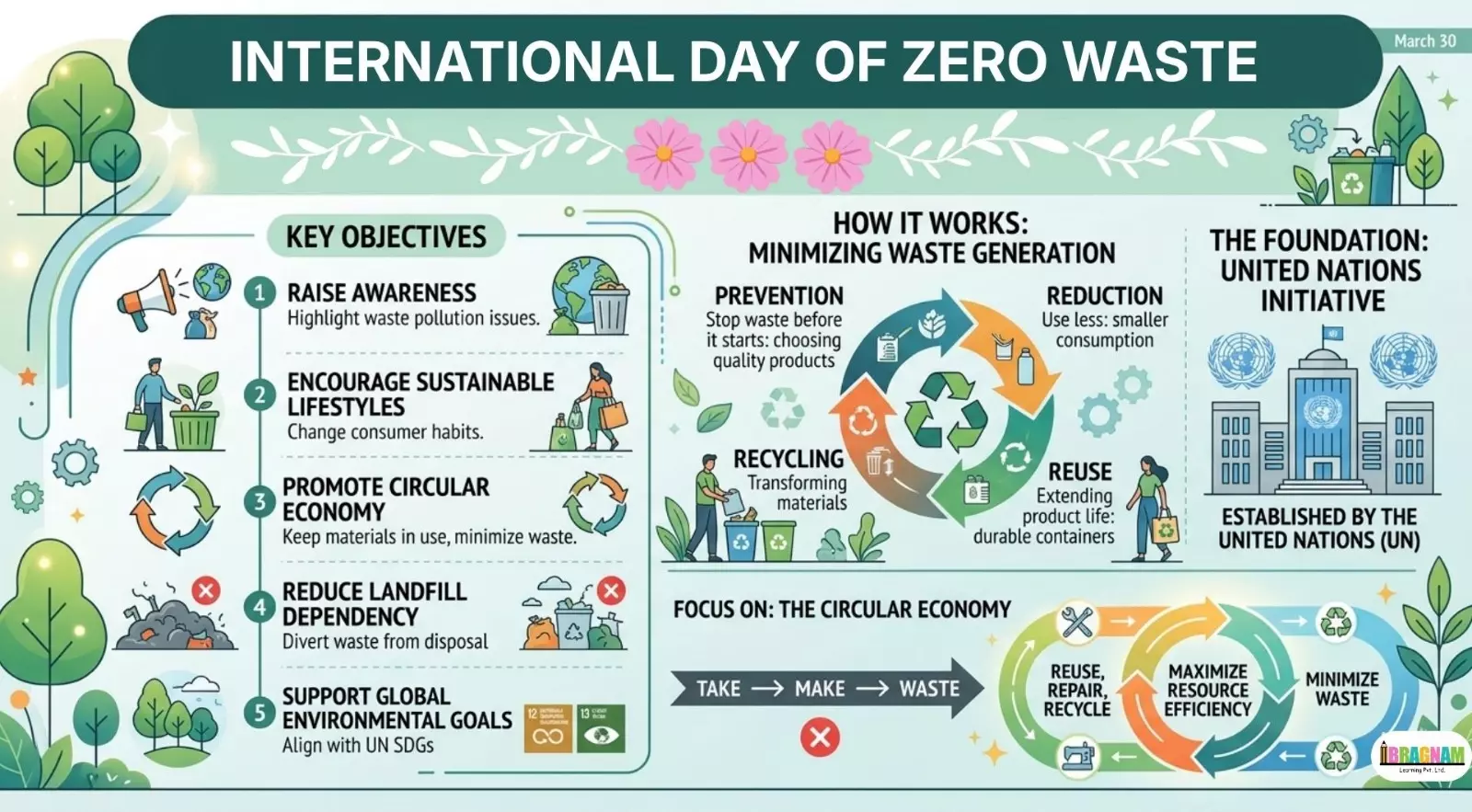
The International Day of Zero Waste was established by the United Nations to promote sustainable consumption and production patterns. It focuses on minimizing waste generation through prevention, reduction, recycling, and reuse.
Key Objectives:
- Raise awareness about waste pollution
- Encourage sustainable lifestyles
- Promote circular economy practices
- Reduce landfill dependency
- Support global environmental goals
This day aligns closely with the United Nations’ Sustainable Development Goals (SDGs), particularly those related to responsible consumption and climate action.
♻️ Why Zero Waste Matters
Adopting a zero-waste approach isn’t just about reducing trash—it’s about rethinking how we consume and live.
🌍 Environmental Benefits
- Reduces pollution in oceans and landfills
- Conserves natural resources
- Lowers greenhouse gas emissions
💰 Economic Advantages
- Saves money by reducing unnecessary purchases
- Encourages efficient resource use
- Creates green jobs in recycling and sustainability sectors
🧘 Personal Impact
- Promotes mindful consumption
- Encourages healthier lifestyle choices
- Reduces clutter and improves organization
🏡 Simple Ways to Celebrate International Day of Zero Waste
You don’t need a drastic lifestyle change to make a difference. Small, consistent actions can lead to big impacts.
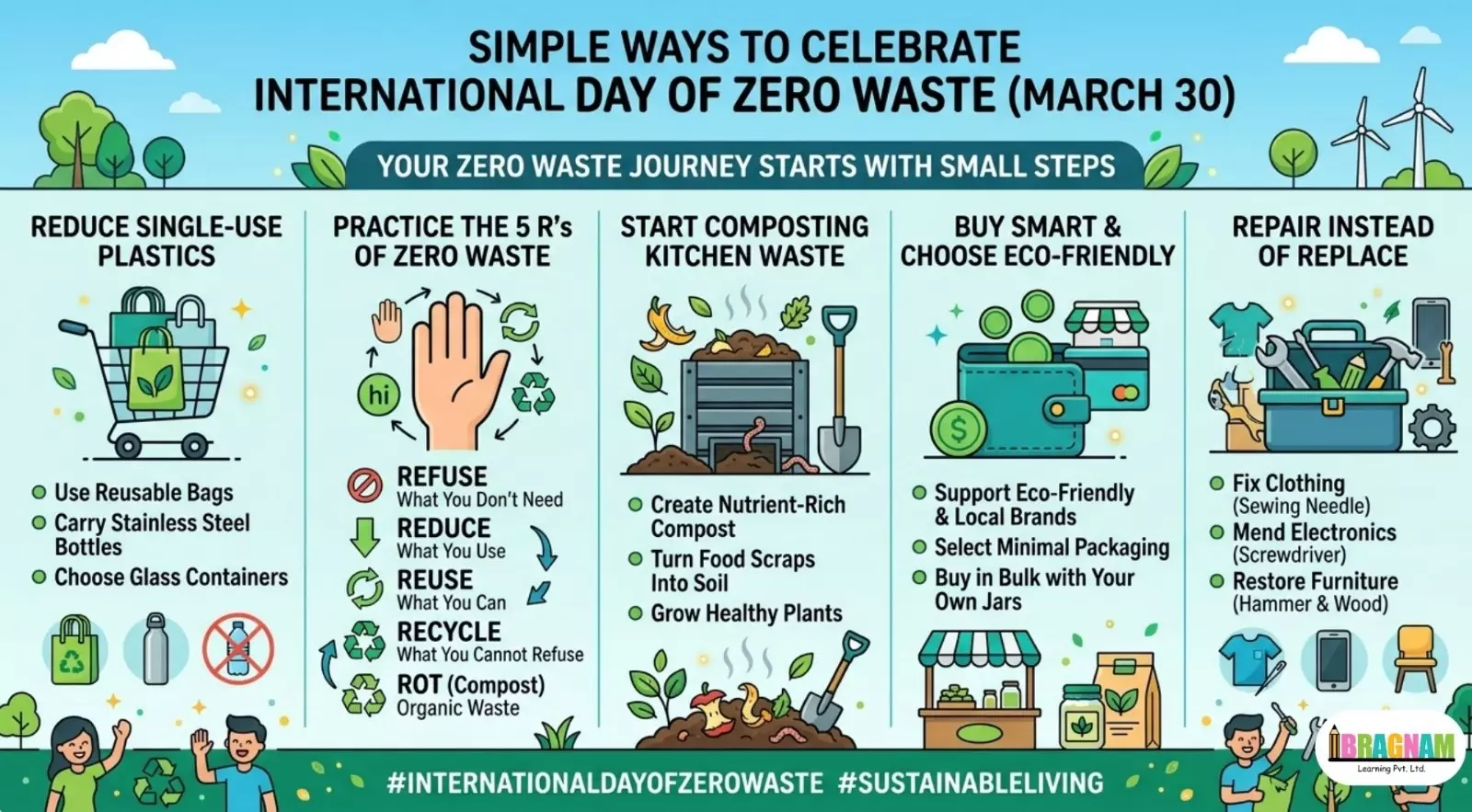
1. Reduce Single-Use Plastics
- Carry reusable bags, bottles, and containers
- Avoid plastic packaging whenever possible
2. Practice the 5 R’s of Zero Waste
- Refuse what you don’t need
- Reduce what you use
- Reuse what you can
- Recycle what you cannot refuse
- Rot (Compost) organic waste
3. Start Composting
Turn kitchen waste into nutrient-rich compost for plants.
4. Buy Smart
- Choose products with minimal packaging
- Support eco-friendly and local brands
5. Repair Instead of Replace
Fix items like clothes, electronics, and furniture instead of discarding them.
🏢 Role of Businesses and Communities
The success of the International Day of Zero Waste depends on collective action.
Businesses Can:
- Adopt sustainable packaging
- Reduce production waste
- Encourage eco-conscious supply chains
Communities Can:
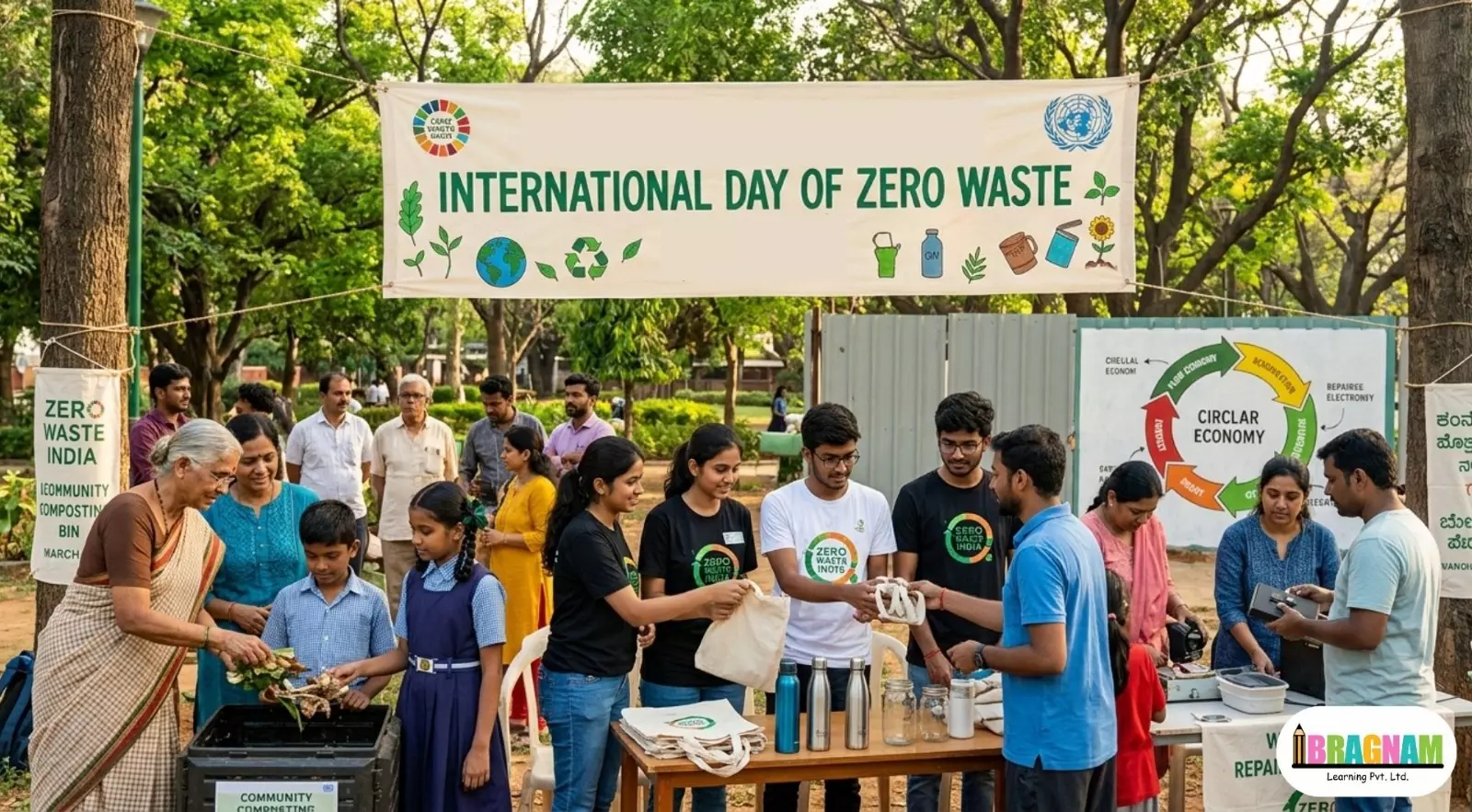
- Organize clean-up drives
- Promote recycling initiatives
- Educate citizens about waste management
🔄 Understanding the Circular Economy
A key concept behind the International Day of Zero Waste is the circular economy.
What is it?
A system where products and materials are reused, repaired, and recycled instead of being discarded.
Benefits:
- Minimizes waste
- Maximizes resource efficiency
- Supports sustainable growth
🌏 Global Impact of Zero Waste Initiatives
Countries and organizations worldwide are taking steps toward zero waste:
- Bans on single-use plastics
- Waste segregation policies
- Recycling awareness campaigns
- Sustainable product innovations
These initiatives show that change is possible when people come together with a shared goal.



Leave A Comment