World Autism Awareness Day

Introduction

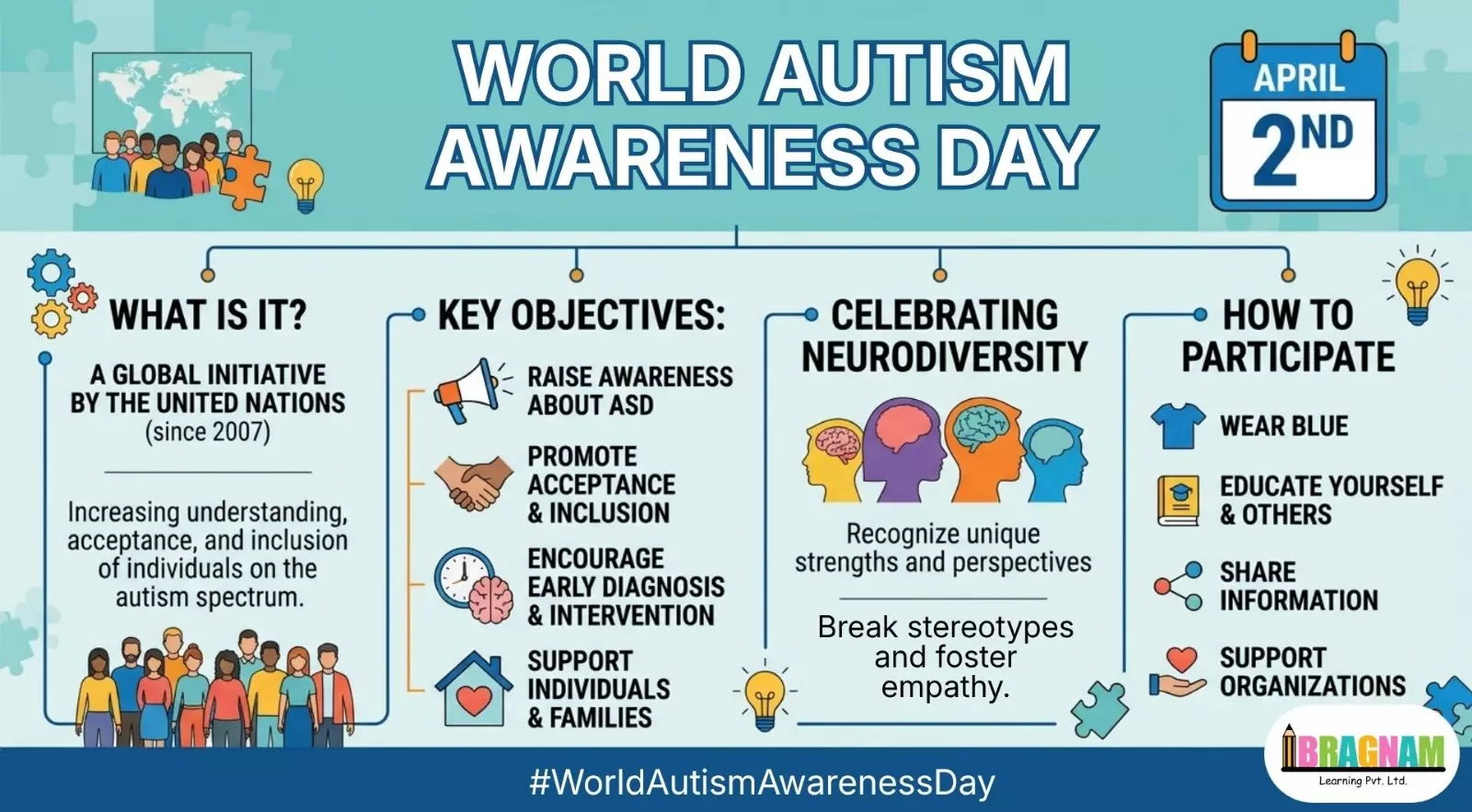
Every year on April 2nd, the world comes together to observe World Autism Awareness Day, a global initiative dedicated to increasing understanding, acceptance, and inclusion of individuals with autism. This day is not just about awareness—it’s about celebrating neurodiversity and recognizing the unique strengths and perspectives of people on the autism spectrum.

In today’s fast-paced world, where inclusivity matters more than ever, World Autism Awareness Day reminds us to foster empathy, break stereotypes, and create opportunities for individuals with autism to thrive. Whether you’re a parent, educator, employer, or simply a compassionate human being, understanding autism can make a meaningful difference.

World Autism Day

What is World Autism Awareness Day?

World Autism Awareness Day is observed annually on April 2nd. It was established by the United Nations in 2007 to highlight the need to improve the quality of life for people with autism.

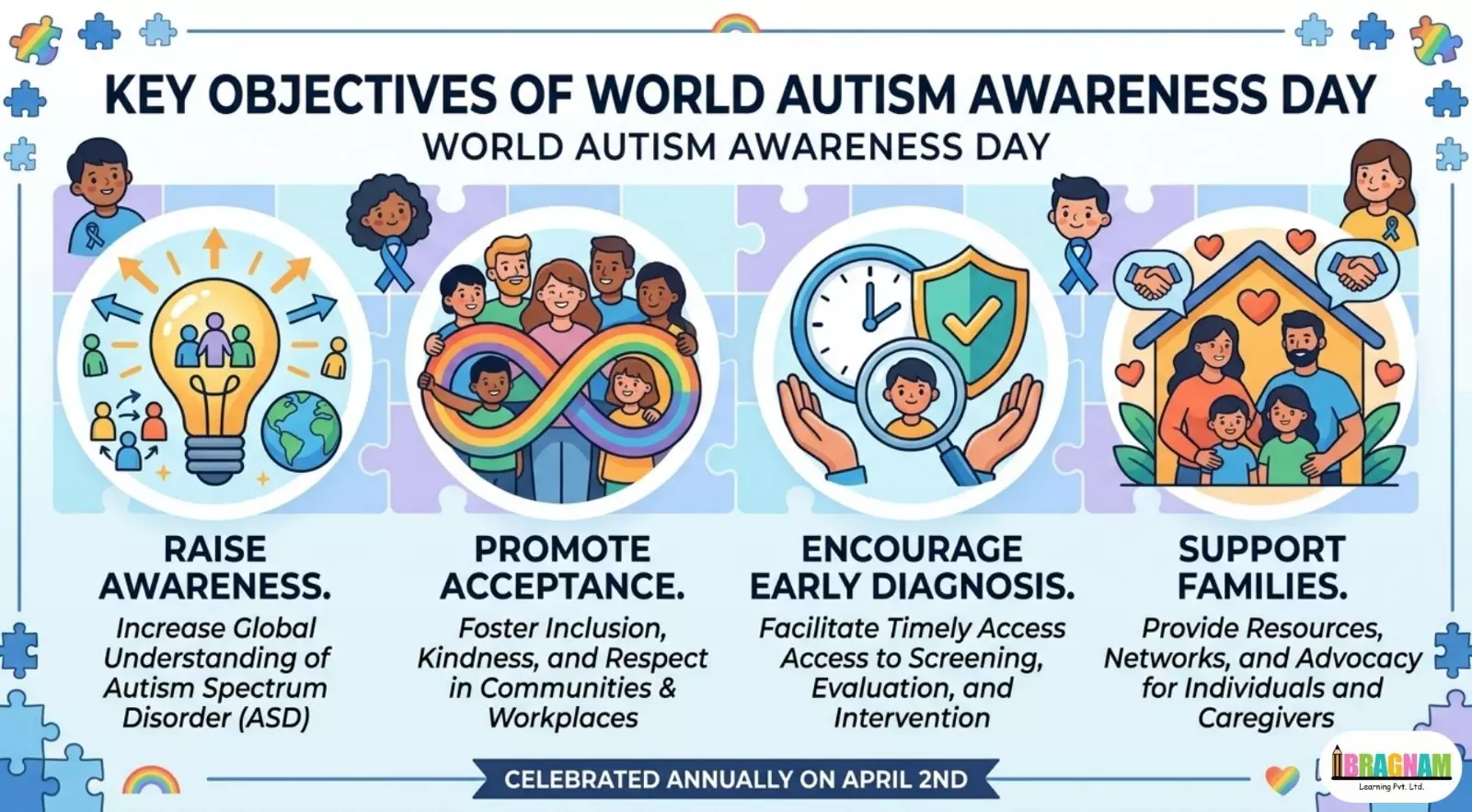
Key Objectives:

  • Raise awareness about autism spectrum disorder (ASD)
  • Promote acceptance and inclusion
  • Encourage early diagnosis and intervention
  • Support individuals and families affected by autism

Understanding Autism Spectrum Disorder (ASD)

Autism Spectrum Disorder (ASD) is a developmental condition that affects how a person communicates, interacts, and experiences the world.

World Autism Day

Common Characteristics of Autism:

  • Difficulty with social interactions
  • Challenges in communication (verbal and non-verbal)
  • Repetitive behaviors or routines
  • Strong focus on specific interests
  • Sensory sensitivities (light, sound, touch)

Important Note:

Autism is a spectrum, meaning each individual experiences it differently. Some may need significant support, while others lead highly independent lives.


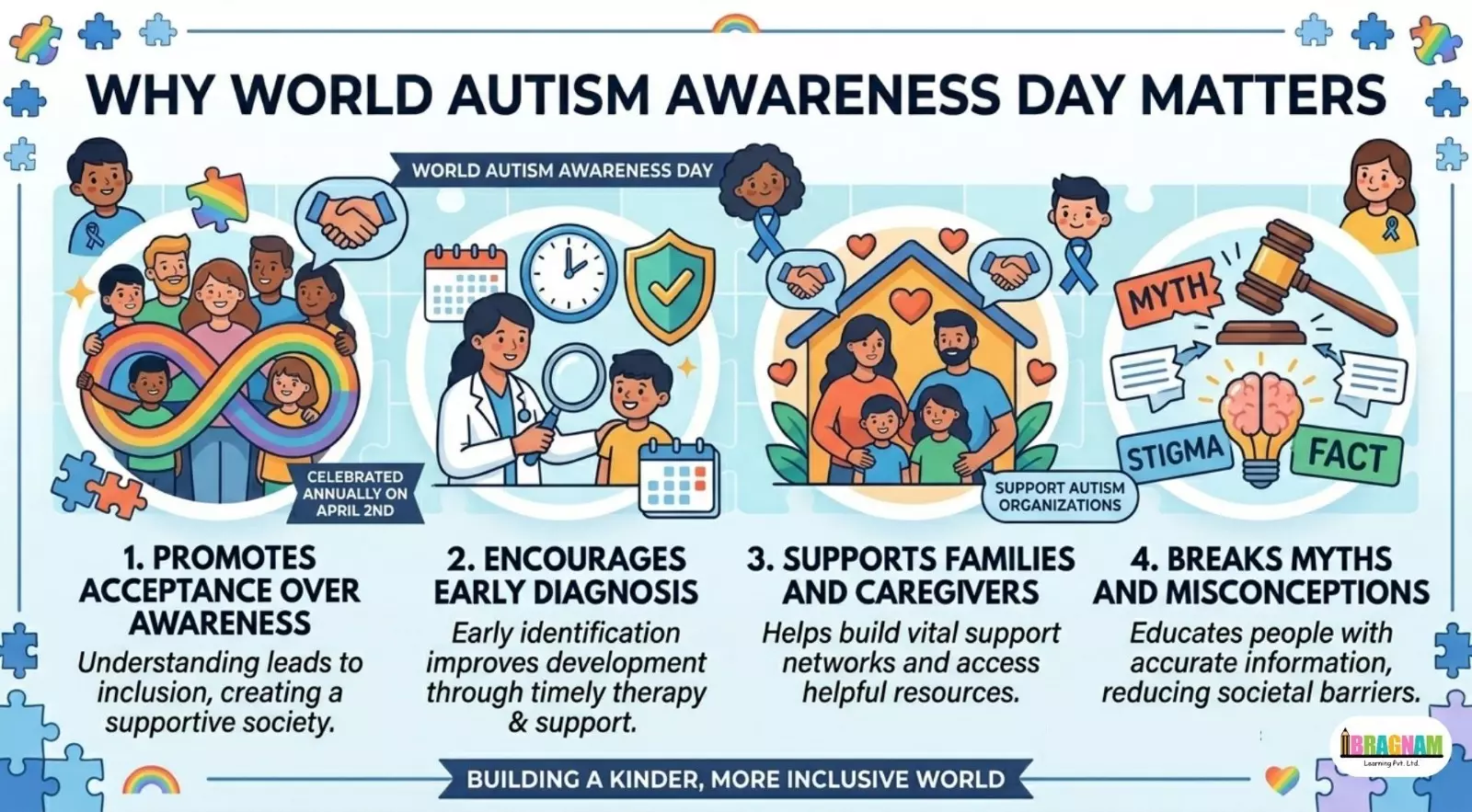
Why World Autism Awareness Day Matters

1. Promotes Acceptance Over Awareness

While awareness is important, acceptance is the ultimate goal. Understanding leads to inclusion, which creates a supportive society.

2. Encourages Early Diagnosis

Early identification can significantly improve a child’s development through timely therapy and support.

3. Supports Families and Caregivers

Families often face emotional and financial challenges. Awareness helps build support networks and resources.

4. Breaks Myths and Misconceptions

There are many myths about autism. This day helps educate people with accurate information.

World Autism Day

Common Myths About Autism

Let’s clear up some misconceptions:

  • Myth: Autism is a disease
    ✔️ Fact: Autism is a neurological condition, not an illness.
  • Myth: People with autism lack emotions
    ✔️ Fact: They feel emotions deeply but may express them differently.
  • Myth: Autism only affects children
    ✔️ Fact: Autism is lifelong.
  • Myth: All autistic individuals are the same
    ✔️ Fact: Every individual is unique.

How to Support Autism Awareness

You can make a difference on World Autism Awareness Day and beyond:

1. Educate Yourself and Others

Learn about autism and share accurate information.

2. Be Inclusive

  • Encourage inclusive workplaces and schools
  • Respect differences in communication and behavior

3. Support Autism Organizations

Donate or volunteer with organizations that support autism research and care.

4. Practice Kindness

Small gestures like patience and understanding can go a long way.

5. Celebrate Neurodiversity

Recognize that differences make the world richer and more innovative.


Activities to Celebrate World Autism Awareness Day

Here are some meaningful ways to participate:

  • Wear blue (symbol of autism awareness)
  • Organize awareness campaigns at school or office
  • Share informative posts on social media
  • Attend webinars or workshops
  • Support autism-friendly businesses

Importance of Inclusion in Society

Inclusion is not just a responsibility—it’s a necessity.

In Schools:

  • Provide special education support
  • Encourage peer interaction

In Workplaces:

  • Offer equal job opportunities
  • Create supportive environments

In Communities:

  • Build sensory-friendly spaces
  • Promote acceptance and understanding

Role of Parents and Caregivers

Parents play a crucial role in supporting children with autism.

Tips for Parents:

  • Seek early intervention programs
  • Maintain consistent routines
  • Encourage communication skills
  • Celebrate small achievements

Support groups and therapy can also help families cope better.


Conclusion

World Autism Awareness Day is more than a date—it’s a movement toward a kinder, more inclusive world. By understanding autism and embracing neurodiversity, we can create environments where everyone feels valued and supported.

Let’s move beyond awareness to acceptance. Together, we can build a society where individuals with autism are not just included but celebrated.


By |2026-03-31T10:46:39+05:3031 March 2026|Blog|

🌍 International Day of Zero Waste

Introduction

The International Day of Zero Waste is more than just a date on the calendar—it’s a powerful reminder of how our everyday choices impact the planet. Celebrated globally on March 30, this day encourages individuals, businesses, and governments to adopt sustainable practices that reduce waste and promote responsible consumption.

In a world where landfills are overflowing and plastic pollution is becoming a serious threat, embracing a zero-waste lifestyle is no longer optional—it’s essential. The International Day of Zero Waste highlights practical solutions to reduce waste, conserve resources, and build a cleaner, greener future for generations to come.

Whether you’re just starting your sustainability journey or looking to deepen your commitment, this guide will help you understand the importance of zero waste and how you can actively participate.

internatiional zero waste day

🌱 What is the International Day of Zero Waste?

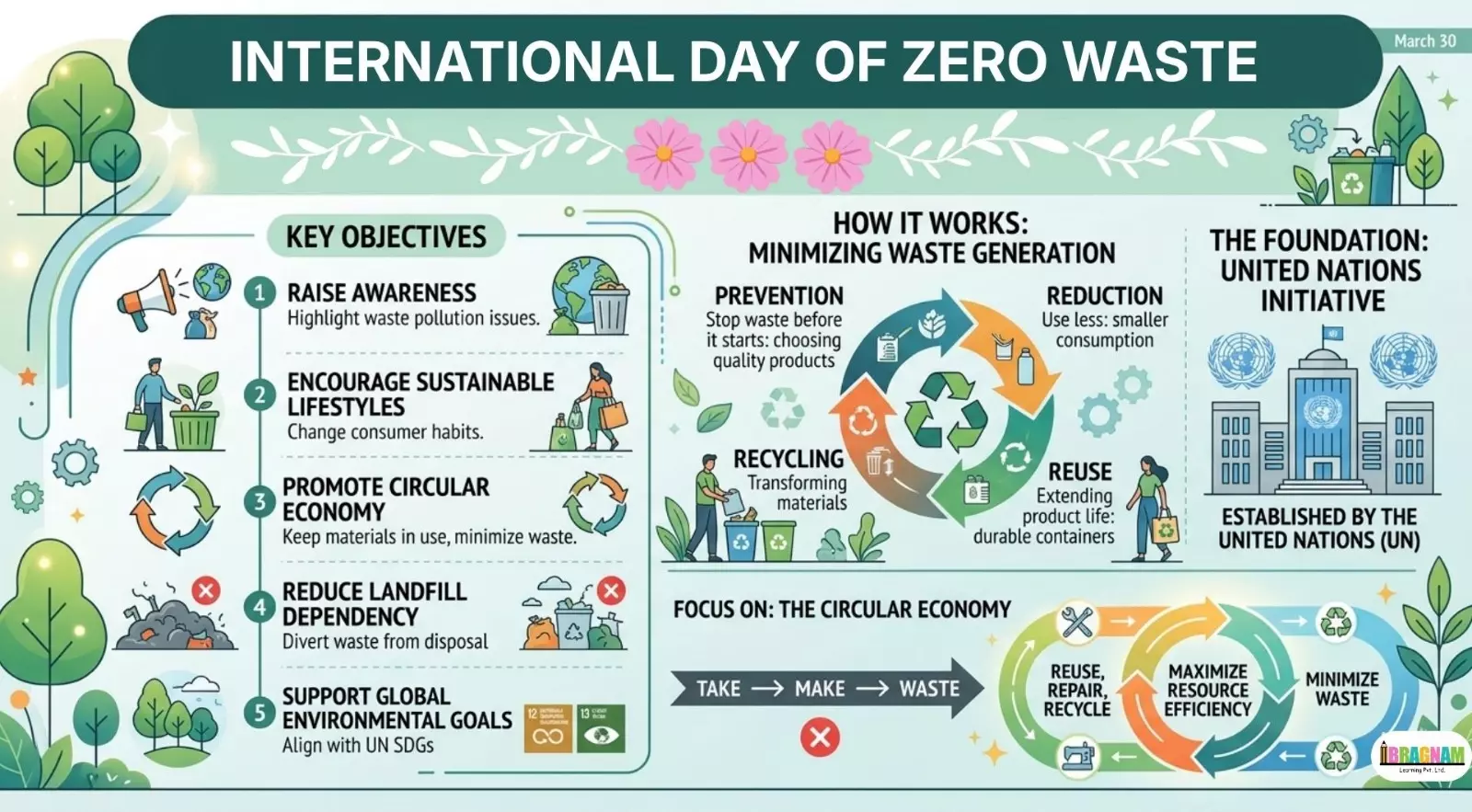
The International Day of Zero Waste was established by the United Nations to promote sustainable consumption and production patterns. It focuses on minimizing waste generation through prevention, reduction, recycling, and reuse.

Key Objectives:

  • Raise awareness about waste pollution
  • Encourage sustainable lifestyles
  • Promote circular economy practices
  • Reduce landfill dependency
  • Support global environmental goals

This day aligns closely with the United Nations’ Sustainable Development Goals (SDGs), particularly those related to responsible consumption and climate action.


♻️ Why Zero Waste Matters

Adopting a zero-waste approach isn’t just about reducing trash—it’s about rethinking how we consume and live.

zero waste day

🌍 Environmental Benefits

  • Reduces pollution in oceans and landfills
  • Conserves natural resources
  • Lowers greenhouse gas emissions

💰 Economic Advantages

  • Saves money by reducing unnecessary purchases
  • Encourages efficient resource use
  • Creates green jobs in recycling and sustainability sectors

🧘 Personal Impact

  • Promotes mindful consumption
  • Encourages healthier lifestyle choices
  • Reduces clutter and improves organization

🏡 Simple Ways to Celebrate International Day of Zero Waste

You don’t need a drastic lifestyle change to make a difference. Small, consistent actions can lead to big impacts.

zero waste day

1. Reduce Single-Use Plastics

  • Carry reusable bags, bottles, and containers
  • Avoid plastic packaging whenever possible

2. Practice the 5 R’s of Zero Waste

  • Refuse what you don’t need
  • Reduce what you use
  • Reuse what you can
  • Recycle what you cannot refuse
  • Rot (Compost) organic waste

3. Start Composting

Turn kitchen waste into nutrient-rich compost for plants.

4. Buy Smart

  • Choose products with minimal packaging
  • Support eco-friendly and local brands

5. Repair Instead of Replace

Fix items like clothes, electronics, and furniture instead of discarding them.


🏢 Role of Businesses and Communities

The success of the International Day of Zero Waste depends on collective action.

Businesses Can:

  • Adopt sustainable packaging
  • Reduce production waste
  • Encourage eco-conscious supply chains

Communities Can:

  • Organize clean-up drives
  • Promote recycling initiatives
  • Educate citizens about waste management

🔄 Understanding the Circular Economy

A key concept behind the International Day of Zero Waste is the circular economy.

What is it?

A system where products and materials are reused, repaired, and recycled instead of being discarded.

Benefits:

  • Minimizes waste
  • Maximizes resource efficiency
  • Supports sustainable growth

🌏 Global Impact of Zero Waste Initiatives

Countries and organizations worldwide are taking steps toward zero waste:

  • Bans on single-use plastics
  • Waste segregation policies
  • Recycling awareness campaigns
  • Sustainable product innovations

These initiatives show that change is possible when people come together with a shared goal.

By |2026-03-31T10:51:30+05:3030 March 2026|Blog|

World Piano Day

Introduction: Celebrating the Magic of World Piano Day

World Piano Day is a beautiful tribute to one of the most versatile and beloved musical instruments—the piano. Celebrated annually on the 88th day of the year (symbolizing the 88 keys of a standard piano), this special day brings together musicians, composers, and music lovers from around the globe.

Whether you are a professional pianist, a beginner learning your first notes, or someone who simply enjoys soothing melodies, World Piano Day offers a perfect opportunity to appreciate the timeless charm of piano music. From classical masterpieces to modern compositions, the piano continues to inspire creativity across generations.

In this blog, we’ll explore the significance of World Piano Day, its history, ways to celebrate, and why the piano holds such a special place in the world of music.


What is World Piano Day?

World Piano Day is an international celebration dedicated to the piano, its history, and the people who create music through it. Unlike traditional holidays, it doesn’t fall on a fixed date—it is observed on the 88th day of the year, usually around March 29.

world Piano day

Why 88th Day?

  • A standard piano has 88 keys
  • It symbolizes the full range of musical expression
  • It creates a meaningful connection between the instrument and the celebration

History of World Piano Day

World Piano Day was founded by German composer Nils Frahm in 2015. His aim was simple yet powerful—to create a day that celebrates the piano and brings attention to piano-related projects worldwide.

Purpose Behind the Day

  • Promote piano music across genres
  • Support piano-related initiatives
  • Encourage musicians and listeners to connect
  • Provide a platform for creativity and collaboration

Since its inception, World Piano Day has grown into a global movement, with concerts, online events, and creative collaborations happening worldwide.


Why the Piano is So Special

The piano is often referred to as the “king of instruments,” and for good reason. It offers unmatched versatility and emotional depth.

Key Reasons Why the Piano Stands Out

1. Wide Musical Range

The piano can produce both melody and harmony simultaneously, making it a complete instrument.

2. Suitable for All Genres

From classical to jazz, pop to Bollywood, the piano fits everywhere.

3. Beginner-Friendly

  • Easy to start learning
  • Visually structured keys
  • Helps build a strong music foundation

4. Emotional Expression

The piano can convey:

  • Joy
  • Sadness
  • Love
  • Calmness

5. Solo and Accompaniment Instrument

It works beautifully both as a solo instrument and as accompaniment for singers and other instruments.


How to Celebrate World Piano Day

Celebrating World Piano Day doesn’t require you to be a professional musician. Anyone can join in!

celebrate Piano Day

1. Play Your Favorite Piano Piece

  • Practice a classical composition
  • Try a Bollywood song on piano
  • Learn something new

2. Attend or Watch Piano Performances

  • Live concerts
  • YouTube piano performances
  • Virtual events

3. Share Your Music Online

  • Post a video of your performance
  • Use hashtags like #WorldPianoDay
  • Engage with other music lovers

4. Learn Basic Piano Skills

If you’re a beginner:

  • Start with simple scales
  • Learn basic chords
  • Use free online tutorials

5. Support Piano Artists

  • Follow pianists on social media
  • Stream their music
  • Attend their concerts

Benefits of Learning Piano

Learning piano is not just about music—it positively impacts your mind and lifestyle.

Top Benefits

  • Improves Memory
  • Enhances Concentration
  • Boosts Creativity
  • Reduces Stress
  • Builds Discipline and Patience

World Piano Day in the Digital Age

With technology, World Piano Day has become more accessible than ever.

  • Virtual concerts and livestreams
  • Online piano challenges
  • Digital collaborations among artists

Platforms like YouTube, Instagram, and Spotify play a major role in spreading the celebration globally.


Famous Piano Composers You Should Know

Exploring piano music is incomplete without acknowledging legendary composers:

  • Ludwig van Beethoven
  • Wolfgang Amadeus Mozart
  • Frédéric Chopin
  • Johann Sebastian Bach
  • Ludovico Einaudi

Their works continue to inspire millions even today.


Tips for Beginners Starting Piano

If World Piano Day inspires you to start learning, here are some simple tips:

World Piano Day

Getting Started

  • Choose a good keyboard or piano
  • Learn basic finger positioning
  • Practice daily for 15–20 minutes

Stay Consistent

  • Set small goals
  • Practice regularly
  • Enjoy the learning process

Use Online Resources

  • YouTube tutorials
  • Piano learning apps
  • Beginner courses

Conclusion: Celebrate the Joy of World Piano Day

World Piano Day is more than just a celebration—it’s a reminder of the beauty and power of music. The piano, with its 88 keys, offers endless possibilities for creativity, expression, and connection.

Whether you play, listen, or simply admire, take a moment on World Piano Day to appreciate this incredible instrument. Let the music inspire you, relax you, and bring joy to your life.


By |2026-03-28T12:39:45+05:3028 March 2026|Blog|

🌍 Introduction: Celebrating the Magic of World Theatre Day

🌍 Introduction: Celebrating the Magic of World Theatre Day

Every year on March 27, the world comes together to celebrate World Theatre Day, a global event that honors the beauty, creativity, and cultural importance of theatre. Initiated in 1961 by the International Theatre Institute, this day highlights how its connects people across languages, cultures, and borders.

From ancient storytelling traditions to modern experimental performances, It has always been a powerful medium of expression. Whether it’s a grand stage production or a small street play, World Theatre Day reminds us of the emotional, social, and artistic impact of live performances.

In this blog, we’ll explore the history, significance, and ways to celebrate World Theatre Day—while also understanding why it continues to matter in today’s digital world.

Join us in celebrating the spirit of World theatre day as we engage in various activities that highlight its significance.

As we reflect on the significance of this special day, it’s essential to engage with the values embodied by World Theatre Day.


🎭 What is World Theatre Day?

World Theatre Day is an annual celebration dedicated to promoting its arts worldwide. It recognizes:

  • The importance of theatre in cultural exchange
  • The role of artists in society
  • The power of storytelling through live performances

Each year, a renowned its personality shares a World Theatre Day International Message, inspiring artists and audiences alike.

what is theatre day

📜 History of World Theatre Day

The journey of World Theatre Day began in 1961 when the International Theatre Institute established it to promote global unity through it.

Key Milestones:

  • 1961 – First World Theatre Day celebrated
  • 1962 – First international message delivered
  • Over the years, legendary artists like Peter Brook and Helen Mirren have contributed messages

This day continues to inspire its communities worldwide, from Broadway to local street performers.


🎬 Importance of Theatre in Society

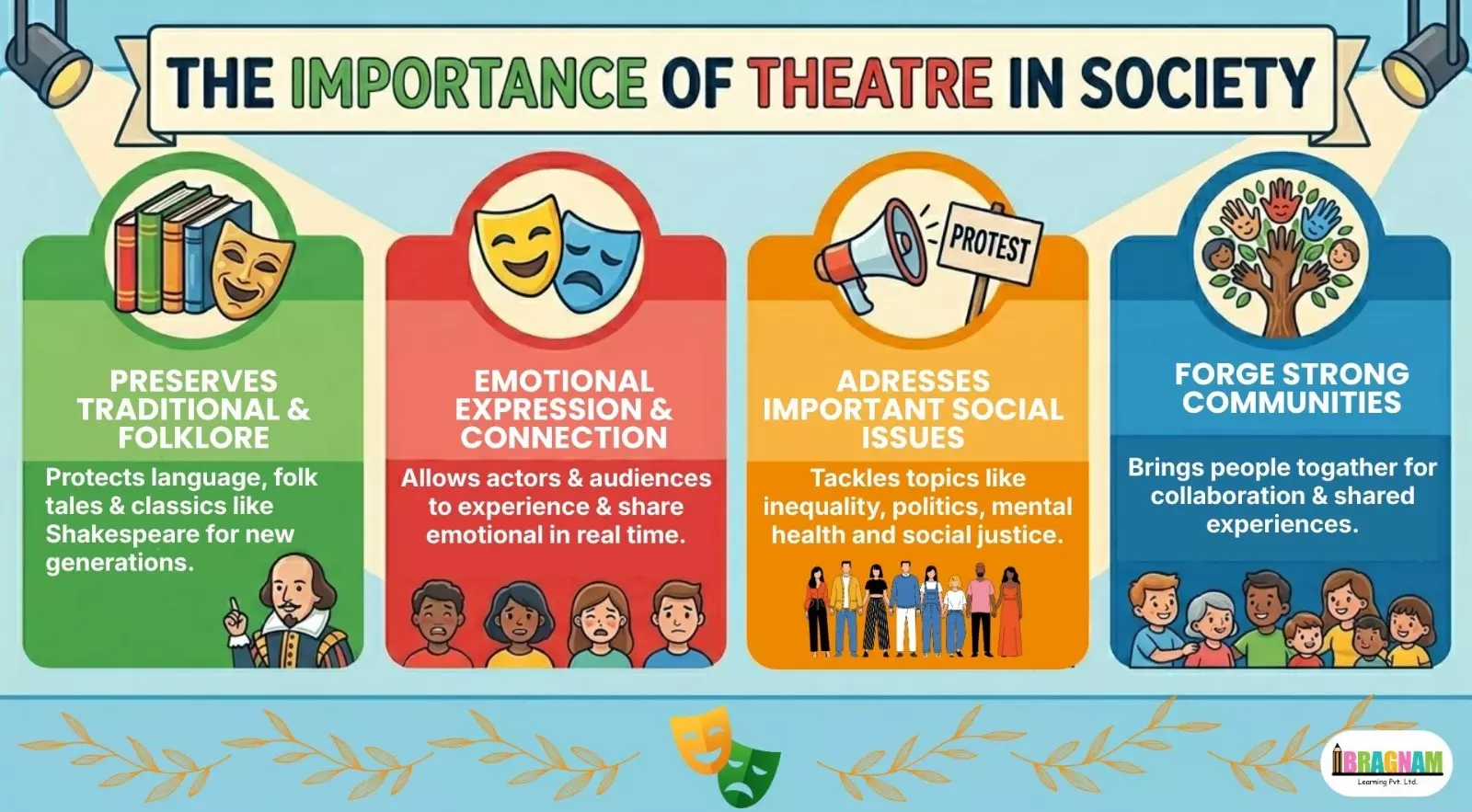
Theatre is more than just entertainment—it’s a reflection of life. On World Theatre Day, we recognize how theatre contributes to society in meaningful ways.

🌟 1. Cultural Preservation

Theatre helps preserve traditions, languages, and folklore. Classic works like those of William Shakespeare still influence modern storytelling.

🧠 2. Emotional Expression

Live performances allow actors and audiences to connect emotionally in real time.

Celebrating World Theatre Day fosters a deeper understanding of the art form.

🗣️ 3. Social Awareness

Theatre often addresses important issues such as:

  • Gender equality
  • Politics
  • Mental health
  • Social justice

🤝 4. Community Building

Local theatre groups bring people together and encourage collaboration.

importance of theatre

🎉 How to Celebrate World Theatre Day

There are many fun and meaningful ways to celebrate World Theatre Day, whether you’re an artist or an audience member.

🎭 Attend a Live Performance

Support local theatre by watching a play in your city.

🎬 Watch Classic Theatre Productions

Explore recorded performances or adaptations online.

📝 Read a Play Script

Dive into works by famous playwrights and understand storytelling techniques.

🎤 Participate in Theatre Activities

Join:

  • Drama workshops
  • Acting classes
  • Open mic performances

📱 Share on Social Media

Spread awareness by posting about World Theatre Day using relevant hashtags.

theatre day

🎭 Theatre in the Modern Digital Age

With the rise of digital platforms, theatre has evolved significantly.

💻 Online Performances

Many productions are now streamed online, making theatre accessible globally.

🎥 Hybrid Experiences

Combining live performances with digital elements enhances storytelling.

📱 Social Media Promotion

Artists now use platforms like Instagram and YouTube to showcase their work.

Despite technological advancements, the essence of theatre—live human connection—remains irreplaceable.


🌟 Famous Theatre Forms Around the World

Theatre varies across cultures, each offering unique styles and traditions.

🎎 Asian Theatre

  • Kathakali (India)
  • Noh (Japan)

🎭 Western Theatre

  • Broadway (USA)
  • West End (UK)

🛤️ Street Theatre

  • Popular in India for social awareness campaigns

Each form contributes to the richness of World Theatre Day celebrations.


🎯 Why World Theatre Day Matters Today

In today’s fast-paced digital world, World Theatre Day reminds us to pause and appreciate the art of live storytelling.

It encourages:

  • Creativity
  • Human connection
  • Cultural appreciation

It continues to inspire, educate, and transform lives.


By |2026-03-27T12:17:18+05:3027 March 2026|Blog|

Navratri Ashtami and Navmi

Introduction: Navratri Ashtami and Navmi

Navratri Ashtami and Navmi are among the most sacred and spiritually powerful days of the nine-day festival of Navratri. Celebrated with immense devotion across India, these two days mark the culmination of worship dedicated to Goddess Durga and her various forms.

While the entire Navratri period holds deep religious importance, Ashtami (8th day) and Navmi (9th day) are considered highly auspicious for performing rituals like Kanya Pujan, Havan, and special prayers. Devotees believe that observing these rituals with faith brings prosperity, protection, and divine blessings.

In this blog, we’ll explore everything about Navratri Ashtami and Navmi, including their significance, rituals, traditions, and how you can celebrate them meaningfully.

Ashtami and Navmi

Understanding Ashtami (Durga Ashtami)

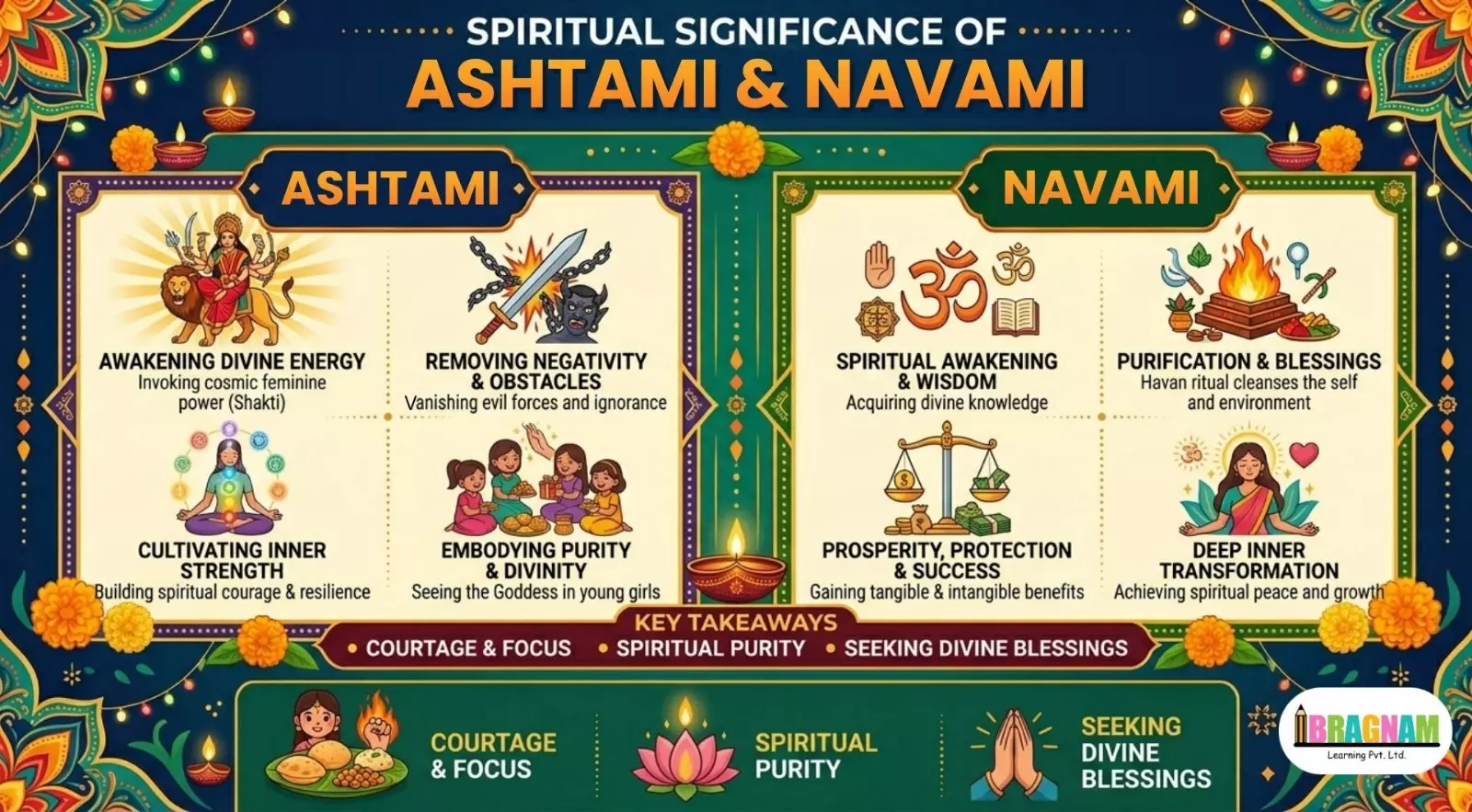
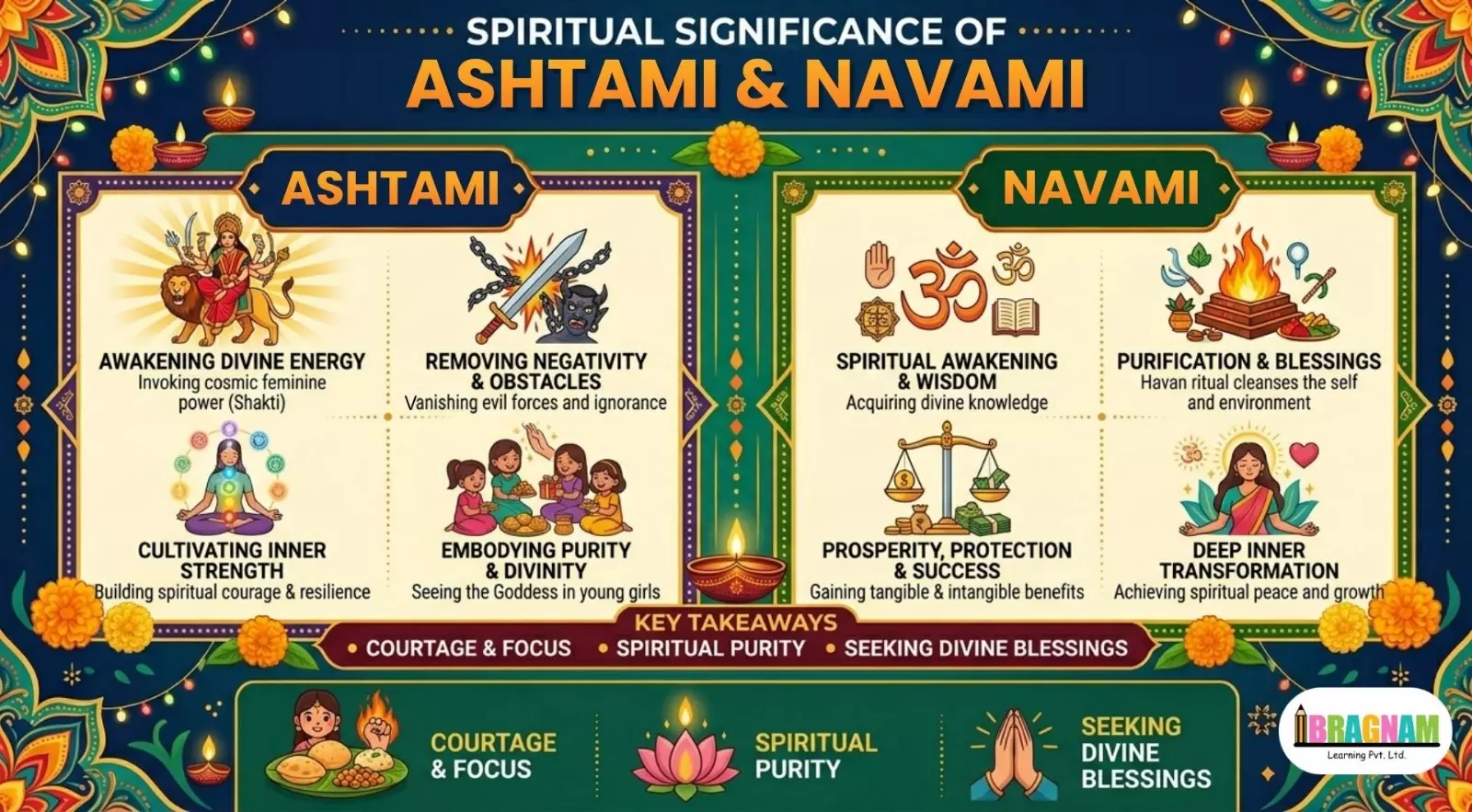
Navratri Ashtami, also known as Durga Ashtami, is dedicated to the fierce form of Goddess Durga, symbolizing strength and protection from evil forces.

  • It represents the victory of good over evil
  • Devotees perform special pujas and fasts
  • Kanya Pujan is widely conducted on this day

Understanding Navmi (Maha Navami)

Navmi, or Maha Navami, marks the final day of Navratri celebrations.

  • It signifies the completion of nine days of devotion
  • Devotees perform Havan (holy fire ritual)
  • It is associated with wisdom, power, and spiritual fulfillment

Spiritual Significance of Navratri Ashtami and Navmi

The spiritual importance of Navratri Ashtami and Navmi lies in the worship of feminine divine energy (Shakti).

Key Beliefs:

  • Goddess Durga blesses devotees with courage and success
  • Performing rituals removes negativity and obstacles
  • These days symbolize inner transformation and purity

According to Hindu mythology, these days commemorate the victory of Goddess Durga over the demon Mahishasura, symbolizing the triumph of righteousness.

Ashtami And Navmi

Important Rituals Performed on Ashtami and Navmi

1. Kanya Pujan (Kanjak Puja)

One of the most important rituals of Navratri Ashtami and Navmi is Kanya Pujan.

What is done:

  • Young girls (representing Goddess Durga) are invited
  • Their feet are washed as a mark of respect
  • They are offered food, gifts, and blessings

Traditional Menu:

  • Puri
  • Kala chana
  • Halwa

2. Fasting and Prayers

Devotees observe fasts and dedicate the day to prayer and meditation.

  • Fruits, milk, and satvik food are consumed
  • Chanting of Durga mantras is common

3. Havan (Sacred Fire Ritual)

Performed mainly on Navmi, Havan is believed to purify the environment and invite divine blessings.


How to Perform Kanya Pujan at Home

Here’s a simple step-by-step guide:

  1. Clean your home and puja area
  2. Invite 7–9 young girls (and one boy as Bhairav)
  3. Wash their feet respectfully
  4. Offer prasad (halwa, puri, chana)
  5. Give gifts like bangles, clothes, or money
  6. Seek their blessings

Tip: Perform the puja with sincerity rather than focusing on perfection.

Ashtami and Navmi

Foods Prepared on Navratri Ashtami and Navmi

Food plays a vital role in Navratri Ashtami and Navmi celebrations.

  • Kala Chana – Rich in protein and traditionally offered
  • Sooji Halwa – Sweet prasad symbolizing happiness
  • Puri – A festive staple

These dishes are prepared without onion and garlic to maintain purity.


Regional Celebrations Across India

Different parts of India celebrate Navratri Ashtami and Navmi in unique ways:

  • North India: Kanya Pujan and fasting are common
  • West Bengal: Grand celebrations leading to Durga Puja
  • Gujarat: Garba and Dandiya continue with full enthusiasm
  • South India: Saraswati Puja and Ayudha Puja are observed

Do’s and Don’ts for Navratri Ashtami and Navmi

Do’s:

  • Maintain cleanliness and purity
  • Offer prayers with devotion
  • Respect guests during Kanya Pujan

Don’ts:

  • Avoid non-vegetarian food
  • Do not consume alcohol
  • Avoid negative thoughts and actions

Why Kanya Pujan is So Important

Kanya Pujan is not just a ritual but a reminder to respect and honor feminine energy.

Symbolism:

  • Young girls represent purity and divinity
  • It promotes respect for women in society
  • It strengthens spiritual connection

Conclusion

Navratri Ashtami and Navmi are not just ritualistic days but a celebration of faith, devotion, and the power of good over evil. Whether you perform elaborate rituals or simple prayers, what truly matters is your intention and belief.

By observing these sacred days with devotion, you invite positivity, strength, and divine blessings into your life. Let this Navratri be a time for inner growth, gratitude, and spiritual awakening.


Call-to-Action (CTA)

Celebrate Navratri Ashtami and Navmi with devotion and positivity!
Share this blog with your friends and family, and let’s spread the spiritual essence of Navratri together. 🌼


By |2026-03-27T12:23:47+05:3026 March 2026|Blog|

National Science Day

Introduction: Why National Science Day Matters More Than Ever

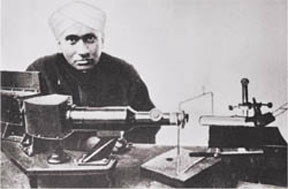
National Science Day is more than just a date on the calendar — it is a celebration of curiosity, innovation, and discovery. Observed every year on 28th February in India, National Science Day honors the groundbreaking discovery of the Raman Effect by Indian physicist C. V. Raman.

In today’s rapidly evolving world, science shapes everything — from the smartphones we use to the medicines that keep us healthy. It reminds us of the power of questioning, experimenting, and exploring the unknown. It inspires students, educators, researchers, and institutions to nurture scientific thinking from an early age.

In this blog, we’ll explore the history, significance, themes, activities, and ways schools and playschools can celebrate National Science Day in meaningful and engaging ways.

national science day

History of National Science Day

https://www.acs.org/content/acs/en/education/whatischemistry/landmarks/ramaneffect/_jcr_content/articleContent/columnsbootstrap_0/column1/image.img.jpg/1384295928378.jpg

4

It is celebrated to commemorate the discovery of the Raman Effect on 28 February 1928 by C. V. Raman. For this discovery, he was awarded the Nobel Prize in Physics in 1930, making him the first Asian to receive a Nobel Prize in science.

The Government of India declared 28 February as National Science Day in 1986. Since then, it has been celebrated across schools, colleges, universities, and research institutions throughout the country.

The day promotes:

  • Scientific awareness
  • Innovation and research
  • Appreciation for Indian scientists
  • Development of scientific temper

What is the Raman Effect?

In simple terms, the Raman Effect explains how light changes when it passes through a transparent material.

Instead of getting absorbed completely, some light scatters and changes its wavelength. This discovery revolutionized physics and opened new paths in spectroscopy.

You don’t need to be a scientist to appreciate this — it shows how observing everyday phenomena can lead to world-changing discoveries.


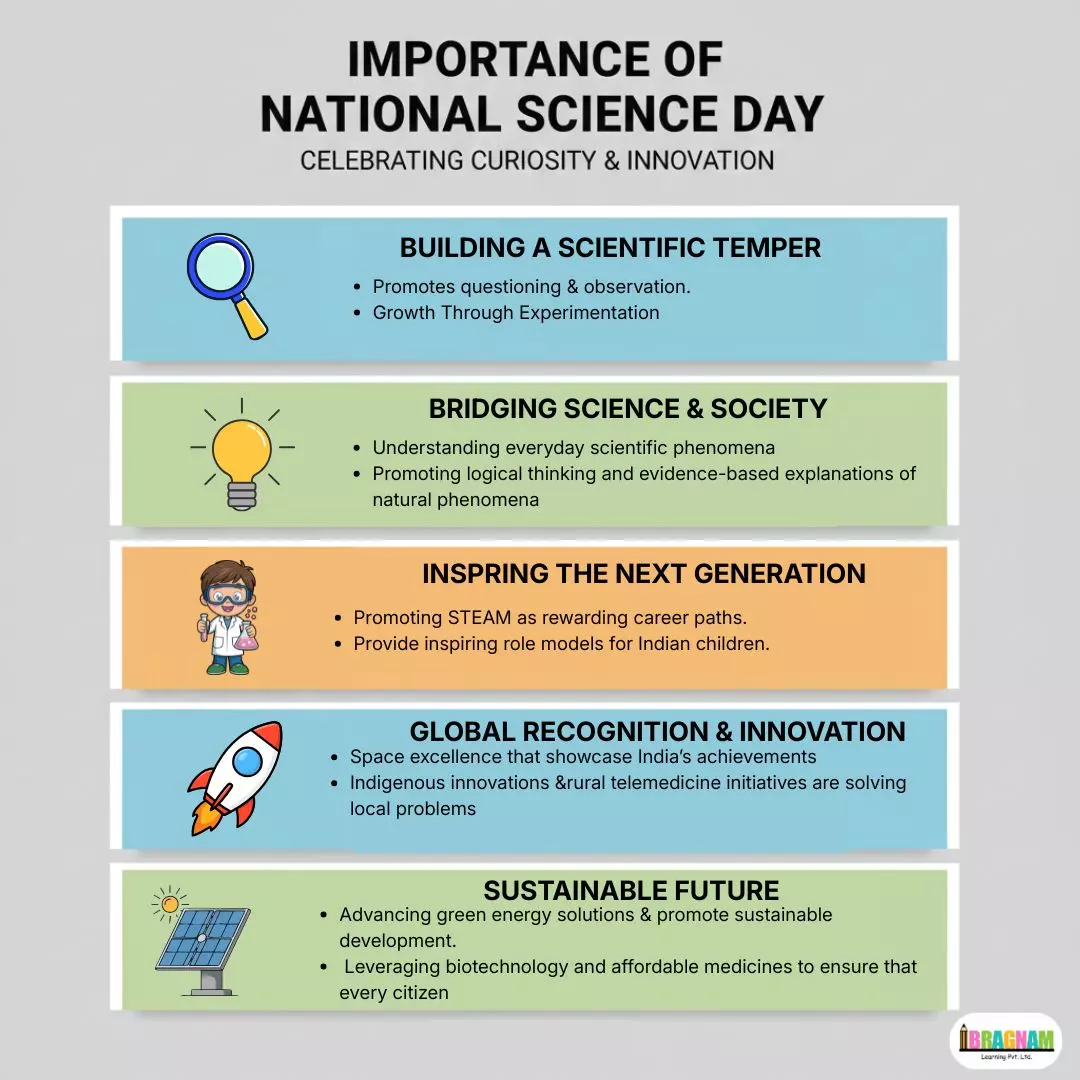
Importance of National Science Day

1. Encourages Scientific Temper

National Science Day promotes logical thinking and problem-solving skills. It encourages students to ask:

  • Why does this happen?
  • How does it work?
  • What if we try something different?

2. Inspires Young Innovators

Children exposed to science activities early in life are more likely to develop:

  • Curiosity
  • Creativity
  • Analytical skills
  • Confidence in experimentation

3. Recognizes Contributions of Indian Scientists

India has produced remarkable scientists in various fields. National Science Day highlights their contributions and motivates future generations.

4. Promotes STEM Education

Science, Technology, Engineering, and Mathematics (STEM) are the backbone of innovation. National Science Day strengthens interest in these areas.


National Science Day Themes

Every year, National Science Day is celebrated with a specific theme announced by the Government of India. These themes usually focus on:

  • Sustainable development
  • Women in science
  • Indigenous technologies
  • Innovation and entrepreneurship
  • Climate change and environmental awareness

Themes help institutions align their activities with national priorities.

national science day

How Schools and Playschools Can Celebrate National Science Day

Celebrating National Science Day does not require complex lab equipment. Even simple activities can spark curiosity.

For Preschool & Kindergarten

  • 🔬 Color mixing experiments
  • 🌱 Planting seeds to observe growth
  • 🧲 Magnet exploration
  • 💧 Floating and sinking activity
  • 🌈 Rainbow creation with prism or water

For Primary School Students

  • Science quizzes
  • Model-making competitions
  • Poster presentations
  • Science exhibitions
  • Simple volcano experiment

For Franchise Schools & Educational Institutions

  • Organize a Science Fair
  • Invite a local scientist for a talk
  • Conduct innovation competitions
  • Showcase student projects
  • Host a “Young Scientist Award” ceremony

Fun and Simple Science Experiments for National Science Day

Here are 5 easy experiments:

  1. Baking Soda Volcano
    Mix baking soda and vinegar to observe a chemical reaction.
  2. Walking Water Experiment
    Demonstrates capillary action using colored water and tissue paper.
  3. Balloon Rocket
    Shows action and reaction principles.
  4. Dancing Raisins
    Carbon dioxide bubbles make raisins move in soda water.
  5. Shadow Experiment
    Learn about light sources and shadow formation.

Role of Teachers on National Science Day

Teachers play a crucial role in making National Science Day meaningful.

They can:

  • Encourage inquiry-based learning
  • Allow children to experiment freely
  • Appreciate small discoveries
  • Connect science with real-life examples

Science should feel exciting — not intimidating.


Why National Science Day is Important for Early Education

At the preschool level, science is not about formulas. It is about:

  • Observing nature
  • Asking questions
  • Exploring textures
  • Understanding cause and effect

When children are encouraged to explore, they develop lifelong learning habits.

It reminds us that curiosity starts early.


How Parents Can Participate in National Science Day

Parents can celebrate National Science Day at home by:

  • Doing small experiments together
  • Visiting science museums
  • Watching educational science videos
  • Encouraging children to ask “why”
  • Reading books about scientists

When home and school work together, children benefit the most.


Conclusion: Celebrating Curiosity on National Science Day

From preschool classrooms to advanced research labs, National Science Day inspires everyone to think differently, question boldly, and explore confidently.

As we celebrate National Science Day, let us nurture young minds, encourage experimentation, and build a future driven by knowledge and innovation.

Let’s make science fun, accessible, and inspiring — not just on National Science Day, but every single day

By |2026-03-12T13:47:51+05:3012 March 2026|Blog|

Leap Year: Why It Happens and Why It Matters

Have you ever wondered why we sometimes get an extra day in February? That special year, known as a leap year, gives us February 29 — a date that appears only once every four years. While it may seem like a small calendar adjustment, the leap year plays a crucial role in keeping our calendar aligned with Earth’s orbit around the Sun.

In this detailed guide, we’ll explore what a leap year is, why it exists, how it works, and some fascinating facts surrounding it. Whether you’re a parent explaining it to your child or just curious about calendars, this blog will make the concept simple and engaging.

leap year

What Is a Leap Year?

A leap year is a year that contains 366 days instead of 365 days. The extra day is added to the month of February, making it 29 days long instead of the usual 28.

But why do we need this extra day?

The reason lies in how long it takes Earth to complete one orbit around the Sun.

  • Earth takes approximately 365.2422 days to orbit the Sun.
  • Our standard calendar year has only 365 days.
  • That extra 0.2422 day adds up over time.

Without a leap year adjustment, our calendar would slowly drift away from the seasons.

leap year

Why Do We Have a Leap Year?

🌍 The Science Behind Leap Year

The leap year exists because of astronomy.

Since Earth doesn’t take exactly 365 days to orbit the Sun, we accumulate nearly one extra day every four years:

0.2422 × 4 ≈ 0.9688 (almost one full day)

To fix this difference, we add one extra day every four years — creating a leap year.

This system keeps:

  • Seasons aligned with months
  • Equinoxes and solstices consistent
  • Agricultural cycles stable
  • Global time systems accurate

Without leap years, after hundreds of years, winter could shift into what we call summer!

leap year

The Leap Year Rule Explained Simply

The leap year rule is slightly more detailed than just “every 4 years.”

Here’s how it works:

  1. A year is a leap year if it is divisible by 4.
  2. However, if the year is divisible by 100, it is NOT a leap year.
  3. But if the year is divisible by 400, it IS a leap year.

Examples:

  • 2020 → Leap year ✅
  • 2024 → Leap year ✅
  • 1900 → Not a leap year ❌
  • 2000 → Leap year ✅

This rule ensures the calendar stays extremely accurate over centuries.


Who Introduced the Leap Year?

The concept of leap year dates back to ancient times.

It was first introduced by:

📜 Julius Caesar

In 45 BCE, Julius Caesar introduced the Julian Calendar, which included a leap year every four years.

Later, the system was refined under:

⛪ Pope Gregory XIII

In 1582, he introduced the Gregorian Calendar, which is the calendar we use today. This version corrected small errors in the Julian system and added the 100 and 400-year rules.


Interesting Leap Year Facts

A leap year is more than just an extra day. Here are some fascinating facts:

  • People born on February 29 are called “Leaplings” or “Leapers.”
  • There are only about 5 million leap day birthdays worldwide.
  • In some cultures, February 29 is considered lucky.
  • In Ireland and the UK, tradition once allowed women to propose marriage on leap day.
  • Companies sometimes adjust salaries and interest calculations during leap years.

Why Leap Year Is Important

The leap year ensures:

1️⃣ Seasonal Accuracy

Without leap years, festivals like Holi, Christmas, or Diwali would slowly shift across seasons (in solar-based calendars).

2️⃣ Agricultural Planning

Farmers rely on seasonal consistency for planting and harvesting.

3️⃣ Scientific & Astronomical Accuracy

Space missions, climate studies, and global timekeeping depend on accurate calendars.

4️⃣ Long-Term Calendar Stability

Over centuries, the leap year prevents calendar drift.

In short, the leap year keeps our world organized.


Leap Year and Children: A Fun Learning Opportunity

For parents and educators, a leap year is a fantastic chance to teach:

  • Basic astronomy
  • Calendar math
  • Time calculation
  • Historical facts

Fun activities for kids:

  • Create a February 29 craft
  • Calculate your age in leap years
  • Learn about Earth’s orbit
  • Make a leap year quiz

It’s a simple yet powerful educational concept.


Leap Year in Modern Times

Today, nearly all countries follow the Gregorian calendar system introduced by Pope Gregory XIII.

However, some cultures and religions use lunar calendars, which follow different rules.

Still, the leap year remains globally recognized as a key adjustment to our civil calendar.

By |2026-03-12T14:49:04+05:3028 February 2026|Blog|

How to Utilise Household Things for Early Education

Early childhood is a magical phase of curiosity, creativity, and constant learning. But did you know that you don’t always need expensive toys or fancy learning kits to support your child’s development? In fact, one of the best ways to encourage learning is by understanding how to utilise household things for early education in simple, meaningful ways.

From kitchen utensils to old newspapers, everyday household items can become powerful learning tools. When used creatively, these objects help children develop cognitive, motor, language, and social skills — all while having fun at home.

In this blog, we will explore practical, affordable, and engaging ways to understand how to utilise household things for early education, along with expert tips, activity ideas, and FAQs to guide you.

household

Why Household Items Are Powerful Learning Tools

Before we dive into activities, let’s understand why learning through everyday items works so well.

Children learn best when:

  • They explore real-world objects
  • They engage in hands-on experiences
  • They feel safe and comfortable
  • Learning feels like play

Using household things makes learning:

  • Budget-friendly
  • Easily accessible
  • Creative and flexible
  • Parent-involved

When you understand how to utilise household things for early education, you transform your home into a mini learning lab.

household

1. Kitchen Items for Learning Activities

The kitchen is a treasure box of learning materials!

🥄 Counting and Sorting with Pulses

Use:

  • Rice
  • Lentils
  • Beans
  • Chickpeas

Activity Ideas:

  • Counting games
  • Sorting by size or color
  • Pattern making
  • Sensory play

This improves:

  • Number recognition
  • Fine motor skills
  • Concentration

🥣 Measuring Cups for Math Skills

Measuring cups and spoons can introduce:

  • Big vs small
  • Full vs empty
  • More vs less
  • Basic fractions

Children naturally learn mathematical concepts when you show them how to utilise household things for early education in everyday tasks like cooking.

household

2. Newspapers & Magazines for Language Development

Old newspapers are excellent learning tools.

✂️ Letter Hunt Game

Ask your child to:

  • Find a specific letter
  • Circle all “A” or “B” letters
  • Cut out pictures starting with a particular sound

This builds:

  • Phonics awareness
  • Letter recognition
  • Vocabulary

📰 Picture Story Creation

Cut out images and ask your child to create a story.

This enhances:

  • Imagination
  • Sentence formation
  • Creative thinking

Understanding how to utilise household things for early education helps improve literacy skills naturally.


3. Empty Boxes & Containers for Creative Play

Don’t throw away cardboard boxes!

📦 DIY Building Blocks

Use:

  • Shoe boxes
  • Medicine cartons
  • Cereal boxes

Children can:

  • Build houses
  • Create towers
  • Make pretend shops

This develops:

  • Spatial awareness
  • Problem-solving skills
  • Creativity

🛒 Pretend Grocery Store

Use empty food packets and set up a small shop.

Teach:

  • Money concepts
  • Role play
  • Social interaction

Role-play is one of the best examples of how to utilise household things for early education effectively.


4. Clothes & Fabric for Sensory Learning

Old clothes and fabric pieces can be used for:

  • Texture identification
  • Folding practice
  • Color sorting

🧺 Laundry Sorting Game

Ask your child to sort clothes by:

  • Color
  • Size
  • Family member

This builds:

  • Observation skills
  • Logical thinking
  • Responsibility

5. Household Tools for Motor Skill Development

🧹 Cleaning Activities

Give safe tasks like:

  • Dusting
  • Wiping tables
  • Watering plants

These simple activities help children:

  • Develop coordination
  • Build independence
  • Feel responsible

Learning how to utilise household things for early education also teaches life skills.


6. Bottle Caps & Buttons for Fine Motor Skills

Collect bottle caps and large buttons.

Use them for:

  • Counting games
  • Color matching
  • Pattern making
  • Threading activities

These improve:

  • Finger strength
  • Hand-eye coordination
  • Pre-writing skills

7. Storytelling with Household Objects

Pick 3 random items from home and ask your child to create a story using them.

For example:

  • Spoon
  • Teddy
  • Shoe

This enhances:

  • Communication skills
  • Confidence
  • Creative expression

This simple exercise shows the power of knowing how to utilise household things for early education creatively.


Tips for Parents

To make the most of household learning:

  • Always supervise young children
  • Ensure items are safe and non-toxic
  • Keep activities short and engaging
  • Encourage open-ended play
  • Appreciate effort, not perfection

Remember, early education is not about worksheets — it’s about exploration.


Benefits of Using Household Items for Early Education

When you consistently practice how to utilise household things for early education, your child benefits in multiple ways:

  • Stronger cognitive development
  • Better language skills
  • Improved motor coordination
  • Increased creativity
  • Higher confidence levels

Most importantly, learning becomes joyful and stress-free.


Frequently Asked Questions (FAQs)

1. Why is it important to use household things for early education?

Using household items makes learning practical, affordable, and relatable. Children learn better through real-life experiences.

2. Are household items safe for toddlers?

Yes, but supervision is necessary. Avoid sharp, small, or hazardous objects.

3. Can household learning replace preschool?

Household activities support development, but structured early education programs provide additional social and curriculum-based learning.

4. How often should I do these activities?

Daily short activities (15–30 minutes) are effective and manageable.

5. Do I need special training to teach at home?

No. Simple guidance and involvement are enough. Consistency matters more than expertise.


Suggested Internal Linking Opportunities


Suggested External Links


Conclusion

Understanding how to utilise household things for early education empowers parents to become active partners in their child’s growth journey. You don’t need expensive materials — creativity, patience, and involvement are enough.

Every spoon, box, newspaper, or bottle cap can become a stepping stone toward your child’s brighter future.

Start today. Look around your home. Pick one simple item — and turn it into a fun learning experience.


Call-to-Action (CTA)

✨ Want more practical early learning ideas for your child?
Stay connected with us for weekly parenting tips, preschool resources, and creative learning activities designed especially for young minds.

👉 Share this blog with other parents and start a home-learning revolution today!

By |2026-03-12T11:47:38+05:3024 February 2026|Blog|

Zero Discrimination Day

ntroduction: Why Zero Discrimination Day Matters More Than Ever

Zero Discrimination Day is more than just a date on the calendar — it is a global reminder that every individual deserves respect, dignity, and equal opportunities. Observed every year on March 1, this important day promotes equality before the law and in practice across all countries worldwide.

In a world where people still face unfair treatment because of gender, religion, disability, race, age, or economic status, Zero Discrimination Day stands as a powerful call to action. It encourages governments, institutions, schools, workplaces, and communities to eliminate discriminatory practices and create inclusive environments.

Whether in schools, offices, public services, or online spaces, discrimination affects millions. By understanding the meaning and purpose of Zero Discrimination Day, we can take small yet meaningful steps toward building a society based on fairness and acceptance.

discrimination day

What is Zero Discrimination Day?

Zero Discrimination Day is observed annually on March 1 and is led globally by UNAIDS. The day aims to:

  • Promote equality and inclusion
  • Highlight the harmful impact of discrimination
  • Support human rights for all individuals
  • Encourage policies that protect vulnerable communities

The symbol of Zero Discrimination Day is a butterfly — representing transformation, growth, and positive change.

discrimination day1

The movement emphasizes that discrimination violates basic human rights and can negatively affect:

  • Mental health
  • Education access
  • Employment opportunities
  • Healthcare availability
  • Social belonging

The Importance of Zero Discrimination Day in Today’s Society

Discrimination can appear in subtle and obvious ways. From workplace bias to bullying in schools, unfair treatment limits people’s potential and damages communities.

discrimination day

Here’s why Zero Discrimination Day is crucial:

1. Promotes Equal Opportunities

Everyone deserves the same chance to learn, work, and grow. Zero Discrimination Day spreads awareness about equal access to:

  • Education
  • Employment
  • Healthcare
  • Legal protection

2. Encourages Inclusive Education

For schools and early education centers, Zero Discrimination Day is an opportunity to teach children about kindness, empathy, and respect for differences.

3. Strengthens Communities

Communities that value diversity are more innovative, peaceful, and productive.

4. Supports Human Rights

Zero Discrimination Day reinforces the principles outlined in the United Nations’ Universal Declaration of Human Rights.


Common Forms of Discrimination

Understanding discrimination helps prevent it. Some common types include:

  • Gender discrimination
  • Racial discrimination
  • Religious discrimination
  • Disability discrimination
  • Age discrimination
  • Economic discrimination

Zero Discrimination Day reminds us that discrimination can be intentional or unconscious — but its impact is always harmful.


How Schools and Playschools Can Observe Zero Discrimination Day

For educational institutions, especially early childhood centers, Zero Discrimination Day offers a meaningful learning opportunity.

Activities for Children

  1. Storytelling Sessions
    • Read books about diversity and friendship.
  2. Art & Craft Activities
    • Butterfly art projects symbolizing transformation.
  3. Kindness Wall
    • Children write or draw acts of kindness.
  4. Role-Play Activities
    • Teach empathy and understanding.
  5. Diversity Celebration Day
    • Encourage children to share about their cultures and traditions.

Teaching children early about acceptance ensures they grow into inclusive adults.


How Individuals Can Support Zero Discrimination Day

You don’t need to be part of a large organization to support Zero Discrimination Day. Simple actions can make a big difference:

  • Speak up against unfair treatment.
  • Use respectful language.
  • Educate yourself about different cultures.
  • Support inclusive policies.
  • Encourage open conversations.

Change begins at the individual level.


Zero Discrimination Day in the Workplace

Workplaces play a major role in promoting equality. Companies can:

  • Implement anti-discrimination policies
  • Conduct diversity training programs
  • Ensure equal pay practices
  • Create inclusive hiring strategies
  • Offer safe reporting systems

When organizations actively observe Zero Discrimination Day, they reinforce their commitment to fairness and equality.


The Global Impact of Zero Discrimination Day

Through campaigns, awareness drives, and policy discussions, Zero Discrimination Day has influenced conversations worldwide. Governments and institutions use this day to evaluate their inclusion policies and renew commitments toward social justice.

Many international organizations, including United Nations Human Rights Council, emphasize that eliminating discrimination is key to achieving sustainable development goals.


How Zero Discrimination Day Benefits Children

Children thrive in environments that value diversity. When discrimination is reduced:

  • Confidence increases
  • Emotional security improves
  • Academic performance strengthens
  • Social skills develop better

By teaching the values of Zero Discrimination Day early, we build compassionate future leaders.

By |2026-03-12T14:19:55+05:3022 February 2026|Blog|

Importance of Healty Diet for Kindergarten

Introduction: Why the Importance of Healty Diet for Kindergarten Matters More Than Ever

healthy diet

When it comes to young children, nutrition plays a powerful role in shaping their growth, learning ability, and overall well-being. The Importance of Healty Diet for Kindergarten children cannot be overstated. At this early stage of life, kids are growing rapidly — physically, mentally, and emotionally. What they eat today directly affects how they perform in school, how strong their immune system becomes, and how healthy they remain in the future.

Kindergarten years are crucial because children develop eating habits that often last a lifetime. A balanced and healthy diet helps improve concentration, stabilize mood, and support healthy growth. Parents, caregivers, and educators all share the responsibility of ensuring that children receive the right nutrition.

In this article, we’ll explore the Importance of Healty Diet for Kindergarten in detail, including benefits, essential nutrients, meal ideas, tips for parents, and answers to common questions.


What Does a Healthy Diet for Kindergarteners Include?

healthy diet

Understanding the Importance of Healty Diet for Kindergarten starts with knowing what a healthy diet actually looks like.

A balanced kindergarten diet should include:

  • 🥦 Fruits and vegetables
  • 🍞 Whole grains
  • 🥚 Protein-rich foods
  • 🥛 Dairy or calcium-rich alternatives
  • 💧 Plenty of water

Children need a mix of nutrients to support their growing bodies and developing brains.


Why the Importance of Healty Diet for Kindergarten Is Critical

1. Supports Brain Development

During kindergarten years, children experience rapid brain growth. Nutrients like:

  • Omega-3 fatty acids
  • Iron
  • Zinc
  • Protein

help improve memory, attention span, and problem-solving skills.

Children who eat balanced meals tend to:

  • Focus better in class
  • Follow instructions more easily
  • Show improved cognitive performance

This highlights the Importance of Healty Diet for Kindergarten in academic success.


2. Strengthens the Immune System

Kindergarten children are exposed to many germs in school environments. A healthy diet rich in:

  • Vitamin C (oranges, strawberries)
  • Vitamin A (carrots, sweet potatoes)
  • Zinc (beans, nuts)

helps strengthen immunity and reduce sick days.

The Importance of Healty Diet for Kindergarten becomes especially clear during cold and flu season.


3. Promotes Healthy Growth and Development

Children between ages 4–6 grow steadily. Proper nutrition ensures:

  • Strong bones and teeth
  • Healthy muscles
  • Proper weight management

Calcium and vitamin D are especially important for bone development.


4. Builds Healthy Eating Habits for Life

Kindergarten is the perfect time to introduce balanced eating habits. Children learn by example.

When parents:

  • Offer nutritious meals
  • Eat vegetables together
  • Avoid excessive sugary snacks

children are more likely to develop lifelong healthy habits.

This is one of the long-term benefits of understanding the Importance of Healty Diet for Kindergarten.


Essential Nutrients for Kindergarten Children

healthy diet

🥦 1. Fruits and Vegetables

Benefits:

  • Provide vitamins and minerals
  • Improve digestion
  • Boost immunity

Try offering colorful options like:

  • Carrots
  • Spinach
  • Apples
  • Bananas
  • Berries

🍞 2. Whole Grains

Whole grains give children sustained energy throughout the school day.

Examples:

  • Brown rice
  • Whole wheat bread
  • Oatmeal
  • Quinoa

They prevent energy crashes and help maintain focus.


🥚 3. Protein

Protein helps build muscles and repair tissues.

Good sources include:

  • Eggs
  • Beans
  • Chicken
  • Fish
  • Yogurt

🥛 4. Dairy and Calcium

Calcium supports strong bones and teeth.

Sources:

  • Milk
  • Cheese
  • Yogurt
  • Fortified plant-based milk

💧 5. Hydration

Water is often overlooked but extremely important.

Encourage children to:

  • Drink water regularly
  • Avoid sugary juices
  • Limit soda consumption

Common Nutrition Mistakes Parents Should Avoid

Understanding the Importance of Healty Diet for Kindergarten also means avoiding common pitfalls.

❌ Skipping Breakfast

Breakfast fuels learning and concentration.

❌ Too Many Sugary Snacks

Excess sugar leads to:

  • Energy crashes
  • Mood swings
  • Increased risk of obesity

❌ Forcing Children to Eat

Encourage, don’t pressure. Make mealtimes positive.

❌ Using Food as a Reward

This can create unhealthy emotional connections with food.


Healthy Meal Ideas for Kindergarteners

Here are simple and balanced meal ideas:

🥣 Breakfast Ideas

  • Oatmeal with fruit
  • Scrambled eggs with whole wheat toast
  • Yogurt with berries and granola

🥪 Lunch Ideas

  • Turkey sandwich on whole wheat bread
  • Vegetable pasta
  • Rice with beans and steamed vegetables

🍎 Snack Ideas

  • Apple slices with peanut butter
  • Carrot sticks and hummus
  • Cheese cubes and whole grain crackers

These practical examples demonstrate the Importance of Healty Diet for Kindergarten in everyday life.


How Parents Can Encourage Healthy Eating

Here are effective strategies:

  1. Be a role model.
  2. Offer a variety of foods repeatedly.
  3. Make meals colorful and fun.
  4. Involve kids in grocery shopping.
  5. Let children help prepare simple meals.

When children feel involved, they’re more likely to try new foods.


The Role of Schools in Promoting Healthy Diets

Kindergarten teachers and schools also play an important role in reinforcing the Importance of Healty Diet for Kindergarten.

Schools can:

  • Provide nutritious meal options
  • Educate children about healthy foods
  • Encourage physical activity
  • Limit junk food in school events

When both home and school work together, children benefit the most.


Long-Term Benefits of a Healthy Kindergarten Diet

The Importance of Healty Diet for Kindergarten extends beyond early childhood.

Healthy eating can reduce the risk of:

  • Childhood obesity
  • Type 2 diabetes
  • Heart disease later in life
  • Nutritional deficiencies

Investing in nutrition early creates a healthier future.


Frequently Asked Questions (FAQs)

1. Why is the Importance of Healty Diet for Kindergarten so critical?

A healthy diet supports brain development, growth, immunity, and concentration. It also builds lifelong healthy habits.

2. How many meals should a kindergartener eat daily?

Most kindergarten children benefit from:

  • 3 balanced meals
  • 1–2 healthy snacks

This keeps their energy levels stable.

3. What foods should kindergarteners avoid?

Limit:

  • Sugary drinks
  • Processed snacks
  • Excess fried foods
  • High-sugar cereals

Moderation is key.

4. How can I make my picky eater eat healthy food?

  • Offer small portions
  • Introduce new foods gradually
  • Make meals fun and colorful
  • Avoid forcing them

Patience works better than pressure.

5. Is milk necessary for kindergarten children?

Milk provides calcium and vitamin D, but alternatives like fortified plant milk, yogurt, and cheese can also meet calcium needs.


Conclusion: Investing in the Importance of Healty Diet for Kindergarten

The Importance of Healty Diet for Kindergarten cannot be ignored. Proper nutrition during early childhood lays the foundation for lifelong health, academic success, and emotional stability.

By providing balanced meals, encouraging healthy habits, and modeling good food choices, parents and educators can make a lasting difference in a child’s life.

Healthy children grow into healthy adults — and it all begins with the right nutrition in kindergarten.


Call to Action (CTA)

Want more parenting and child development tips?
Subscribe to our newsletter for expert-backed guidance on raising healthy, happy children. Share this article with other parents and help spread awareness about the Importance of Healty Diet for Kindergarten!

By |2026-03-12T10:49:50+05:3021 February 2026|Blog|
Go to Top