
Kindergarten Emotional Development: How Bragnam Builds Confident Learners
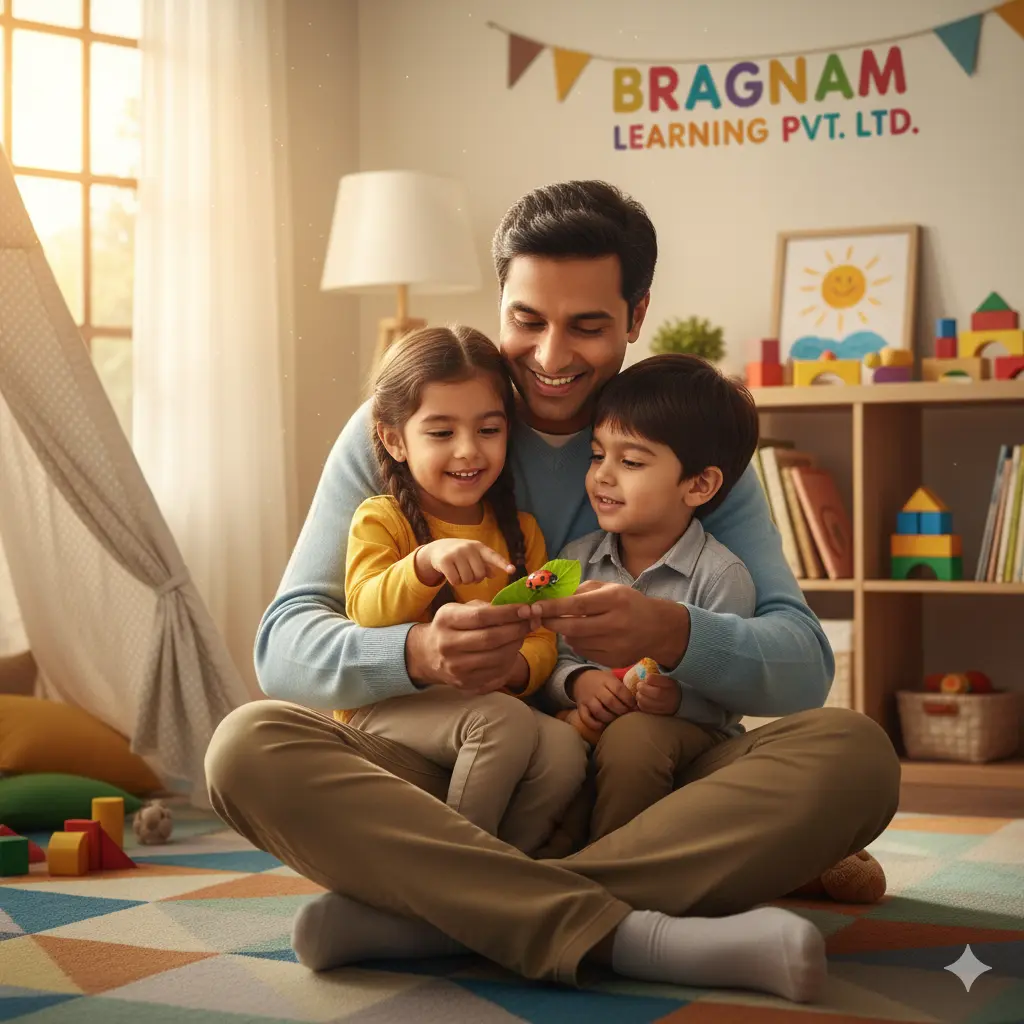
Kindergarten, man, that’s when all the magic starts. Kids are sponges at that age—soaking up every little thing, whether it’s learning to tie their shoes or figuring out why sharing actually matters. Over at Bragnam Learning Pvt Ltd, they’re pretty obsessed (in a good way) with making sure every kid gets the shot they deserve. It’s not just about shuffling kids from one activity to the next—nah, it’s about sparking curiosity, helping them build some guts (confidence, if you wanna be fancy), teaching them to actually care about others, and letting them try stuff on their own. That’s the real deal if you want them to love learning for, like, ever.
Building Trust and Emotional Safety
Honestly, kids just do better when they know someone’s got their back. If your home feels chill and loving, that’s half the battle won right there. You don’t need to go wild—just basic stuff like a hug now and then, saying good job, or actually listening when they’re rambling about Minecraft or whatever. That’s what really sticks. When parents actually pay attention to how their kid feels (instead of brushing it off or rushing to fix things), those kids learn how to handle their own emotions. And yeah, all that patient listening and showing you care? It preps them for all the junk life throws at them, whether it’s school drama or just dealing with people in general.
Consistency Through Routine
Kids are basically little chaos magnets, right? So, some structure—like, actual routines—can work wonders. When they know what’s coming next (breakfast, play, homework, whatever), it’s like their brains breathe a sigh of relief. There’s comfort in predictability. Plus, they start figuring out time management and, you know, not turning into tiny tornadoes of disorder. Honestly, routines aren’t just about control—they’re about giving kids a sense of security so they’re not on edge all day. Even small things, like a goofy wake-up song or a quick bedtime story, can turn the daily grind into something they actually look forward to. It’s wild how much that helps them handle their feelings—and, let’s be real, makes life way less stressful for everyone.
Positive Modeling: Leading by Example
Little kids in kindergarten? Man, they’re like tiny sponges. They watch everything—the words, the side-eye, the way you roll your eyes when you think they’re not looking. If you want them to grow up decent, you gotta walk the walk. Like, actually be patient, show some backbone, and don’t freak out every time something goes sideways. When parents chill out and handle arguments without turning it into a soap opera, or actually show respect to people (even the annoying ones), kids notice. Celebrate the tiny wins, say thanks out loud, and suddenly, these little humans start picking up on gratitude and empathy without even realizing it. It’s wild how much they soak up just from watching you do your thing.
Encouragement and Celebrating Small Wins
You know what really makes a difference? Not just patting kids on the back when they “win” but actually noticing all the little stuff they do along the way. Like, maybe they finally finished that ridiculous 500-piece puzzle, or they just worked up the nerve to say hi to someone new at recess. That stuff matters, a lot. Pumping them up for trying, not just for being perfect, honestly teaches them that it’s okay to stumble and keep at it. It’s like—confidence doesn’t just pop into existence. Kids build it, piece by piece, every time someone notices their effort. If you only chase gold stars, you miss the whole point. Let’s call out the grit and the hustle, not just the shiny results. That’s how you raise someone who doesn’t freak out when life gets tricky.
Communication Matters: Using Positive Language
You know what really makes a difference? Not just patting kids on the back when they “win” but actually noticing all the little stuff they do along the way. Like, maybe they finally finished that ridiculous 500-piece puzzle, or they just worked up the nerve to say hi to someone new at recess. That stuff matters, a lot. Pumping them up for trying, not just for being perfect, honestly teaches them that it’s okay to stumble and keep at it. It’s like—confidence doesn’t just pop into existence. Kids build it, piece by piece, every time someone notices their effort. If you only chase gold stars, you miss the whole point. Let’s call out the grit and the hustle, not just the shiny results. That’s how you raise someone who doesn’t freak out when life gets tricky.
Setting Limits with Care
Honestly, kids totally thrive when they know where the lines are—boundaries make things feel way less chaotic for them. It’s not just about barking orders, though. If you lay out the rules and actually explain why (like, “Hey, we share toys because nobody likes feeling left out”), they get it. Fair’s fair, right? When you stick to your word and treat everyone the same, it teaches them to own up and be decent humans. Plus, if you keep things steady and loving—not all harsh and unpredictable—they’re way more likely to chill out and respect you back. Family life just runs smoother that way.
Fostering Independence and Confidence
The Bragnam Approach: Learning by Doing
Bragnam Learning Pvt Ltd really gets it—kids don’t want to sit through boring lectures. They make learning a legit adventure with games, wild activities, and stories that actually grab your attention. No snoozefest here. They’re big on stuff like gratitude and curiosity too, not just shoving facts at you. Honestly, it feels like they want both parents and kids to win, not just tick a box. If you’re after education that means something, not just grades, this place is doing things right.




Leave A Comment