
Introduction: Why the Importance of Healty Diet for Kindergarten Matters More Than Ever
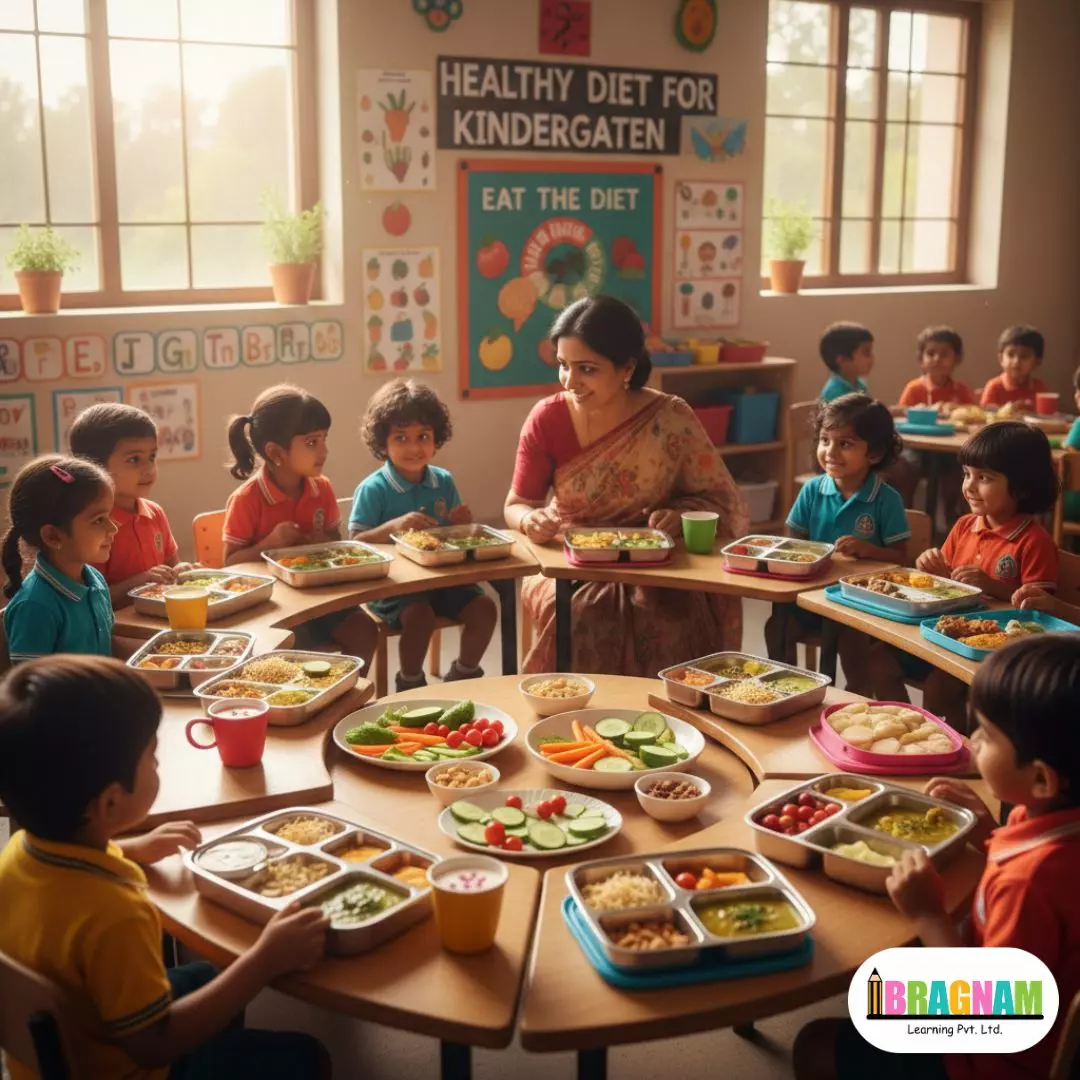
When it comes to young children, nutrition plays a powerful role in shaping their growth, learning ability, and overall well-being. The Importance of Healty Diet for Kindergarten children cannot be overstated. At this early stage of life, kids are growing rapidly — physically, mentally, and emotionally. What they eat today directly affects how they perform in school, how strong their immune system becomes, and how healthy they remain in the future.
Kindergarten years are crucial because children develop eating habits that often last a lifetime. A balanced and healthy diet helps improve concentration, stabilize mood, and support healthy growth. Parents, caregivers, and educators all share the responsibility of ensuring that children receive the right nutrition.
In this article, we’ll explore the Importance of Healty Diet for Kindergarten in detail, including benefits, essential nutrients, meal ideas, tips for parents, and answers to common questions.
What Does a Healthy Diet for Kindergarteners Include?
Understanding the Importance of Healty Diet for Kindergarten starts with knowing what a healthy diet actually looks like.
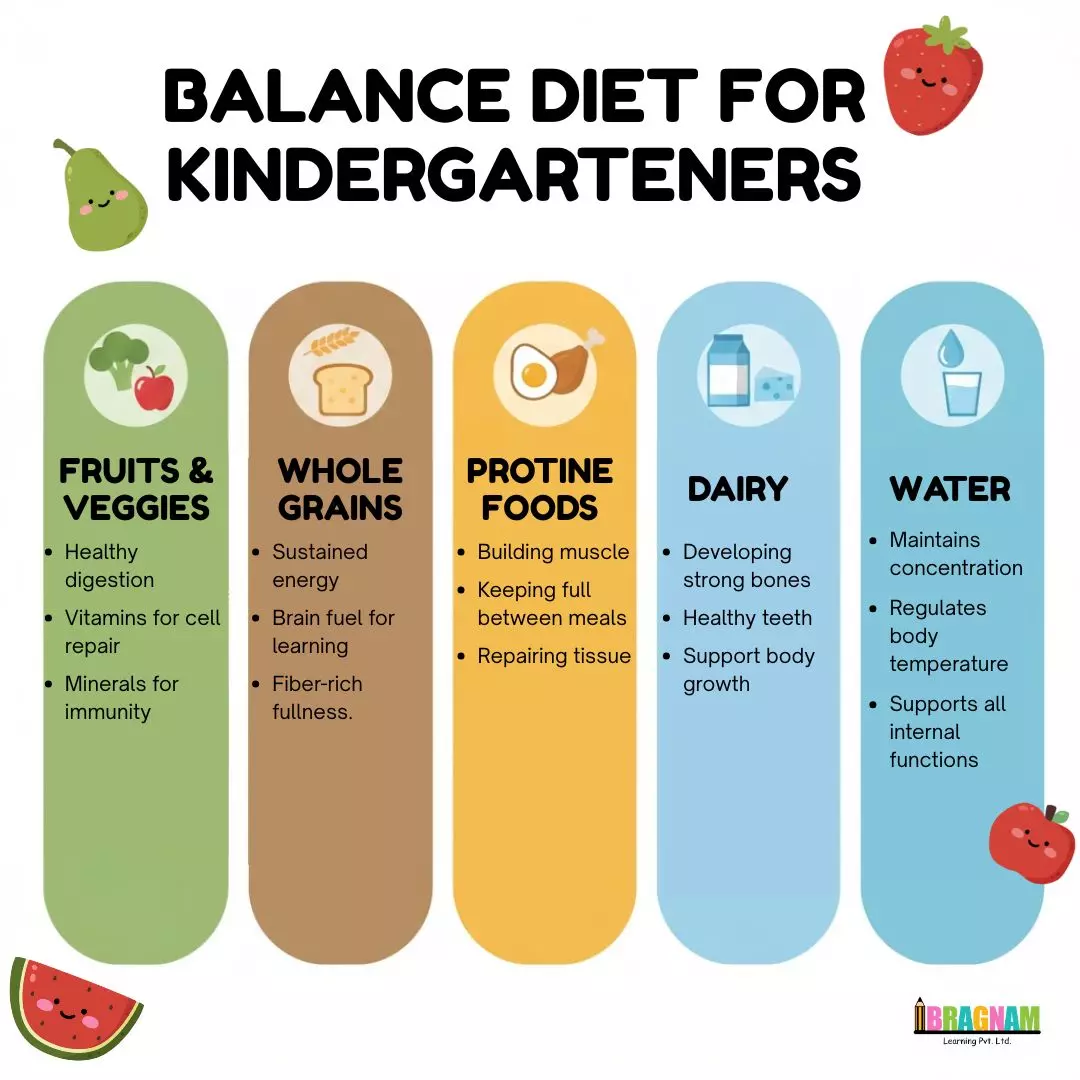
A balanced kindergarten diet should include:
- 🥦 Fruits and vegetables
- 🍞 Whole grains
- 🥚 Protein-rich foods
- 🥛 Dairy or calcium-rich alternatives
- 💧 Plenty of water
Children need a mix of nutrients to support their growing bodies and developing brains.
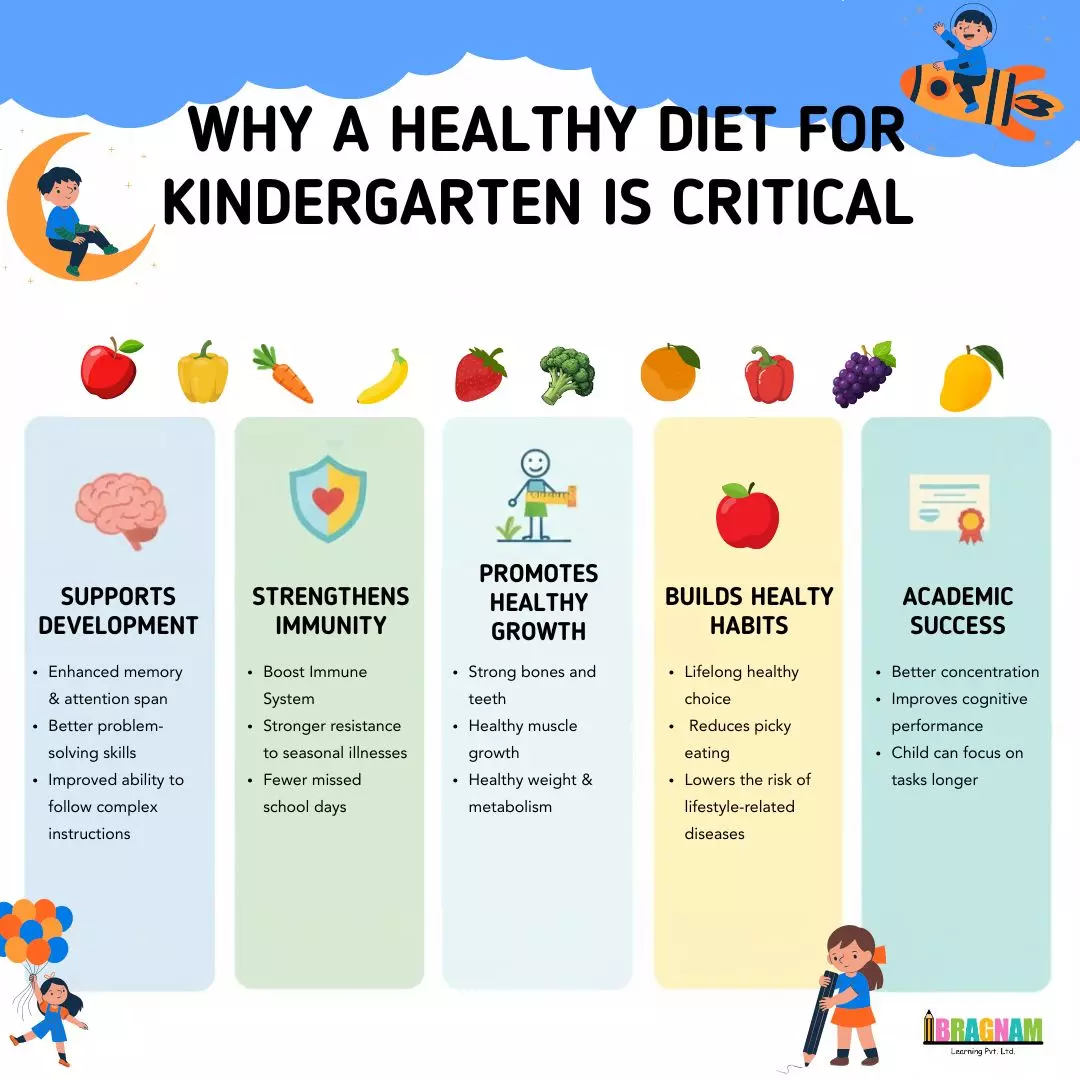
Why the Importance of Healty Diet for Kindergarten Is Critical
1. Supports Brain Development
During kindergarten years, children experience rapid brain growth. Nutrients like:
- Omega-3 fatty acids
- Iron
- Zinc
- Protein
help improve memory, attention span, and problem-solving skills.
Children who eat balanced meals tend to:
- Focus better in class
- Follow instructions more easily
- Show improved cognitive performance
This highlights the Importance of Healty Diet for Kindergarten in academic success.
2. Strengthens the Immune System
Kindergarten children are exposed to many germs in school environments. A healthy diet rich in:
- Vitamin C (oranges, strawberries)
- Vitamin A (carrots, sweet potatoes)
- Zinc (beans, nuts)
helps strengthen immunity and reduce sick days.
The Importance of Healty Diet for Kindergarten becomes especially clear during cold and flu season.
3. Promotes Healthy Growth and Development
Children between ages 4–6 grow steadily. Proper nutrition ensures:
- Strong bones and teeth
- Healthy muscles
- Proper weight management
Calcium and vitamin D are especially important for bone development.
4. Builds Healthy Eating Habits for Life
Kindergarten is the perfect time to introduce balanced eating habits. Children learn by example.
When parents:
- Offer nutritious meals
- Eat vegetables together
- Avoid excessive sugary snacks
children are more likely to develop lifelong healthy habits.
This is one of the long-term benefits of understanding the Importance of Healty Diet for Kindergarten.
Essential Nutrients for Kindergarten Children
🥦 1. Fruits and Vegetables
Benefits:
- Provide vitamins and minerals
- Improve digestion
- Boost immunity
Try offering colorful options like:
- Carrots
- Spinach
- Apples
- Bananas
- Berries
🍞 2. Whole Grains
Whole grains give children sustained energy throughout the school day.
Examples:
- Brown rice
- Whole wheat bread
- Oatmeal
- Quinoa
They prevent energy crashes and help maintain focus.
🥚 3. Protein
Protein helps build muscles and repair tissues.
Good sources include:
- Eggs
- Beans
- Chicken
- Fish
- Yogurt
🥛 4. Dairy and Calcium
Calcium supports strong bones and teeth.
Sources:
- Milk
- Cheese
- Yogurt
- Fortified plant-based milk
💧 5. Hydration
Water is often overlooked but extremely important.
Encourage children to:
- Drink water regularly
- Avoid sugary juices
- Limit soda consumption
Common Nutrition Mistakes Parents Should Avoid
Understanding the Importance of Healty Diet for Kindergarten also means avoiding common pitfalls.
❌ Skipping Breakfast
Breakfast fuels learning and concentration.
❌ Too Many Sugary Snacks
Excess sugar leads to:
- Energy crashes
- Mood swings
- Increased risk of obesity
❌ Forcing Children to Eat
Encourage, don’t pressure. Make mealtimes positive.
❌ Using Food as a Reward
This can create unhealthy emotional connections with food.
Healthy Meal Ideas for Kindergarteners
Here are simple and balanced meal ideas:
🥣 Breakfast Ideas
- Oatmeal with fruit
- Scrambled eggs with whole wheat toast
- Yogurt with berries and granola
🥪 Lunch Ideas
- Turkey sandwich on whole wheat bread
- Vegetable pasta
- Rice with beans and steamed vegetables
🍎 Snack Ideas
- Apple slices with peanut butter
- Carrot sticks and hummus
- Cheese cubes and whole grain crackers
These practical examples demonstrate the Importance of Healty Diet for Kindergarten in everyday life.
How Parents Can Encourage Healthy Eating
Here are effective strategies:
- Be a role model.
- Offer a variety of foods repeatedly.
- Make meals colorful and fun.
- Involve kids in grocery shopping.
- Let children help prepare simple meals.
When children feel involved, they’re more likely to try new foods.
The Role of Schools in Promoting Healthy Diets
Kindergarten teachers and schools also play an important role in reinforcing the Importance of Healty Diet for Kindergarten.
Schools can:
- Provide nutritious meal options
- Educate children about healthy foods
- Encourage physical activity
- Limit junk food in school events
When both home and school work together, children benefit the most.
Long-Term Benefits of a Healthy Kindergarten Diet
The Importance of Healty Diet for Kindergarten extends beyond early childhood.
Healthy eating can reduce the risk of:
- Childhood obesity
- Type 2 diabetes
- Heart disease later in life
- Nutritional deficiencies
Investing in nutrition early creates a healthier future.
Frequently Asked Questions (FAQs)
1. Why is the Importance of Healty Diet for Kindergarten so critical?
A healthy diet supports brain development, growth, immunity, and concentration. It also builds lifelong healthy habits.
2. How many meals should a kindergartener eat daily?
Most kindergarten children benefit from:
- 3 balanced meals
- 1–2 healthy snacks
This keeps their energy levels stable.
3. What foods should kindergarteners avoid?
Limit:
- Sugary drinks
- Processed snacks
- Excess fried foods
- High-sugar cereals
Moderation is key.
4. How can I make my picky eater eat healthy food?
- Offer small portions
- Introduce new foods gradually
- Make meals fun and colorful
- Avoid forcing them
Patience works better than pressure.
5. Is milk necessary for kindergarten children?
Milk provides calcium and vitamin D, but alternatives like fortified plant milk, yogurt, and cheese can also meet calcium needs.
Conclusion: Investing in the Importance of Healty Diet for Kindergarten
The Importance of Healty Diet for Kindergarten cannot be ignored. Proper nutrition during early childhood lays the foundation for lifelong health, academic success, and emotional stability.
By providing balanced meals, encouraging healthy habits, and modeling good food choices, parents and educators can make a lasting difference in a child’s life.
Healthy children grow into healthy adults — and it all begins with the right nutrition in kindergarten.
Call to Action (CTA)
Want more parenting and child development tips?
Subscribe to our newsletter for expert-backed guidance on raising healthy, happy children. Share this article with other parents and help spread awareness about the Importance of Healty Diet for Kindergarten!



Leave A Comment