
- How Teachers Should Treat and Handle Kindergarten Children
- Why Focusing on How Teachers Should Treat and Handle Kindergarten Children Matters
- Creating a Warm and Welcoming Atmosphere
- Discipline Rooted in Compassion
- Play-Based Learning: The Core of Bragnam’s Approach
- Supporting Emotional and Social Growth
- Nurturing Partnerships with Parents
- Patience and Positivity: The Heart of the Bragnam Method
- The Bragnam Promise: Treating Kindergarten Children with Respect and Care
How Teachers Should Treat and Handle Kindergarten Children

Understanding how teachers should treat and handle kindergarten children is the foundation of success for every Bragnam playschool franchise. Our company believes that the formative years of early childhood shape not just a child’s academic future, but their emotional, social, and creative growth. As teachers, you hold the key to nurturing, guiding, and building strong foundations for every young learner in your classroom.
Why Focusing on How Teachers Should Treat and Handle Kindergarten Children Matters
The classroom is a child’s second home, and the way teachers interact with children sets the tone for their learning journey. At Bragnam, we emphasize how teachers should treat and handle kindergarten children with a blend of empathy, structure, and positivity. It is not just about academics, but about shaping personalities and attitudes that last a lifetime. When teachers master the art of caring for young minds, children develop self-confidence, curiosity, and a lifelong love for learning.
Creating a Warm and Welcoming Atmosphere
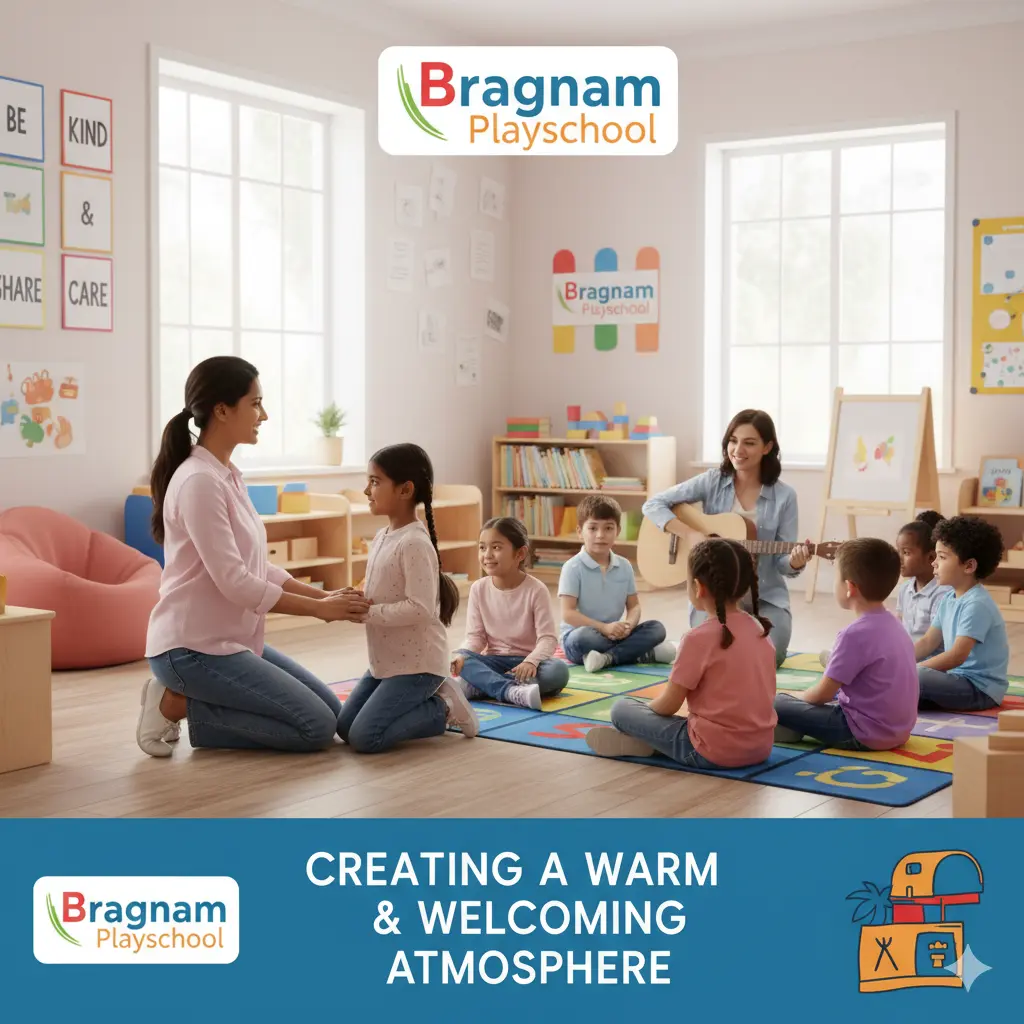
A crucial part of how teachers should treat and handle kindergarten children is making the classroom feel warm, inviting, and safe. Greet every child with a friendly smile and make them feel valued by using their names. Children thrive when routines are predictable, so establish regular morning greetings, group activities, and gentle transitions between tasks. The environment should be bright and stimulating, but never overwhelming. Display playful learning corners and arrange spaces for storytelling, art, and play to encourage exploration.
Discipline Rooted in Compassion
An essential aspect of how teachers should treat and handle kindergarten children is finding the balance between discipline and empathy. At this tender age, children need guidance rather than punishment. Instead of saying “don’t do that,” show positive alternatives: “Let’s try this instead.” Use gentle explanations to help children understand the reason behind every guideline. Name emotions and offer comfort—“I see you’re upset because playtime is over”—to build emotional intelligence. Bragnam teachers are trained to redirect energy productively while always maintaining patience and care.
Play-Based Learning: The Core of Bragnam’s Approach
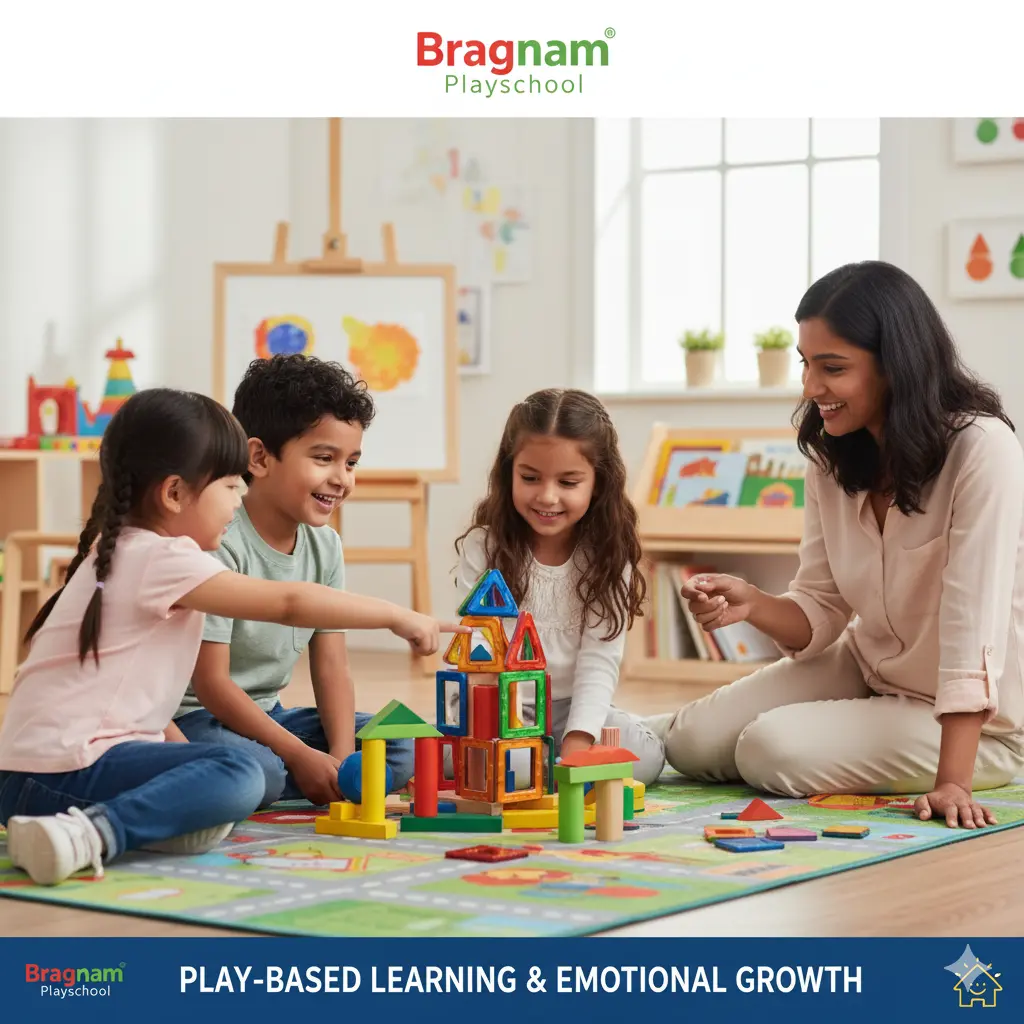
Another core principle of how teachers should treat and handle kindergarten children is integrating play into every lesson. Play is how children learn best. At Bragnam, our curriculum blends exploration and structured learning so that counting, sorting, and creative expression happen naturally through activities. Whether it’s sand play, puzzles, role play, or art, every moment should be filled with fun and purpose. Teachers must encourage both group play and solo exploration—counting shells, sorting blocks, and telling stories all foster key developmental skills.
Supporting Emotional and Social Growth
How teachers should treat and handle kindergarten children goes further than classroom management—it’s about fostering social and emotional skills. Teach children to communicate feelings, share with peers, and resolve minor disagreements independently. Celebrate every act of kindness and teamwork. Create activities like collaborative art or circle games that nurture group participation and empathy. Teachers must act as emotional mentors, guiding children through new experiences, big emotions, and developing friendships.
Nurturing Partnerships with Parents
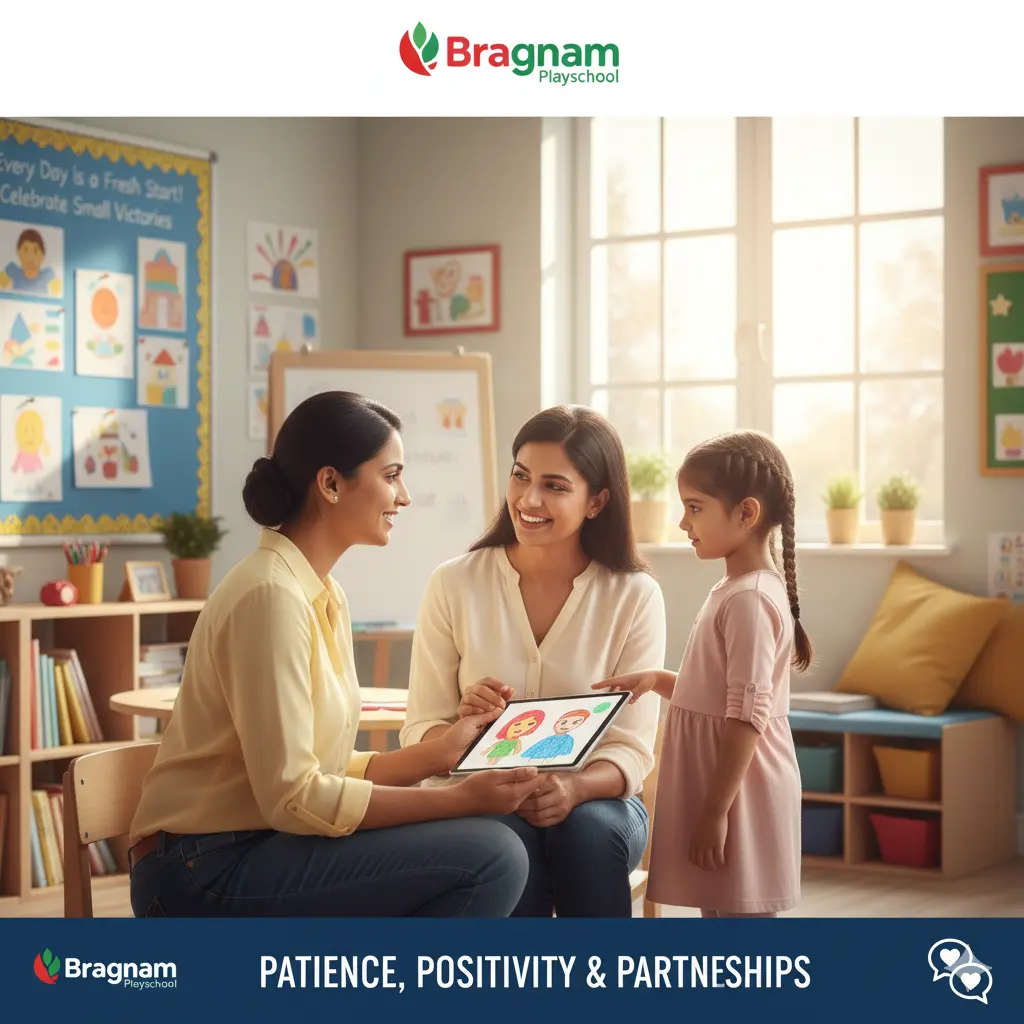
For Bragnam franchise teachers, the way you communicate with families is just as important as classroom interactions. Part of how teachers should treat and handle kindergarten children is maintaining a strong bridge between home and school. Share updates with parents, listen to their concerns, and invite feedback—all of which build trust and understanding. Host regular parent–teacher meetings to discuss progress, challenges, and collaboration strategies. A child develops best when teachers and parents work together as partners.
Patience and Positivity: The Heart of the Bragnam Method
A core tenet of how teachers should treat and handle kindergarten children is maintaining unwavering patience and optimism. Children mirror teachers’ reactions, and a calm, cheerful response even in chaotic moments models resilience and self-control. Celebrate little victories, encourage children to try again after mistakes, and remind them that every day is a fresh start. Positivity is contagious, and in a nurturing classroom, every challenge becomes an opportunity for growth and learning.
The Bragnam Promise: Treating Kindergarten Children with Respect and Care
Bragnam Learning Pvt Ltd is dedicated to helping teachers embrace how teachers should treat and handle kindergarten children as a philosophy, not just a rulebook. Our training programs and curriculum focus on holistic development, where every teacher is empowered to see the child as a unique individual. With warmth, patience, and creativity, you’ll help our students grow into confident, compassionate learners ready for the world ahead.




Leave A Comment