
Healthy Habits for Young Children: Promote Healthy Eating, Exercise, and Sleep
Introduction
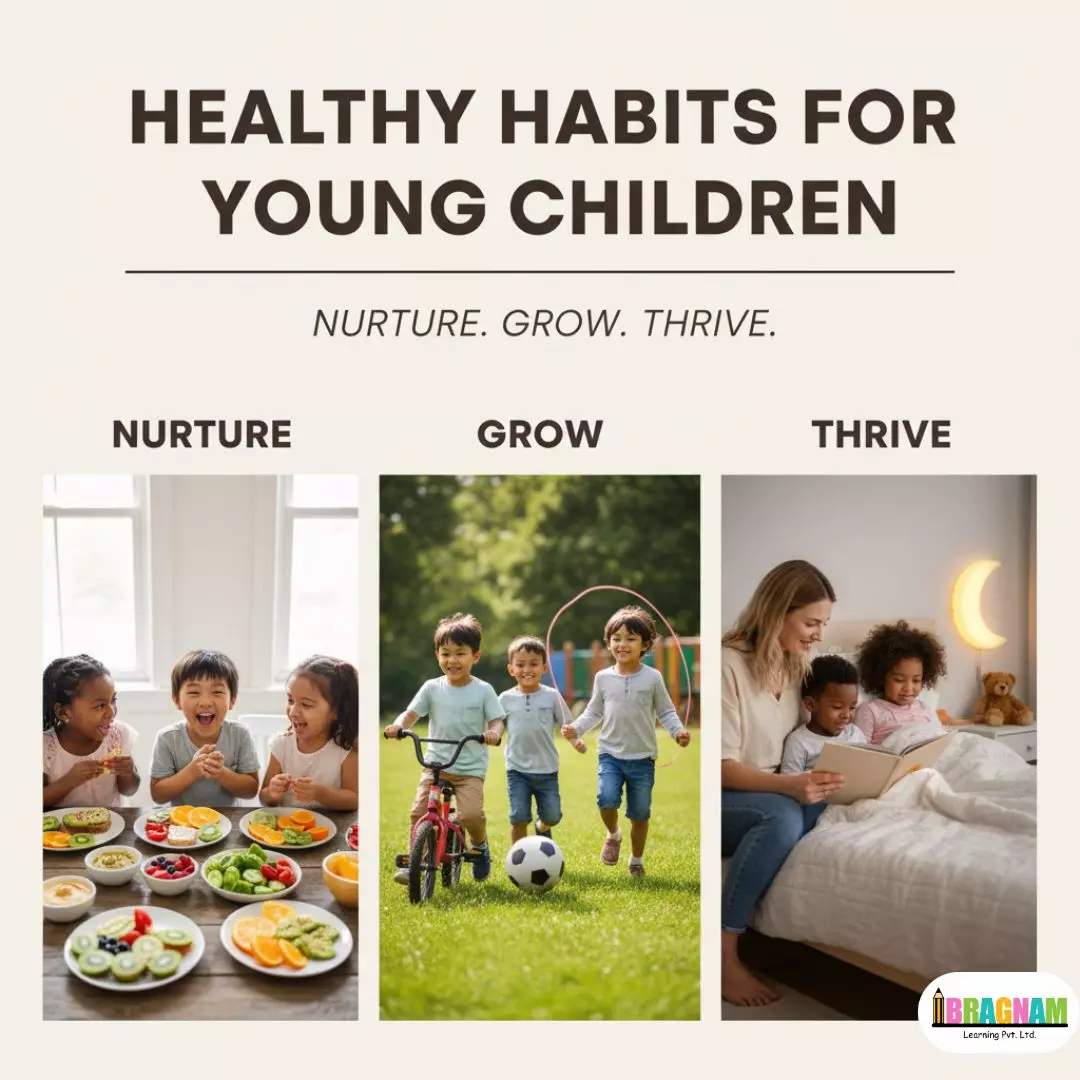
Establishing healthy habits for young children is essential for their overall well-being and growth. When kids develop routines around eating nutritious foods, engaging in physical activity, and getting quality sleep, they’re set up for lifelong success—physically, mentally, and emotionally. This article will explore easy strategies for parents and caregivers to encourage healthy eating, exercise, and sleep routines for children.
Why Healthy Habits Matter for Young Children
Instilling healthy habits in childhood has long-term benefits. Good nutrition fuels growth and brain development, physical activity supports strong muscles and bones, and quality sleep boosts immunity and learning abilities. These pillars help maintain a healthy weight and prevent illnesses.
Key points:
Healthy eating boosts immunity and supports healthy growth.
Regular exercise promotes physical and emotional well-being.
Restful sleep improves cognitive and physical health.
Healthy Eating Habits for Kids
Make Nutritious Choices Fun
Children are naturally drawn to bright colors and fun activities, so make healthy eating enjoyable. Offer a variety of fruits and vegetables, whole grains, lean proteins, and low-fat dairy.
Try “rainbow plates”—serve fruits and veggies in various colors.
Involve kids in meal prep; let them choose ingredients and help cook.
Make food interactive: build veggie faces on sandwiches or salads.
Smart Snacking Tips
Keep nutritious snacks handy for when hunger strikes:
Fresh fruit (apples, bananas, berries)
Low-fat cheese with whole-grain crackers
Raw veggies with low-fat dip
Yogurt or applesauce
Managing Sweets & Portions
Treat sweet foods as occasional snacks, not daily staples.
Offer water and low-fat milk instead of sugary drinks.
Portion control: keep servings age-appropriate (e.g., meat = size of a deck of cards).
How to Help Picky Eaters
Introduce new foods one at a time, paired with favorites.
Avoid pressuring kids; offer choices.
Encourage at least one bite (“try it” rule).
Stay patient—taste preferences evolve over time.
Key Nutrition Tips
Read nutrition labels together and teach kids about healthy ingredients.
Avoid foods high in added sugars, trans fats, and sodium.
Encouraging Physical Activity
Children need at least 60 minutes of moderate-to-vigorous physical activity daily. Physical activity boosts academic performance, social skills, and emotional health.
Easy ways to get moving:
Walk, run, or cycle with family after meals.
Organize playdates focused on outdoor games (tag, football, skipping).
Enroll kids in dance or sports classes.
Use music for short exercise sessions—make movement fun.
Limit screen time:
Aim for a balanced routine—no more than 1 hour of screen time for younger children per day (excluding homework).
Building Good Sleep Habits
Sleep is the foundation for children’s growth—physically, emotionally, and mentally.
Tips for restful sleep:
Set regular bed and wake times (even on weekends).
Create calming pre-bed routines (stories, quiet music, no screens).
Keep bedrooms cool, dark, and quiet.
Limit sugary foods and drinks near bedtime.
Encourage physical activity during the day for easier sleep at night.
Recommended hours of sleep by age:
| Age Group | Recommended Hours Nightly |
|---|---|
| 3-5 Years | 10–13 hours |
| 6–12 Years | 9–12 hours |
Top 10 Everyday Healthy Habits for Children
Eat breakfast daily.
Drink plenty of water instead of sugary drinks.
Brush teeth twice a day.
Wash hands before meals and after outdoor play.
Bathe daily.
Read something new every day.
Play outside for an hour.
Get enough sleep every night.
Limit processed/fast food intake.
Help with household chores to build responsibility.
Frequently Asked Questions (FAQs)
1. How can parents encourage healthy eating in children?
Parents can offer a variety of nutritious foods, involve kids in cooking, and model healthy eating themselves.
2. How much physical activity do young children need daily?
At least 60 minutes of moderate-to-vigorous activity is recommended for most children.
3. What are signs of poor sleep in children?
Irritability, trouble waking in the morning, mood swings, and problems with concentration may indicate poor sleep.
4. What are healthy snacks for kids?
Fresh fruits, low-fat dairy, whole-grain crackers, raw veggies with dip, and yogurt are smart snack choices.
5. How do healthy habits benefit children long-term?
Healthy habits support proper growth, immune function, academic success, and emotional resilience.
Conclusion
Fostering healthy habits in your young children doesn’t have to be complicated—all it takes is a bit of creativity, consistency, and encouragement. By focusing on balanced meals, daily movement, and sleep routines, you’re giving your kids a powerful foundation for lifelong health and happiness. Start today and watch your children thrive!



Leave A Comment