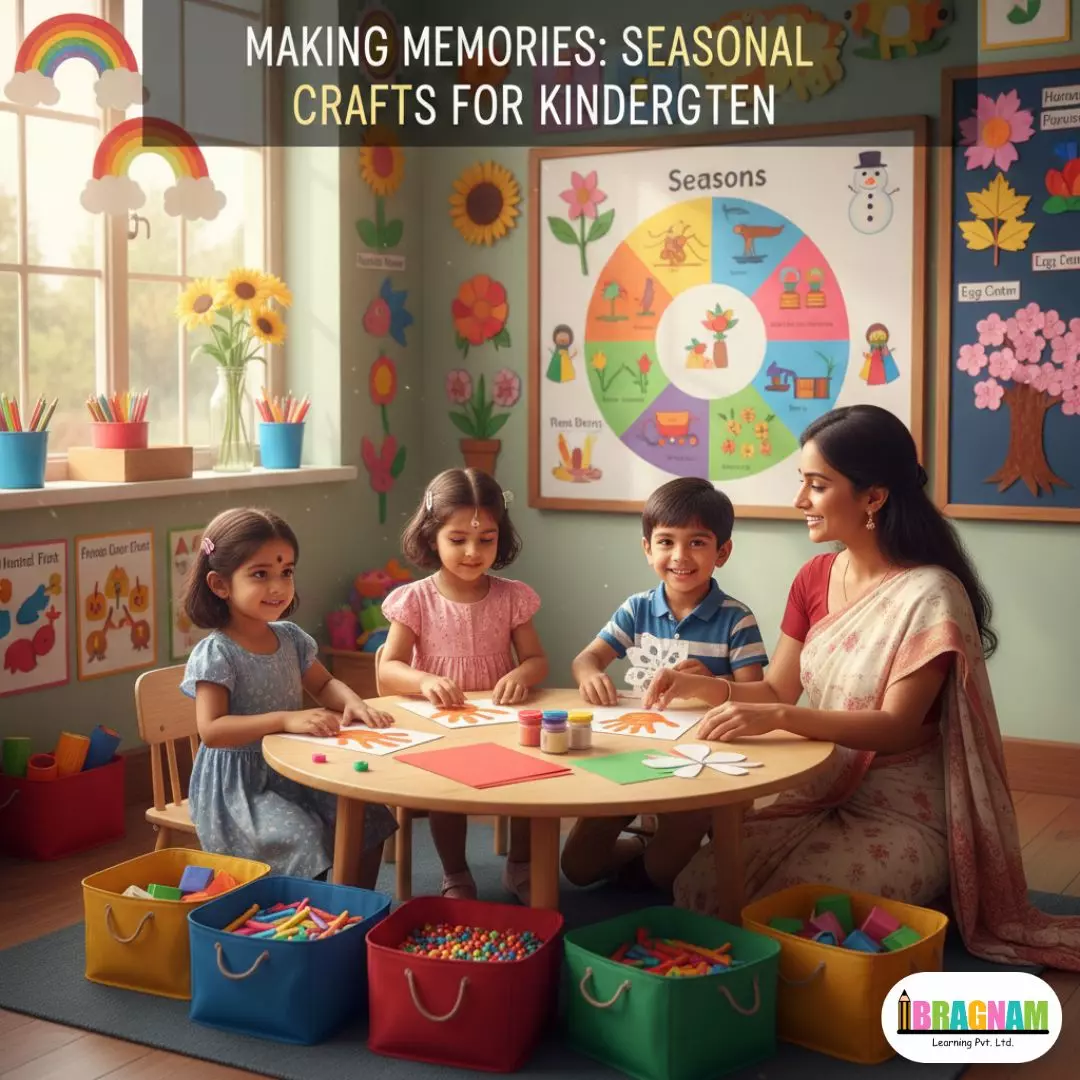
Seasonal crafts bring the magic of each season into kindergarten classrooms, helping little ones connect with nature while sparking joy and creativity. These hands-on activities turn everyday moments into cherished memories, perfect for young learners exploring their world.
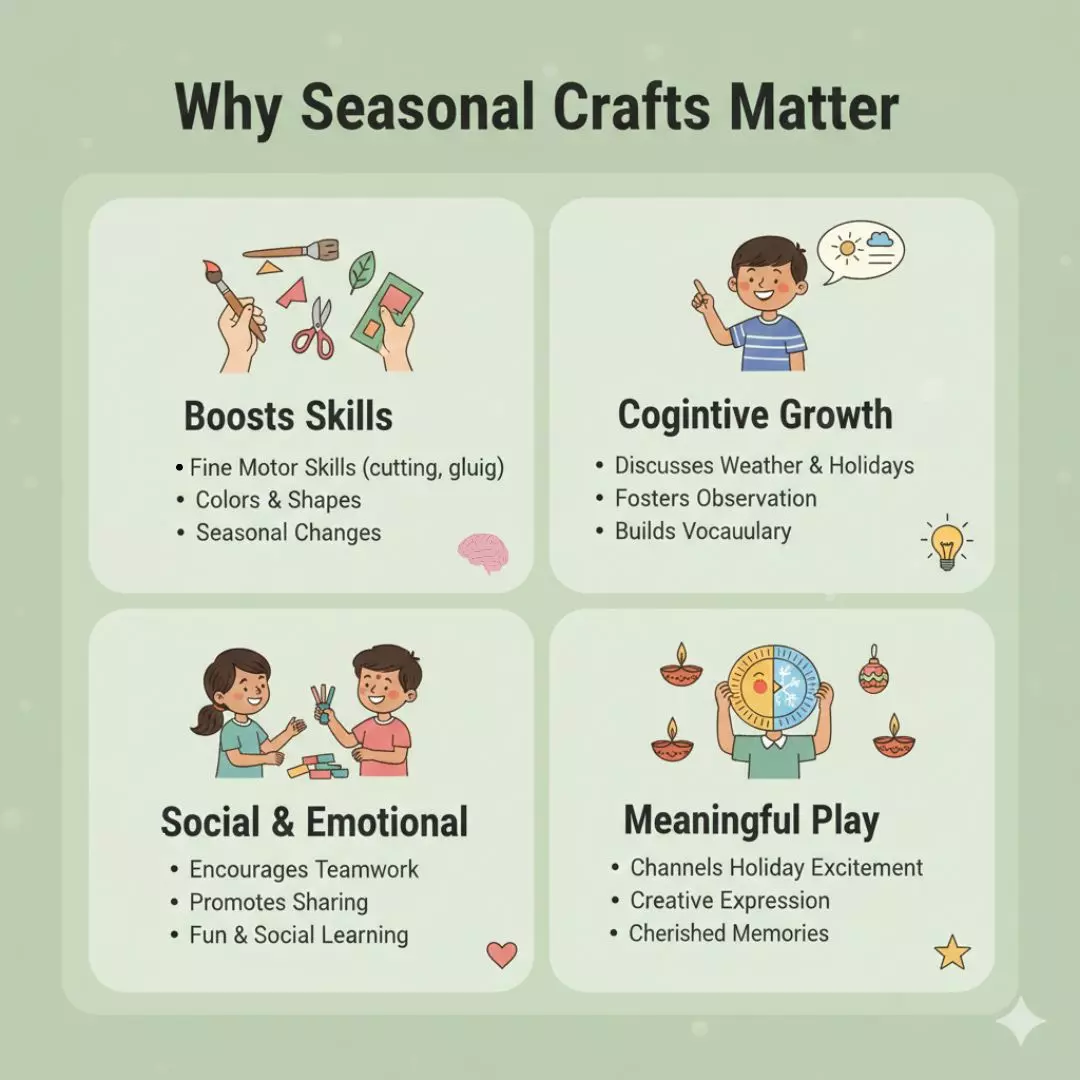
Why Seasonal Crafts Matter
Seasonal crafts do more than decorate—they build essential skills in kindergarten kids. They boost fine motor development through cutting, gluing, and painting, while teaching colors, shapes, and seasonal changes.
Kids gain cognitive growth by discussing weather shifts and holidays, fostering observation and vocabulary. Plus, group crafting encourages teamwork and sharing, making learning fun and social.
These activities channel excitement for holidays like Diwali or Christmas, keeping energy focused on meaningful play.
Spring Crafts: Blooming Fun
Spring bursts with renewal, and these crafts capture flowers, bugs, and sunshine.
Pipe Cleaner Flowers: Twist colorful pipe cleaners into stems and petals; add to vases for a classroom bouquet. Simple for tiny hands.
Cherry Blossom Tree: Paint a trunk, dip fingers in pink paint for blossoms. Discuss growth cycles as they create.
Paper Plate Rainbow: Cut plate in half, paint arcs in rainbow order. Hang to celebrate spring showers.
These crafts use recyclables, keeping things eco-friendly and budget-smart for playschools.
Kids love the sensory play with paint and textures, building confidence as their art “blooms.”
Summer Crafts: Sunny Creations
Summer screams outdoor vibes—bring it indoors with beachy, bright projects.
Ice Cream Cone Garland: Cut paper cones and scoops, glue cotton balls for fluff. String for party decor.
Handprint Fish: Trace hands on blue paper, add fins and eyes. Ocean-themed bulletin board magic.
Paper Plate Sun: Paint plate yellow, glue tissue rays. Teaches sun safety while glowing up the room.
Sunflower Seeds Craft: Glue seeds to yellow petals on a paper plate center. Texture heaven for little fingers.
Encourage water play by pairing with bubble wands made from wire hangers and dish soap.
These keep wiggly kindergarteners engaged during hot afternoons, blending art with summer stories.
Fall Crafts: Leafy Wonders
Autumn leaves inspire cozy crafts that celebrate harvest time.
Fork-Painted Tree: Dip forks in red/orange paint for leaves on a drawn trunk. Mess-free stamping fun.
Acorn Gnome: Glue acorn caps to paper bodies, add yarn beards. Woodland friends come alive.
Leaf Collage Hedgehog: Glue real leaves to a paper hedgehog shape. Forage on nature walks first.
Handprint Turkey: Trace hands for feathers, paint vibrant fall hues. Thanksgiving table toppers.
Incorporate real leaves for sensory exploration, tying into science talks on changing colors.
Parents adore these as keepsakes, strengthening home-school bonds.
Winter Crafts: Cozy Magic
Winter crafts warm up chilly days with snow, stars, and holidays.
Coffee Filter Snowflakes: Color filters with markers, spritz water for bleed effects, fold and cut. Hang as icy art.
Toilet Roll Reindeer: Wrap tubes in brown paper, add pipe cleaner antlers and red noses. Festive ornaments.
Handprint Snowman: Paint palms white, stack three for body, add scarf and hat from scraps.
Thumbprint Penguins: Dip thumbs in black paint for bodies, orange for beaks. Polar playmates.
Use cotton balls for snow texture—perfect for imaginative storytelling sessions.
These crafts build excitement for festivals, creating traditions kids remember forever.
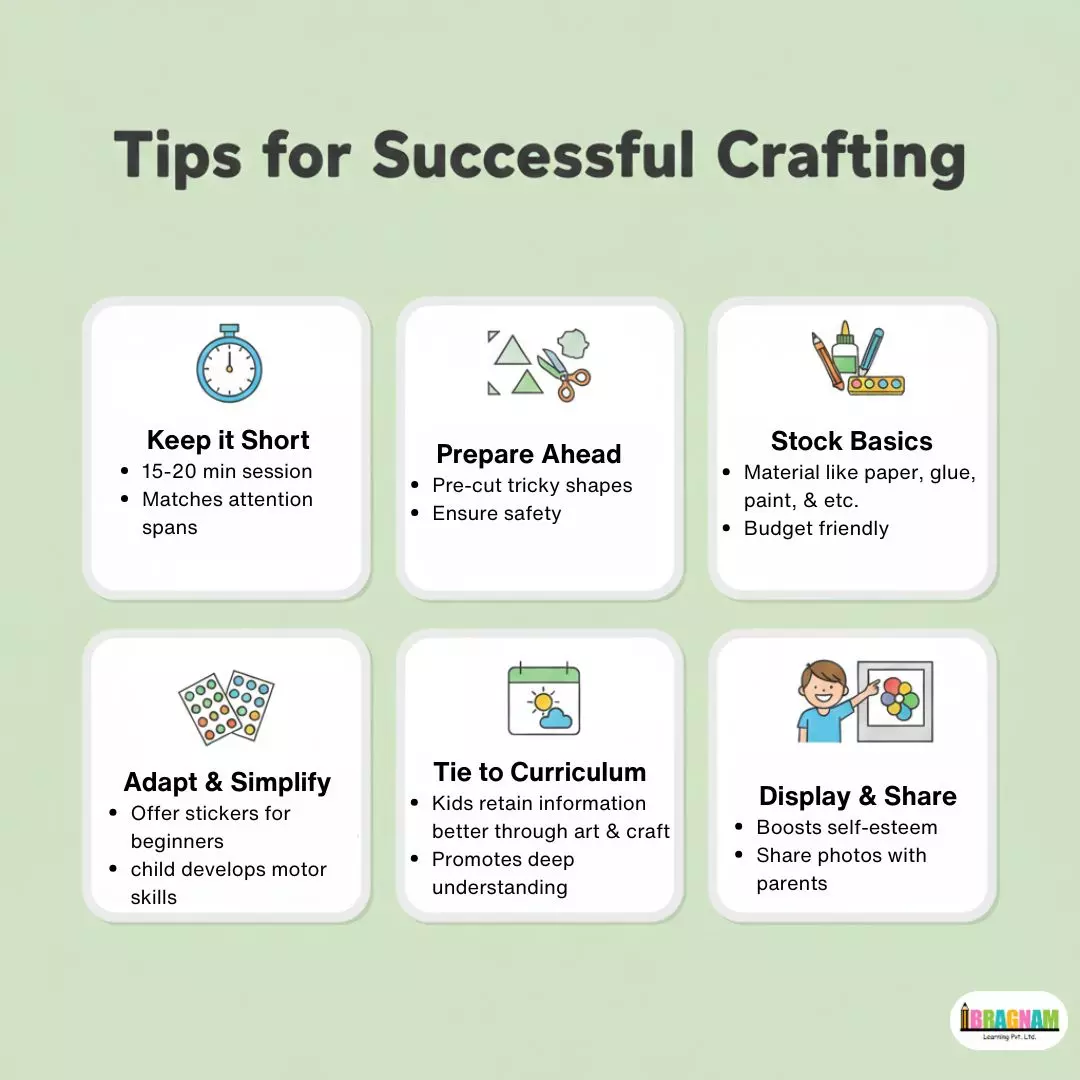
Tips for Successful Crafting
Keep sessions short (15-20 minutes) to match attention spans.
Prep materials ahead: Pre-cut tricky shapes for safety.
Stock basics: Construction paper, glue sticks, washable paints, recyclables.
Adapt for skill levels: Offer stickers for beginners.
Tie to curriculum: Link crafts to weather charts or songs.
Display work proudly to boost self-esteem. Rotate seasonally for fresh inspiration.
Involve parents via photos shared on WhatsApp groups for franchise playschools.
FAQ
What age are seasonal crafts best for? Ideal for kindergarten (3-6 years), as they develop fine motor skills without frustration. Simplify for toddlers by prepping more.
What materials do I need for most seasonal crafts? Common items: paper, paints, glue, recyclables like egg cartons. Budget-friendly and often household finds.
How do seasonal crafts help learning? They teach seasons, colors, and social skills while channeling holiday hype into creativity.
Can I do these crafts in a group setting? Yes! Group projects like garlands promote sharing. Set stations to manage mess.
How to store seasonal crafts safely? Laminate favorites or photograph for digital albums. Store flat in portfolios.
Conclusion
Making memories through seasonal crafts turns kindergarten into a wonderland of growth and giggles. Dive in with your little ones—these activities create bonds that last a lifetime, one glittery masterpiece at a time.
Ready to craft? Share your favorite seasonal craft in the comments or tag us on Facebook with your creations! Enroll in our playschool programs for more hands-on fun.
Beyond the Board: The Unexpected Benefits of Playing Chess shows that this timeless game is much more than a way to pass time—it is a simple daily habit that sharpens the mind, calms emotions, and builds real-life skills for all ages. When people start seeing chess as a tool for growth rather than just a game, they unlock powerful cognitive, emotional, and social benefits that ripple into school, work, and everyday life.
How Chess Supercharges the Brain
Beyond the Board: The Unexpected Benefits of Playing Chess begins with the brain, because the most visible changes start in how we think, focus, and remember. Regular play challenges the mind to process complex patterns, evaluate options, and make decisions under time and pressure.
Key cognitive benefits of chess include:
Improved memory, as players constantly recall patterns, openings, and previous positions.
Stronger attention and concentration, because one distraction can cost an entire game.
Better logical thinking and planning, with players learning to think several moves ahead.
Enhanced problem-solving skills that transfer to academics and work situations.
Studies on schoolchildren show that those who play chess regularly often score higher on measures of cognitive ability, problem-solving, and general intellectual development than peers who do not play. This makes Beyond the Board: The Unexpected Benefits of Playing Chess especially relevant for parents and educators who want a fun yet powerful learning tool.
Emotional Benefits: Patience, Resilience, and Confidence
Beyond the Board: The Unexpected Benefits of Playing Chess also highlights how this quiet board game trains emotional strength. Wins and losses are frequent, and both become powerful teachers for children and adults.
Some emotional and psychological gains from chess are:
Greater patience, as players must wait, watch, and calculate rather than react impulsively.
Emotional resilience, because every loss becomes a lesson instead of a final failure.
Better stress management, with the focused nature of chess helping many players feel calmer and more in control.
For children, chess gently teaches that mistakes are part of learning and that improvement comes from practice, reflection, and trying again. For adults, Beyond the Board: The Unexpected Benefits of Playing Chess can mean using the game as a healthy outlet to unwind, reset the mind, and gain perspective after a long day.
Social Skills and Character Building
Another surprising theme in Beyond the Board: The Unexpected Benefits of Playing Chess is how much this “quiet” game actually connects people. Chess is played in homes, schools, clubs, and online platforms across the world, cutting across age, language, and culture.
Chess supports social and character growth in several ways:
It builds sportsmanship, as players learn to greet opponents, follow rules, and accept results gracefully.
It improves social interaction by encouraging conversation, respectful competition, and shared interests.
It nurtures empathy and perspective-taking, because players try to “get into the opponent’s mind” and anticipate plans.
Research on children suggests that games with rules—especially chess—promote turn-taking, respect, fair play, and better understanding of others. Beyond the Board: The Unexpected Benefits of Playing Chess is therefore also a story about friendship, community, and learning to win with humility and lose with dignity.
Life Skills That Transfer Beyond the Board
The most powerful idea in Beyond the Board: The Unexpected Benefits of Playing Chess is that the skills you practice at the board do not stay on the board. They quietly shape the way you approach studies, decisions, relationships, and long-term goals.
Important life skills strengthened by chess include:
Decision-making: Every move has consequences, teaching players to weigh options instead of acting on impulse.
Critical thinking and creativity, as players experiment with new ideas, unusual plans, and surprising tactics.
Time management, especially in timed games where you must balance speed with accuracy.
Goal setting and persistence, because long games and long-term improvement both demand steady effort.
Some studies indicate that chess and similar mentally challenging activities can even support better academic performance and may contribute to long-term cognitive health when combined with a healthy lifestyle. When people embrace Beyond the Board: The Unexpected Benefits of Playing Chess, they often find their thinking becomes clearer, their choices more deliberate, and their confidence more stable in day-to-day life.
How to Start Enjoying These Benefits
Beyond the Board: The Unexpected Benefits of Playing Chess is not only for tournament players—beginners and casual players can tap into these gains with simple, consistent habits. You do not need fancy equipment or advanced knowledge; you only need curiosity and a willingness to learn.
Try these practical steps to bring chess into your routine:
Start with the basics: Learn how each piece moves and the simple goal of checkmate.
Play short, regular games—15–30 minutes a day can be enough to see progress over time.
Use puzzles or tactics apps to train your pattern recognition and calculation.
Encourage children to play with friends, siblings, or classmates to add fun and social interaction.
Review finished games briefly to understand one mistake and one good idea from each match.
When families, schools, and individuals embrace Beyond the Board: The Unexpected Benefits of Playing Chess, they create a simple, low-cost, and screen-light way to boost mental, emotional, and social growth.
FAQs: Beyond the Board: The Unexpected Benefits of Playing Chess
1. Is chess really good for the brain or is it just a myth? Yes, many studies and expert reviews show that chess supports cognitive skills such as memory, attention, problem-solving, and logical thinking, especially when played regularly. Beyond the Board: The Unexpected Benefits of Playing Chess is strongly backed by this growing body of research.
2. At what age can children start experiencing the benefits of chess? Children as young as 5–6 years can start learning basic moves and simple ideas, and many studies on primary school students already show gains in attention, reasoning, and academic-related skills. Beyond the Board: The Unexpected Benefits of Playing Chess becomes even more visible when chess is integrated into early education in a playful way.
3. Does chess help with focus in the digital age? Chess demands full attention on the board, which trains the brain to stay with a single task rather than constantly switching between screens and notifications. Over time, this focus practice is one of the key elements of Beyond the Board: The Unexpected Benefits of Playing Chess in daily life.
4. Can chess reduce stress or anxiety? For many people, the deep concentration required in chess offers a “mental break” from worries and can create a calming sense of flow. While it is not a medical treatment, Beyond the Board: The Unexpected Benefits of Playing Chess includes emotional balance and relaxation for many casual players.
5. Is online chess as beneficial as over-the-board chess? Both online and face-to-face chess support core cognitive and emotional benefits, as the brain processes the same patterns and decisions. In-person games, however, add extra social and character-building aspects that further enrich Beyond the Board: The Unexpected Benefits of Playing Chess.
Conclusion: Make Your Next Move Count
Beyond the Board: The Unexpected Benefits of Playing Chess proves that each move you make on the 64 squares can shape how you think, feel, and connect with others in real life. Whether you are a parent, teacher, student, or working professional, adding a few games of chess to your week is a simple step toward sharper thinking, calmer emotions, and stronger character.
Ready to experience Beyond the Board: The Unexpected Benefits of Playing Chess for yourself? Start your next game today—offline or online—and then share your favorite lesson, move, or “aha!” moment in the comments to inspire others to join the journey.
In today’s competitive education landscape, every playschool owner wants to see a steady stream of admissions. But how do you stand out and attract more families to enroll their children in your playschool? The answer lies in smart, well-planned offers and incentives. This article explores proven tactics and creative offers that can significantly boost your playschool admissions. Whether you’re running a franchise or an independent playschool, these strategies will help you connect with parents and grow your admissions numbers.
Why Offers Matter for Playschool Admissions
Parents are always looking for value, quality, and assurance when choosing a playschool for their child. Attractive offers not only grab attention but also build trust and encourage quick decision-making. Strategic discounts, referral programs, and special packages can turn interest into action and help your playschool stand out from the competition.
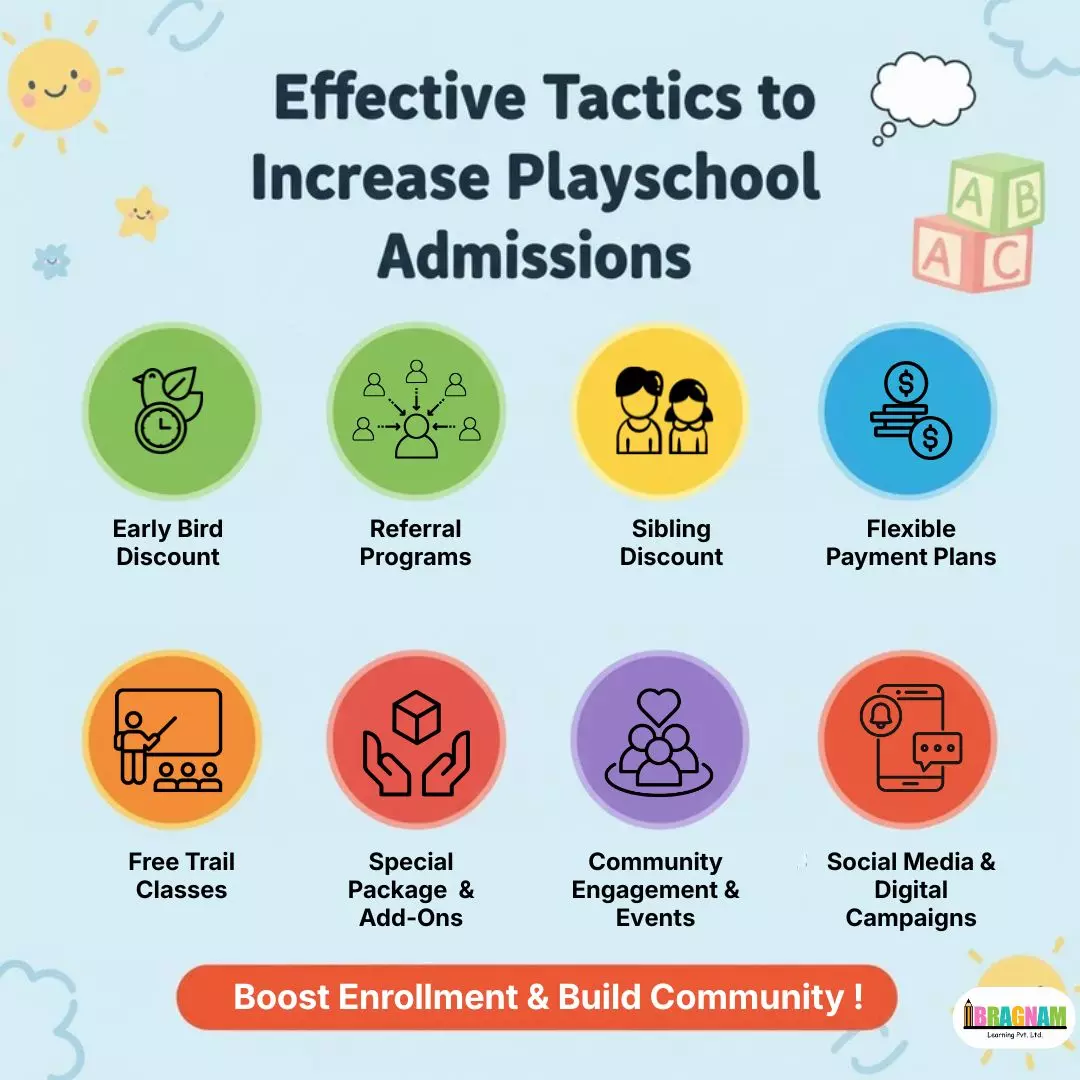
Effective Tactics to Increase Playschool Admissions
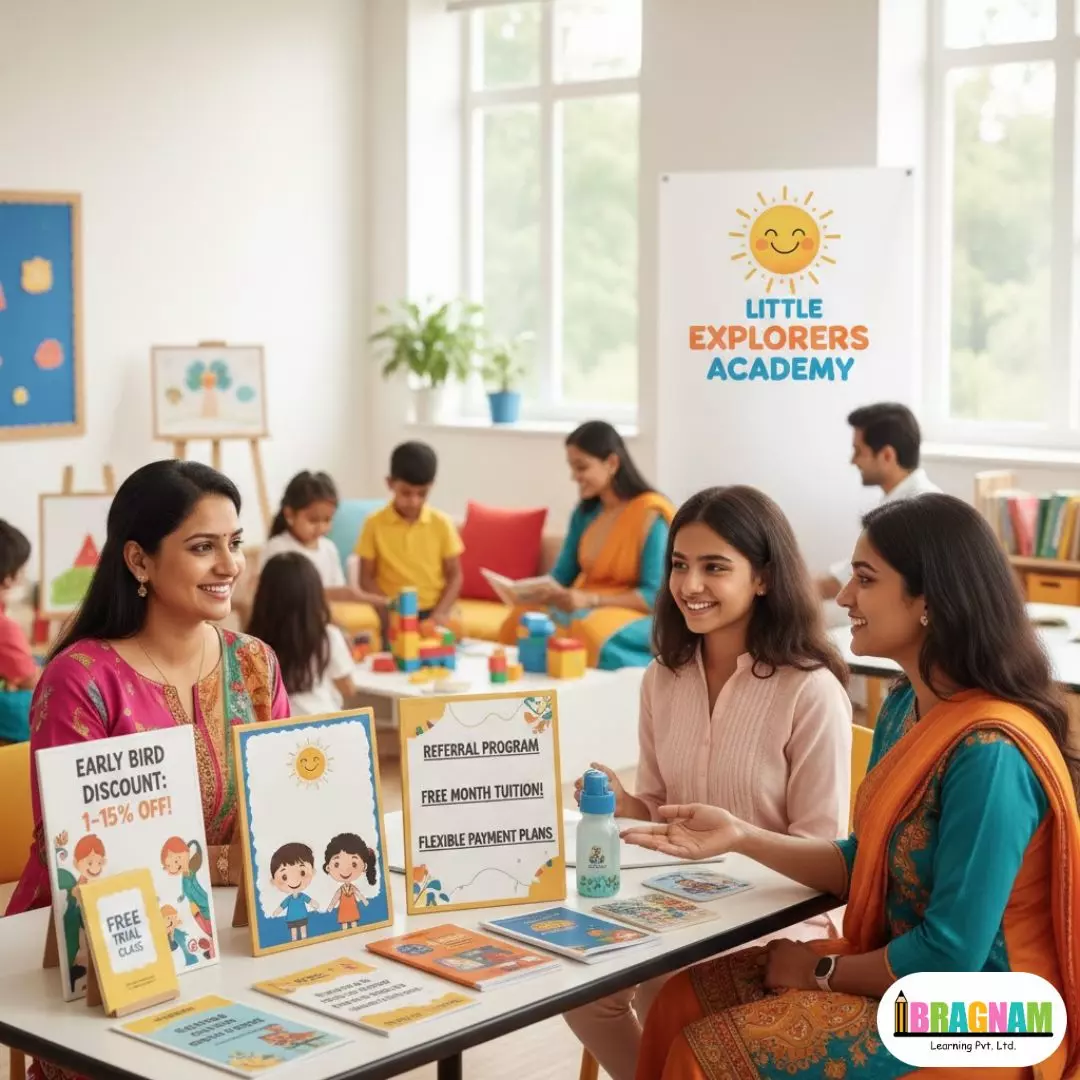
1. Early Bird Discounts
Offering early bird discounts is a proven way to create urgency and encourage parents to enroll their children sooner. For example, provide a 10-15% discount on the admission fee for those who enroll before a certain date. This not only boosts early admissions but also helps with financial planning for your playschool.
2. Referral Programs
A referral program can turn your current parents into brand ambassadors. Offer incentives such as a free month of tuition, gift vouchers, or even branded merchandise for every successful referral. Word-of-mouth is powerful, and happy parents are more likely to recommend your playschool to friends and family.
3. Sibling Discounts
Encourage families with more than one child to enroll both by offering a sibling discount. This could be a fixed percentage off for the second child or a special bundle package. It’s a win-win: parents save money, and your playschool increases admissions.
4. Flexible Payment Plans
Many parents prefer not to pay large sums upfront. Offering flexible payment plans—such as monthly or quarterly installments—can make your playschool more accessible and appealing. This removes financial barriers and increases the chances of conversion.
5. Free Trial Classes
Let parents experience your playschool’s environment and teaching style firsthand by offering free trial classes. This builds confidence and helps parents see the value of your program before committing to enrollment.
6. Special Packages and Add-Ons
Create attractive packages that include extras like free uniforms, welcome kits, or additional enrichment classes. These add-ons make your offer more compelling and can tip the scales in your favor.
7. Community Engagement and Events
Host open days, virtual tours, and parent workshops to engage the community. These events allow parents to see your facilities, meet staff, and understand your curriculum. Community involvement builds trust and leads to more admissions.
8. Social Media and Digital Campaigns
Use social media platforms to showcase your offers, share testimonials, and run targeted ads. Regularly update your website and social channels with new offers and admission news to keep your audience informed and engaged.
How to Present Offers to Parents
Use clear, attractive visuals in your marketing materials.
Highlight the benefits and savings for parents.
Make the enrollment process simple and hassle-free.
Provide prompt follow-up and personalized communication.
Maximizing Impact with Post-Admission Engagement
After a parent enrolls their child, continue the relationship by sending a welcome kit, personalized messages, and a referral offer. A positive post-admission experience can lead to more referrals and repeat business.
FAQ Section
1. What are the best offers to attract more playschool admissions?
Early bird discounts, referral programs, sibling discounts, flexible payment plans, free trial classes, and special packages are highly effective offers that attract more admissions.
2. How can referral programs help increase playschool admissions?
Referral programs incentivize current parents to recommend your playschool to friends and family, leading to organic growth and increased trust among new families.
3. Are flexible payment plans important for playschool admissions?
Yes, flexible payment plans make your playschool more accessible and reduce financial barriers for parents, leading to higher enrollment rates.
4. How can free trial classes boost admissions?
Free trial classes allow parents to experience your playschool firsthand, building confidence in your program and increasing the likelihood of enrollment.
5. What role does social media play in playschool admissions?
Social media helps you reach a wider audience, showcase your offers, share testimonials, and run targeted campaigns, all of which can drive more admissions.
Call to Action
Ready to boost your playschool admissions with smart offers and incentives? Start implementing these tactics today and watch your enrollment numbers grow. Share your success stories with us and let’s build a brighter future for early childhood education together!
Kindergarten is the foundation of a child’s learning journey. It’s the first time many children interact with a structured environment, new faces, and guided learning experiences. But who ensures this environment is nurturing, stimulating, and developmentally appropriate? The answer lies in well-trained kindergarten teachers. Teacher training isn’t just about lesson planning—it’s about understanding how young minds grow, play, and learn. Without proper training, even the most passionate educators may struggle to create the right learning atmosphere.
In this blog, we’ll explore why teacher training is essential for kindergarten educators, its benefits for children and institutions, and how investing in teacher development builds stronger early learning environments.
The Importance of Teacher Training in Early Education
At the kindergarten level, teachers aren’t just instructors—they are facilitators of emotional, cognitive, and social growth. A trained teacher possesses both the knowledge and skills to help every child develop holistically.
1. Understanding Child Development
Children aged 2–6 experience rapid growth physically, emotionally, and intellectually. Teacher training programs help educators:
Understand developmental milestones.
Identify learning challenges or behavioral concerns early.
Tailor activities according to each child’s learning style.
When teachers grasp the nuances of early childhood development, they can support children more effectively and prevent learning difficulties later on.
Benefits of Teacher Training for Kindergarten Educators
Comprehensive training bridges the gap between theoretical knowledge and classroom practice. Let’s explore the top benefits.
1. Builds Strong Classroom Management Skills
Managing a room full of curious toddlers is no easy feat! Trained teachers learn strategies to handle classroom routines, encourage positive behavior, and ensure discipline without being harsh.
2. Enhances Teaching Quality
A structured training program familiarizes teachers with various teaching methodologies—including play-based, Montessori, and experiential methods. This variety helps educators choose the right approach for their group of learners.
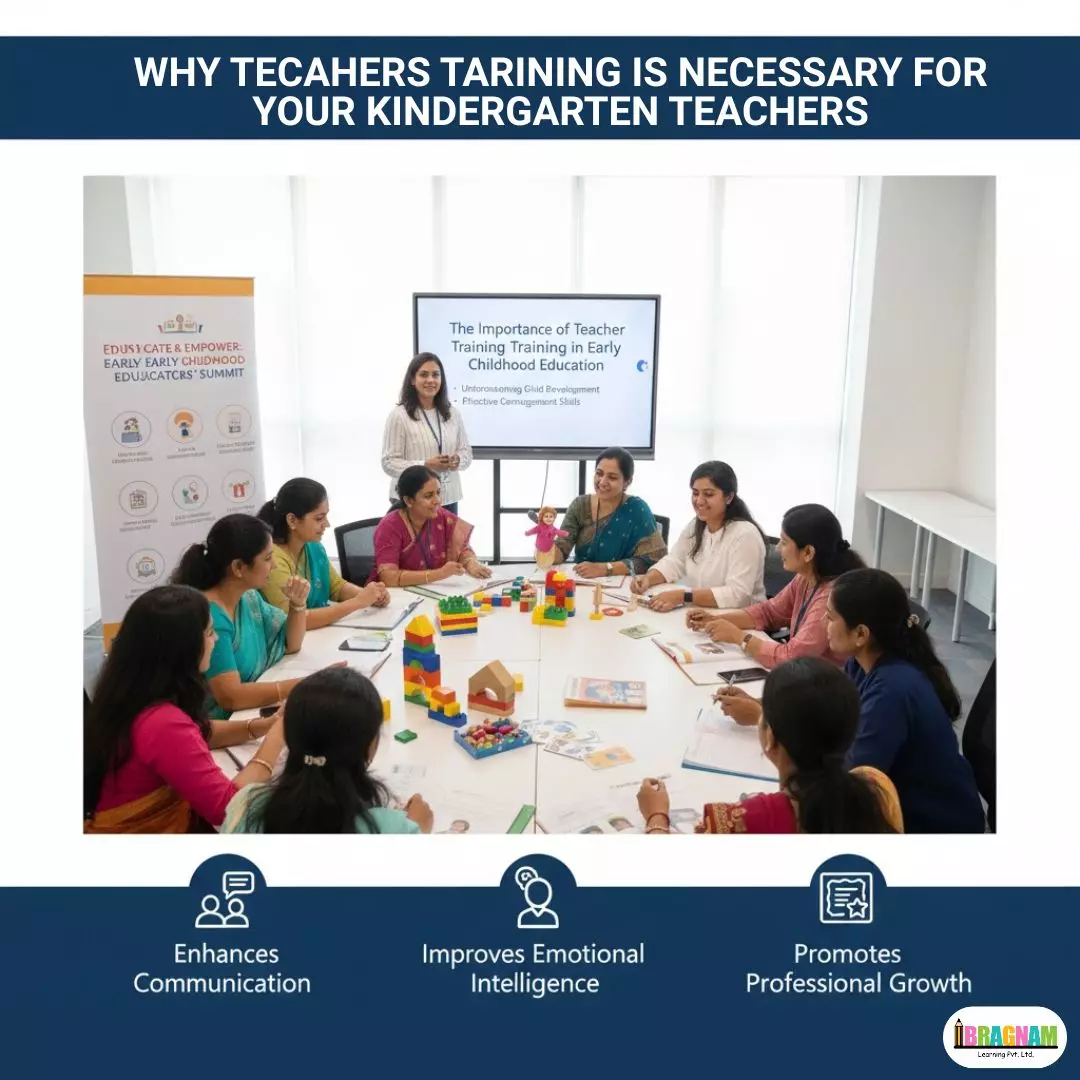
3. Promotes Effective Communication
Trained teachers communicate effectively not only with children but also with parents. They can provide constructive feedback about a child’s progress and collaborate with parents for better outcomes.
4. Improves Emotional Intelligence
Training programs also emphasize empathy, patience, and emotional awareness—qualities that define great kindergarten teachers. These traits help children feel safe, valued, and confident.
5. Encourages Continuous Professional Growth
When kindergartens invest in ongoing teacher training, educators remain motivated and updated with evolving educational practices. It enhances job satisfaction and reduces turnover rates.
Types of Training Every Kindergarten Teacher Should Receive
Not all training is the same. To nurture an educator’s full potential, schools should design programs covering key areas:
Early Childhood Pedagogy: Exploring how children learn best through play and exploration.
Classroom Management: Techniques for creating structured yet flexible classrooms.
Child Psychology: Understanding emotions, motivations, and behaviors in young learners.
Curriculum Planning: Designing balanced lesson plans that blend fun and learning.
Parent Communication: Building strong home-school partnerships.
Health and Safety Training: Ensuring hygiene, first aid, and emergency preparedness.
These modules collectively create confident, responsible, and creative teachers ready for real-world challenges.
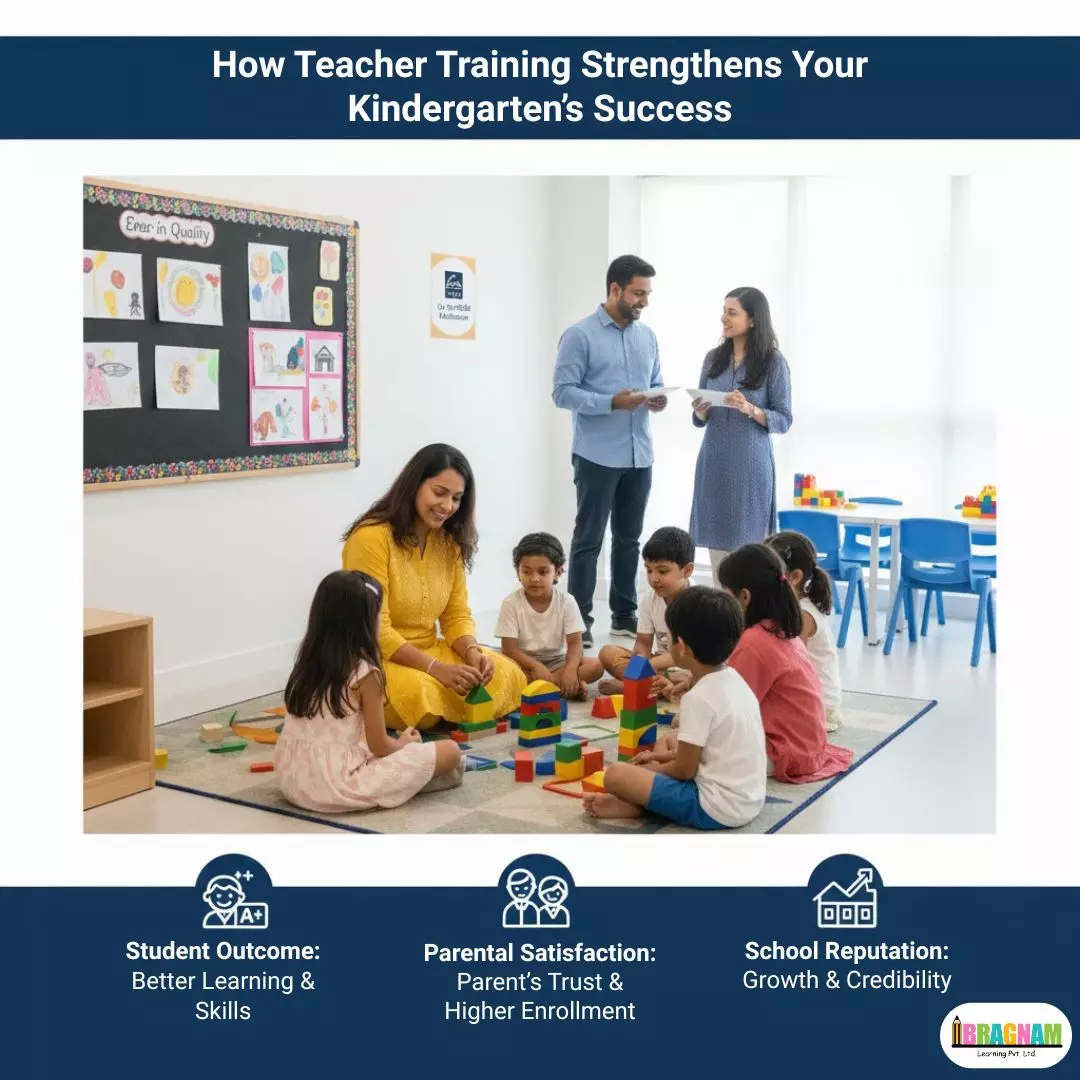
The Role of Teacher Training in a Kindergarten’s Success
A kindergarten’s reputation depends heavily on teacher performance. Well-trained teachers directly influence:
Student outcomes: Better literacy, numeracy, and social skills.
Parental satisfaction: Increased trust and long-term enrollment.
When teachers are trained regularly, kindergartens thrive as safe, joyful learning spaces.
How Schools Can Implement Effective Teacher Training
Here are simple, actionable steps schools can adopt:
Partner with certified training institutions. Collaborate with professional teacher training organizations that specialize in early childhood education.
Offer regular workshops and refresher courses. Schedule quarterly or annual training sessions to keep educators updated.
Encourage mentorship. Senior teachers can guide new recruits, creating a collaborative learning culture.
Monitor and evaluate. Assess teacher performance before and after training to ensure measurable impact.
Recognize and reward progress. Celebrating teacher achievements boosts morale and commitment.
Why Investing in Teacher Training is a Win-Win
When schools prioritize teacher training, the benefits ripple across the ecosystem:
Children gain happier, more stimulating learning experiences.
Teachers feel valued, confident, and capable.
Parents trust the school’s quality and professionalism.
Institutions build credibility and attract more admissions.
In short, investing in teacher training isn’t an expense—it’s an investment in the future.
Frequently Asked Questions (FAQs)
1. What is the main purpose of kindergarten teacher training? To equip teachers with the skills and understanding necessary to support children’s early learning, emotional development, and overall well-being.
2. How often should kindergarten teachers undergo training? Ideally, teachers should participate in refresher workshops or online training sessions at least once a year to stay updated.
3. What topics are covered in kindergarten teacher training programs? These include child psychology, classroom management, early learning pedagogy, communication skills, and safety practices.
4. Can untrained teachers handle kindergarten classes effectively? While passion helps, untrained teachers often struggle with structured learning, behavior management, and developmental milestones.
5. How does teacher training benefit parents and schools? Trained teachers build stronger home-school partnerships, improve satisfaction rates, and contribute to better institutional performance.
Conclusion
Teacher training is the cornerstone of quality early education. It ensures that children receive the best possible start in life and that educators feel empowered to guide with confidence and care. For kindergartens, investing in training isn’t optional—it’s essential for success, growth, and lasting impact.
Ready to transform your preschool’s learning environment? Invest in teacher training today and see how it builds happier teachers, confident learners, and a thriving kindergarten community.
Opening apre-school is much more than renting a space and buying toys; it is about creating a safe, loving, and stimulating environment where children take their first steps into formal learning. When done thoughtfully, a preschool can become a trusted second home for children and a respected brand in the community. This guide walks through the key things to keep in mind while opening a pre-school so you can start right and grow confidently.
Clarify your vision and preschool model
Before anything else, get clear about why you want to start a preschool and what kind of experience you want to offer. A well-defined vision keeps you focused when making decisions about curriculum, fees, location, and marketing.
Decide whether you want to position your centre as a neighbourhood preschool, a premium brand, or a franchise unit.
Choose your educational approach—play-way, Montessori-inspired, activity-based, or a blended model—that aligns with your philosophy and local demand.
Define your age groups and programs (Playgroup, Nursery, LKG, UKG) so your space planning and staffing match your offerings.
Understand legal and regulatory requirements
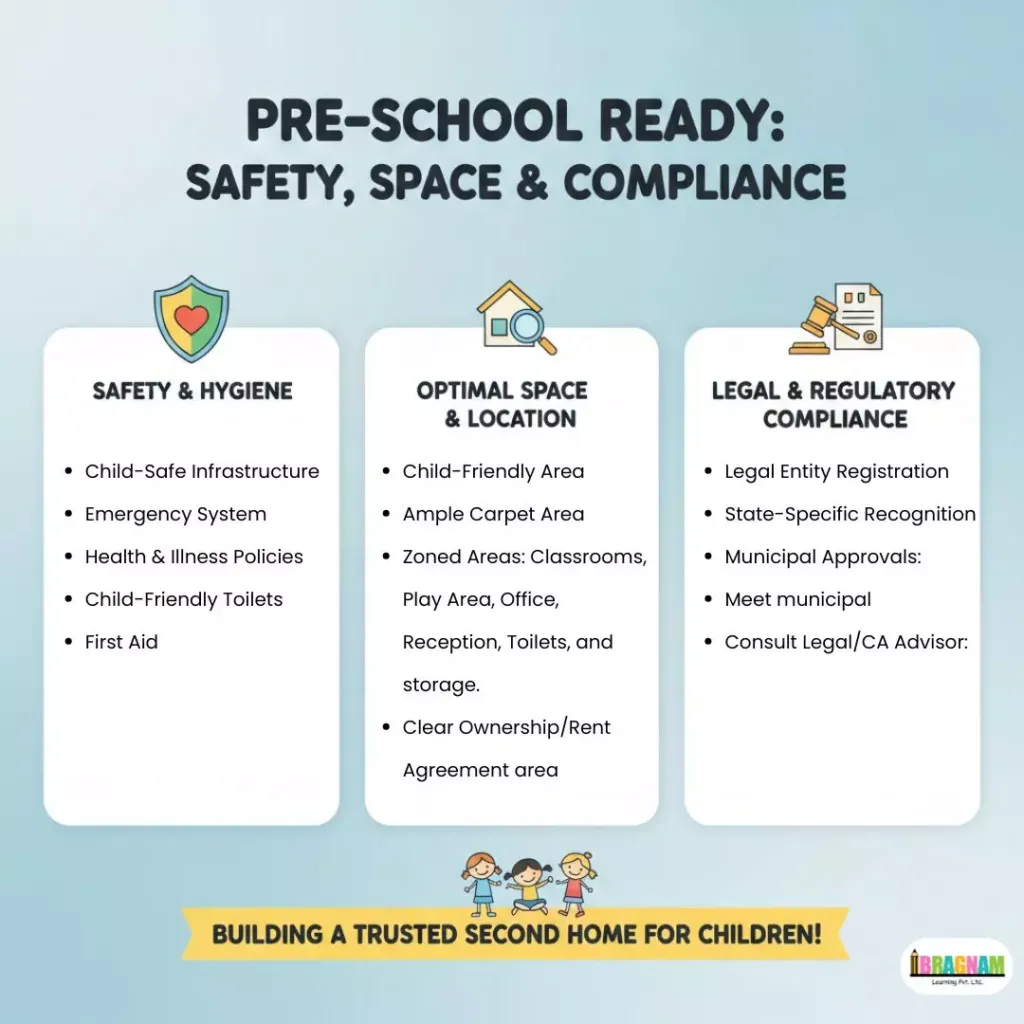
One of the most critical things to keep in mind while opening a pre-school is compliance with local regulations and registration norms. While preschool regulations in India are still evolving, many states and municipal bodies have clear guidelines for recognition, safety, and basic standards.
Key points to consider:
Register your preschool as a legal entity such as a proprietorship, partnership, trust/society, or private limited company, depending on your long-term plans and scale.
Check state-specific rules for preschool recognition, especially in states like Maharashtra, Karnataka, and Tamil Nadu, where registration and approval are mandatory.
Ensure you meet municipal requirements related to land use, occupancy, fire safety, and building codes before starting operations.
Consulting a local chartered accountant or legal advisor is usually worth the investment to avoid compliance issues later.
Choose the right location and space
Location is one of the biggest success factors and a major thing to keep in mind while opening a pre-school. Parents look for a centre that is easy to reach, secure, and away from heavy traffic and industrial noise.
When shortlisting spaces:
Prefer a child-friendly residential or mixed-use area that is safe, calm, and has good visibility from the road.
Ensure there is enough carpet area per child to avoid overcrowding and to comply with norms where prescribed by local authorities.
Plan for separate zones: classrooms, reception, office, outdoor or indoor play area, toilets, and storage.
Check that the property has clear ownership or a proper rental agreement and that it meets zoning norms for running an educational institution.
Plan child-safe infrastructure and environment
Safety and hygiene must be at the heart of your preschool design. A thoughtfully designed environment not only protects children but also reassures parents that their little ones are in safe hands.
Important infrastructure points to keep in mind:
Classrooms should be well-lit, ventilated, and equipped with child-sized furniture with rounded edges and non-slippery flooring.
Install safety gates, corner guards, socket covers, and child-proof locks where necessary.
Maintain clean, child-friendly toilets with low-height basins and proper hygiene supplies.
Set up emergency and safety systems: fire extinguishers, clear evacuation routes, smoke detectors where applicable, and visible emergency contact numbers.
Keep first-aid kits handy in all key areas and ensure staff know where they are and how to use them.
A neat, colourful, and clutter-free environment with age-appropriate learning corners makes a strong impression on parents during school tours.
Design a child-centric curriculum and daily routine
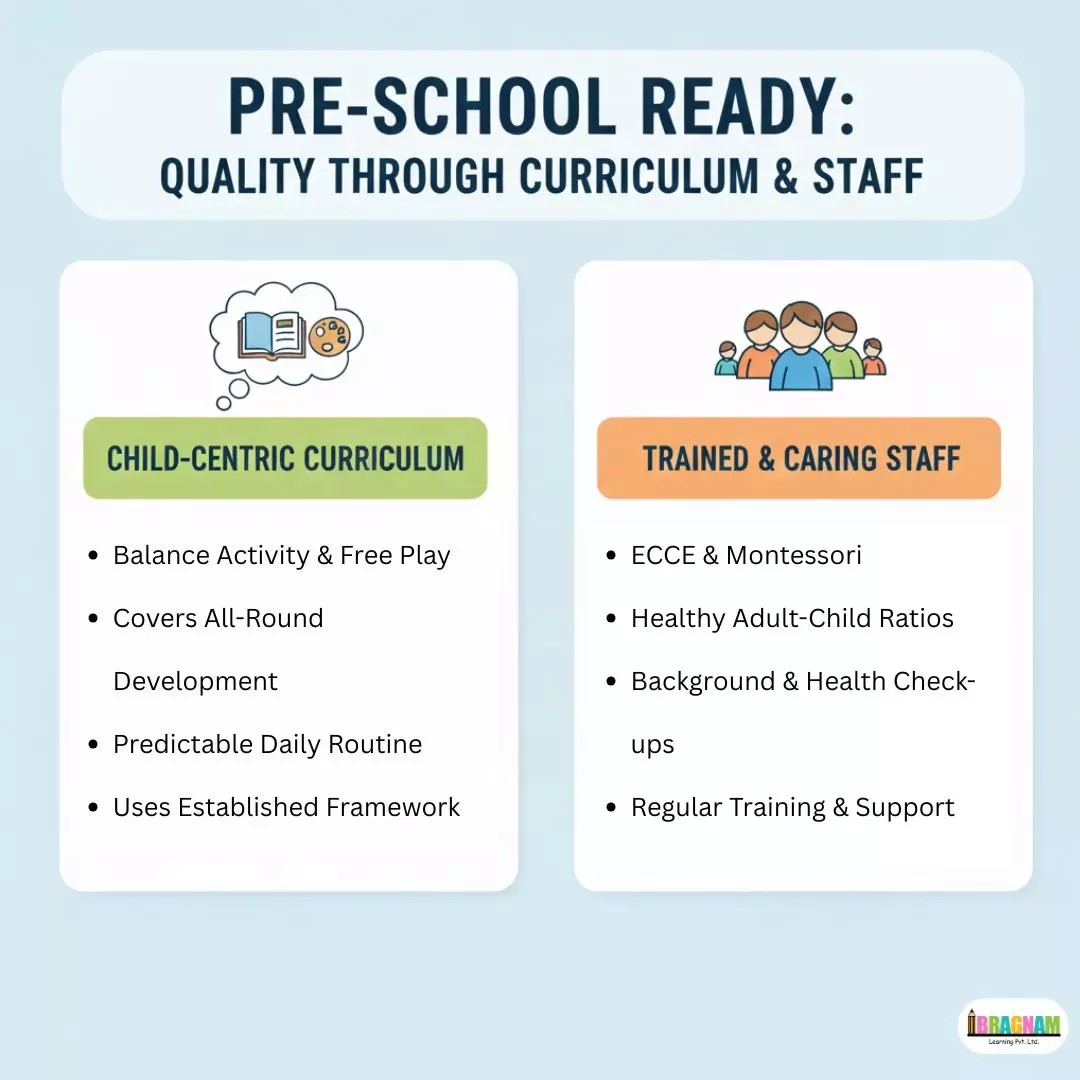
Curriculum is another vital thing to keep in mind while opening a pre-school, because it directly impacts the quality of learning and your brand reputation. Good preschool programs balance structured activities with free play and focus on all-round development—language, motor skills, social skills, and emotional growth.
While planning your curriculum:
Align with early childhood education principles and age-appropriate milestones rather than pushing rote academics.
Include activities across domains—music, movement, storytelling, art, pre-math, early literacy, and life skills.
Build a predictable daily routine with a mix of circle time, free play, outdoor play, snack time, and rest time.
Decide whether you want to adopt or adapt established frameworks such as Montessori elements, thematic learning, or inquiry-based projects.
Documenting your curriculum and sharing a broad outline with parents also helps build trust and transparency.
Hire and train the right staff
Teachers and caregivers are the backbone of your preschool and a major factor families consider while choosing a centre. One of the most important things to keep in mind while opening a pre-school is that warm, trained, and stable staff matter more than fancy interiors.
Staffing essentials:
Recruit teachers with qualifications or training in Early Childhood Care and Education (ECCE), Montessori, or nursery teacher training where possible.
Maintain healthy adult–child ratios to ensure safety and individual attention; best-practice ranges for preschoolers often fall between 1:8 and 1:12 depending on age and group size.
Conduct background checks, reference checks, and basic health checks before onboarding any staff member.
Provide regular in-house training on classroom management, safety protocols, first aid, and communication with parents.
Happy, motivated staff lead to low turnover, consistent classrooms, and stronger parent relationships.
Put strong safety and health policies in place
Parents today are very conscious about safety, hygiene, and emotional well-being. Having clear written policies is a key thing to keep in mind while opening a pre-school because it reduces confusion for staff and reassures families.
Policies to define and document:
Visitor management, pick-up and drop-off rules, and authorised guardians.
Illness policy, including when children should stay home and how you handle symptoms or contagious conditions on campus.
Emergency procedures for fire, injuries, and natural disasters, along with periodic drills.
Child protection and behaviour management guidelines with zero tolerance for abuse or harsh punishment.
Display key rules in reception and include them in your parent handbook so everyone knows the expectations.
Plan your fee structure and finances
Another important thing to keep in mind while opening a pre-school is how you will cover costs and stay profitable without compromising quality. A clear financial plan helps you manage salaries, rent, marketing, and learning materials while keeping your fees competitive for your location.
Consider the following:
Estimate your initial investment in interiors, teaching aids, branding, and safety equipment, and separate it from monthly operating expenses.
Research competitor fee ranges in your area so your pricing reflects your positioning and value.
Decide on application fees, admission fees, security deposits, and monthly or quarterly tuition, and communicate them transparently to parents.
Keep a contingency fund for at least 3–6 months of operating costs to handle slow admission seasons or unforeseen expenses.
Build a parent-friendly communication strategy
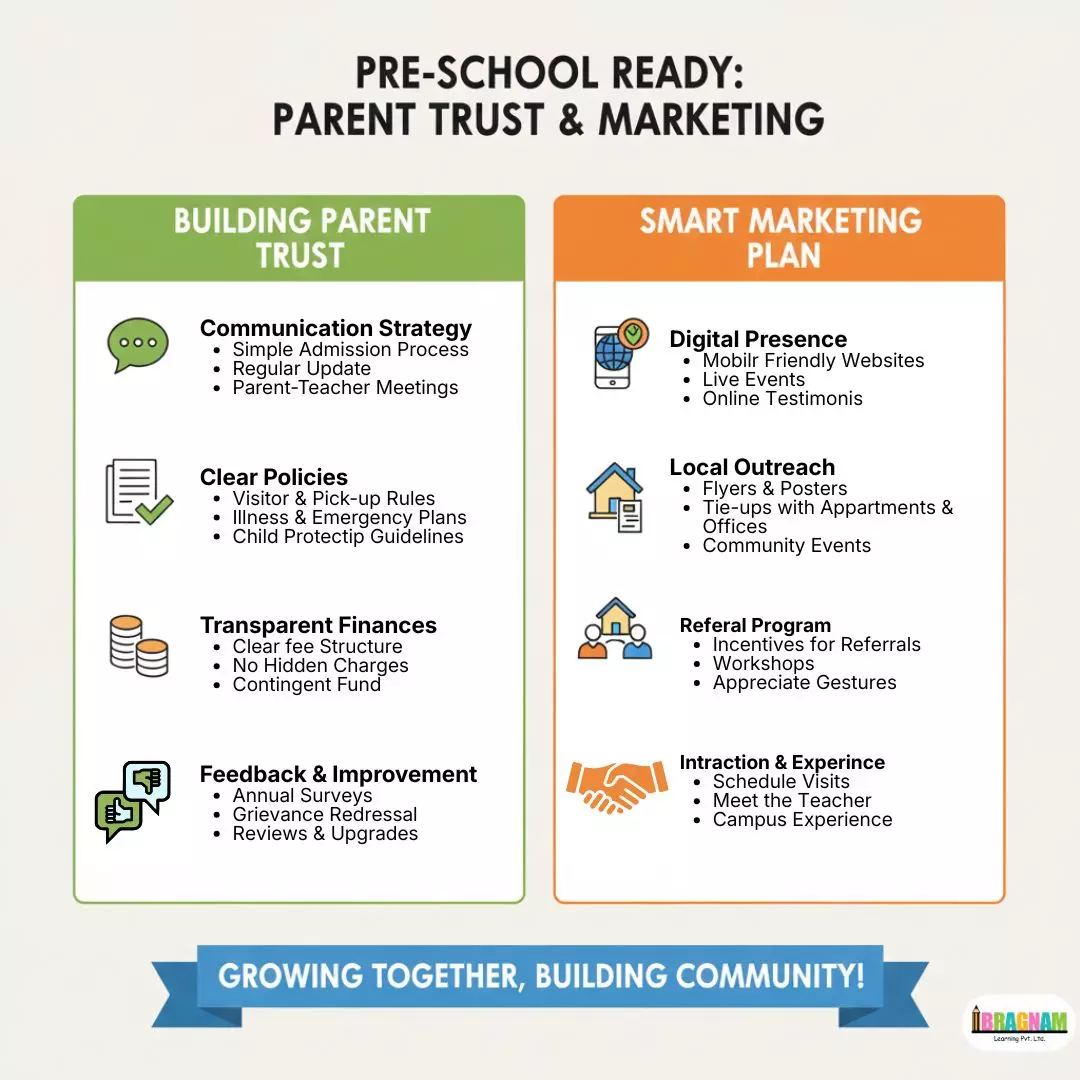
Preschool success depends heavily on parent satisfaction and word-of-mouth. From the first enquiry call to daily updates, parents look for proactive, respectful, and transparent communication.
Things to plan:
A simple admission process with clear brochures, fee details, and program information.
Regular updates through diaries, apps, WhatsApp broadcasts, or emails about activities, events, and important notices.
Scheduled parent–teacher meetings, orientation sessions, and open days to build relationships and address concerns.
A clear grievance redressal path so parents know whom to contact and how issues will be handled.
Positive, two-way communication helps you retain families and improve your services over time.
Create a simple but strong marketing plan
Marketing is often overlooked as a thing to keep in mind while opening a pre-school, but it is essential to reach the right families in your catchment. You do not need a huge budget; what you need is consistent, clear messaging and presence where parents are already looking.
Effective steps include:
A basic, mobile-friendly website with details about your programs, philosophy, facilities, photos, and contact information.
Active presence on social media platforms like Facebook and Instagram to showcase daily activities, events, and parent testimonials.
Local awareness activities such as flyers, tie-ups with nearby apartments and offices, and community events like story sessions or parenting workshops.
Encouraging referrals from existing parents through small incentives or appreciation gestures.
Keep quality improvement and documentation in focus
Finally, one of the most valuable things to keep in mind while opening a pre-school is that quality is not a one-time setup task but a continuous journey. Regular review of your practices will help you stay aligned with best standards and parent expectations.
Helpful practices:
Maintain basic records such as attendance, health incidents, staff training logs, and safety checks.
Collect feedback from parents and staff at least annually and implement realistic improvements.
Review your curriculum, events calendar, and classroom practices every year to keep them fresh and relevant.
FAQ: Things to Keep in Mind While Opening a Pre-School
1. How much space is required to open a pre-school? Space requirements vary by local rules, but many experts recommend enough area for safe movement, separate activity corners, and an outdoor or indoor play zone. Checking state or municipal guidelines on minimum space per child is one of the first things to keep in mind while opening a pre-school.
2. Do I need specific licences to start a pre-school in India? Licensing requirements differ from state to state, and some states mandate registration or recognition with the education department or local authority. It is important to confirm current rules in your city and register your preschool as a proper business entity so you operate legally and build trust with parents.
3. What qualifications should preschool teachers have? While regulations may not always specify teacher qualifications, hiring staff with Early Childhood Care and Education (ECCE), nursery teacher training, or Montessori certifications is strongly recommended. This is a key thing to keep in mind while opening a pre-school because trained teachers can better manage classrooms, support holistic development, and communicate effectively with parents.
4. How do I decide my preschool fee structure? Start by listing your fixed and variable expenses, including rent, salaries, utilities, learning materials, and marketing, and then estimate a sustainable fee per child. Compare your planned fees with other preschools in your area to ensure your pricing matches your positioning and offers fair value to families.
5. How can I attract parents to a new preschool? A combination of online and offline efforts works best, such as a simple website, active social media, community events, and open house days where parents can visit the campus and meet teachers. Clear communication, genuine child-centric practices, and early positive reviews are crucial things to keep in mind while opening a pre-school and building enrolments in the first year.
Conclusion: Start small, stay child-centric, and grow steadily
When you list out all the things to keep in mind while opening a pre-school—legal compliance, safety, curriculum, staffing, fees, and marketing—it can feel overwhelming at first. The good news is that with a clear vision, careful planning, and a genuine commitment to children’s well-being, you can build a preschool that parents trust and children love coming to every day. Start small, focus on quality over speed, and refine your processes as you grow—your preschool can then become a long-term, meaningful venture in your community.
If you are serious about opening a preschool and want support with planning, curriculum, and set-up, reach out today to explore how expert guidance can help you launch faster and more confidently.
Starting a playschool is a rewarding venture, especially in India, where the demand for quality early childhood education is rapidly growing. Among the various franchise options available, Balvatika Montessori stands out as a trusted, affordable, and supportive choice for aspiring educators and entrepreneurs. Choosing Balvatika Montessori franchise means you are not just starting a business, but joining a movement that prioritizes holistic child development and proven educational practices.
What Makes Balvatika Montessori Special?
Balvatika Montessori, an initiative by Bragnam Learning Pvt Ltd, offers a unique blend of Montessori philosophy and modern teaching methodologies. The franchise is designed to be accessible, with a modest investment and no royalty or renewal charges, making it an attractive option for new and experienced franchisees alike.
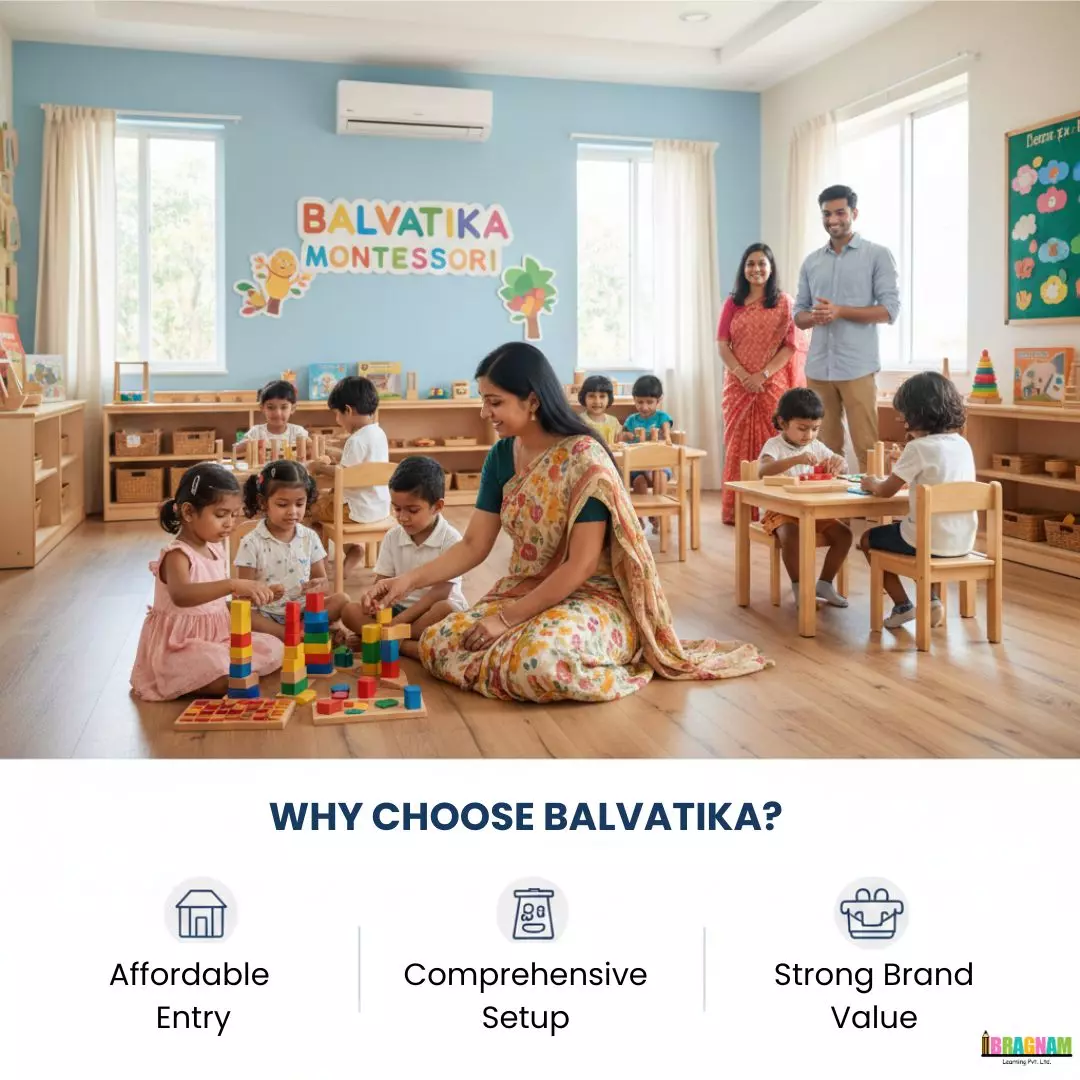
Affordable Entry: The initial franchise fee is just 49,000 INR plus GST, with no hidden costs or ongoing royalty payments.
Comprehensive Setup: Balvatika provides furniture, toys, and essential educational kits for up to 30 students, reducing your startup investment and helping you launch quickly.
Strong Brand Value: As a Balvatika franchisee, you receive an official franchise certificate, boosting your credibility and trust among parents in your community.
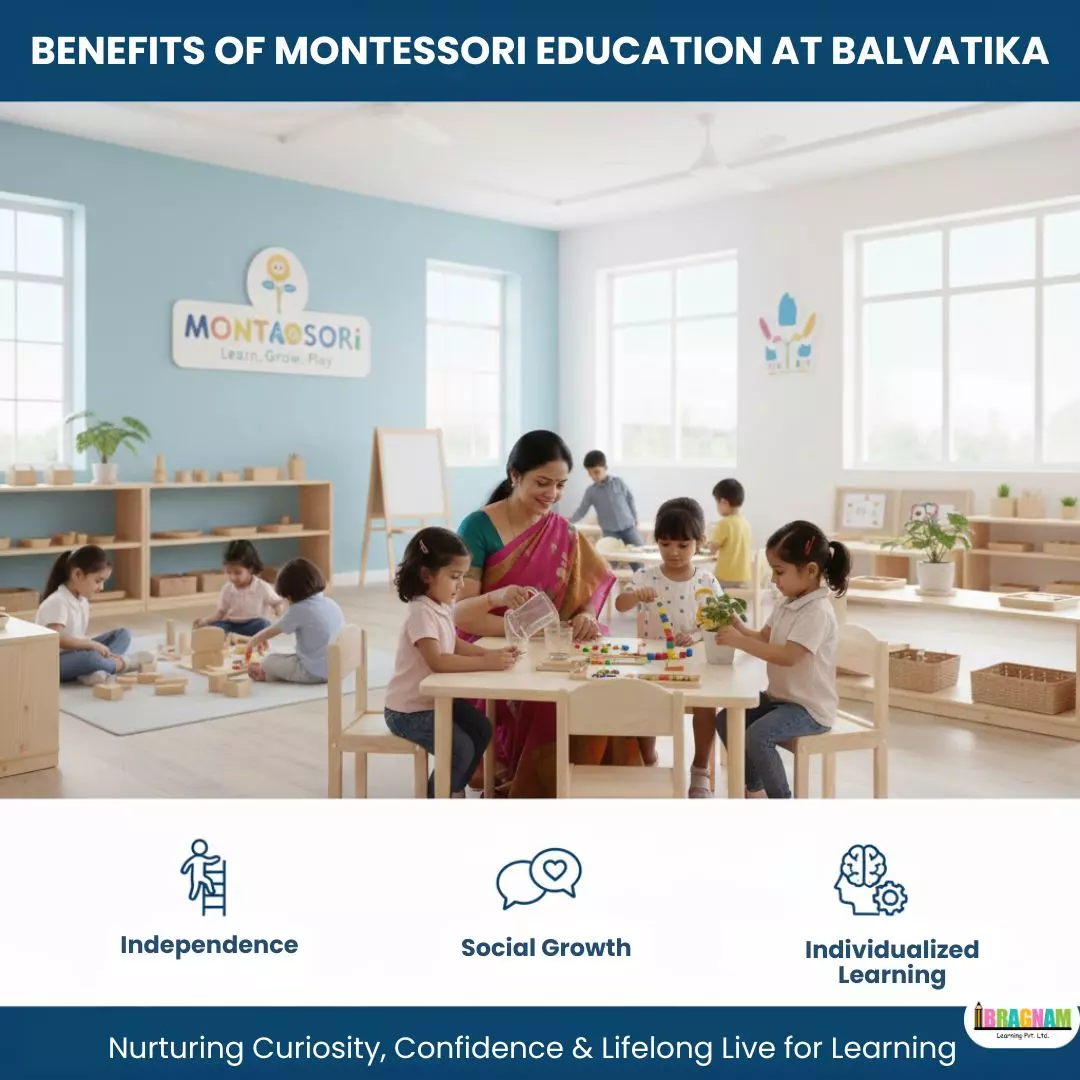
Benefits of Montessori Education at Balvatika
Montessori education is renowned for nurturing independence, creativity, and a love for learning in children. Balvatika’s curriculum is built on these principles, ensuring that every child gets a strong foundation for lifelong learning.
Key Advantages of Montessori at Balvatika
Independence: Children are encouraged to handle daily tasks and projects, building confidence and self-reliance from an early age.
Social Growth: Mixed-age classrooms promote peer learning, empathy, and leadership, helping children develop social skills naturally.
Individualized Learning: Each child progresses at their own pace, with activities tailored to their interests and abilities.
Hands-On Activities: Practical life skills and sensory-based learning are central to the Montessori approach, making education engaging and meaningful.
Comprehensive Support for Franchisees
Running a playschool can be challenging, but Balvatika Montessori franchisees receive ongoing support to ensure smooth operations and long-term success.
What Support You Get
Curriculum Guidance: Access to a proven, age-appropriate curriculum designed by education experts.
Teacher Training: Regular training sessions keep your staff updated on the latest teaching methodologies and child development trends.
Marketing Assistance: Balvatika offers marketing strategies, promotional materials, and digital marketing support to help attract students and build your brand.
Operational Guidance: Dedicated team support for any challenges, from setup to day-to-day operations.
Why Balvatika Montessori Franchise Is a Smart Investment
Balvatika Montessori franchise is not just about education; it’s a profitable business opportunity. The franchise model is scalable, with a clear financial roadmap and a short payback period.
Investment Range: 2–5 lakh INR, with franchise fee at 49,000 INR.
Expected ROI: Around 40%, with a payback period of 1–2 years.
Territorial Rights: Exclusive rights for your location, reducing competition.
Montessori vs. Traditional Playschool
Choosing between Montessori and traditional education is crucial. Here’s how Balvatika Montessori compares:
Feature
Balvatika Montessori
Traditional Playschool
Learning Environment
Child-centric, open spaces
Structured, group activities
Teaching Style
Facilitator, child-led
Teacher-led, group instruction
Curriculum
Individualized, hands-on
Standardized, group benchmarks
Child Development
Independence, creativity
Routine, discipline
Balvatika Montessori empowers children to explore, learn, and grow at their own pace, making it a preferred choice for modern parents.
Success Stories and Testimonials
Many franchisees have found success with Balvatika Montessori. Testimonials highlight the ease of setup, ongoing support, and the positive impact on children’s learning and development. Parents appreciate the nurturing environment and visible growth in their children.
Starting a playschool franchise can be an exciting venture, but the journey is filled with challenges—especially for first-time entrepreneurs. Choosing a franchise model can make all the difference, offering a proven path to success in the competitive world of early childhood education. With the right franchise partner, such as Balvatika or Bragnam Learning Pvt Ltd, you gain access to a tested business model, strong brand recognition, and continuous support, making it easier to launch and grow your playschool with confidence.
What Is a Playschool Franchise?
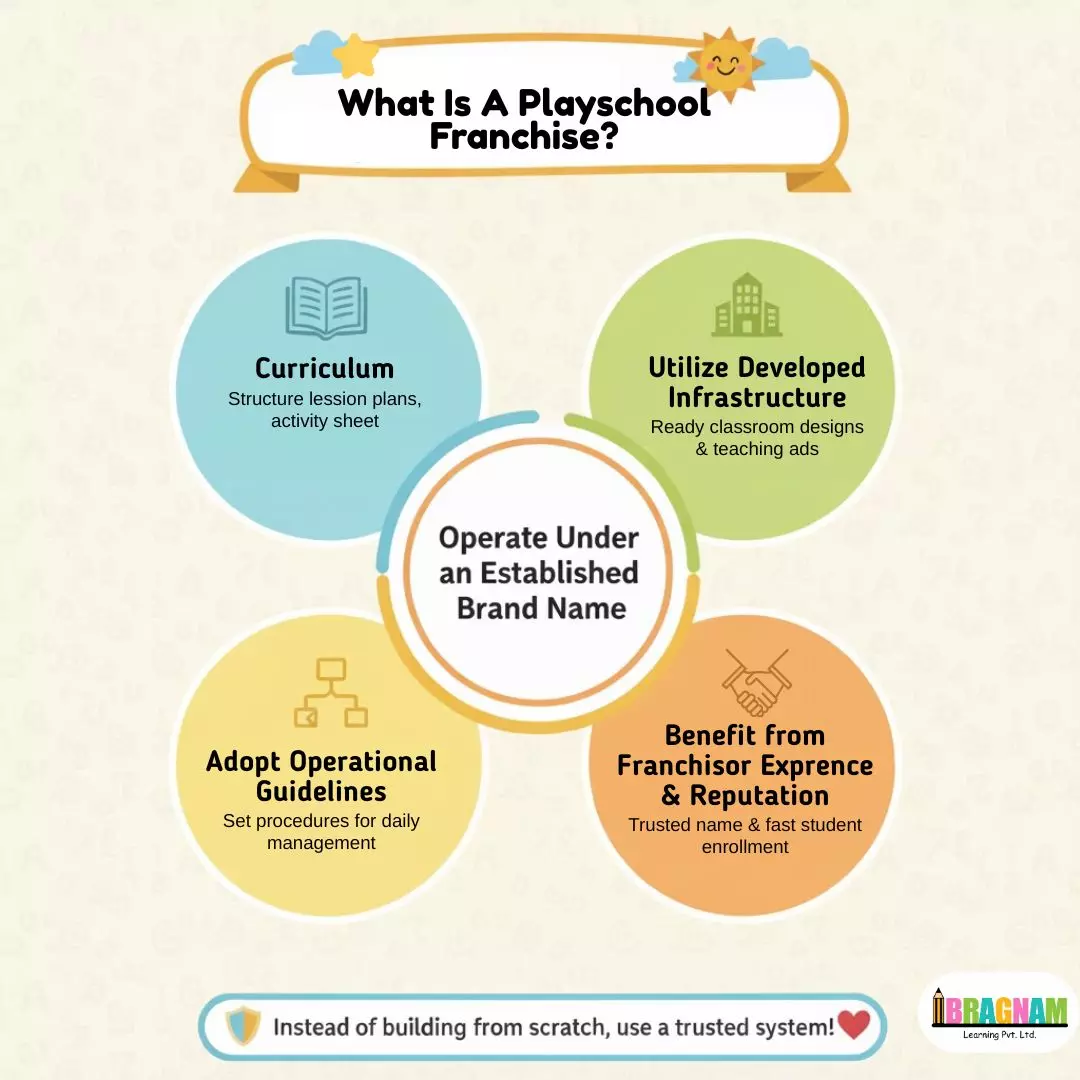
A playschool franchise allows you to operate under an established brand name, like Balvatika or Bragnam, using their curriculum, infrastructure, and operational guidelines. Instead of building everything from scratch, you leverage the franchisor’s experience and reputation to set up a school that parents trust and children love.
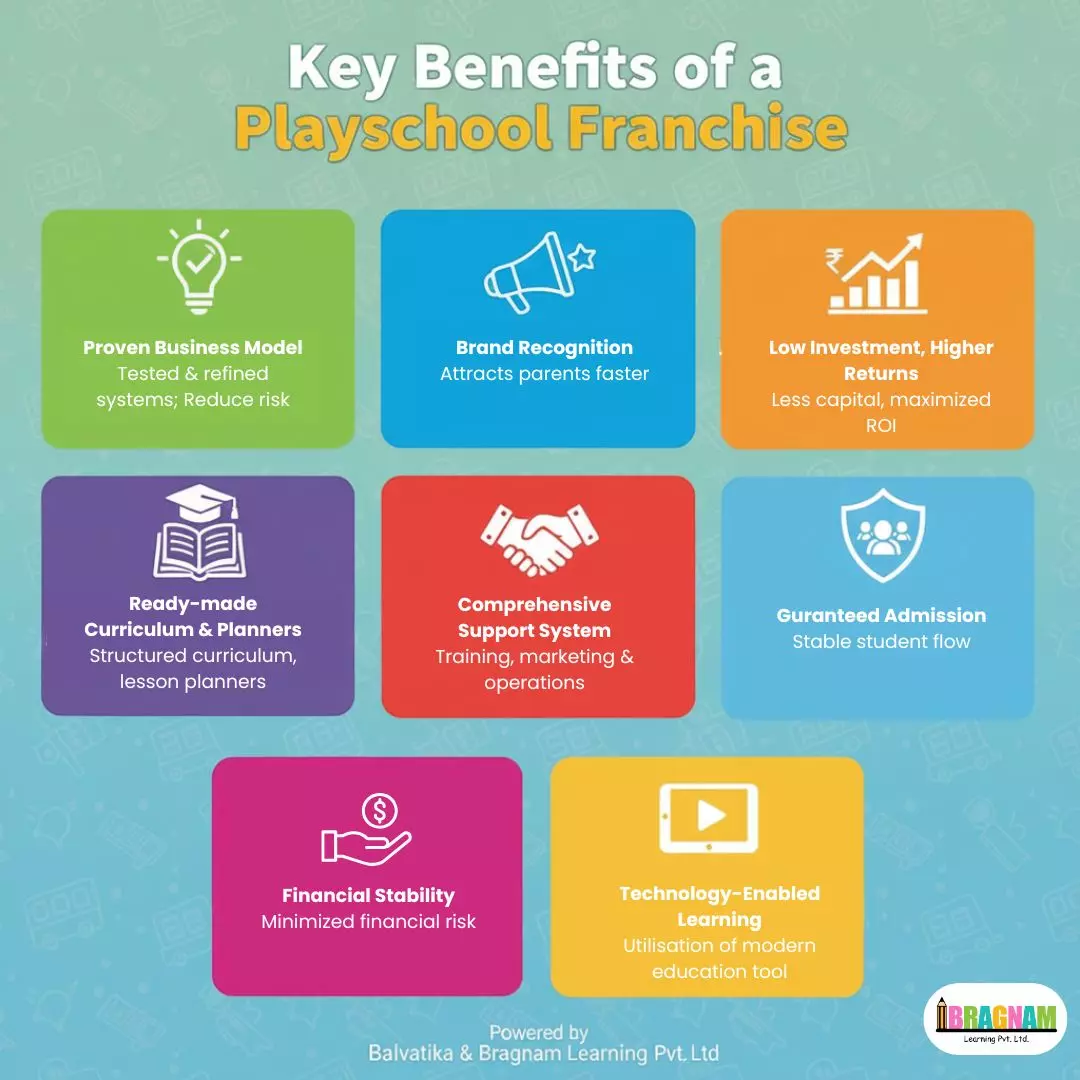
Key Benefits of a Playschool Franchise
1. Proven Business Model
Franchise brands like Balvatika and Bragnam have already tested and refined their systems for success.
You benefit from their research, curriculum, and operational expertise, reducing the risk of failure.
2. Brand Recognition
Parents prefer schools with a reputable name like Balvatika or Bragnam.
A recognized brand brings instant credibility and helps attract students faster.
3. Lower Investment, Higher Returns
Franchise setups often require less capital compared to independent schools.
Operational costs are streamlined, and support systems help maximize your return on investment.
4. Ready Curriculum and Academic Planning
You receive a structured curriculum, lesson plans, activity sheets, and assessment formats from Balvatika or Bragnam.
This saves time and ensures quality education for young learners.
5. Comprehensive Support System
Franchise partners like Balvatika and Bragnam offer end-to-end support, including teacher training, marketing, and operational guidance.
Even if you lack an education background, you can run the school smoothly with expert help.
6. Guaranteed Admissions and Shortfall Compensation
Many franchises, including Balvatika and Bragnam, offer guaranteed admissions or shortfall compensation, minimizing your financial risk.
This ensures a steady flow of students and stable revenue.
7. Technology-Enabled Learning
Leading franchises like Bragnam integrate technology into their teaching, preparing children for modern education needs.
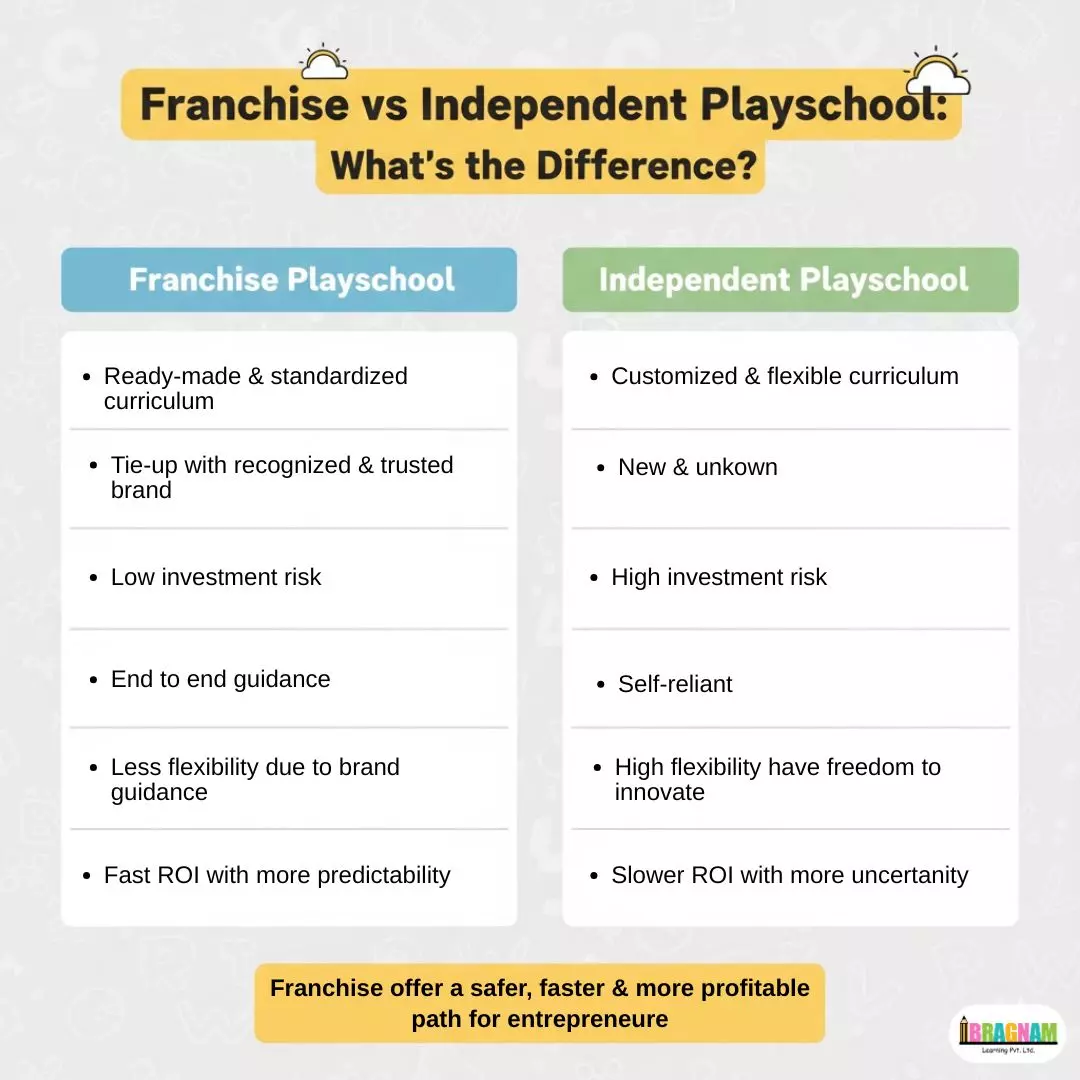
Franchise vs Independent Playschool: What’s the Difference?
Feature
Franchise Playschool (Balvatika/Bragnam)
Independent Playschool
Curriculum
Ready-made, standardized
Customized, flexible
Brand Recognition
Established, trusted
New, unknown
Investment
Moderate, lower risk
High, higher risk
Support
End-to-end guidance
Self-reliant
Flexibility
Limited (brand guidelines)
High (freedom to innovate)
ROI
Faster, more predictable
Slower, uncertain
While independent schools offer more flexibility, franchises like Balvatika and Bragnam provide a safer, faster, and more profitable path for most entrepreneurs.
How to Choose the Right Playschool Franchise
Research Brand Reputation: Pick a franchise with a strong track record and positive reviews, such as Balvatika or Bragnam.
Evaluate Curriculum: Ensure the curriculum is research-based and aligned with national guidelines.
Check Support Systems: Look for franchises like Balvatika and Bragnam that offer training, marketing, and operational help.
Assess Location Demand: Choose a franchise in an area with high demand for quality preschools.
Why Franchise Is the Smart Choice for New Entrepreneurs
A playschool franchise with Balvatika or Bragnam is more than just a business opportunity—it’s a partnership that sets you up for success. With proven systems, brand power, and continuous support, you can focus on what matters most: providing quality education for young children.
Social media has transformed the way businesses connect with their audiences, and playschools are no exception. In today’s digital world, leveraging the power of social media for your playschool can significantly boost visibility, engagement, and enrollments. With parents increasingly turning to online platforms to research and choose educational institutions for their children, a strong social media presence is no longer optional—it’s essential. This article explores how social media can empower your playschool, offering practical strategies and insights to help you stand out in a competitive market.
Why Social Media Matters for Playschools
Social media platforms like Facebook, Instagram, and WhatsApp provide direct channels to connect with parents and the local community. Research shows that 92% of parents are more likely to enroll their child in a preschool that maintains an active social media presence, and 87% trust schools more when they see positive testimonials and reviews online. These platforms allow you to showcase your playschool’s unique environment, teaching philosophy, and daily activities, helping build trust and credibility.
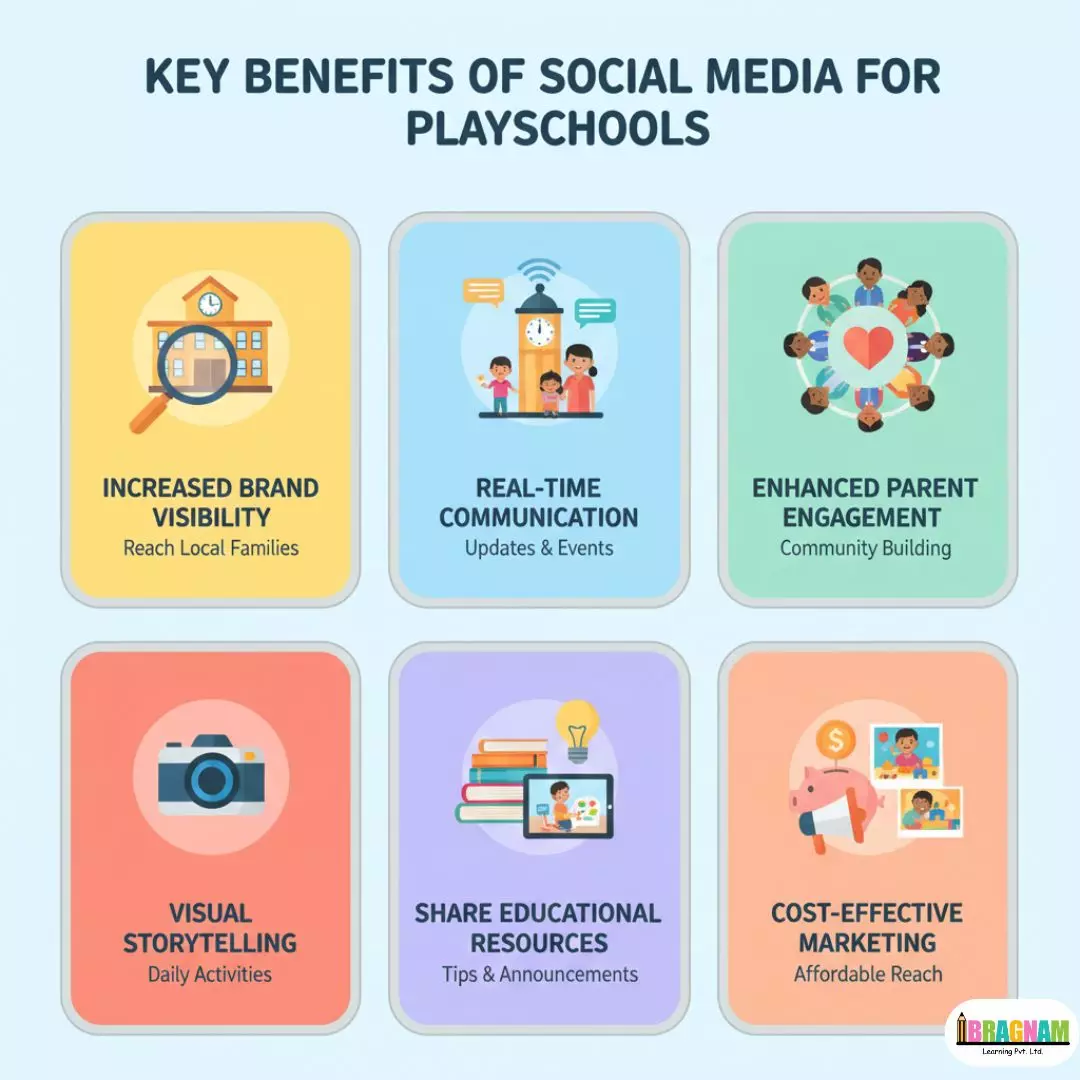
Key Benefits of Social Media for Playschools
Increased brand awareness and visibility among local families
Real-time communication with parents and instant updates about school events
Enhanced parent engagement and community building
Visual storytelling through photos and videos of classroom activities
Easy sharing of educational resources, parenting tips, and event announcements
Cost-effective marketing compared to traditional advertising
How to Use Social Media for Your Playschool
Choose the Right Platforms
Not all social media platforms are equally effective for playschools. Facebook is ideal for community building and targeted advertising, while Instagram excels at visual storytelling and engaging younger parents. WhatsApp can be used for direct, instant communication with parents and sharing daily updates.
Share Engaging Content
Post photos and videos of classroom activities, events, and children’s artwork (with parental permission)
Share testimonials and success stories from parents and students
Highlight your teachers and their expertise to build trust
Promote upcoming events, workshops, and open house days
Offer educational content and parenting tips to position your playschool as a knowledgeable partner
Build a Community
Encourage interaction by responding to comments, running contests, and hosting Q&A sessions. Create a sense of belonging by sharing stories, celebrating milestones, and featuring parent contributions.
Monitor and Adapt
Regularly review your social media analytics to understand what content resonates most with your audience. Adjust your strategy based on engagement metrics, feedback, and changing trends.
Best Practices for Social Media Success
Post consistently and at optimal times to maximize reach
Use local hashtags to increase visibility in your area
Collaborate with local mom bloggers or parenting influencers
Maintain privacy and safety by getting parental consent before posting photos of children
Stay updated on platform features and trends to keep your content fresh and engaging
FAQ: Social Media for Playschools
1. How often should a playschool post on social media?
Aim for 3–5 posts per week, focusing on quality over quantity. Share updates, photos, events, and educational content to keep your audience engaged.
2. What type of content works best for playschools on social media?
Photos and videos of classroom activities, testimonials, event promotions, and educational tips are highly effective for engaging parents and showcasing your playschool.
3. How can social media help increase playschool enrollments?
Active social media profiles increase visibility, build trust, and allow parents to see the value of your playschool firsthand, making them more likely to enroll their children.
4. Is it safe to post photos of children on social media?
Always obtain written parental consent before posting photos of children. Avoid sharing sensitive information and respect privacy guidelines.
5. What platforms should a playschool focus on?
Facebook and Instagram are most effective for building community and showcasing activities. WhatsApp is useful for direct communication with parents.
Meeting and interacting with BJP leader Sh. Anurag Thakur Ji at Hotel Ashok, New Delhi, was an absolute honor for our Director, Mr. Amit Sharma. His vision and dedication toward nation-building are truly commendable. This event was a remarkable experience, and we are grateful to Bharat Sir for providing us with this opportunity. Here, we share a few glimpses of the memorable evening.
The evening began with a sense of anticipation and excitement as we arrived at Hotel Ashok, a prestigious venue known for hosting significant events. The atmosphere was charged with energy, and the presence of distinguished guests added to the grandeur of the occasion. As we made our way through the elegantly decorated halls, we couldn’t help but feel a sense of pride and privilege to be part of such an event.
Meeting Sh. Anurag Thakur Ji was a moment we will cherish forever. His warm and approachable demeanor immediately put everyone at ease. Despite his busy schedule and numerous responsibilities, he took the time to engage with each attendee personally. His genuine interest in our thoughts and opinions was evident, and it was inspiring to see a leader so committed to understanding the perspectives of the people he serves.
During our interaction, Sh. Anurag Thakur Ji shared his vision for the future of our nation. He spoke passionately about the importance of youth involvement in politics and nation-building. His words resonated deeply with us, as he emphasized the need for young people to take an active role in shaping the future of our country. He highlighted various initiatives and programs aimed at empowering the youth and providing them with opportunities to contribute to the nation’s progress.
One of the key takeaways from our conversation was his unwavering dedication to the principles of good governance and transparency. Sh. Anurag Thakur Ji stressed the importance of accountability and integrity in public service. He shared anecdotes from his own journey in politics, illustrating how these values have guided his actions and decisions. His commitment to ethical leadership was truly inspiring and reinforced our belief in the power of honest and transparent governance.
As the evening progressed, we had the opportunity to interact with other attendees, including prominent figures from various fields. The event provided a platform for meaningful discussions and networking, allowing us to exchange ideas and insights. It was heartening to see so many like-minded individuals coming together with a shared vision of contributing to the nation’s development.
The highlight of the evening was a keynote address by Sh. Anurag Thakur Ji, where he elaborated on his vision for India’s future. He spoke about the importance of economic growth, social welfare, and sustainable development. His speech was a call to action, urging everyone present to work collectively towards achieving these goals. His words were met with resounding applause, reflecting the audience’s appreciation for his leadership and vision.
Throughout the event, we couldn’t help but feel a sense of gratitude towards Bharat Sir for making this experience possible. His mentorship and guidance have been instrumental in shaping our understanding of politics and public service. Being part of this event was a testament to his belief in providing opportunities for young individuals to learn and grow.
As the evening drew to a close, we left Hotel Ashok with a renewed sense of purpose and determination. The interactions and experiences from the event had left a lasting impact on us. Meeting Sh. Anurag Thakur Ji and hearing his vision for the nation was a source of immense inspiration. It reinforced our commitment to contributing to the nation’s progress and working towards a better future for all.
In conclusion, the evening at Hotel Ashok was a memorable and enriching experience. The opportunity to meet and interact with Sh. Anurag Thakur Ji was an honor, and his vision and dedication towards nation-building are truly commendable.
Fine motor skills, those intricate movements of the fingers and hands, are fundamental for a child’s development. These seemingly small actions form the basis for everyday activities like writing, drawing, dressing, manipulating objects, and even self-care. But why are fine motor skills so important and how can parents encourage their development?
The Importance of Fine Motor Skills
Fine motor skills are essential for children to explore, learn, and interact with their environment. They enable them to:
Write and draw: From scribbling to forming letters and shapes, fine motor skills are crucial for developing handwriting and drawing abilities, which are essential for communication and creative expression.
Manipulate objects: Picking up small objects, using utensils, turning pages, and building with blocks are all facilitated by fine motor skills. These skills enable children to engage in a variety of play activities and gain independence in their daily lives.
Self-care: Fine motor skills are essential for dressing, brushing teeth, washing hands, and other self-care tasks. As children develop these skills, they become more independent and confident in taking care of themselves.
Academic success: Strong fine motor skills are linked to better academic performance, especially in subjects like writing, math, and science. These skills also contribute to improved focus and attention, which are crucial for learning.
Social and emotional development: Fine motor skills play a role in social interactions, allowing children to participate in games, build friendships, and express themselves through various activities.
At Bragnam & Balvatika Preschool, we understand the importance of fine motor skills and actively incorporate activities and programs designed to promote their development. Our curriculum is built on a foundation of play-based learning, which provides a stimulating and engaging environment for children to explore and practice their skills. Here are some specific ways we foster fine motor skills:
Sensory activities: Sensory bins, play dough, water play, and tactile materials encourage exploration and manipulation, strengthening finger muscles and coordination.
Arts and crafts: Activities like painting, drawing, cutting, and gluing provide opportunities for children to develop hand-eye coordination and fine motor control.
Construction and building: Blocks, puzzles, and Legos encourage problem-solving, spatial awareness, and fine motor skills as children manipulate objects and create structures.
Music and movement: Singing, dancing, and playing instruments promote coordination, balance, and rhythm, all of which contribute to fine motor development.
Self-help skills: We encourage children to dress themselves, use utensils, and complete other self-care tasks independently, which provides valuable practice for their fine motor skills.
Individualized support: Our experienced teachers are trained to identify children who may need additional support in developing their fine motor skills and provide individualized instruction and activities to help them reach their full potential.
Encouraging Fine Motor Skills at Home
Parents can also play a vital role in fostering their child’s fine motor skills by incorporating simple activities into their daily routines:
Play with finger paints and play dough.
Provide opportunities for threading beads, sorting buttons, and building with Legos.
Encourage drawing, coloring, and writing activities.
Play games that involve manipulating small objects, such as puzzles and board games.
Involve children in household tasks like setting the table, folding laundry, and preparing simple meals.
Read books together and encourage children to point to pictures and turn pages.
Conclusion
Fine motor skills are vital for a child’s overall development, impacting their academic success, social interaction, and independence. By choosing a preschool like Bragnam & Balvatika that prioritizes play-based learning and provides a rich environment for development, parents can give their children the foundation they need to thrive. Additionally, by incorporating simple activities into their daily routines at home, parents can further support their child’s fine motor skills development and contribute to their overall growth and well-being.