Beyond the Ribbon: How to Make Your Kindergarten Inauguration an Enrollment Magnet

By |2026-01-30T18:11:28+05:3030 January 2026|Blog|

Inauguration

Planning a kindergarten inauguration goes far beyond a simple ribbon-cutting—it’s your golden opportunity to wow parents and turn curiosity into enrollments. Discover practical, engaging strategies to make your event unforgettable and enrollment-boosting.

Why Your Inauguration Matters

Inauguration

A kindergarten inauguration sets the tone for your playschool’s future. It’s not just an opening; it’s a showcase that builds trust and excitement among parents seeking the best for their little ones.

When done right, it can boost enrollments by 20-30% right after the event, as families experience your warm, vibrant environment firsthand.

Parents attend to envision their child thriving, so focus on emotional connections over sales pitches.

Planning Essentials

Start planning 4-6 weeks ahead to ensure everything runs smoothly. Create a checklist covering venue setup, invitations, and activities tailored for kids aged 3-5.

  • Secure a date in a high-visibility season, like pre-admission periods (March-May in India).
  • Budget wisely: Allocate 40% for decor and activities, 30% for promotions, 20% for food, and 10% for VIP invites.
  • Partner with local influencers or education experts for credibility.

Involve your team early—assign roles like activity coordinator and parent liaison to keep momentum high.

Inviting the Right Crowd

Target local parents through WhatsApp groups, Facebook parenting communities, and neighborhood flyers. Aim for 100-200 attendees to create buzz without overwhelming space.​

Use eye-catching invites: “Join us for fun, games, and a glimpse into joyful learning at our new kindergarten!”

  • Send digital RSVPs via Google Forms for easy follow-up.
  • Offer incentives like early-bird enrollment discounts for attendees.
  • Leverage social media teasers with countdown posts.

Personalize invites for prospects from your leads list to increase turnout by up to 50%.

VIP Guests for Credibility

Elevate your event by inviting local dignitaries, education officers, or pediatricians. Their presence signals quality and attracts media coverage.​

A chief guest like a municipal education head can cut the ribbon and share inspiring words on early childhood development.

  • Prepare a short bio and memento for guests.
  • Coordinate speeches to 3-5 minutes each.
  • Thank them publicly and tag in post-event social shares.

This strategy turns your inauguration into a community highlight, drawing more families through word-of-mouth.​

Kid-Friendly Activities That Wow

Kids are your best marketers—happy children mean convinced parents. Set up interactive zones beyond the ribbon to keep everyone engaged for 1-2 hours.

Popular ideas include:

  • Sensory play stations: Sandpits, water tables, and playdough corners showcasing Montessori-inspired learning.
  • Talent show or baby parade: Let tots strut in tiny uniforms for adorable photo ops.
  • Storytelling corner: Teachers read picture books with puppets for a cozy vibe.
  • Face painting and balloon games: Quick fun that creates Instagram-worthy moments.
  • Mock classes: 10-minute sessions on rhymes or crafts to demo your curriculum.

These activities highlight your playschool’s playful approach, making parents imagine their child’s daily joy.

Food and Refreshments Setup

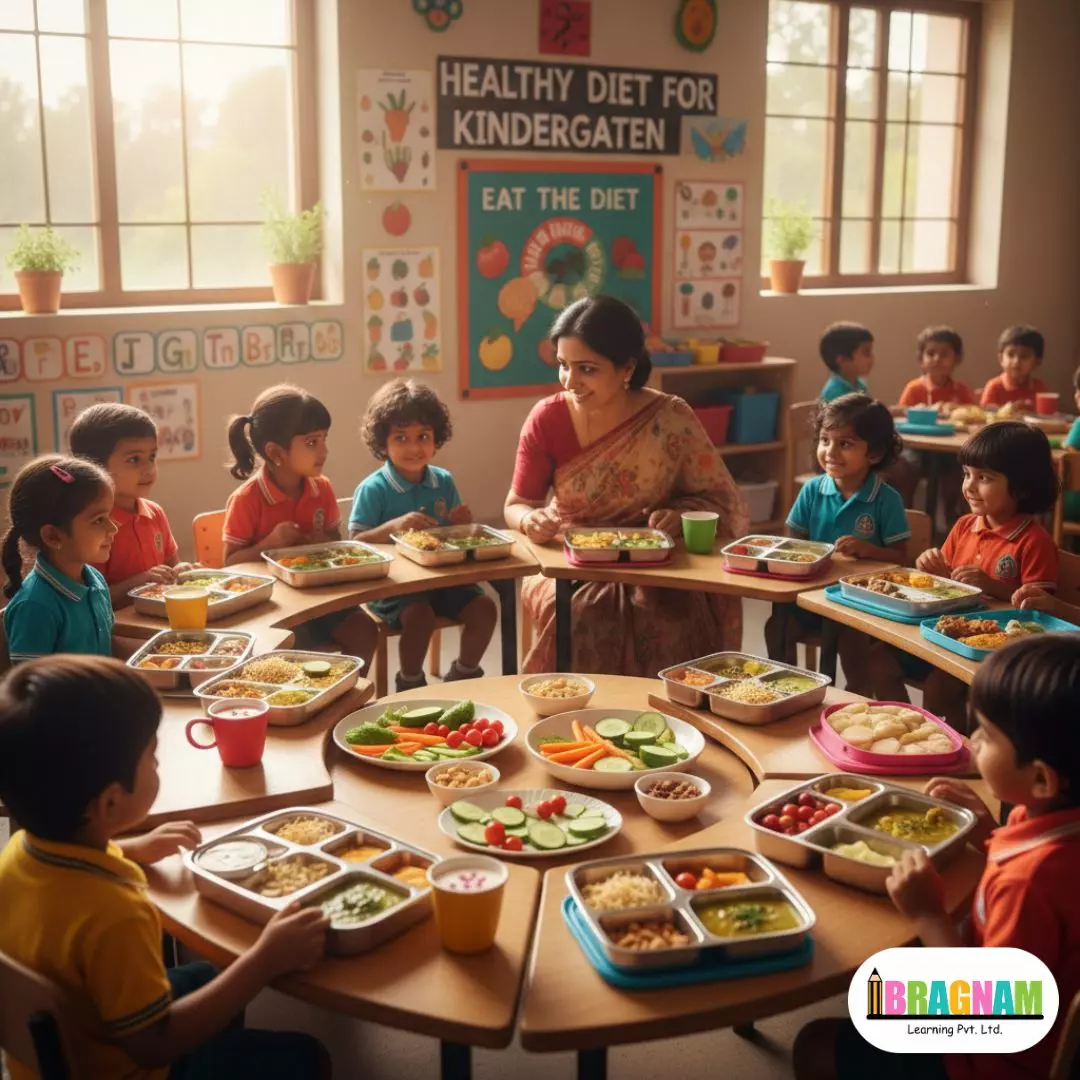
No event is complete without kid-approved snacks. Opt for healthy, colorful bites to reflect your nutrition focus.​

Serve fruit chaat, mini sandwiches, juices, and cupcakes branded with your logo.

  • Set up a welcome refreshment table for arriving guests.
  • Include allergy-friendly options and label them clearly.
  • Use this as a networking spot for casual parent chats.

Budget-friendly tip: Partner with local vendors for sponsorships in exchange for shoutouts.

Decor and Ambiance Magic

Transform your space into a wonderland without breaking the bank. Use balloons, banners, and streamers in your brand colors—think pastels for a kindergarten feel.​

Key elements:

  1. Grand entrance arch with “Welcome to [Your Kindergarten Name]” and ribbon ready.
  2. Photo booth with props like graduation caps and ABC backdrops.
  3. Pathway lighting or fairy lights for evening events.
  4. Themed zones (e.g., “Play Village” with toy houses).

Hire a local decorator or DIY with parent volunteers for authentic touches. This creates shareable visuals that amplify your reach online.

Marketing Your Event

Promote aggressively to fill seats. Create a simple event page on your WordPress site and share via email blasts.​

  • Run Facebook ads targeting “parents in Chandigarh” with keywords like “kindergarten inauguration.”
  • Post Reels of setup teasers on Instagram.
  • Send SMS reminders 48 hours prior.

Track success with a sign-in sheet capturing emails for post-event nurturing. Live-stream key moments for remote families.

Enrollment-Boosting Touches

Weave enrollments seamlessly: Station enrollment counselors with iPads showing fees and spots left. Offer on-spot discounts like 10% off first-year fees.

Display testimonials from pilot families and curriculum highlights.

Follow up within 24 hours: “Loved seeing you at our kindergarten inauguration—spots filling fast!”

These tactics convert 15-25% of attendees into enrollments.​

Post-Event Follow-Up

The real magic happens after. Send personalized thank-you emails with event photos and a “Next Steps” enrollment link.

Share user-generated content on social media to extend buzz.

  • Survey attendees for feedback.
  • Nurture leads with weekly tips on kindergarten readiness.
  • Announce “Sold Out Soon” urgency.

This builds lasting relationships and fills classes fast.

Inauguration

FAQ

What is a kindergarten inauguration?
A kindergarten inauguration is the official opening ceremony for a new or renovated playschool, featuring ribbon-cutting, activities, and demos to attract parents and boost enrollments.​

How can I make my kindergarten inauguration attractive to parents?
Focus on kid-centric activities, VIP guests, interactive tours, and enrollment incentives to create excitement and trust.

What activities work best for a kindergarten inauguration?
Try sensory play, storytelling, face painting, mock classes, and a talent show to engage children while showcasing your curriculum.

How do I promote my kindergarten inauguration event?
Use social media ads, WhatsApp invites, flyers, and email blasts targeting local parents, with teasers and RSVPs.

What’s the expected enrollment impact from a kindergarten inauguration?
Well-planned events can increase enrollments by 20-30% through immediate sign-ups and follow-ups.

Ready to make your kindergarten inauguration unforgettable? Contact Bragnam Learning Pvt Ltd today for franchise expertise and turn your event into an enrollment powerhouse!

Fueling Little Learners: Why Meal Planning is a Kindergarten Must-Have

By |2026-01-29T16:29:00+05:3029 January 2026|Blog|

Meal plannin

Meal planning is a kindergarten essential that keeps little ones energized, focused, and ready to learn all day long. It ensures balanced nutrition tailored to growing bodies while making busy parent and teacher routines simpler.

Benefits of Meal Planning in Kindergarten

Meal planning

Meal planning in kindergarten supports steady energy levels, preventing the mid-morning slumps from sugary snacks. It introduces variety, covering essential nutrients like proteins, vitamins, and whole grains that boost brain development and immunity.

Children involved in simple meal choices feel ownership, encouraging them to try new foods happily. Parents save time and money by shopping smarter, reducing waste and impulse buys.

Nutritional Needs for Little Learners

Meal planning

Kindergarten kids aged 3-6 need about 1,200-1,800 calories daily from balanced food groups. Focus on fruits, veggies, dairy, grains, and proteins to strengthen bones, muscles, and cognitive skills.

In India, preschool guidelines emphasize iron-rich foods like dal, greens, and fortified cereals to combat common deficiencies. Limit junk; prioritize water and milk over sugary drinks.

Building a Simple Kindergarten Meal Plan

Start with a weekly template dividing meals into breakfast, snacks, lunch, and dinner. Include colors from fruits and veggies for appeal and nutrition.

Here’s a sample 5-day Indian-inspired meal plan for kindergarteners, adapted for home or school:

DayBreakfastMid-Morning SnackLunchAfternoon SnackDinner
MondayVegetable poha (1 cup) + milk (150ml)Apple slices (1/2)Roti (1) + dal (1/2 cup) + carrot saladYogurt (100g)Veg khichdi (1 cup) + curd ​
TuesdayIdli (2) + sambarBanana (1 small)Rice + paneer sabzi + cucumberCheese cubes (25g) + crackerRoti + channa masala ​
WednesdayOmelette (1 egg) + whole grain toastMixed fruit saladBisibelebath (1 cup) + potato fryNutty balls (2)Dal rice + mixed veg
ThursdayDhokla (2-3 pcs)Yogurt with strawberryVeg pulao + raitaBoiled chickpeas (1/2 cup)Dosa (1) + veg kurma​
FridayEgg roti rollDry fruits (small handful)Paneer roll + papaya saladRice cake + cheeseDalia (1 cup) + soup

Portions suit 4-5 year olds; adjust for allergies. Prep in batches for ease.

Fun Ways to Engage Kids in Meal Planning

Turn planning into play: Let kids pick from 2-3 healthy options or draw their “rainbow plate.” Theme days like “Yellow Friday” with corn, bananas, and cheese spark excitement.

Involve them in simple prep, like washing fruits, to build healthy habits lifelong. This reduces picky eating and promotes mindful choices.

Overcoming Common Meal Planning Challenges

Busy schedules? Batch-cook on weekends and freeze portions. Picky eaters? Hide veggies in smoothies or fun shapes without force-feeding.

For kindergartens, rotate menus seasonally with local produce for freshness and cost savings. Track preferences weekly to refine plans.

Kindergarten Tips from Playschool Experts

At playschools like Bragnam, meal planning aligns with Montessori principles, using food for sensory learning. Share plans via apps for parent-teacher sync, ensuring consistency.

Incorporate hygiene: Wash hands, use fresh ingredients, and label allergens clearly.​

FAQ: Meal Planning for Kindergarten

Why is meal planning important for kindergarten kids?

Meal planning ensures balanced nutrition, steady energy, and better focus during play and learning. It prevents reliance on unhealthy snacks and builds lifelong healthy habits.

What are essential foods in a kindergarten meal plan?

Include fruits, veggies, whole grains, proteins (dal, eggs, paneer), and dairy daily. Aim for variety to cover iron, calcium, and vitamins needed for growth.

How do I make meal planning easy for busy parents?

Use weekly templates, shop with lists, and prep ahead. Involve kids for buy-in and rotate 5-7 recipes to avoid boredom.

Can meal planning help with picky eaters in kindergarten?

Yes, offering choices and fun presentations reduces resistance. Gradual exposure to new foods via planning works better than pressure.​

What Indian guidelines apply to preschool meal planning?

Follow NIN and Eat Right India: Emphasize millets, pulses, seasonal veggies; limit sugar/oil; provide water freely.

Meal planning transforms kindergarten days from chaotic to nourishing adventures for little learners. Start small today for big smiles and sharp minds tomorrow.

Ready to fuel your child’s kindergarten journey? Share your favorite meal ideas in the comments or download our free weekly planner at Bragnam Learning!

First Day Wonders: Why Escort Cards Make Kindergarten a Breeze

By |2026-01-29T13:53:39+05:3028 January 2026|Blog|

first day

Starting kindergarten can feel overwhelming for little ones and parents alike, but simple tools like escort cards turn chaos into smooth transitions. These handy cards ensure safe pickups and help kids settle in quickly on that magical first day.

What Are Escort Cards?

first day

Escort cards are small, personalized cards given to parents or authorized guardians at preschools and kindergartens. They feature the child’s name, photo, and parent’s details, acting as a security pass for pickup times.

In playschools like those under Bragnam Learning, escort cards prevent unauthorized pickups by requiring staff to verify the card before releasing the child. This basic yet effective system builds trust right from day one.

Parents laminate them for durability, carrying them daily to avoid delays.​

Why Escort Cards Shine on the First Day

first day

The first day buzzes with excitement and nerves—new faces, tears, and lost items. Escort cards cut through this by streamlining drop-off and pickup, letting teachers focus on welcoming kids.

They reduce mix-ups in crowded lobbies, ensuring each child goes home with the right person. No more frantic searches for parents amid the crowd.

For franchise playschools, consistent use across locations like Balvatika centers reinforces safety protocols from the start.

Key Benefits for Kids, Parents, and Teachers

Escort cards bring peace of mind to everyone involved. Here’s how:

  • Boosted Safety: Only verified adults collect children, minimizing risks—crucial in India where playschool security is a top parental concern.
  • Faster Transitions: Kids wave goodbye confidently knowing pickup is secure, easing separation anxiety.
  • Less Stress for Staff: Quick ID checks free teachers to handle first-day activities like name games or circle time.
  • Builds Routine: Kids learn procedures early, setting a positive tone for the year.​
  • Customizable Fun: Add photos or stickers to make them exciting for tots.

Studies and school policies show these cards cut pickup errors by ensuring accountability.

How Escort Cards Simplify Kindergarten Logistics

Imagine drop-off: Parents show the card, sign in, and kids hang bags on labeled hooks. By afternoon, the reverse happens seamlessly.​

In Montessori-inspired setups like Bragnam, pair escort cards with cubby labels for organized spaces. This prevents lost items and helps shy kids find their spot.

For buses or after-school, smart versions with swipes add tech-savvy security.​

Real-Life First Day Wins with Escort Cards

Picture little Aarav’s first day at Balvatika: Mom flashes the laminated card with his smiling photo. Teacher smiles, hands him over—no hesitation. Aarav skips home happy.

Schools report fewer incidents post-implementation. One circular noted it “ensures the child is safely handed over.”​

Parents love it too: “Simple and elegant,” as one post called it.

Easy Ways to Create Escort Cards

DIY your own for a personal touch—perfect for franchise orientations.

  1. Use cardstock or photo paper.
  2. Add child’s name, photo, parent’s contact, and emergency numbers.
  3. Laminate and punch a hole for a lanyard.
  4. Print templates from free sites or Canva.

Sample Template Layout:

FieldExample
Child’s NameAarav Singh
Photo[Smiling face]
Parent NamePriya Singh
Phone+91-XXXXXXXXXX
AuthorizedYes/No

Distribute at orientation for first-day readiness.

Integrating Escort Cards into Playschool Routines

Train staff: Verify card, match photo, log pickup. For first day, demo during parent meet.

Link to apps for PIN backups if forgotten—tech meets tradition.​

In Bragnam franchises, this aligns with safety standards across Punjab locations like Ludhiana.[user info implied]

Common First-Day Challenges Solved

  • Crowded Pickups: Cards speed lines.
  • Forgotten Parents: Photos jog memories.
  • Substitute Guardians: List multiples on card.
  • Anxiety Peaks: Secure system calms nerves.

FAQ: Escort Cards in Kindergarten

What exactly is an escort card for kindergarten?

An escort card is a laminated ID card with the child’s details, used by parents to securely pick up their child from school, ensuring only authorized persons handle the kid.

Why are escort cards essential on the first day of kindergarten?

They prevent mix-ups in the excitement, build safety routines, and let kids focus on fun while parents feel secure from minute one.

How do I make a DIY escort card for my playschool?

Print child’s photo, name, parent contacts on cardstock, laminate, and add a string—ready in minutes using free templates.

Are escort cards used in Indian preschools like Balvatika?

Yes, common in playschools including Bragnam brands for safe handovers, often mandatory per school circulars.

What if a parent forgets the escort card at pickup?

Many schools allow a temporary PIN via app or office verification, but carrying it daily is advised to avoid delays.

Can escort cards help with kindergarten separation anxiety?

Absolutely—they signal “Mom/Dad will pick me up safely,” easing tears and smoothing first-day goodbyes.

First days create lasting memories, and escort cards make them wonderful, not worrisome. Ready to breeze through kindergarten at Bragnam or Balvatika? [Share your first-day story in comments] or [contact us for franchise tips].


Creating Vibrant Learning Spaces: The Power of Kindergarten Wall Decor

By |2026-01-29T13:26:38+05:3027 January 2026|Blog|

wall decor

Kindergarten wall decor transforms ordinary classrooms into magical hubs of discovery and joy. These vibrant elements not only brighten spaces but also supercharge early learning for little minds.

Why Kindergarten Wall Decor Matters

Vibrant kindergarten wall decor boosts engagement and cognitive growth in young children. Interactive displays like word walls and learning charts reinforce literacy and numeracy skills daily.

Research shows that thoughtful decorations reduce stress and spark curiosity, making kids more productive and eager to explore. In playschools, these setups foster a sense of ownership, as children reference visuals during play and lessons.

Psychological Boost from Colors

Colors in kindergarten wall decor influence mood and focus profoundly. Blues and greens calm young learners, promoting concentration during story time or group activities.

Warm hues like orange encourage creativity and social interaction, ideal for collaborative zones. Bright accents on walls energize spaces without overwhelming tiny attention spans.

Top Ideas for Kindergarten Wall Decor

Transform blank walls with these engaging kindergarten wall decor concepts.

  • Alphabet and Number Walls: Use colorful cards with images for interactive literacy; kids rearrange with magnets or Velcro.​
  • Wonder Walls: Post children’s questions to drive projects and build critical thinking.​
  • Themed Displays: Animals, seasons, or rainbows tie into lessons, with flannel boards for hands-on fun.
  • Child-Created Art Galleries: Showcase drawings to boost pride and belonging.
  • Routine Charts: Visual daily schedules with pictures help with independence.

These ideas keep spaces dynamic and child-centered.

DIY Kindergarten Wall Decor Projects

Crafting your own kindergarten wall decor saves costs and involves families. Start with a “Kinder Garden” bulletin board using flower cutouts for calendars and rewards.

Paint murals or chalkboard walls for doodling creativity. Use paper rainbows or mosaic art from recyclables for rain-themed vibes.

Involve kids in assembling word walls with high-frequency sight words paired with drawings. These projects align with Montessori principles, emphasizing natural, realistic elements.

Montessori-Inspired Approaches

Montessori kindergarten wall decor prioritizes minimalism and nature. Opt for wooden stickers of birds or succulents at child height, securely mounted.

Avoid clutter; focus on relevant art that blends with materials, encouraging practical life skills like dusting displays. Realistic images support sensory exploration without distraction.

Themed Walls for Seasonal Fun

wall decor

Rotate kindergarten wall decor with themes to match curriculum.

  • Spring Animals: Bunnies and chicks spark songs and pretend play.
  • Ocean Adventures: Blue waves with fish cutouts teach colors and sea life.
  • Space Exploration: Stars and planets ignite wonder about the universe.​

These keep energy high year-round.

Tips for Playschool Franchises

For Bragnam Learning franchises, standardize vibrant kindergarten wall decor across locations with thematic paintings. Bulk-buy reusable elements like magnetic boards for consistency in brand messaging.

Train staff on rotations to maintain freshness, tying into sales ops for parent tours. This elevates business development by showcasing engaging environments.​

Implementation Best Practices

Balance decor at 50-80% wall coverage to minimize distractions. Secure items at eye level for safety and interaction.

Incorporate natural light with sheer curtains framing displays. Refresh quarterly to sustain interest.​

wall decor

FAQ

What are the benefits of kindergarten wall decor?
Kindergarten wall decor enhances engagement, reduces stress, and supports learning by making visuals accessible for reference.

How does color impact kindergarten classrooms?
Colors like blue calm, while orange boosts creativity; use strategically for mood and focus.

What are easy DIY kindergarten wall decor ideas?
Try wonder walls, child art displays, or themed bulletin boards with paper crafts.

Is Montessori wall decor different?
Yes, it favors natural, minimal elements like wood art, avoiding clutter for child-led exploration.

How often should I change kindergarten wall decor?
Rotate seasonally or per theme to keep it fresh and tied to lessons.

Can wall decor improve behavior in playschools?
Absolutely; calming setups foster belonging and pride, aiding emotional growth.

Ready to Revamp Your Space?

Dive into these kindergarten wall decor ideas to spark joy in your playschool. Share your favorite setups in the comments or tag us on social media—we’d love to feature them!

Republic Day

By |2026-01-22T11:49:17+05:3022 January 2026|Blog|

Republic Day

Republic Day on January 26th marks India’s adoption of its Constitution in 1950, turning the nation into a sovereign republic. This day celebrates unity, democracy, and the sacrifices of freedom fighters. For playschools like those under Bragnam Learning, it’s a perfect occasion to engage young children with fun, patriotic activities that build national pride early on.

Why Republic Day Matters

Republic Day

India chose January 26 because it echoes the 1930 Purna Swaraj declaration by the Indian National Congress, linking the freedom struggle to the republic’s birth. The Constitution, drafted by Dr. B.R. Ambedkar and others over nearly three years, guarantees fundamental rights, equality, and justice for all citizens. Celebrating Republic Day reminds everyone of these values, fostering patriotism across generations.

In playschools, this day sparks conversations about national symbols like the tricolor flag, Ashoka Chakra, peacock, and lotus, helping toddlers grasp India’s diversity.

The Grand Republic Day Parade

The highlight unfolds on Kartavya Path in New Delhi, starting from Rashtrapati Bhavan, passing India Gate, and ending at Red Fort. The President hoists the flag, followed by the national anthem and a 21-gun salute, with marching contingents from the Army, Navy, and Air Force. Tableaux from states showcase cultural heritage, while daredevil displays by pilots thrill crowds.

For 2026, the parade centers on the 150th anniversary of Vande Mataram, featuring a first-ever battle array by the Army and chief guests President António Costa and Ursula von der Leyen from Europe.

Fun Republic Day Activities for Playschool Kids

Republic Day

Playschools can turn Republic Day into joyful learning with age-appropriate activities. These build fine motor skills, creativity, and love for the country.

  • Tricolor Crafts: Kids make flags using paper, paints, or veggies like carrots for saffron, spinach for green, and curd for white. Simple badge-making with crepe paper adds wearable pride.
  • National Symbols Matching Game: Use picture cards of the flag, peacock, tiger, and lotus for memory games that sharpen observation.
  • Patriotic Songs and Rhymes: Teach easy tunes like Nanha Munna Rahi Hoon with hand movements or dances to soft Vande Mataram beats.
  • Unity in Diversity Collage: Children glue images of states’ foods, dances, and clothes to show India’s vibrant mosaic.​
  • Show-and-Tell: Little ones share facts about freedom fighters using puppets or drawings, easing stage fright.

These activities suit Bragnam and Balvatika franchises, promoting Montessori-style hands-on learning.​

Simple Speeches and Poems for Children

Short speeches help kids shine on stage. Here’s a sample for nursery:

“Good morning everyone! Today is Republic Day. I love my India. Our flag has saffron, white, and green. Jai Hind!​

For LKG-UKG:

“Republic Day is on 26 January. It is when our Constitution started. We are proud Indians. Thank you!”

Poems like:

“Tricolor high, we fly with pride,
India shining far and wide.
Unity strong, together we stand,
In our republic, hand in hand.”

Practice with props for confidence.

Hosting Republic Day in Your Playschool

Start with flag hoisting and PM’s tribute viewing at India Gate. Follow with quizzes on symbols or fancy dress as Gandhi or soldiers. End with a mini-parade and parent meet.

Decorate with balloons in tricolor shades and distribute sweets. Share videos on WhatsApp groups for franchise unity.[user personalization implied]

Safety tip: Use non-toxic materials for crafts.

FAQ

What is Republic Day?
Republic Day celebrates India’s Constitution coming into force on January 26, 1950, establishing it as a republic.

Why January 26 specifically?
It honors the 1930 Purna Swaraj declaration, symbolizing the shift to full independence.

Who are the 2026 chief guests?
António Costa and Ursula von der Leyen, highlighting India-Europe ties.

Fun Republic Day craft for toddlers?
Tricolor handprints: Dip hands in safe paints for saffron, white, green on chart paper.

How to teach national symbols to kids?
Through show-and-tell, matching games, and songs for interactive fun.

Wrapping Up Republic Day Spirit

Republic Day unites us in gratitude for democracy and diversity. In playschools, these celebrations plant seeds of patriotism that grow lifelong.

Call-to-Action: Share your favorite Republic Day activity in comments or tag your Bragnam center on Facebook! Ready to plan? for event kits.

Washy Washy Clean: Making Handwashing Fun For Little Ones

By |2026-01-20T17:22:04+05:3020 January 2026|Blog|

Handwashing

Handwashing keeps little ones healthy by removing germs that cause illnesses like colds and tummy bugs. Turning it into a playful routine makes kids excited to scrub away dirt. This guide shares engaging ways to make handwashing a daily adventure.​

Why Handwashing Matters for Kids

handwash

Proper handwashing cuts diarrhea by half in young children and boosts development in areas like cognition. Germs spread easily through touch, especially in playschools where kids play closely. Teaching it early builds lifelong hygiene habits that prevent diseases.​

  • Reduces respiratory infections and tummy troubles.​
  • Stops superbugs and keeps everyone well.
  • Helps kids reach milestones faster, like better memory and problem-solving.​

Proper Handwashing Steps

handwash

Follow these CDC-recommended steps to clean hands effectively. Wet hands with clean water, add soap, and lather for 20 seconds—long enough to sing “Happy Birthday” twice. Rinse well and dry with a towel.​

  1. Wet hands under running water (warm or cold).​
  2. Apply soap and lather backs, palms, fingers, and nails.
  3. Scrub 20 seconds.
  4. Rinse thoroughly.
  5. Dry with a clean towel; use it to turn off the faucet.

If soap isn’t available, use sanitizer with 60% alcohol.​

Fun Ways to Make It Exciting

Turn chore into cheer with these preschool-friendly ideas. Use colorful, scented soaps shaped like animals to draw kids in. Games keep them scrubbing longer without reminders.​

  • Glitter Germs: Rub glitter on hands; challenge kids to wash it all off. Shows how soap repels germs visually.​
  • Pepper Experiment: Pepper floats on water like germs; soap makes it scatter. Mind-blowing science at home.​
  • Blow Bubbles: Pump extra soap for bubbles while lathering. Turns washing into playtime.​
  • Toy Wash: Let kids wash a rubber ducky with their hands. Rewards clean habits.​

Songs and Rhymes for Timing

Songs ensure 20-second scrubs. “Wash Your Hands” by The Singing Walrus teaches steps with catchy chorus. Sing together for routine fun in playschools.

  • Happy Birthday (twice): Classic timer.​
  • Twinkle Twinkle Little Star: Fun alternative.​
  • Custom lyrics: Adapt favorites to “Washy washy clean, scrub between!”​

Play videos like CDC’s “Fight Germs” for visual demos.​

Montessori-Inspired Activities

Montessori builds independence with hands-on washing stations. Set up a low sink, soap dispenser, and towel for self-care practice. Kids pour water, soap up, rinse, and dry step-by-step.

Incorporate sensory play:

  • Frozen glove with “germs” (markers) to wash off.​
  • Handwashing chart with stickers for meals and playtime.​

These match early childhood methods, fostering control and hygiene.​

When to Wash Hands

Cue handwashing at key times to stop germ spread. Before eating, after potty, and post-outdoor play top the list. Make it a family or classroom habit.​

  • Before meals or snacks.
  • After using the bathroom or changing diapers.
  • After petting animals or blowing nose.
  • Before and after doctor visits.​

FAQ

How long should kids wash hands?

At least 20 seconds with soap, covering all surfaces.​

What if no soap or water?

Use alcohol-based sanitizer (60%+ alcohol) if hands aren’t dirty.​

Why use soap, not just water?

Soap breaks germ membranes; water alone misses most.​

Best songs for handwashing?

Happy Birthday, Twinkle Twinkle, or Wash Your Hands by Singing Walrus.​

How to teach preschoolers?

Use games like glitter germs and visual charts.​

Conclusion

Handwashing protects health when made fun through games, songs, and experiments. Playschool pros know engaged kids stay cleaner longer. Try these today for healthier little ones.​

Strong CTA: Share your favorite handwashing hack in comments or tag us on social! Enroll in our playschool for hygiene-focused learning— contact Bragnam


Little Learners Birthday Fun

By |2026-01-19T12:48:21+05:3019 January 2026|Blog|

Birthday

Celebrating birthdays with little learners brings pure joy and excitement to any preschool or playschool setting. At Bragnam Learning, we turn these special days into memorable “little learners birthday fun” experiences that blend play, learning, and laughter.​

Why Birthday Fun Matters

Birthdays mark growth milestones for toddlers and preschoolers. These celebrations boost self-esteem and create lasting memories while fostering social skills through group activities.​

In playschools like Bragnam and Balvatika, focused little learners birthday fun helps children feel valued and excited about learning.

Such events also strengthen parent-teacher bonds, making families feel part of the community.​

Planning the Perfect Little Learners Birthday Fun

Start with a simple theme to spark imagination. Popular choices include animals, space adventures, or nature explorers, keeping everything age-appropriate for 2-5 year olds.​

Gather safe, colorful decorations like streamers in the child’s favorite color and balloons tied to a special birthday chair.​

Involve parents early by sharing a planning checklist via WhatsApp or email, aligning with franchise communication best practices.

  • Choose a theme based on the child’s interest.
  • Prepare a birthday crown from cardboard and felt.​
  • Set up stations for easy flow during the party.

Keep the event to 1-2 hours to match short attention spans.

Circle Time Magic

Gather everyone in a circle for singing and sharing. A special birthday chair lets the child sit in the spotlight while friends sing “Happy Birthday.”​

Add actions like clapping hands or jumping up and down from fun songs like Gracie’s Corner version.​

This builds language skills and group rhythm. At Bragnam playschools, circle time includes compliments: each child says something nice about the birthday star.​

Pass a soft toy around for “show and tell” of a gift, encouraging storytelling.

Engaging Games and Activities

Birthday

Games keep energy high with safe, simple fun. Try a treasure hunt with clues hidden around the classroom for puzzle pieces.​

Ball pits or soft play zones let little ones crawl and toss balls endlessly.

Outdoor options like ring toss or animal dances promote motor skills.​

  • Puzzle Hunt: Hide pieces; team up to assemble.
  • Peek-a-Boo Parade: Use scarves for giggles.
  • Matching Colors: Pair objects by hue.
  • Obstacle Dash: Pillows and tunnels for crawling adventures.​

These activities teach teamwork and problem-solving naturally.​

Creative Crafts for Little Hands

Crafts spark creativity with easy materials. Make paper plate animals or masks using construction paper and glue.​

Children love decorating birthday cards or paper chain garlands with glitter.​

Tie-dye shirts using rubber bands create personalized keepsakes.​

Set up stations:

  1. Paper plate crafts for fine motor practice.
  2. Crown making with ribbons.
  3. Balloon decorating (supervised).​

These double as party favors, extending the fun home.

Healthy Snacks and Treats

Opt for allergy-friendly bites. Yogurt parfaits with fruit and granola delight without sugar overload.

Veggie sticks with hummus or fruit skewers add crunch and nutrition.​

Pizza slices or mini sandwiches keep it festive yet balanced.

  • Yogurt cups layered with berries.
  • Carrot sticks and dip.
  • Apple slices with nut-free spread.​

Hydrate with infused water in colorful cups. Always check allergies first.

Themed Party Ideas

Themes transform ordinary days. Circus parties feature balloon animals and face paint.​

Underwater worlds with “fishing for numbers” teach counting.​

Space adventures let kids build rocket crafts.​

In Bragnam franchises, themes tie into Montessori methods for holistic fun.

Making It Inclusive

Celebrate every child, regardless of background. Adapt games for diverse needs, like seated options.​

Non-cake treats ensure no one misses out. Group planning involves all kids in decorations.

This builds empathy early. ​

Birthday

Wrapping Up the Joy

Little learners birthday fun creates bonds that last beyond the classroom. These moments nurture happy, confident kids ready for lifelong learning at places like Bragnam Learning.

Ready to plan? Share your favorite birthday memory in the comments below!

Frequently Asked Questions (FAQs)

What are safe games for little learners birthday fun?
Simple games like ball pits, peek-a-boo, and treasure hunts work best, focusing on crawling and gentle movement.​

How to make preschool birthday snacks healthy?
Choose fruit parfaits, veggie sticks with hummus, and allergy-free options like yogurt cups.

What crafts for little learners birthday fun?
Paper plate animals, crowns, and garlands using safe materials boost creativity.​

Best songs for preschool birthday circle time?
Sing “Happy Birthday” with actions from CoComelon or Gracie’s Corner for engagement.​

How to plan inclusive birthday celebrations in playschool?
Use themes, involve kids in planning, and adapt for all abilities with educational twists.

Happy Makar Sankranti

By |2026-01-15T10:01:11+05:3014 January 2026|Blog|

Makar Sankranti

Makar Sankranti brings joy, warmth, and the thrill of kites soaring high as families across India celebrate the sun’s northward journey. This harvest festival on January 14, 2026, marks renewal and gratitude for bountiful crops.

What is Makar Sankranti?

Makar Sankranti

Makar Sankranti falls when the sun enters Capricorn, signaling longer days and the end of winter. In 2026, it occurs on Wednesday, January 14, with the Sankranti moment at 3:13 PM IST and Punya Kaal from 3:13 PM to 5:45 PM.

People take holy dips in rivers, offer prayers to the sun god, and share sweets made from sesame and jaggery. The festival embodies victory of light over darkness, rooted in ancient Vedic traditions.

Historical and Spiritual Significance

Legends from the Mahabharata say Bhishma Pitamah chose Uttarayan, the sun’s northward path, to attain moksha, highlighting its spiritual power. Farmers thank nature for harvests, performing rituals for prosperity.

This day promotes charity, with donations of til (sesame), gud (jaggery), clothes, and food to the needy. Scriptures view it as ideal for purification, meditation, and selfless acts.

Celebrations in Haryana and Sonipat

In Haryana, including Sonipat, families start with early morning baths at sacred spots like Kurukshetra’s Brahma Sarovar and Sannihit Sarovar to cleanse sins. Devotees perform pinda-daan for ancestors.

Kite flying fills the skies, with rooftops buzzing as people shout “Makai utha le!” while cutting rivals’ strings. Bonfires, folk songs, and feasts strengthen community bonds.

Local markets overflow with colorful patangs (kites), manja (glass-coated string), and til-gud sweets, creating festive vibes.

Traditional Foods and Recipes

Sesame and jaggery dominate Makar Sankranti sweets for their warming properties.

  • Til Gud Ladoo: Roast sesame seeds, melt jaggery into syrup, mix, and shape into balls. These chewy delights symbolize sweetness in life.
  • Gajak or Til Chikki: Combine roasted peanuts or sesame with jaggery syrup, spread thin, and break into pieces. Perfect for kite-flying snacks.
  • Til Gud Paratha: Stuff dough with sesame-jaggery mix, cook on tawa with ghee. Enjoy hot with butter.
  • Khichdi: Simmer rice and moong dal with ghee and spices. A sattvic meal post-rituals.

Avoid onion, garlic, alcohol, or harming nature to keep celebrations pure.

Kite Flying Fun

Kite festivals turn cities into colorful skies, especially in Gujarat’s Uttarayan and Haryana rooftops. Prepare patangs of various sizes, apply manja carefully, and fly during golden hours.

Safety tips include wearing gloves, avoiding overhead wires, and cheering fairly. Competitions build excitement, with winners earning bragging rights.

Regional Variations Across India

Makar Sankranti adapts uniquely nationwide.

RegionNameKey Traditions
Tamil NaduPongalBoil overflowing pongal rice, honor cattle over four days.
GujaratUttarayanNon-stop kite flying, undhiyu feast.
PunjabLohri/MaghiBonfires, bhangra, sugarcane harvest eve.
AssamMagh BihuMeji bonfires, feasts in bamboo huts.
MaharashtraSankrantiTil-gul exchange, “Til gul ghya, god god bola!”

These variations unite India in harvest joy.

Dos and Don’ts for Auspicious Vibes

Follow these for blessings.

  • Do: Take holy bath in Punya Kaal, donate til-gud, worship sun, eat sattvic food.
  • Don’t: Consume tamasic items like onion/garlic, alcohol, cut trees, ignore the needy.
Makar Sankranti

FAQ

When is Makar Sankranti 2026?
January 14, 2026, with Sankranti at 3:13 PM IST.

Why sesame and jaggery on Makar Sankranti?
They warm the body in winter and symbolize sweetness, prosperity.

What is Punya Kaal for rituals?
3:13 PM to 5:45 PM on January 14, 2026, ideal for puja and charity.

How to celebrate Makar Sankranti in Haryana?
Holy dips at Kurukshetra, kite flying, til-gud sweets, family feasts.

Is kite flying safe on Makar Sankranti?
Yes, with gloves, eye protection, and avoiding power lines.

Share your Makar Sankranti plans in the comments—did you make til ladoo or win a kite battle? Subscribe for more festive tips and early childhood ideas from Bragnam Learning!

Pongal: A Harvest Festival of Joy and Abundance

By |2026-01-13T12:37:42+05:3013 January 2026|Blog|

Pongal

Pongal celebrates the harvest season in Tamil Nadu, marking gratitude to the sun god, nature, and farmers for abundance. This vibrant four-day festival brings families together with rituals, delicious food, and joyful traditions.

Origins of Pongal

Pongal

Pongal traces its roots to the Sangam Age, around 200 BCE to 300 CE, as a Dravidian harvest festival honoring the sun god Surya. Ancient inscriptions from the Chola era, like those from King Kulottunga I (1070–1122 CE), mention grants for temple celebrations. It symbolizes the end of winter and the start of the harvest, coinciding with the Tamil month of Thai.

The festival thanks agricultural forces, farm animals, and communities that sustain farming. Historians link it to early practices like Thai Un and Thai Niradal, emphasizing prosperity and renewal.

Four Days of Pongal

Pongal spans four days, each with unique rituals that build excitement and gratitude.

  • Bhogi Pongal (Day 1, January 14, 2026): Families clean homes and discard old items in bonfires to welcome positivity. This act clears negativity, making space for new beginnings.
  • Thai Pongal or Surya Pongal (Day 2, January 15, 2026): The core day involves cooking the signature Pongal dish—rice, milk, and jaggery—in clay pots outdoors until it overflows, chanting “Pongalo Pongal!” for abundance. Offerings go to the sun god at dawn.
  • Mattu Pongal (Day 3, January 16, 2026): Cattle receive baths, paintings, and garlands for their role in farming; bullfights and races add thrill in villages.
  • Kaanum Pongal (Day 4, January 17, 2026): A family reunion day with picnics, swings, and feasts to strengthen bonds.

These days align with the sun’s northward journey, marking Uttarayan.

Traditional Rituals and Customs

Homes buzz with preparations that blend spirituality and festivity.

Draw vibrant kolams (rangoli) at entrances using rice flour, rice water, or colors—designs feature overflowing pots, sugarcane, elephants, or “Happy Pongal” messages to invite prosperity. Women lead this, creating intricate patterns like Sankranti raths (chariots).

Decorate with mango leaves, flowers, and banana plants. Families wear new clothes, visit temples, and exchange sweets. Modern touches include social media shares and virtual gatherings.

Delicious Pongal Recipes

Food is the heart of Pongal, with sweet and savory dishes made fresh.

Sweet Pongal (Sakkarai Pongal)

  • Ingredients: Raw rice (250g), moong dal (75g), jaggery (500g), ghee (100g), milk (100ml), cardamom, cashews, raisins, coconut slices.
  • Method: Cook rice and dal in water and milk; add melted jaggery, ghee, and spices; garnish with fried nuts. Serve hot for divine sweetness.

Savory Pongal (Ven Pongal)

  • Made with rice, moong dal, ghee, pepper, cumin, and curry leaves—ready in 30 minutes. Pair with sambar and chutney.
  • ​Other favorites: Medu Vada (crispy fritters), Jackfruit Pongal. These use new harvest rice, symbolizing plenty.

Modern Celebrations and Significance

Pongal

Today, Pongal unites Tamils worldwide, beyond Tamil Nadu, with fairs, crafts, and cultural events. Cities host processions, while malls feature displays.

It promotes eco-awareness, farm animal respect, and community ties. In 2026, expect vibrant melas with pottery and jewelry.

FAQ

What is Pongal festival?
Pongal is a four-day Tamil harvest festival thanking the sun god and nature for bountiful crops.

When is Pongal 2026?
Pongal 2026 falls from January 14 (Bhogi) to January 17 (Kaanum).

How do you celebrate Pongal?
Celebrate by cleaning homes, cooking overflowing Pongal, drawing kolams, honoring cattle, and family feasts.

What is the significance of Pongal?
It marks harvest abundance, sun’s northward path, and gratitude to farming elements.

What are traditional Pongal dishes?
Key dishes include sweet Sakkarai Pongal and savory Ven Pongal, plus vadas and payasam.

Conclusion

Pongal: A Harvest Festival of Joy and Abundance captures the essence of Tamil culture—gratitude, unity, and prosperity. As pots overflow with sweetness, so does life with hope. Embrace these traditions to feel the warmth of this timeless celebration.

Share your Pongal memories in the comments—what’s your favorite ritual or recipe? Subscribe for more festive insights and early childhood inspiration at Bragnam!

Happy Lohri to All Our Playschool Franchises

By |2026-01-12T12:24:46+05:3012 January 2026|Blog|

happy lohri

Happy Lohri to all our Bragnam and Balvatika playschool franchises! This joyful harvest festival brings warmth, community spirit, and celebration just when winter chills the air. As we light bonfires and sing folk songs, it’s the perfect time for our franchise family to unite in festivity and growth.

What is Lohri ?

happy lohri

Lohri marks the end of winter solstice and the harvest of rabi crops like wheat and sugarcane in Punjab. Families gather around bonfires to offer sesame seeds, jaggery, and popcorn while singing songs praising the sun’s longer days ahead.

The festival honors nature’s bounty and renewal, with roots in ancient agrarian traditions. In playschool settings, Lohri teaches children about gratitude, seasons, and cultural heritage through simple, fun activities.

The Legend of Dulla Bhatti

Lohri songs revolve around Dulla Bhatti, a Punjabi folk hero from Mughal times who robbed the rich to help the poor. Folklore tells how he saved two girls, Sundri and Mundri, from slavery and arranged their weddings, earning him eternal praise in songs like “Sundar Mundariye.”

This tale inspires bravery, kindness, and community support—values perfect for our playschool franchises. Share Dulla Bhatti’s story during Lohri events to spark imagination in young learners.

Lohri Traditions and Rituals

Celebrations start with preparing the bonfire in the evening. People circle it, throwing sesame seeds, gur, and twigs while praying for prosperity.

  • Sing traditional folk songs and perform bhangra or giddha dances.
  • Feast on seasonal treats like makki di roti with sarson da saag.
  • Exchange gifts and sweets with neighbors and family.

These rituals foster togetherness, ideal for franchise gatherings.

Lohri Foods to Savor

Lohri feasts warm the body and soul with simple, nutritious delights. Til laddoo made from sesame and jaggery symbolizes prosperity and provides winter energy.

Gajak offers crunch from peanuts and sesame syrup, while rewari candies delight kids. Pair makki di roti with creamy sarson da saag for a hearty harvest meal.

  • Til Laddoo: Roast sesame, mix with melted jaggery, roll into balls.
  • Peanuts Chikki: Combine roasted peanuts with jaggery syrup, cool, and break.
  • Moong Dal Halwa: A rich dessert for special occasions.

Prepare these safely at home or franchise events.

Fun Lohri Activities for Playschool Kids

happy lohri

Bring Lohri magic to Bragnam classrooms with age-appropriate fun. Storytelling sessions about Dulla Bhatti captivate toddlers using puppets and visuals.

Create safe paper bonfires with red, orange, and yellow sheets—add glitter for flames. Kids love sorting rewari, peanuts, and popcorn to build math skills.

  • Traditional Dance: Play “Sundar Mundariye” for clapping and simple moves.
  • Crafts: Make kites, dhols, or coloring sheets of dancers and bonfires.
  • Snack Sharing: Offer popcorn and gur treats while discussing gratitude.

These boost creativity, social skills, and cultural pride.

Lohri for Playschool Franchises

At Bragnam Learning, Lohri strengthens our franchise network across locations. Organize virtual bonfire meets via Google Meet for songs and updates.

Share branded activity kits with uniforms and books for uniform Lohri events. This builds brand loyalty and parent engagement in early childhood education.

Celebrate sales milestones around Lohri—offer festive incentives for business growth. Our playschools embody Lohri’s joy through Montessori-inspired learning.

Tips for Hosting Lohri at Your Franchise

Plan safe, inclusive events for 20-50 kids and parents.

  1. Set up a symbolic bonfire with LED lights.
  2. Schedule 30-minute sessions: story, craft, dance, snacks.
  3. Involve teachers in Punjabi attire for authenticity.

Promote via WhatsApp groups and Facebook—tag Bragnam pages. Track engagement for future festivals.

Why Lohri Matters in Early Education

Lohri introduces seasons, community, and emotions to preschoolers. Activities enhance fine motor skills via crafts and gross motor through dances.

It aligns with Montessori pedagogy by connecting kids to cultural roots. Franchises using Lohri themes see higher parent satisfaction and enrollment.

FAQ

What is the significance of Lohri festival?

Lohri celebrates the winter harvest, longer days, and community bonds in Punjab. It honors the sun and fire while marking agricultural prosperity.

Who is Dulla Bhatti in Lohri legend?

Dulla Bhatti was a heroic figure who helped the poor and saved girls from hardship, inspiring Lohri songs sung around bonfires.

What are traditional Lohri foods for kids?

Kid-friendly options include til laddoo, rewari, gajak, popcorn, and roasted peanuts—sweet, crunchy treats full of warmth.

How to celebrate Lohri in playschool?

Use storytelling, paper bonfire crafts, folk songs, dances, and snack sharing for safe, educational fun.

When is Lohri celebrated?

Lohri falls on January 13 or 14, just before Makar Sankranti, signaling winter’s end.

What crafts for Lohri preschool activities?

Popular crafts: bonfire models from construction paper, kites, dhols, and coloring bonfires or dancers.​

Happy Lohri! Share your franchise’s Lohri moments in the comments or WhatsApp groups—tag Bragnam Learning. Let’s make 2026 our most prosperous year yet. Contact us for festive kits and support.

Go to Top