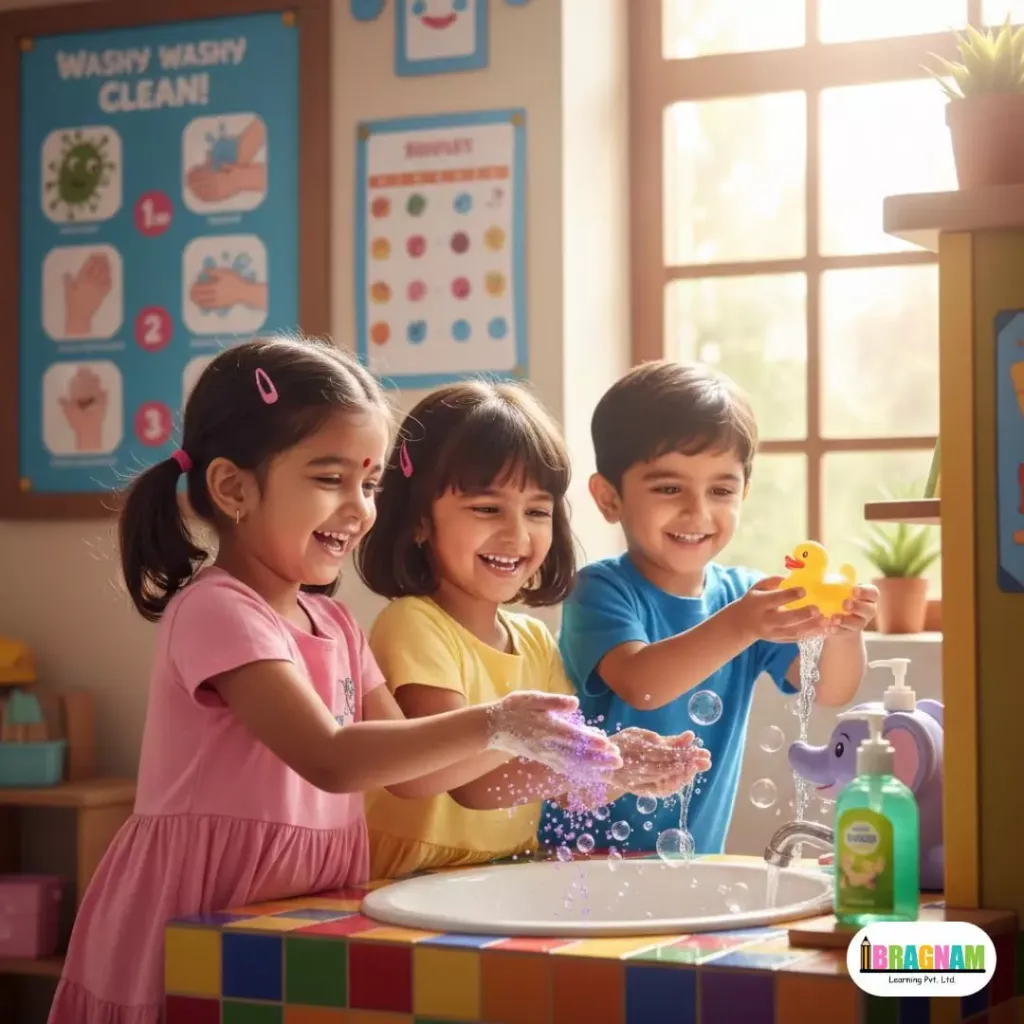
Handwashing keeps little ones healthy by removing germs that cause illnesses like colds and tummy bugs. Turning it into a playful routine makes kids excited to scrub away dirt. This guide shares engaging ways to make handwashing a daily adventure.
- Why Handwashing Matters for Kids
- Proper Handwashing Steps
- Fun Ways to Make It Exciting
- Songs and Rhymes for Timing
- Montessori-Inspired Activities
- When to Wash Hands
- FAQ
- How long should kids wash hands?
- What if no soap or water?
- Why use soap, not just water?
- Best songs for handwashing?
- How to teach preschoolers?
- Conclusion
Why Handwashing Matters for Kids
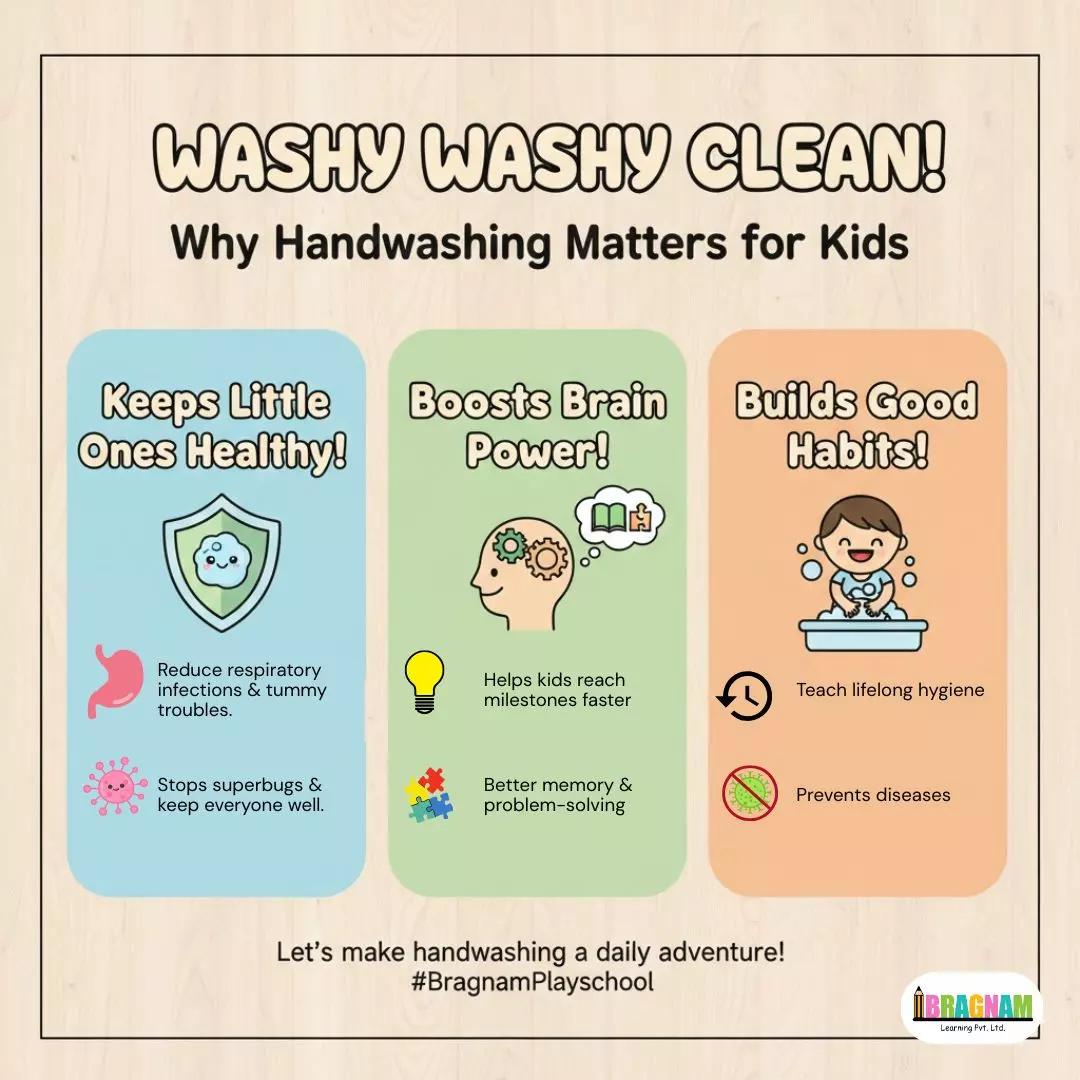
Proper handwashing cuts diarrhea by half in young children and boosts development in areas like cognition. Germs spread easily through touch, especially in playschools where kids play closely. Teaching it early builds lifelong hygiene habits that prevent diseases.
- Reduces respiratory infections and tummy troubles.
- Stops superbugs and keeps everyone well.
- Helps kids reach milestones faster, like better memory and problem-solving.
Proper Handwashing Steps
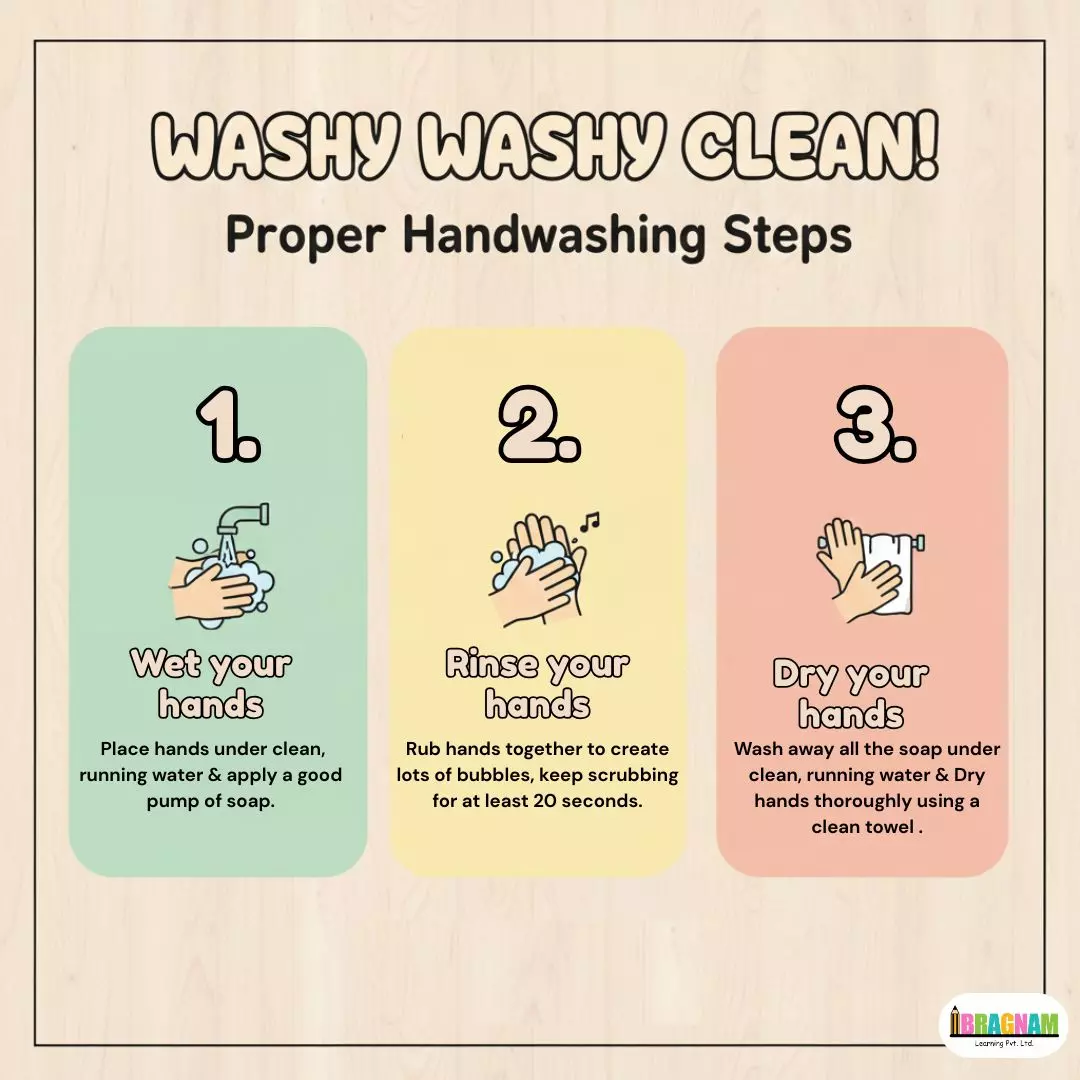
Follow these CDC-recommended steps to clean hands effectively. Wet hands with clean water, add soap, and lather for 20 seconds—long enough to sing “Happy Birthday” twice. Rinse well and dry with a towel.
- Wet hands under running water (warm or cold).
- Apply soap and lather backs, palms, fingers, and nails.
- Scrub 20 seconds.
- Rinse thoroughly.
- Dry with a clean towel; use it to turn off the faucet.
If soap isn’t available, use sanitizer with 60% alcohol.
Fun Ways to Make It Exciting
Turn chore into cheer with these preschool-friendly ideas. Use colorful, scented soaps shaped like animals to draw kids in. Games keep them scrubbing longer without reminders.
- Glitter Germs: Rub glitter on hands; challenge kids to wash it all off. Shows how soap repels germs visually.
- Pepper Experiment: Pepper floats on water like germs; soap makes it scatter. Mind-blowing science at home.
- Blow Bubbles: Pump extra soap for bubbles while lathering. Turns washing into playtime.
- Toy Wash: Let kids wash a rubber ducky with their hands. Rewards clean habits.
Songs and Rhymes for Timing
Songs ensure 20-second scrubs. “Wash Your Hands” by The Singing Walrus teaches steps with catchy chorus. Sing together for routine fun in playschools.
- Happy Birthday (twice): Classic timer.
- Twinkle Twinkle Little Star: Fun alternative.
- Custom lyrics: Adapt favorites to “Washy washy clean, scrub between!”
Play videos like CDC’s “Fight Germs” for visual demos.
Montessori-Inspired Activities
Montessori builds independence with hands-on washing stations. Set up a low sink, soap dispenser, and towel for self-care practice. Kids pour water, soap up, rinse, and dry step-by-step.
Incorporate sensory play:
- Frozen glove with “germs” (markers) to wash off.
- Handwashing chart with stickers for meals and playtime.
These match early childhood methods, fostering control and hygiene.
When to Wash Hands
Cue handwashing at key times to stop germ spread. Before eating, after potty, and post-outdoor play top the list. Make it a family or classroom habit.
- Before meals or snacks.
- After using the bathroom or changing diapers.
- After petting animals or blowing nose.
- Before and after doctor visits.
FAQ
How long should kids wash hands?
At least 20 seconds with soap, covering all surfaces.
What if no soap or water?
Use alcohol-based sanitizer (60%+ alcohol) if hands aren’t dirty.
Why use soap, not just water?
Soap breaks germ membranes; water alone misses most.
Best songs for handwashing?
Happy Birthday, Twinkle Twinkle, or Wash Your Hands by Singing Walrus.
How to teach preschoolers?
Use games like glitter germs and visual charts.
Conclusion
Handwashing protects health when made fun through games, songs, and experiments. Playschool pros know engaged kids stay cleaner longer. Try these today for healthier little ones.
Strong CTA: Share your favorite handwashing hack in comments or tag us on social! Enroll in our playschool for hygiene-focused learning— contact Bragnam


Leave A Comment