
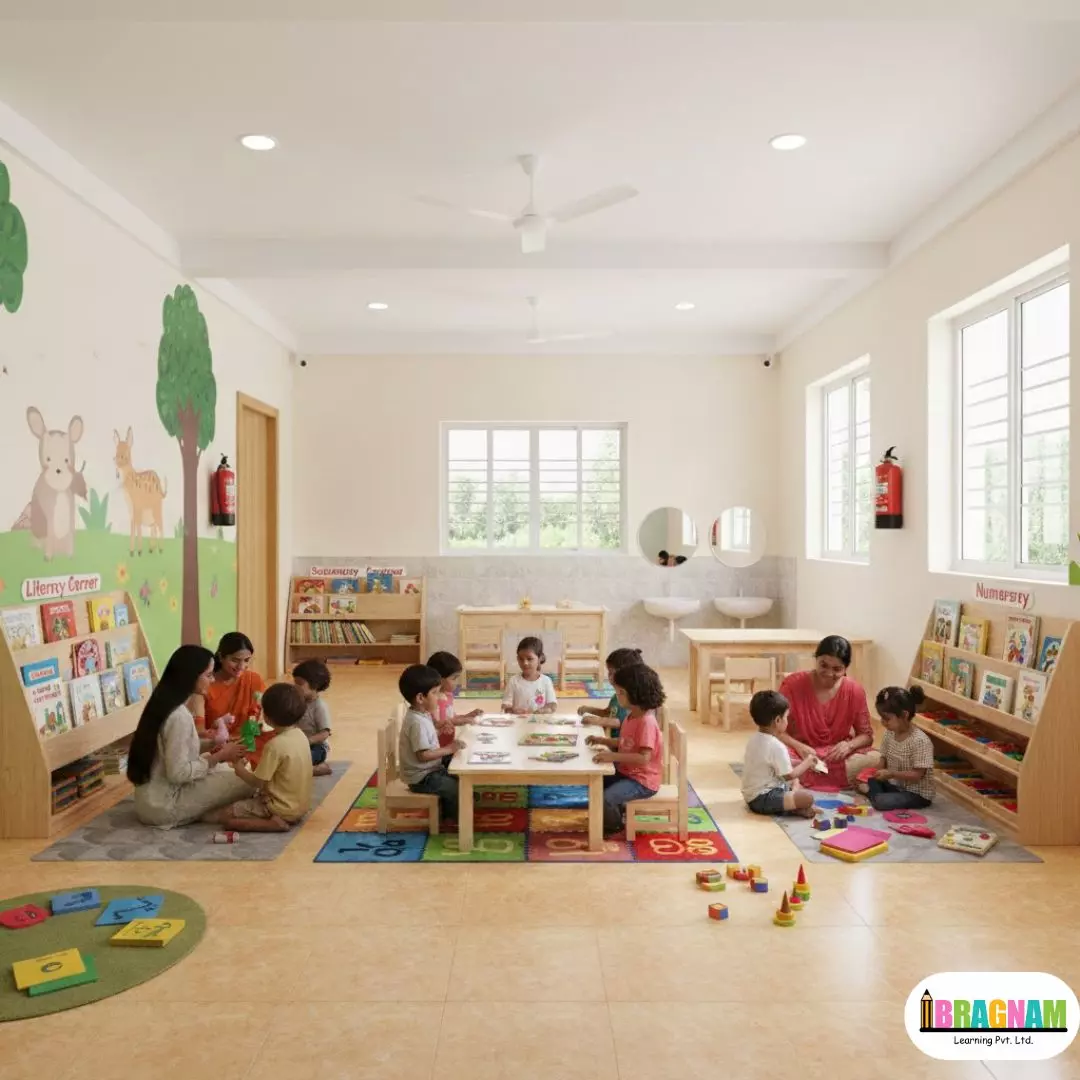
Upgrading your existing kindergarten is a smart move to keep pace with modern education trends, meet parent expectations, and provide a joyful, effective learning environment for young children. Whether you want to refresh your curriculum, improve classroom infrastructure, or embrace new teaching methods, a thoughtful upgrade can transform your kindergarten into a vibrant hub of learning and growth.
Why Upgrade Your Kindergarten
An upgraded kindergarten attracts more families, boosts student engagement, and helps your staff deliver better outcomes. Modern parents look for schools that combine safety, innovation, and holistic development. Upgrading allows you to:
- Stay competitive in a growing market.
- Meet evolving educational standards.
- Provide a safer, healthier, and more inspiring space for children.
Key Areas to Upgrade
1. Classroom Infrastructure
Modern kindergarten classrooms should be child-friendly, safe, and flexible. Consider:
- Ergonomic furniture that supports good posture and is adjustable for different ages.
- Rounded edges and non-toxic materials for safety.
- Modular designs that allow for easy reconfiguration and group activities.
- Green spaces and biophilic design elements like indoor plants and nature corners.
2. Curriculum Enhancement
A strong curriculum is the backbone of any kindergarten. Focus on:
- Play-based and experiential learning to foster creativity and curiosity.
- Social-emotional learning (SEL) activities to build confidence and empathy.
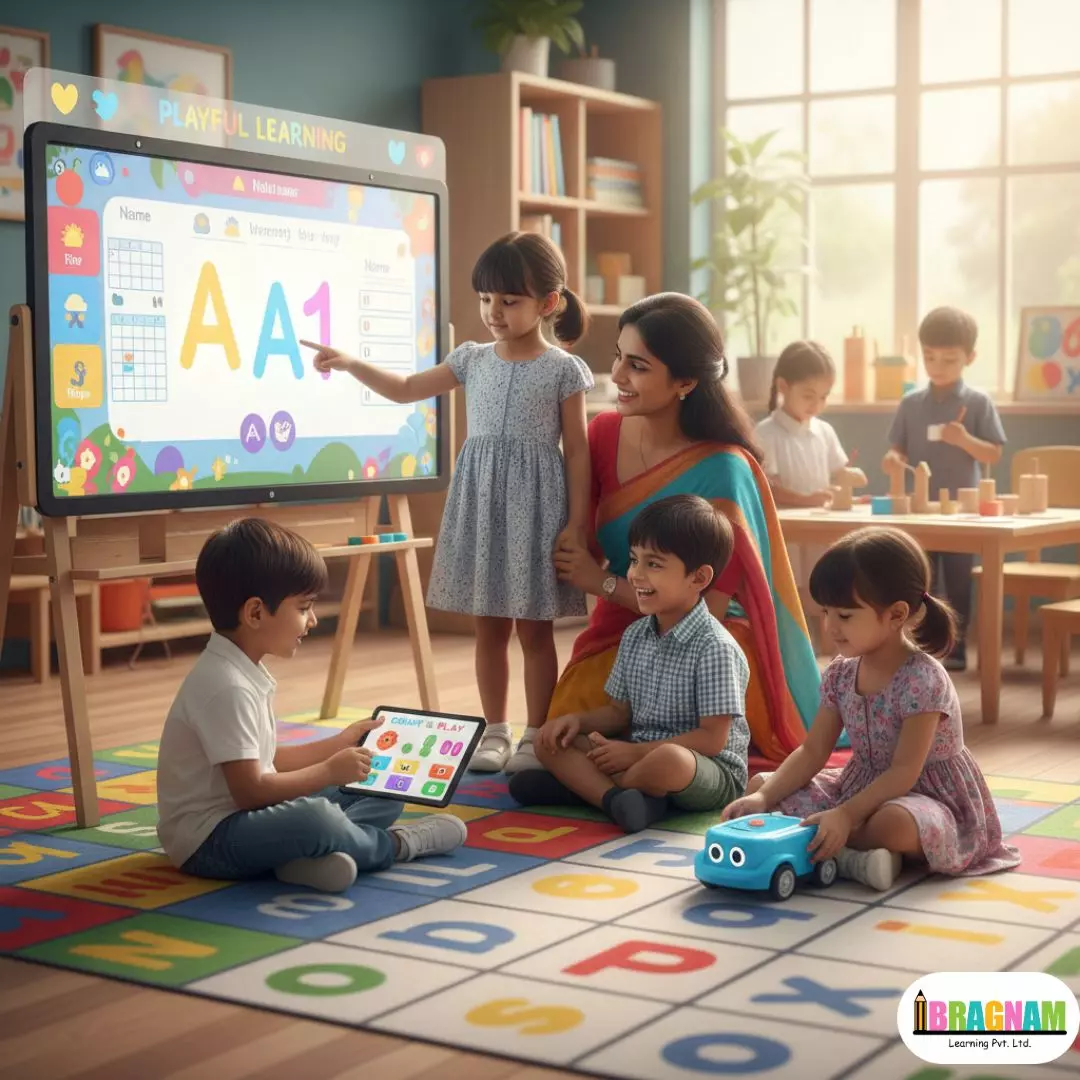
- Technology integration through interactive whiteboards, educational apps, and digital storybooks.
- Inclusion of multicultural stories and gender-sensitive materials.
3. Teacher Training and Support
Well-trained staff deliver the best outcomes. Invest in:
- Professional development programs for teachers and support staff.
- Training on new teaching strategies, classroom management, and SEL.
- Ongoing support for curriculum implementation and classroom observations.
4. Parental Engagement
Strong parent-school relationships are crucial. Ways to improve engagement include:
- Regular communication through apps, newsletters, or parent-teacher meetings.
- Transparent monitoring systems (e.g., live video feeds) for parents.
- Workshops and events to involve parents in their child’s learning journey.
5. Technology and Sustainability
Embrace technology and eco-friendly practices:
- Use digital administration platforms for efficient enrolment and attendance.
- Introduce AI-powered learning tools for personalized education.
- Adopt sustainable practices such as recycling, energy efficiency, and eco-friendly materials.
Practical Upgrade Strategies
- Conduct a classroom audit: Identify what needs updating—furniture, toys, equipment, or décor.
- Involve students and staff: Ask for feedback to understand what works and what doesn’t.
- Upgrade in phases: Prioritize critical areas first, then gradually update other elements.
- Create themed learning zones: Set up areas like a “Number Café,” “Science Lab,” or “Story Corner” to encourage exploration.
Modern Trends in Kindergarten Upgrades
- Biophilic design: Incorporate nature into classrooms for improved well-being.
- Flexible, multi-functional spaces: Allow for easy adaptation to different activities.
- Child-scaled design: Ensure all furniture and equipment are the right size for young learners.
- Outdoor learning: Add gardens, nature walks, and outdoor classrooms for holistic development.
FAQ Section
Q: What are the most important things to upgrade in a kindergarten?
A: Focus on infrastructure (furniture, safety), curriculum (play-based, SEL), teacher training, and parental engagement for a well-rounded upgrade.
Q: How can technology benefit a kindergarten?
A: Technology supports interactive learning, personalized education, and efficient administration, making the kindergarten experience more engaging and transparent.
Q: Is it necessary to involve children in the upgrade process?
A: Yes, student feedback helps create a classroom environment that meets their needs and encourages ownership of their learning space.
Q: How often should a kindergarten upgrade its infrastructure?
A: Major upgrades every 3–5 years are ideal, but minor improvements can be done annually to keep the environment fresh and safe.
Q: What are some cost-effective ways to upgrade a kindergarten?
A: Reorganize classroom layouts, repaint walls, add greenery, and introduce new learning zones without expensive renovations.



Leave A Comment