
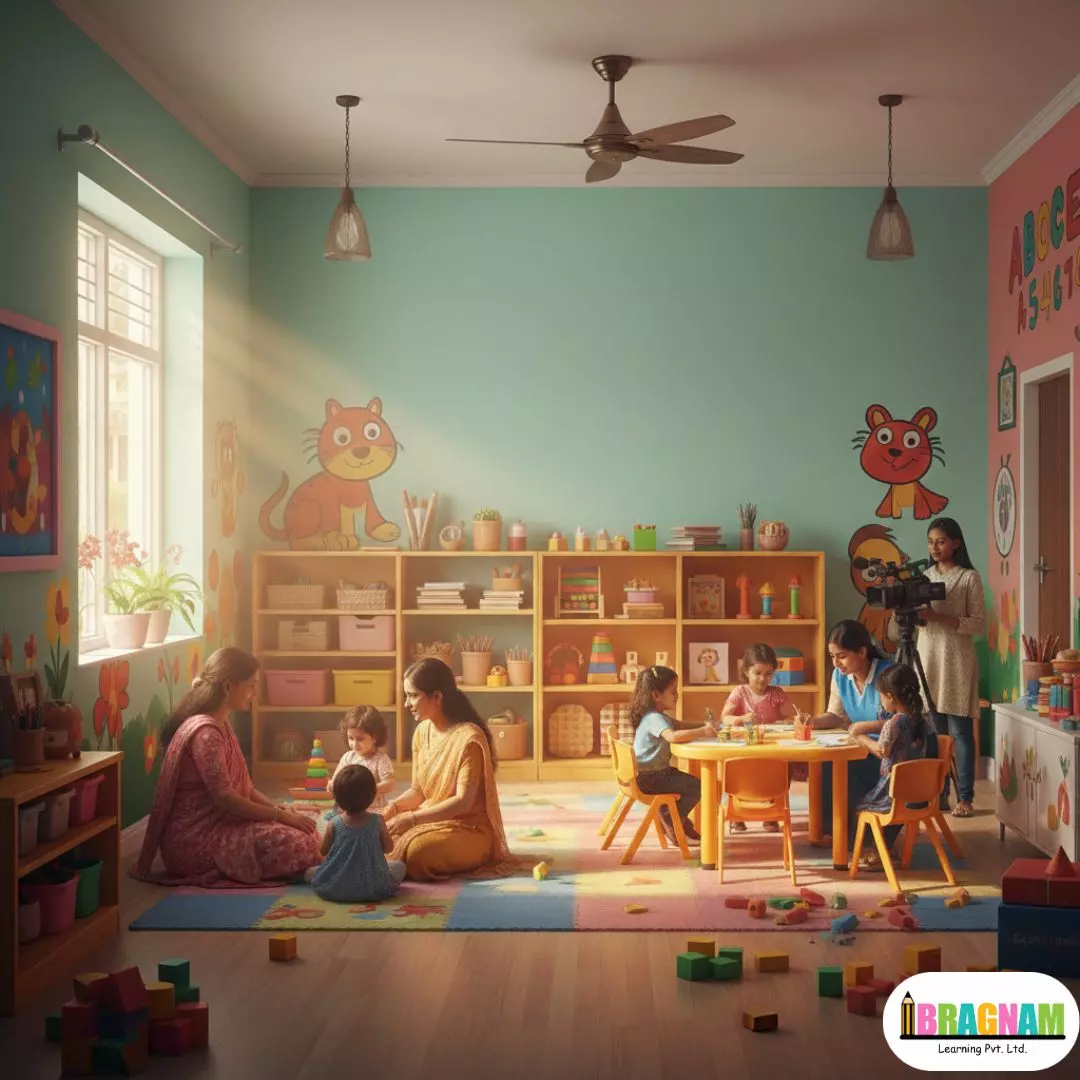
A playschool’s infrastructure is more than just walls and furniture—it’s the first impression parents and children get when they walk through your doors. A well-designed playschool not only ensures the safety and happiness of young learners but also helps attract more students by showcasing your commitment to quality and child development. In this guide, we’ll explore practical tips and strategies for designing playschool infrastructure that stands out and draws families to your institution.
- Why Playschool Infrastructure Matters
- Key Elements of Playschool Infrastructure
- 1. Safe and Spacious Classrooms
- 2. Engaging Outdoor Play Area
- 3. Creative Indoor Play Zones
- 4. Child-Friendly Restrooms and Facilities
- 5. Inclusive Design Features
- 6. Security and Safety Measures
- Design Tips for Attracting More Students
- 1. Focus on First Impressions
- 2. Emphasize Hygiene and Cleanliness
- 3. Create Themed Learning Spaces
- 4. Integrate Technology Wisely
- 5. Offer Parent-Friendly Amenities
- FAQ Section
- 1. What is the ideal playschool infrastructure size?
- 2. How can I make my playschool more attractive to parents?
- 3. What are the must-have safety features in a playschool?
- 4. Should I invest in indoor playgrounds?
- 5. How can I make my playschool more inclusive?
Why Playschool Infrastructure Matters
The physical environment of a playschool plays a crucial role in shaping a child’s early learning experience. A safe, stimulating, and welcoming infrastructure can foster creativity, curiosity, and social skills. Moreover, parents today look for preschools that offer more than just academics—they want vibrant, secure, and engaging spaces for their children.
Key Elements of Playschool Infrastructure
1. Safe and Spacious Classrooms
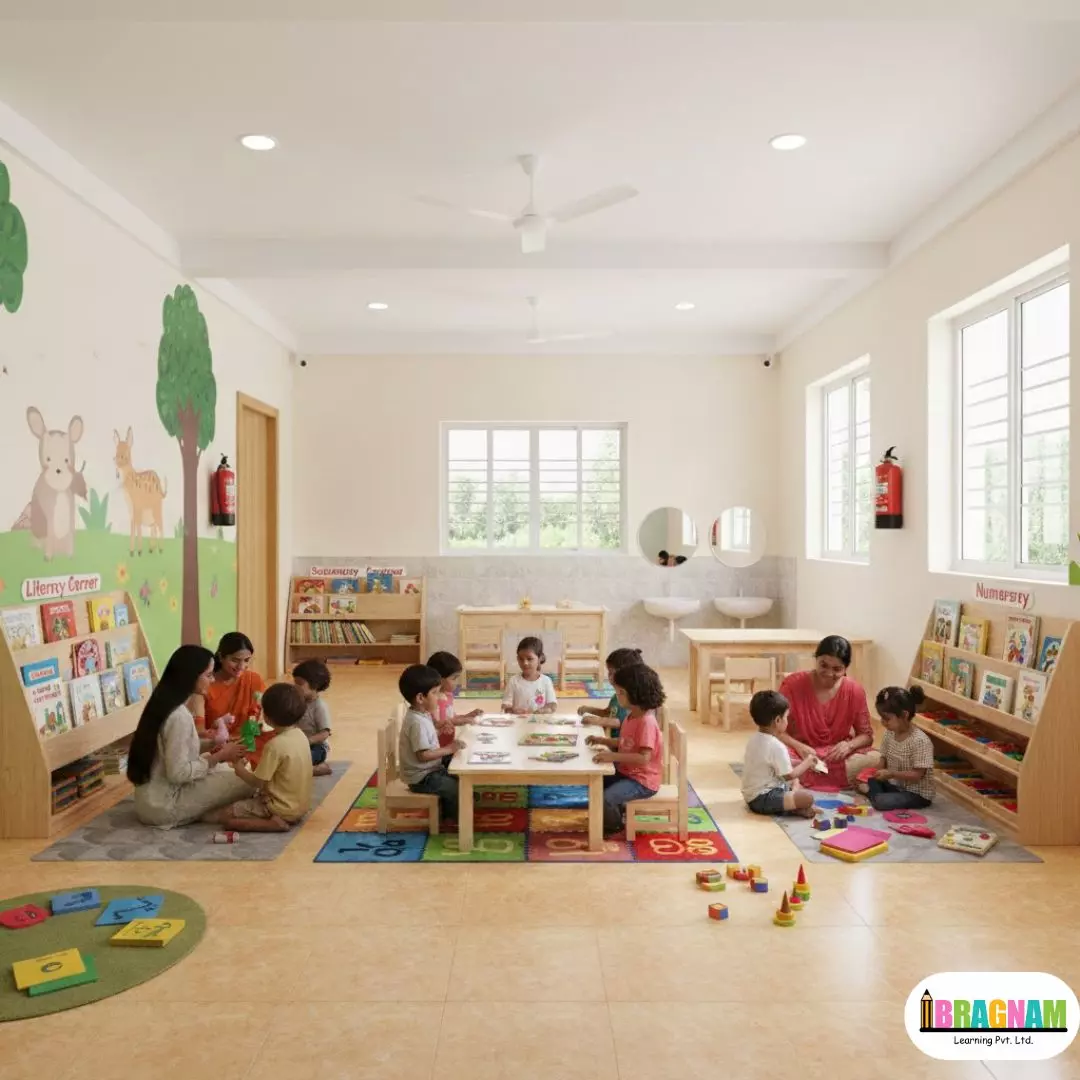
- Ensure classrooms are well-ventilated, brightly lit, and have enough space for movement.
- Use child-friendly furniture that is the right size and height for preschoolers.
- Incorporate flexible seating and learning zones to encourage group activities and independent play.
2. Engaging Outdoor Play Area
- Allocate at least 100 square feet of outdoor play space per child, as recommended by early childhood experts.
- Include a mix of sun and shade, sheltered spaces, and areas for solitary, small group, and quiet activities.
- Install age-appropriate play equipment such as slides, swings, climbers, tricycles, and sand/water play areas.
- Ensure easy access to the outdoor area from classrooms and toilets for convenience and safety.
3. Creative Indoor Play Zones
- Design indoor play areas with soft flooring and safety surfacing, especially under climbing and swinging equipment.
- Incorporate imaginative play spaces like pretend kitchens, dollhouses, and reading corners.
- Use vibrant colors and child-friendly decor to stimulate visual interest and creativity.
4. Child-Friendly Restrooms and Facilities
- Provide restrooms that are easily accessible, hygienic, and designed for young children.
- Ensure sinks, toilets, and hand dryers are child-sized and safe.
- Maintain cleanliness and regular maintenance schedules for all facilities.
5. Inclusive Design Features
- Install ramps and accessible pathways for children with disabilities.
- Add sensory panels and interactive elements to engage children with different learning needs.
6. Security and Safety Measures
- Install CCTV cameras, secure gates, and controlled entry points.
- Ensure all furniture and equipment meet safety standards and are regularly checked for wear and tear.
- Plan for emergency exits and conduct regular safety drills.
Design Tips for Attracting More Students
1. Focus on First Impressions
- A bright, colorful entrance with welcoming signage sets a positive tone.
- Display student artwork and achievements in common areas to showcase your school’s vibrant culture.
2. Emphasize Hygiene and Cleanliness
- Highlight your cleanliness protocols in marketing materials and during tours.
- Use non-toxic, eco-friendly materials for flooring, paint, and furniture.
3. Create Themed Learning Spaces
- Design classrooms with different themes (nature, animals, space) to keep children excited and engaged.
- Rotate themes periodically to maintain novelty and interest.
4. Integrate Technology Wisely
- Use interactive whiteboards and educational apps to supplement traditional learning.
- Ensure technology is age-appropriate and does not replace hands-on play.
5. Offer Parent-Friendly Amenities
- Provide comfortable waiting areas, Wi-Fi, and clear communication boards for parents.
- Share daily updates through digital platforms to keep parents informed and involved
FAQ Section
1. What is the ideal playschool infrastructure size?
The ideal size depends on the number of children, but a minimum of 100 sq ft per child for outdoor play and spacious, well-ventilated classrooms are recommended.
2. How can I make my playschool more attractive to parents?
Focus on safety, cleanliness, vibrant decor, and engaging play areas. Highlight these features in tours and marketing materials.
3. What are the must-have safety features in a playschool?
Secure gates, child-sized restrooms, safety surfacing, emergency exits, and regular equipment checks are essential.
4. Should I invest in indoor playgrounds?
Yes, indoor playgrounds provide year-round play opportunities and are especially useful in extreme weather. Use safety surfacing and age-appropriate equipment.
5. How can I make my playschool more inclusive?
Include ramps, wide pathways, sensory panels, and varied play options to accommodate children of all abilities.



Leave A Comment