
- Introduction: Turning Cold Days into Magic
- Benefits of Winter Play for Kids
- Outdoor Winter Wonderland Fun
- Simple Snowy Adventures
- Movement Games in the Snow
- Indoor Winter Wonderland Activities
- Cozy Crafts and Creative Play
- Indoor Movement and Gross Motor Fun
- Safety Tips for Winter Play
- Winter Wonderland Ideas for Preschools and Playschools
- Conclusion: Make Winter Your Child’s Favorite Season
- FAQs: Winter Wonderland Fun Activities for Kids
Introduction: Turning Cold Days into Magic
When temperatures drop, many parents worry that children will be “stuck” indoors and glued to screens, but winter can actually be one of the most playful, imaginative seasons of the year. With the right winter wonderland fun activities for kids, you can create routines that boost immunity, build resilience, and keep little ones learning through play.
Winter-themed games, crafts, and outdoor experiences help children strengthen their muscles, practice problem-solving, and develop social skills as they play with siblings and friends. The key is offering a mix of indoor and outdoor options so families can choose what works best for the weather and their child’s energy level each day.
Benefits of Winter Play for Kids
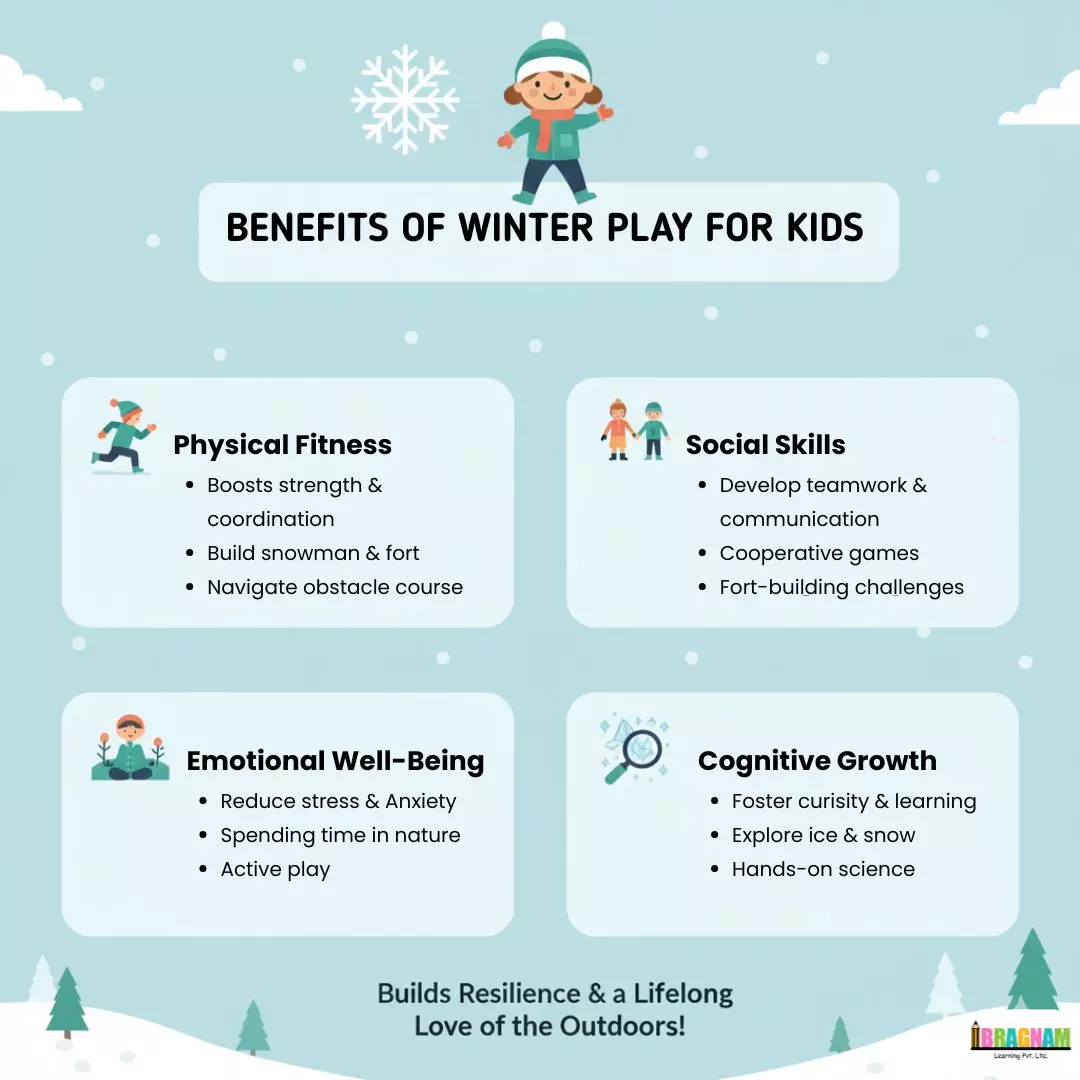
Cold-weather activities are about much more than “passing time”; they play a real role in holistic child development.
- Physical fitness: Building snowmen, running through parks, or navigating indoor obstacle courses all improve strength, coordination, and balance.
- Emotional well-being: Time in nature and active play reduce stress and anxiety, helping children regulate big feelings more effectively.
- Social skills: Cooperative games, fort-building, and team challenges encourage communication, turn-taking, and problem-solving with peers
- Cognitive growth: Exploring ice, snow, and seasonal changes gives children hands-on science experiences that build curiosity and critical thinking.
Embracing winter as a season of exploration rather than something to “get through” helps children build resilience and a lifelong love of the outdoors.
Outdoor Winter Wonderland Fun
When the weather is safe, stepping outside can transform an ordinary day into a magical winter wonderland for kids.
Simple Snowy Adventures
Even a small outdoor space can host plenty of winter play ideas.
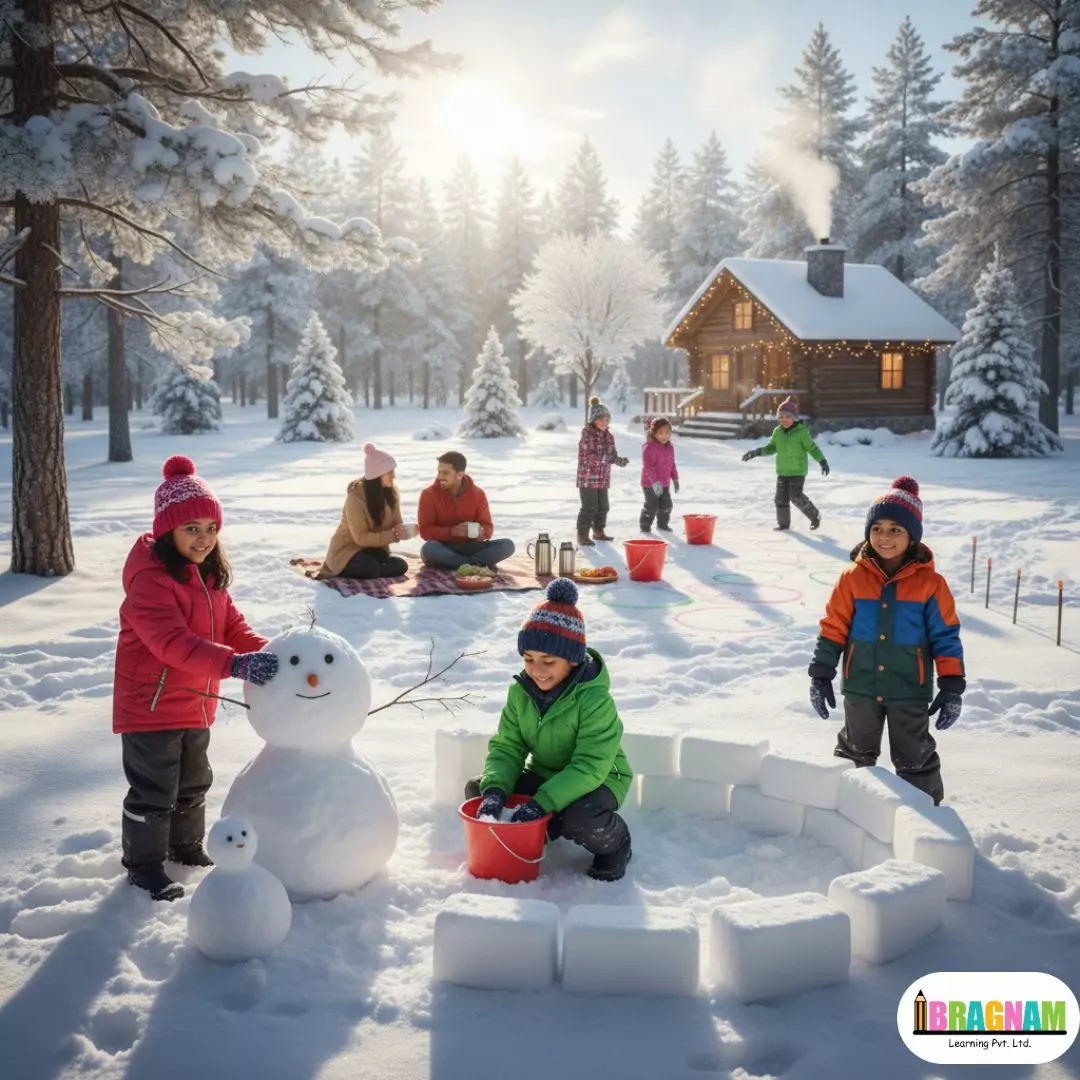
- Build a snow family: Invite children to roll different-sized snowballs, stack them, and decorate with natural materials like twigs and pinecones.
- Snow fort or castle building (with safety rules): Use buckets or plastic containers to pack “snow bricks” and create low, open structures for imaginative play.
- Winter nature walk: Go for a slow walk to look for animal tracks, frost patterns, and winter birds, encouraging children to describe what they see, hear, and feel.
- Sunlit winter picnic: On milder days, spread a blanket in a park, sip warm soup or cocoa, and let kids run and play between bites.
These activities keep children moving, which supports cardiovascular health while also feeding their sense of wonder.
Movement Games in the Snow
Structured games can make winter exercise feel like an adventure.
- Snow target toss: Shape soft snowballs and aim them at targets like buckets or chalk circles on the ground, focusing on accuracy, not hitting people.
- Follow-the-leader tracks: One child leads while others step into their footprints, practicing balance and coordination on snow or frost.
- Winter obstacle trail: Use cones, sticks, or natural landmarks to create a path where kids jump, hop, tiptoe, and crawl through the snow.
Games like these improve gross motor skills and body awareness, often without children realizing how much exercise they are getting.
Indoor Winter Wonderland Activities
On very cold, wet, or polluted days, indoor winter wonderland fun activities for kids keep them upbeat and engaged without needing to step outside.
Cozy Crafts and Creative Play
Winter crafts double as quiet-time activities and fine-motor workouts.
- Snowflake art: Children can cut simple paper shapes (with support) and decorate with crayons, cotton, or glitter to explore symmetry and patterns.
- Winter sensory bins: Fill tubs with cotton balls, rice, or pasta and add scoops, toy animals, and “ice cubes” for scooping, pouring, and imaginative stories.
- DIY winter storybooks: Encourage children to draw a snow-day adventure and dictate the story while an adult writes their words, blending literacy with creativity.
These activities support creativity, hand–eye coordination, and early language skills in a calm, enjoyable way.
Indoor Movement and Gross Motor Fun
Even inside, children need chances to stretch, jump, and use their big muscles.
- Indoor obstacle course: Arrange cushions, chairs, tunnels made from blankets, and taped “balancing lines” to create a safe challenge path.
- Dance party in the “snow”: Play winter songs and let children dance with scarves or ribbons, pretending they are snowflakes swirling in the wind.
- Yoga and stretching: Simple animal poses, “ice skater” lunges, and breathing exercises help children strengthen their bodies and calm their minds.
Indoor movement not only burns energy but also improves focus and mood for the rest of the day.
Safety Tips for Winter Play
To keep winter wonderland fun activities for kids safe, a few simple guidelines go a long way.
- Dress in layers: Start with moisture-wicking clothing, add warm layers, and top with a waterproof jacket, mittens, and boots.
- Protect “cold zones”: Ensure ears, nose, fingers, and toes are covered because these areas are more prone to frostbite.
- Set time limits: Plan regular warm-up breaks indoors to prevent hypothermia and overexposure to cold.
- Choose safe play areas: Keep children away from roads, snowbanks, and snowplows; opt for clear, open spaces instead.
- Hydrate and fuel: Offer water and healthy snacks because children burn energy faster in cold temperatures.
Following these precautions allows families to enjoy the magic of winter while minimizing risk.
Winter Wonderland Ideas for Preschools and Playschools
Early years settings can turn their campuses into seasonal learning labs with a few thoughtful setups.
- Winter-themed learning centers: Set up corners for sensory play, art, pretend “winter café,” and science exploration with ice and water.
- Group outdoor sessions: Short, supervised outdoor playtimes with clear rules for clothing and safety help children build healthy cold-weather habits.
- Integrated curriculum: Link winter stories, songs, counting games, and craft projects so children meet academic goals through seasonal play.
Communicating these ideas with parents encourages them to continue similar activities at home, strengthening home–school partnerships.
Conclusion: Make Winter Your Child’s Favorite Season
Winter wonderland fun activities for kids show children that every season offers something special to explore, learn, and enjoy. With a mix of outdoor adventures, indoor creativity, and a few simple safety rules, families and educators can turn chilly days into cozy, joy-filled experiences that children remember for years.
Encourage your child to jump into the magic of winter—layer up, step outside (or get creative indoors), and let imagination lead the way.
FAQs: Winter Wonderland Fun Activities for Kids
1. What are some easy winter wonderland activities for toddlers?
Simple activities like sensory bins with cotton “snow,” water play with floating ice cubes, and short outdoor walks to feel the cold air are perfect for toddlers. Always keep sessions short, supervised, and focused on exploring textures and simple movements.
2. How can I keep my child active indoors during winter?
Create an indoor obstacle course, hold daily dance breaks, and use simple yoga or stretching routines to keep your child moving. Rotating these options across the week prevents boredom and supports healthy sleep patterns.
3. Are outdoor winter activities safe for young children?
Yes, outdoor winter play is safe when children are dressed warmly in layers, kept dry, and given regular warm-up breaks. Choosing safe play areas away from roads, snowbanks, and snow-clearing equipment is essential.
4. How does winter play support my child’s development?
Winter activities strengthen muscles, improve balance, and build cardiovascular fitness through running, climbing, and exploring. They also support creativity, problem-solving, and emotional resilience as children adapt to new sensations and environments.
5. What if there is no snow where we live?
You can still create a winter wonderland at home with cotton “snow,” ice cube experiments, winter-themed storytime, and outdoor nature walks in the cool air. Focus on the feelings of the season—coziness, exploration, and togetherness—rather than snow itself.



Leave A Comment