
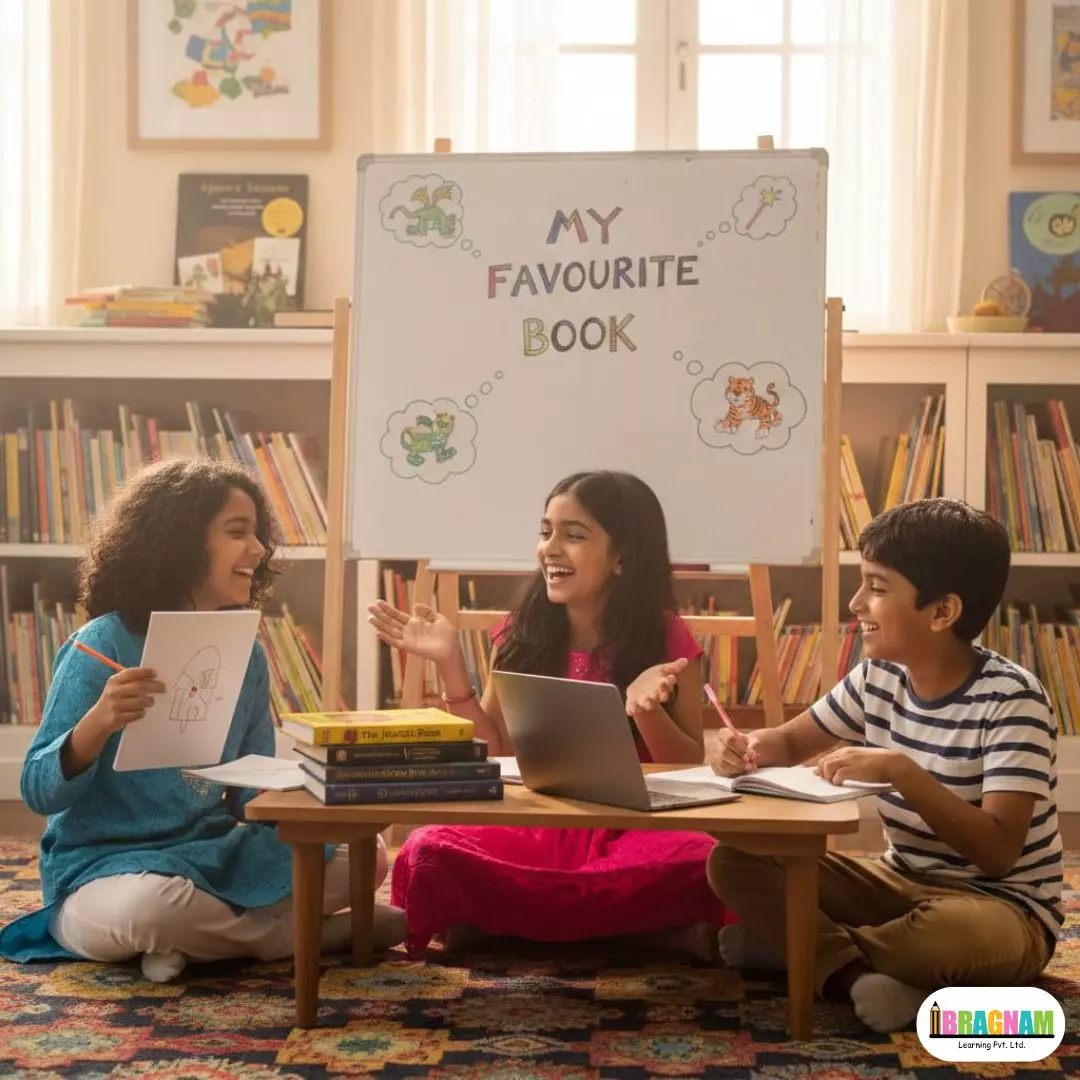
Writing about “my favourite book” is a joyful exercise for children, helping them reflect on what they read, describe plot and characters, and express why a story stayed with them. Not only does this promote reading comprehension and clear expression, but it also lays the foundation for a lifelong love of books and stories.
- Why Writing About a Favourite Book Matters
- How to Write About Your Favourite Book
- 1. Choose Your Book
- 2. Write a Brief Introduction
- 3. Describe the Plot (Without Spoilers!)
- 4. Talk About the Characters
- 5. Share Why You Love It
- 6. Conclude With a Recommendation
- Sample: A Child’s Essay on Their Favourite Book
- Benefits of Writing About a Favourite Book
- Tips for Parents and Teachers
- List: Prompts to Get Children Started
- Imagination Beyond the Page
- Frequently Asked Questions
- 1. Why should children write about their favourite books?
- 2. How does writing about a favourite book help with language development?
- 3. What should be included in a “my favourite book” essay for kids?
- 4. How can parents help children with this activity?
- 5. Which books are popular choices among children for such essays?
- Conclusion
Why Writing About a Favourite Book Matters
Encouraging children to write about their favourite book fosters multiple skills:
- Reading comprehension improves as children recall and retell a story.
- Critical thinking gets a boost while identifying the most memorable characters and events.
- Language development is enhanced as children use new words and phrases picked up from their books.
- Expression of feelings grows as kids share personal views about what they loved.
Children who can write about what they’ve read are more likely to enjoy reading and continue it as a habit.
How to Write About Your Favourite Book
1. Choose Your Book
Ask yourself:
- Which book made you laugh, think, or feel inspired?
- Did you have a favourite character you still remember?
2. Write a Brief Introduction
Begin your essay or article by introducing the title and author, and why you picked this particular book.
Example:
“My favourite book is ‘The Jungle Book’ by Rudyard Kipling. This magical story of a boy in the wild taught me about courage, friendship, and adventure.”
3. Describe the Plot (Without Spoilers!)
- Summarize what the story is about.
- Focus on the main conflict and how the plot develops.
- Avoid revealing the ending, as others might want to read the book too!
4. Talk About the Characters
- Who are the heroes and villains?
- What makes your favourite character special?
- Did you learn anything from them?
5. Share Why You Love It
This is where you get personal:
- Did you relate to the main character?
- Did the story teach you an important lesson?
- Is there a scene or chapter you always remember?
6. Conclude With a Recommendation
Encourage others to read the book, and mention for whom it might be a good fit (e.g., adventure lovers, animal fans, mystery seekers).
Sample: A Child’s Essay on Their Favourite Book
“My favourite book is ‘Harry Potter and the Sorcerer’s Stone’ by J.K. Rowling. I love this book because it takes me to a magical world of adventure, bravery, and lasting friendship. The main character, Harry, is brave and kind, and together with his friends Ron and Hermione, he faces many challenges. I enjoy the book because every page is full of surprises and the importance of being honest and caring. This story inspires me to believe in magic and always stand by my friends.”
Benefits of Writing About a Favourite Book
Children gain:
- Better writing skills by practicing description and sequencing.
- Vocabulary growth as they use words from books and try new expressions.
- Confidence in sharing personal opinions and reflections.
Tips for Parents and Teachers
- Encourage kids to read varied genres – fairy tales, adventures, mysteries, and biographies.
- Use prompts or printable templates to help kids organize their thoughts.
- Discuss stories together to further deepen understanding.
- Praise original ideas and personal reflections, not just ‘bookish’ answers.
List: Prompts to Get Children Started
- What is the title and who is the author?
- Who is your favourite character and why?
- Which part of the story did you like the most?
- Would you like to meet any character? Why?
- Would you recommend this book to your friends?
Imagination Beyond the Page
A good book doesn’t end when the last chapter is read. Children are inspired to imagine, create, and even write their own stories, bringing characters to life in new adventures or even inventing brand-new worlds. Encouraging book reviews and essays can be the beginning of a creative writing journey.
Frequently Asked Questions
1. Why should children write about their favourite books?
Writing improves reading comprehension, encourages creative thinking, and makes reading more meaningful for children.
2. How does writing about a favourite book help with language development?
It exposes children to new vocabulary, sentence structures, and ways of expressing thoughts, enriching their language skills.
3. What should be included in a “my favourite book” essay for kids?
Include the book’s title, author, a brief story summary, details about the favourite characters, and reasons for loving the book.
4. How can parents help children with this activity?
Parents can discuss books with their children, provide writing prompts, and praise efforts to build confidence.
5. Which books are popular choices among children for such essays?
Books like “Harry Potter,” “The Jungle Book,” and fairy tales such as “Cinderella” and “The Lion King” are perennial favourites.
Conclusion
Having children write about “my favourite book” is a powerful way to blend reading, writing, and self-expression. This activity not only unlocks creativity but improves vital skills, builds confidence, and grows a love of reading that can last a lifetime. So encourage your child to pick their favourite book today, put pen to paper, and start a wonderful journey of imagination and discovery. Share your own favourite book in the comments or try one of our creative writing exercises now!



Leave A Comment