
- Building a Love for Reading: Tips for Playschools
- Why Building a Love for Reading Matters
- Creating a Reading-Friendly Environment
- Making Reading a Daily Habit
- Choosing Engaging and Interactive Books
- Making Storytime Fun and Participatory
- Integrating Reading into Everyday Activities
- Being a Reading Role Model
- Limiting Screen Time and Prioritizing Books
- Nurturing a Love for Reading Beyond the Classroom
- Conclusion
- Frequently Asked Questions (FAQs)
Building a Love for Reading: Tips for Playschools
Fostering a passion for stories is one of the most meaningful gifts a playschool can give to young children. Building a love for reading not only jumpstarts language development but also sparks creativity, strengthens cognitive skills, and plants the roots for lifelong learning. With engaging teaching strategies and a nurturing environment, playschools can help children grow into confident readers—eager to explore the infinite world of books.
Why Building a Love for Reading Matters
Reading for pleasure at an early age is closely linked with future educational success and emotional growth. Children who enjoy reading are more likely to become critical thinkers, excellent communicators, and active learners. Playschools set the stage for these outcomes by prioritizing reading as both a purposeful and joyful activity.
Creating a Reading-Friendly Environment
Children thrive in spaces that invite curiosity. Playschools can inspire young readers by:
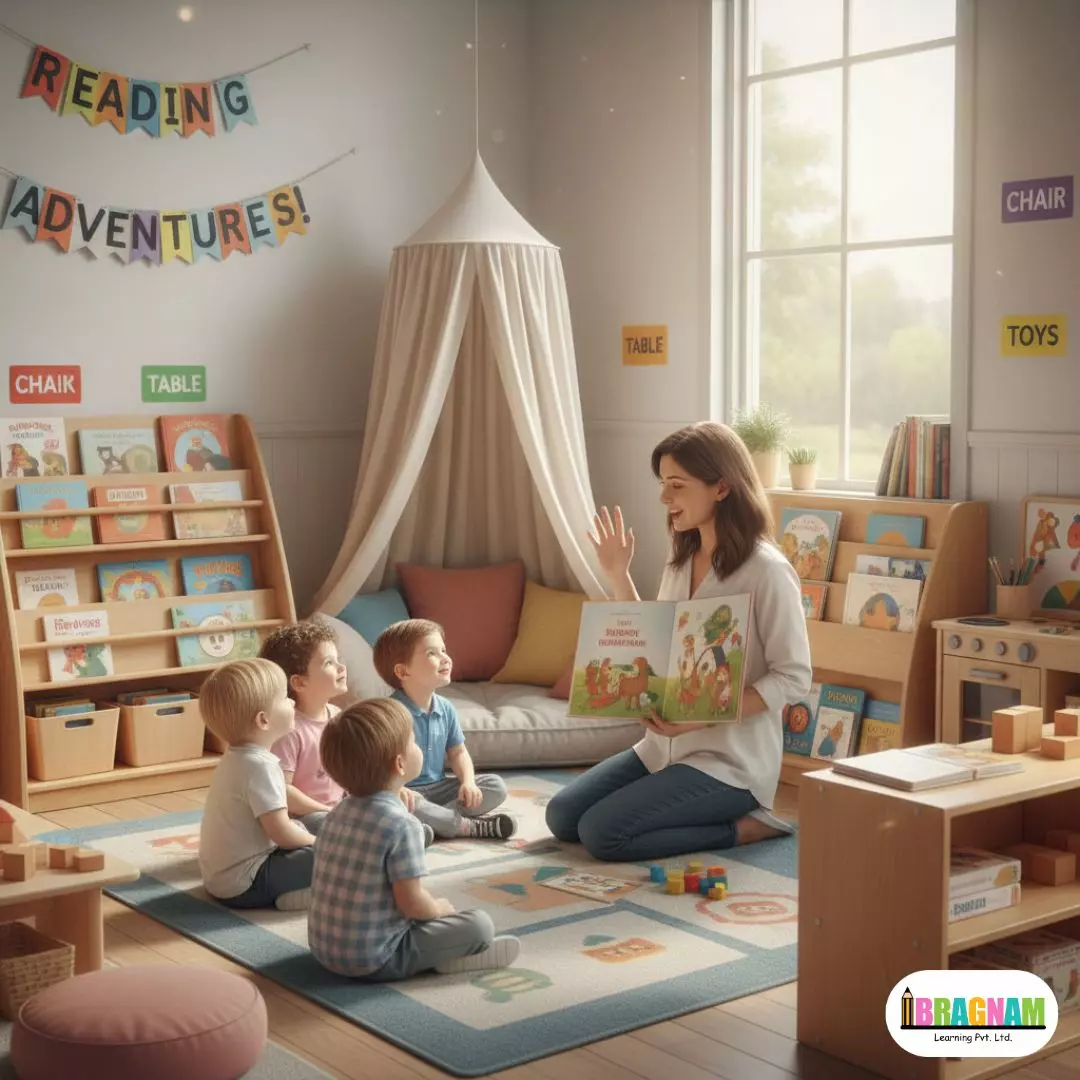
- Designing cozy reading nooks with cushions, soft lighting, and shelves at child-height.
- Rotating a diverse range of storybooks, board books, and picture books to maintain fresh appeal.
- Displaying books in multiple corners to integrate reading into different play zones.
A classroom filled with engaging books fuels exploration and positive associations with reading.
Making Reading a Daily Habit
Consistency is key to building a love for reading. Playschools should:
- Schedule dedicated storytime every day, beyond just routine lessons.
- Encourage reading during free play and quiet time, nurturing an association between relaxation and books.
- Reinforce the message that reading can happen anytime, anywhere—before nap, after snack, or at circle time.
Choosing Engaging and Interactive Books
Not all books intrigue every child, so variety matters. Key points include:
- Selecting vibrant, age-appropriate books with captivating illustrations.
- Offering interactive options like lift-the-flap, touch-and-feel, or sound books.
- Inviting children to choose books based on their own interests—animals, fairy tales, trucks, or adventure stories—boosting motivation and autonomy.
Making Storytime Fun and Participatory
Active involvement turns routine reading into memorable adventures. Playschools can:
- Use dynamic expressions, gestures, and voices to bring characters to life.
- Ask questions before, during, and after reading—“Who do you think will help the duckling?” or “What would you do if this happened?”—to stimulate imagination and verbal skills.
- Act out scenes or encourage drawing and retelling, making storytime multi-sensory.
Integrating Reading into Everyday Activities
The world is full of words waiting to be discovered. Playschools should:
- Label classroom objects, toys, and cubbies to blend sight words with daily routines.
- Incorporate books into role-play spaces, like kitchen corners with “recipe” books, or construction zones with picture manuals.
- Encourage emergent reading—children “reading” familiar books or environmental print (signs, logos)—to build confidence and print awareness.
Being a Reading Role Model
Children emulate the adults around them. Playschool educators and caregivers can:
- Demonstrate their own love for reading by sharing what they’re enjoying (e.g., “I’m reading a new fairy tale!”).
- Participate in storytime themselves, not just as teachers but as fellow readers.
- Celebrate “reading days,” author birthdays, or book sharing events to create community excitement around books.
Limiting Screen Time and Prioritizing Books
In today’s digital age, it’s easy for screens to overshadow books. Playschools can:
- Create tech-free zones and encourage families to set screen limits at home.
- Introduce digital books judiciously, using them as occasional supplements—not replacements—for physical book experiences.
Nurturing a Love for Reading Beyond the Classroom
Building a love for reading extends beyond school hours. Playschools can support parents by:
- Communicating reading tips for home—like sharing bedtime stories, regular library visits, and letting children see their parents read.
- Sharing book lists, storytelling videos, or simple craft ideas related to favorite stories.
- Hosting take-home book bags or parent-child reading sessions to bridge classroom and home literacy experiences.
Conclusion
Building a love for reading in playschools is a joyful, shared journey that shapes children’s futures. By creating inviting spaces, choosing engaging stories, modeling positive attitudes, and making reading part of daily life, playschools empower children to see books as lifelong friends. Start building a culture of reading today—and watch every child’s imagination soar.
Frequently Asked Questions (FAQs)
1. Why is it important to build a love for reading in playschools?
Early enjoyment of reading lays the groundwork for academic success, imagination, and lifelong curiosity. Playschools make reading appealing and accessible during children’s formative years.
2. How can teachers make storytime more engaging?
Teachers can use expressive voices, facial expressions, props, and invite children to act out scenes or predict what happens next, making reading a dynamic experience.
3. What types of books work best for young children?
Interactive books—board books, lift-the-flap, touch-and-feel, rhyming stories, and those with colorful illustrations—are ideal for engaging young readers.
4. How can reading be included in everyday activities?
Label classroom items, encourage “reading” environmental print, and involve books in role-play to weave literacy naturally into the day.
5. How should playschools address screen time?
Playschools should set boundaries on device use, advocate tech-free reading zones, and reinforce the value of physical books for comprehension and engagement.



Leave A Comment