
Arts and Crafts: Showcasing Creative Projects and Their Benefits for Child Development
Introduction
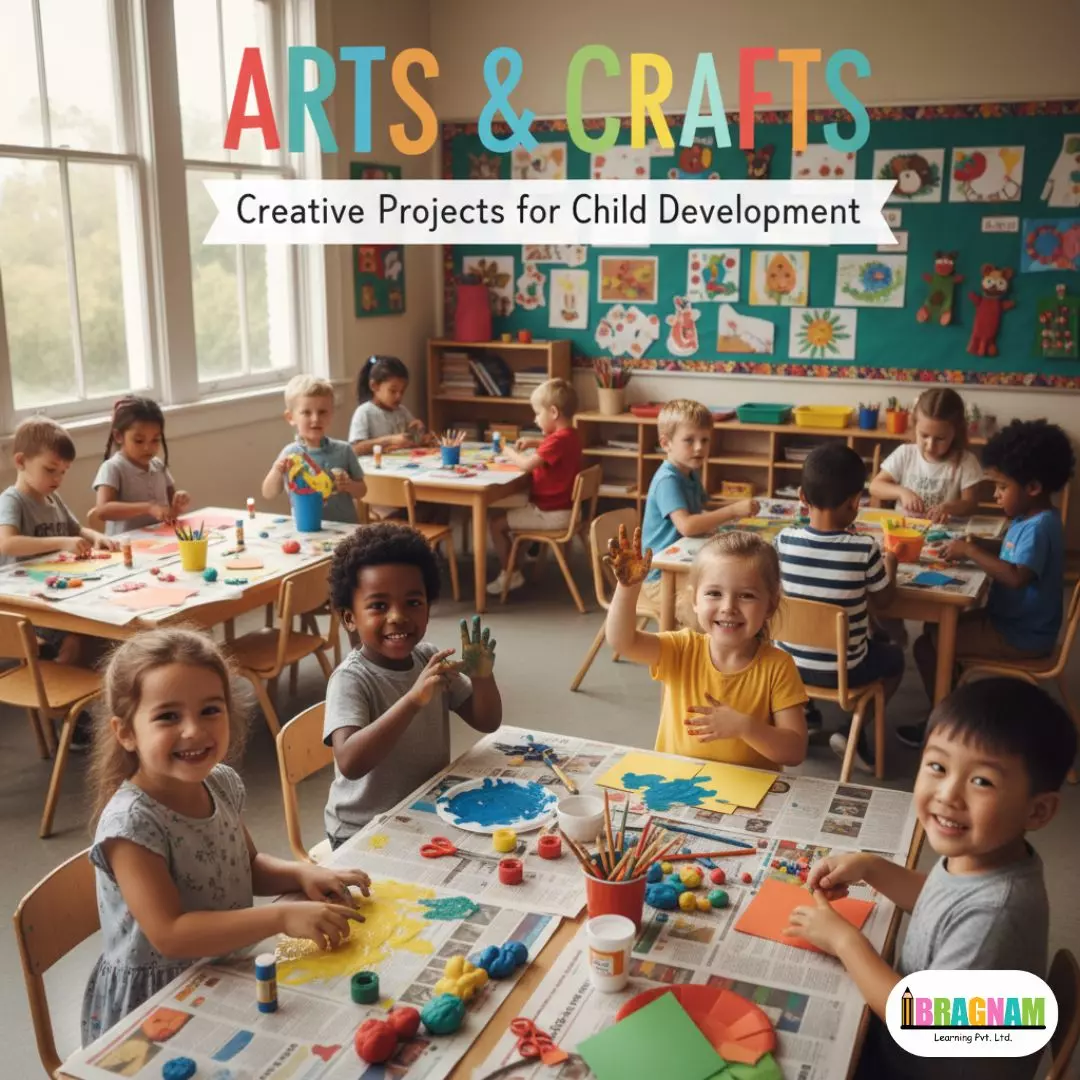
Arts and crafts are more than just fun classroom activities — they are essential tools that nurture imagination, emotional expression, and developmental growth in young children. Whether it’s painting, paper folding, or clay modeling, arts and crafts give children the freedom to explore, experiment, and express themselves in unique ways.
At Balvatika Preschool, we believe that creativity forms the foundation of learning. Every glue stick, crayon, and paintbrush helps shape not only art skills but also vital cognitive and social abilities.
In this blog, we’ll explore how arts and crafts projects boost child development, inspire creativity, and contribute to early learning success.
The Importance of Arts and Crafts in Early Childhood
1. Enhancing Fine Motor Skills
When children use scissors, hold crayons, or mold clay, they strengthen the small muscles in their hands and fingers. These fine motor skills are crucial for later tasks such as writing, tying shoelaces, and buttoning clothes.
Simple craft activities like cutting, gluing, and coloring significantly improve coordination and dexterity.
2. Encouraging Creativity and Imagination
Arts and crafts encourage kids to think beyond boundaries. When a child paints the sky pink or draws a green sun, it’s not a mistake—it’s creative freedom. These experiences build confidence and imagination, which later enhance problem-solving and innovation skills.
3. Boosting Cognitive Development
Through creative projects, children learn about colors, shapes, patterns, and sizes. They begin to understand sequencing (step-by-step processes) and develop planning and organization skills.
For example:
Mixing colors helps them understand cause and effect.
Following craft instructions improves memory and comprehension.
4. Supporting Emotional Expression
Arts and crafts offer children a safe outlet to express feelings. Whether happy, sad, or excited, their emotions often reflect in their artwork. Teachers and parents can use this to understand a child’s emotional state and offer appropriate support.
5. Building Social and Communication Skills
Group activities such as collage-making or team murals teach children cooperation, sharing, and patience. As they discuss ideas or exchange materials, they naturally improve communication and teamwork skills—vital for social development.
Creative Arts and Crafts Ideas for Preschoolers
At Balvatika Preschool, we integrate creativity into daily routines. Here are some fun and developmental arts and crafts ideas you can try at home or in class:
🎨 1. Finger Painting Fun
Let children explore textures and colors using their fingers. It enhances sensory awareness and fine motor control.
✂️ 2. Paper Plate Animals
With simple materials like plates, glue, and paper cutouts, kids can make lions, elephants, or birds—boosting imagination and hand-eye coordination.
🌿 3. Nature Collage
Collect leaves, flowers, and twigs to create art. It helps children connect with nature while being creative.
🧩 4. Recycled Crafts
Use old boxes, bottles, and cartons to create robots or castles. This teaches environmental awareness along with creativity.
🖍️ 5. Clay Modeling
Perfect for tactile learning—clay allows children to shape ideas into reality, improving both focus and creativity.
🌟 Top Benefits of Arts and Crafts for Child Development
| Development Area | Benefits |
|---|---|
| Cognitive | Enhances memory, sequencing, and problem-solving |
| Physical | Develops motor skills and coordination |
| Emotional | Promotes expression and confidence |
| Social | Encourages teamwork and sharing |
| Creative | Builds imagination and innovation |
How Teachers and Parents Can Encourage Arts and Crafts
Create a craft corner at home or school with safe materials.
Display children’s artwork to boost their confidence.
Involve kids in festivals and theme-based art like Diwali lamps or Christmas decorations.
Appreciate effort, not perfection. Praise creativity rather than neatness.
Rotate art activities weekly to maintain excitement and curiosity.
Conclusion
Arts and crafts are not just about making pretty things—they are about building minds, emotions, and skills. Every paint stroke and paper fold shapes a child’s personality and helps them grow holistically.
At Balvatika Preschool, we integrate art into our learning programs to ensure that every child develops confidence, curiosity, and creativity. Through hands-on experiences, children not only learn art but also life skills that last forever.
Enroll your child in Balvatika Preschool today and let them explore a colorful world of imagination and growth!
FAQs on Arts and Crafts for Child Development
1. Why are arts and crafts important in early childhood education?
They help children express emotions, develop creativity, improve motor skills, and build confidence—all essential for early development.
2. What skills do arts and crafts improve in children?
Arts and crafts enhance fine motor skills, hand-eye coordination, problem-solving, social interaction, and emotional intelligence.
3. How often should preschools include art activities?
Ideally, daily! Even short, simple art sessions keep children engaged and foster continuous creative growth.
4. Can arts and crafts improve academic learning?
Yes! Craft activities enhance focus, memory, and logical thinking, which positively affect literacy and numeracy skills.
5. How can parents encourage art at home?
Provide accessible art materials, create a small craft area, and allow free exploration without focusing on perfection.

Leave A Comment